
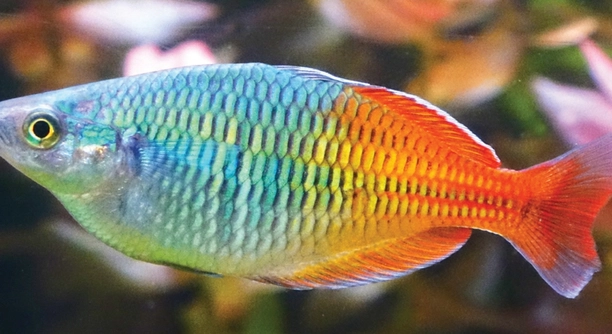
Have you ever found yourself watching your rainbow fish glide through the water and wondered if they can actually see their vibrant colors?
Rainbow fish are capable of seeing in color, thanks to specialized cone cells in their eyes that detect different wavelengths of light. These visual adaptations help them recognize mates, navigate their environment, and communicate through their colorful displays.
Learning how these fish experience their world can help you better understand their behavior and enhance your care routine.
How Rainbow Fish See Color Underwater
Rainbow fish have cone cells in their eyes that allow them to detect a range of colors, similar to humans. These cone cells respond to various light wavelengths, making it possible for them to see reds, greens, and blues. Since they live in clear, shallow waters, their eyes are well-adapted to bright environments where colorful displays are easier to spot. This ability helps them recognize other fish, select mates, and interact with their surroundings more effectively. Scientists have observed that rainbow fish respond to different colored lights, which further supports their ability to perceive and distinguish color. Their color vision plays a role in their social behavior, including how they choose partners during breeding. Because their natural habitats are rich in light, the visual system of rainbow fish developed to take full advantage of the available spectrum. These features make their colorful appearance both functional and significant in their daily lives.
Color vision also helps rainbow fish notice changes in their environment, such as predators or new objects in the tank.
Understanding how rainbow fish see can help you create a more suitable and enriching tank environment that supports their natural behavior and visual needs.
How Lighting Affects Their Color Perception
Light affects how colors appear in the water, especially at different depths.
Rainbow fish see best in bright, clear water with full-spectrum lighting. In the wild, sunlight filters through shallow streams, enhancing the colors of plants, rocks, and other fish. In a home aquarium, proper lighting plays an important role in how these fish perceive their surroundings. Using lights that mimic natural sunlight can help maintain their color recognition and behavioral patterns. Dull or overly dim lighting can reduce their visual activity, potentially affecting their interactions. If lighting shifts dramatically, it may confuse their ability to identify other fish or spot food. Aquarium lights that offer a full range of color, especially those designed for freshwater fish, support better visual clarity for them. Maintaining consistent lighting also helps them keep a regular day-night rhythm. Since their vision is built for well-lit settings, paying attention to brightness and color quality in your tank setup can help support their overall comfort and behavior.
Why Color Matters to Rainbow Fish
Color plays a role in how rainbow fish interact, especially during mating or social displays. Bright body colors can attract mates or help establish dominance. Faded colors, on the other hand, may signal stress or illness in the fish.
Rainbow fish often use their color patterns to communicate during group swimming, mating behavior, or territorial disputes. Males, in particular, become more vibrant during courtship, which signals readiness to breed. In tank environments, you might notice color changes depending on light exposure or tankmates. Stress, poor water quality, or changes in diet can dull their appearance. When they are healthy and comfortable, their natural colors appear brighter and more defined. Paying attention to these color changes can help detect early signs of discomfort. Since they rely on color for visual cues, maintaining tank conditions that support strong, clear coloration can positively affect how they behave and interact with others.
When kept in groups, rainbow fish often develop social hierarchies that are reinforced visually through color intensity. Brighter fish may take on dominant roles, while less colorful ones stay passive. This color-based interaction supports stability in group dynamics. Encouraging natural color displays helps reduce stress and supports balanced social behavior in community tanks.
Supporting Healthy Vision in Captivity
Clean water, balanced lighting, and proper diet all contribute to eye health and color vision in rainbow fish. Providing a varied diet rich in carotenoids supports vibrant color and visual function. Full-spectrum lighting also helps stimulate normal activity levels and visual clarity.
Consistent lighting and water quality prevent stress that might affect vision or behavior. Cloudy water can distort light, making it harder for rainbow fish to see and recognize each other. Feeding high-quality flakes or frozen food containing color-enhancing nutrients helps maintain the health of their eyes and enhances their color response. Avoiding reflective or overly bright surfaces in the tank also helps reduce glare, which can make it harder for them to focus. Consider placing the tank away from direct sunlight to avoid sudden light shifts. Keeping a stable environment where they can rely on their vision helps promote calm, predictable interactions and allows their visual abilities to stay active and reliable over time.
Recognizing Signs of Vision Stress
If your rainbow fish begins bumping into objects or missing food, vision stress may be a factor. Other signs include duller colors, skittish behavior, or hiding more often than usual, especially after lighting changes or water disturbances.
Sudden changes in lighting or water clarity can disorient them. If colors in the tank appear washed out or shadows become too sharp, it may cause stress. Consistency in lighting and minimizing tank disruptions can help reduce these issues and support normal behavior.
Natural Conditions That Shape Their Vision
Rainbow fish evolved in clear, shallow freshwater streams with sunlight filtering through open spaces. This environment shaped their ability to see vibrant colors and respond to light cues naturally. Their visual system depends on clean water and balanced lighting, which is why mimicking those conditions in captivity matters. In the wild, plant movement, water clarity, and changes in sunlight all help guide their behavior. These natural signals are interpreted through sight, so creating a stable tank environment supports their instincts. Using plants, gentle filters, and natural light cycles can help match their native habitat and promote better vision.
Why Tank Design Matters
Tank layout can support their vision by reducing glare and allowing clear sightlines. Adding plants and using soft, natural colors helps minimize stress and encourages normal behavior patterns.
FAQ
Can rainbow fish see in color?
Yes, rainbow fish can see in color. Their vision allows them to detect a wide range of colors, especially in well-lit, clear environments. This is why males display vibrant hues during courtship. Their ability to see and respond to color is part of how they navigate their surroundings, communicate with other fish, and identify mates or rivals. Maintaining good water quality and proper lighting helps them use their color vision effectively in captivity. Without these elements, their color perception and behavior can become dull or altered.
Do rainbow fish rely on their vision to interact with other fish?
They rely heavily on vision for social interactions. Rainbow fish use body language and color intensity to communicate. Brighter colors may signal readiness to breed or establish dominance. Dull or faded colors might indicate submission or stress. Since they live in schools, visual recognition plays an important role in group behavior. Proper lighting and a clear tank environment help them interpret these signals and maintain stable social structures. If visual cues are disrupted, their social dynamics may shift, leading to increased aggression or avoidance.
Can poor lighting affect their color perception?
Poor lighting reduces their ability to perceive color accurately. Dim or inconsistent lighting can flatten their visual field, making it harder for them to distinguish colors. Overly harsh lighting can also create glare and make them hide. Using full-spectrum aquarium lights on a regular cycle mimics natural daylight and supports their visual health. Rainbow fish thrive when lighting is consistent and not too intense. If the lighting changes too suddenly or isn’t well-distributed, their behavior may change, and their natural coloration may fade over time.
Is color vision important for their survival in the wild?
Yes, in the wild, color vision helps them avoid predators, recognize mates, and find food. The clear streams they live in offer plenty of light, making colors more visible. Being able to detect movement and bright patterns quickly gives them an advantage. Males display intense color during mating season to attract females, and that display is only useful if other fish can see it clearly. Their vision helps them stay alert and responsive in their natural habitat, and this need continues even in aquariums.
Do all types of rainbow fish have similar color vision?
Most rainbow fish species share similar visual abilities, though some may respond differently depending on their native habitat. Fish from darker or more shaded environments may be more sensitive to contrast and motion than to color vibrancy. However, the general structure of their eyes still allows them to detect a range of colors. Differences in color brightness across species are more about their environment than their actual ability to see color. Aquarium conditions should be adjusted to match the specific needs of the species being kept.
Can their eyesight change with age?
As rainbow fish age, their eyesight may gradually become less sharp, much like in other animals. You may notice older fish reacting slower or becoming less active. Their colors might also become less vibrant, not only from aging but also from changes in how they perceive light. Supporting their vision with stable tank conditions, high-quality food, and consistent lighting can help maintain their behavior and comfort as they grow older. Regular observation makes it easier to catch changes early and adjust care when needed.
What should I avoid when setting up their tank to protect their vision?
Avoid placing tanks in areas with direct sunlight or where lighting fluctuates often. Sudden brightness or dark spots can confuse or stress them. Keep water clear by using a good filter and avoid overcrowding the tank. Stick with full-spectrum lighting and maintain a steady light cycle each day. Decorations should be placed to reduce glare and allow open swimming space. Glass or reflective backgrounds can distort their view, so it’s better to use non-reflective backgrounds. These simple changes help protect their vision and support natural behavior.
Final Thoughts
Rainbow fish are colorful, active swimmers that rely on their eyesight every day. Their ability to see in color helps them communicate, find food, and stay aware of their surroundings. In the wild, they live in bright, clear waters where color and movement play a big role in survival. In home aquariums, giving them a similar environment helps them thrive. This includes using full-spectrum lighting, keeping water clean, and choosing tank decorations that reduce glare. When their environment is stable, their behavior and colors stay bright and natural.
Keeping rainbow fish healthy means thinking about how they see their space. Sudden lighting changes, cloudy water, or overly bright setups can affect their vision. These small things may not seem important at first, but they can lead to stress, dull colors, and even social problems within the group. Watching for signs like bumping into decorations, hiding, or reduced color can help catch problems early. It’s easier to prevent these issues by setting up the tank with their visual needs in mind from the start.
Understanding how rainbow fish see the world makes it easier to give them proper care. Color isn’t just for show—it’s part of how they live. Matching their lighting, layout, and water quality to their natural conditions can make a big difference. These simple choices support their health, keep them active, and allow their bright colors to shine. With the right setup, rainbow fish will continue to display the behavior and beauty that make them such a popular addition to freshwater tanks.

Hello,
If you enjoy the content that we create, please consider saying a "Thank You!" by leaving a tip.
Every little bit helps us continue crafting quality advice that supports the health, happiness, and well-being of pets around the world, for pets of all shapes, sizes, and species.
We really appreciate the kindness and support that you show us!