
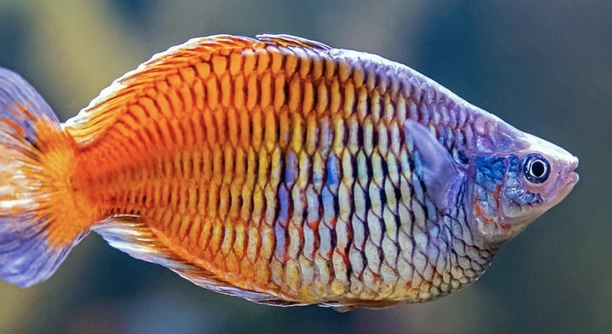
Rainbow fish are colorful and popular in many home aquariums. Their vivid scales and unique behavior can make them captivating to observe. However, many aquarium owners wonder if interacting with these fish is beneficial or necessary for their well-being.
Rainbow fish do not require human interaction to thrive. While they may respond to movement and food, talking to them will not enhance their health or happiness. Their behavior is instinct-driven and typically centered on their environment, not human presence.
Rainbow fish thrive in a stable, well-maintained tank. By focusing on water quality, proper nutrition, and suitable companions, you can create an ideal environment for them without needing to engage in conversation.
Understanding Rainbow Fish Behavior
Rainbow fish are fascinating creatures that interact with their environment in ways that are instinctive rather than learned. Their vibrant colors and energetic swimming patterns can make them seem more personable, but it’s important to remember that their actions are mostly driven by biological needs, not emotional responses to human presence. In an aquarium, these fish primarily focus on searching for food, interacting with other fish, and maintaining their territory. Unlike some pets, rainbow fish don’t seek or respond to direct human interaction in a meaningful way.
These fish are typically curious about their environment. They may swim near the glass of the tank when you approach, but this doesn’t indicate a desire for interaction. Instead, it’s more about their exploration and the possibility of food.
While they don’t form emotional bonds with humans like some animals, rainbow fish are still fun to watch. Their behavior, driven by natural instincts, makes them an engaging addition to an aquarium. It’s important to create an environment that caters to their needs for optimal health and well-being.
Tank Environment and Care
Proper care is essential for keeping rainbow fish healthy. They need stable water temperatures and high-quality filtration to thrive.
Maintaining consistent water parameters is the key to a happy rainbow fish. Regular water changes, monitoring pH levels, and controlling ammonia and nitrite levels will help prevent stress and ensure they stay vibrant and active. The right tank mates are also important, as rainbow fish are peaceful but need space to swim freely. Providing plants and hiding spots can create a sense of security, helping them feel comfortable and reducing any stress.
Why Rainbow Fish Don’t Need Human Interaction
Rainbow fish are independent creatures. While they may show interest in movement around their tank, they do not require human interaction to thrive. They are naturally active and find most of their stimulation in the water and tank environment.
Even though rainbow fish can be curious about the movements outside their tank, they do not need affection or companionship from humans. Their social interactions are mainly with other fish. As long as their environment is stable and their basic needs are met, they are content.
Trying to interact with them like you would with a pet such as a dog or cat will not lead to a deeper bond. They respond best to a proper habitat that encourages their natural behaviors, like swimming and exploring.
The Importance of Consistent Tank Conditions
For rainbow fish, a stable environment is crucial for their health. They prefer well-maintained tanks with regular water changes. Keeping their habitat clean helps prevent diseases and stress, which can affect their behavior.
The water temperature is especially important, as these fish thrive in slightly warm conditions. A temperature range of 72°F to 78°F is ideal. Monitoring the water’s pH and hardness is also necessary, as they do best in slightly acidic to neutral water. Without consistent water quality, these fish may become more susceptible to illness, which could affect their overall well-being.
Proper filtration is another key element. A tank with good water flow not only helps with cleanliness but also mimics the natural movement of their environment, allowing the fish to feel at ease.
Tank Mates for Rainbow Fish
Rainbow fish are peaceful but do best with other calm, non-aggressive fish. They are not territorial, so they won’t fight for space in the tank.
Adding tank mates that share similar needs will help avoid stress. Fish like tetras, barbs, and peaceful livebearers make good companions. Avoid aggressive species as they may cause harm.
Choosing the right tank mates not only keeps your rainbow fish comfortable but also encourages a healthy aquarium environment. A balanced tank with compatible species ensures that all fish can thrive together without conflict or overcrowding.
Feeding Rainbow Fish
Rainbow fish are not picky eaters. They will consume most types of aquarium food, from flake food to live or frozen options.
Providing a balanced diet is important for their health. A mix of high-quality flakes, pellets, and occasional live food like brine shrimp ensures they get all the necessary nutrients. Regular feeding helps maintain their energy levels and vibrant colors.
FAQ
Do rainbow fish need a lot of space in the tank?
Rainbow fish are active swimmers and need enough space to explore and move around freely. A 20-gallon tank is generally the minimum for a small group of rainbow fish. However, larger tanks are always better, as they allow for more movement and a healthier environment.
If you plan to keep multiple rainbow fish, it’s essential to provide enough space to prevent overcrowding. Overcrowded tanks can lead to stress, which may affect the fish’s health and behavior. Ensuring the tank is large enough for them to swim comfortably is key to keeping them happy and active.
Can rainbow fish live with other fish?
Yes, rainbow fish are peaceful and can live with many other fish species. They get along well with other calm, non-aggressive fish such as tetras, barbs, and peaceful livebearers. It’s important to avoid keeping them with territorial or aggressive species that could cause stress.
When choosing tank mates, make sure that all the fish in the tank have similar water and temperature requirements. Rainbow fish thrive in slightly warm, neutral to slightly acidic water, so pick fish that are comfortable in similar conditions. Having compatible fish will prevent conflicts and promote a harmonious tank environment.
What should I feed my rainbow fish?
Rainbow fish are omnivores and can eat a variety of foods. A combination of high-quality flake food, pellets, and occasional live or frozen food like brine shrimp or daphnia is ideal. You should feed them 2-3 times a day, providing only as much as they can eat in a few minutes.
Variety in their diet is important for maintaining their health and vibrant colors. You can also feed them algae-based foods or vegetable matter, like spirulina. Just be sure to avoid overfeeding, as this can lead to water quality problems.
Do rainbow fish need a heater?
Yes, rainbow fish require a heater to maintain a consistent water temperature. They thrive in slightly warm water, with an ideal range of 72°F to 78°F. A reliable aquarium heater helps keep the water temperature stable, ensuring the fish are comfortable and healthy.
Without a heater, the water temperature may fluctuate, which could stress the fish and make them more susceptible to illness. It’s important to regularly check the water temperature using a thermometer and adjust the heater if needed to maintain consistency.
How long do rainbow fish live?
Rainbow fish can live for 5 to 8 years in a well-maintained tank. Their lifespan depends on the quality of their environment, diet, and overall care. Providing a stable habitat with proper filtration, temperature, and water conditions will help them live a long, healthy life.
Like many fish, rainbow fish are more susceptible to disease and stress if the tank conditions are poor. Regular tank maintenance, along with a balanced diet, will help your rainbow fish reach their full lifespan.
Are rainbow fish easy to care for?
Yes, rainbow fish are relatively easy to care for, as long as their basic needs are met. They don’t require special care or attention beyond regular water changes, feeding, and maintaining a suitable environment.
The most important factors for their care are water quality, temperature, and compatible tank mates. They can tolerate a range of water conditions, but they thrive best when their habitat is clean and stable. Regular maintenance is key to keeping your rainbow fish healthy and vibrant.
Why are my rainbow fish not as colorful as they used to be?
Several factors can affect the vibrancy of your rainbow fish’s colors. Poor water quality, stress, or an imbalanced diet can cause their colors to fade. Make sure to check the water parameters regularly, ensuring they’re within the ideal range for rainbow fish.
Feeding them a varied diet rich in nutrients, such as spirulina, can also help enhance their colors. If the tank is overcrowded or if there are aggressive tank mates, the fish might be stressed, which can cause their colors to dull. Creating a peaceful, well-maintained tank environment is essential for keeping their colors bright.
How can I tell if my rainbow fish are stressed?
Stressed rainbow fish may exhibit certain behaviors, such as hiding more often, swimming erratically, or having a reduced appetite. They may also show signs of physical stress, such as faded colors or clamped fins. If you notice these symptoms, it could be an indication that something in their environment is causing stress.
Common causes of stress include poor water quality, overcrowding, incompatible tank mates, or fluctuations in water temperature. Addressing these issues can help reduce stress and return the fish to their normal behavior. Regular water changes, proper feeding, and tank maintenance are essential in preventing stress-related problems.
How do I breed rainbow fish?
Breeding rainbow fish is possible in a well-maintained tank, though it may require some effort. Start with a group of healthy fish, ensuring they are of the opposite sex and sexually mature. Rainbow fish are egg scatterers, so they lay their eggs on plants or other surfaces.
To encourage breeding, maintain slightly warmer water and ensure the fish are well-fed with a nutritious diet. After spawning, remove the adults from the tank, as they may eat the eggs. The eggs will hatch in about 7 to 10 days, depending on the water temperature. Once the fry are free-swimming, you can feed them finely crushed food or infusoria.
What size tank do rainbow fish need?
Rainbow fish need a tank that allows for plenty of swimming space. A 20-gallon tank is the minimum for a small group of rainbow fish, but a larger tank is preferable. The more space available, the better the fish will thrive, especially if you plan on keeping more than a few fish.
A larger tank not only provides ample space for swimming but also helps maintain better water quality, reducing the risk of problems like stress or disease. Proper filtration is also essential for keeping the water clean and oxygenated.
Final Thoughts
Rainbow fish are relatively easy to care for and make a vibrant addition to any aquarium. Their bright colors and peaceful nature can bring life to a tank, but it’s important to understand their basic needs. They do not require direct interaction with humans and thrive best when their environment is stable. While it might be tempting to engage with them like a pet, they are not creatures that form bonds with humans. Their behavior is instinctual, focused on their environment and the other fish around them.
The most important aspect of keeping rainbow fish is providing a proper tank setup. This includes maintaining clean water, the right temperature, and ensuring the tank is large enough to accommodate them comfortably. These fish are peaceful and do best with other non-aggressive species. A well-maintained tank with compatible fish helps create a healthy environment where rainbow fish can thrive. Overcrowding or poor water quality can cause stress, which will affect their overall health and behavior.
Rainbow fish also need a balanced diet that includes a variety of foods to maintain their health and vibrant colors. While they are not picky eaters, offering a range of flakes, pellets, and occasional live or frozen foods will ensure they get all the necessary nutrients. Consistency in their care, especially with regular water changes and temperature monitoring, will keep them happy and healthy for many years. Whether you’re a beginner or experienced fish keeper, rainbow fish can be a great choice for a peaceful, colorful tank.

Hello,
If you enjoy the content that we create, please consider saying a "Thank You!" by leaving a tip.
Every little bit helps us continue crafting quality advice that supports the health, happiness, and well-being of pets around the world, for pets of all shapes, sizes, and species.
We really appreciate the kindness and support that you show us!