
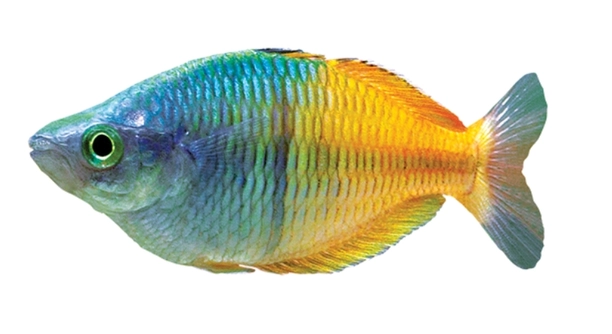
Are your rainbow fish acting different lately, or maybe their colors look a little duller than usual? Small changes like these can sometimes point to bigger issues in their tank environment.
Rainbow fish may be getting too hot if their behavior changes, they eat less, or their colors fade. High water temperatures can reduce oxygen levels, stress the fish, and lead to long-term health issues or death.
Recognizing these early signs can help prevent harm and keep your fish thriving in a stable, healthy aquarium setup.
Their colors start to fade
When rainbow fish are exposed to water that’s too warm, one of the first things you might notice is their color fading. These fish are known for their vibrant hues, and a sudden or gradual loss of color can be a clear sign that something is off. Warmer temperatures speed up their metabolism, which can lead to stress and fatigue. Over time, this stress affects their appearance, making their scales look duller than normal. If you’ve ruled out illness or age, it’s worth checking your tank’s temperature. Ideally, rainbow fish thrive in water that’s between 74°F and 78°F. Anything consistently above that range can cause problems. Even a small difference can make a big impact over time, so regular monitoring with a reliable aquarium thermometer is important. It helps keep things steady and ensures your fish can continue to display their natural, brilliant colors without unnecessary stress.
Their color may not return right away even after correcting the temperature, so be patient and continue monitoring.
A drop in brightness doesn’t always mean sickness. It’s often the result of environmental stress, and temperature is one of the most common triggers. Early action can make a difference in restoring your fish’s natural glow.
They hover near the surface
If your rainbow fish are spending a lot of time near the water’s surface, it could mean the temperature is too high.
In warmer water, oxygen levels drop. This makes it harder for fish to breathe, so they go to the surface where the oxygen concentration is highest. Rainbow fish, which are usually active throughout the tank, may start acting differently. You might notice them gasping, swimming more slowly, or even staying in one spot close to the top. This isn’t normal behavior and shouldn’t be ignored. Make sure your aquarium has good aeration and circulation. Use an air stone or sponge filter to help oxygenate the water. Fans or aquarium chillers can also bring the temperature down if needed. If your tank is in direct sunlight or near a heater, consider moving it. These small steps can make a big difference in keeping your rainbow fish healthy and active across the whole tank, not just the surface.
They eat less than usual
Warm water can reduce your rainbow fish’s appetite. If you notice leftover food more often, the heat might be the reason. Fish under heat stress often stop eating because their metabolism gets thrown off balance.
A small, steady drop in appetite isn’t always an emergency, but it is something to track. When water gets too warm, fish use more energy just to stay comfortable. This can confuse their normal hunger signals. You might notice them swimming away from food or nibbling less eagerly. While occasional fasting can be normal, it shouldn’t become a habit. Check your tank temperature and make sure it stays in the safe range. Also, avoid overfeeding during this time—uneaten food can quickly pollute the water and make things worse. Use a thermometer you trust, and try feeding them during cooler parts of the day if the room temperature fluctuates.
Consistent changes in appetite usually mean something in the environment is off. Rainbow fish are typically quick to eat, especially in a well-kept tank. If they start acting picky or disinterested, it’s best to check the basics first: temperature, water quality, and oxygen levels. Making small adjustments early can help avoid bigger health problems down the line.
They dart around suddenly
Sudden darting or quick, jerky swimming movements can be a reaction to discomfort from rising water temperatures. This behavior might come and go, but it’s worth keeping an eye on if it happens often.
Fish naturally move around during feeding or when interacting, but frantic swimming is different. When the water gets too warm, fish become stressed and more sensitive to changes in their surroundings. This stress can lead to erratic movements as they try to escape the discomfort or search for better conditions. In rainbow fish, this darting is easy to notice because it’s not their usual calm behavior. Sometimes it’s paired with rubbing against objects or trying to leap. These actions may look playful, but they usually point to stress. Use a thermometer to check the tank temperature right away. If it’s too high, lower it slowly. Sudden changes can make things worse, so go gradually.
Their gills move faster
If you notice your rainbow fish breathing faster or their gills moving more than usual, it could be from high temperatures. Warm water holds less oxygen, so your fish have to work harder just to breathe properly.
Fast gill movement is often paired with low energy or surface hovering. This means your fish are struggling to get enough oxygen. Check your thermometer and make sure there’s enough water flow and aeration to help them breathe easier.
They rest at the bottom more often
Rainbow fish resting near the bottom isn’t always a nap—it can be a response to heat stress. If your usually active fish is now quiet and still, it’s worth checking your tank temperature and water conditions. High temperatures can cause fatigue, making them less active than usual.
Their fins look clamped
Clamped fins—when your fish keeps its fins close to its body—are another sign of heat stress. This posture often means they’re uncomfortable or not feeling well. Keep a close eye on them and adjust water temperature gradually if needed.
FAQ
Why are my rainbow fish swimming erratically?
Erratic swimming often happens when rainbow fish are stressed, especially due to high water temperatures. Warmer water reduces oxygen levels, making it harder for fish to breathe. They may swim in quick bursts or dart around as they search for better conditions. This can also be a sign that the tank’s environment needs some adjustments, such as cooler water or better oxygen circulation. Keep your aquarium well-maintained with proper filtration and aeration to reduce stress and restore your fish’s normal behavior.
What should I do if my rainbow fish are eating less?
If your rainbow fish are eating less, high temperatures might be the cause. When water becomes too warm, their metabolism speeds up, and they may lose interest in food. First, check the water temperature with a reliable thermometer. If it’s too high, lower it gradually. Also, ensure your fish are in a stable environment with no sudden changes. You can try feeding at cooler times of day and avoid overfeeding, as excess food can pollute the water. Monitor them for a few days to see if their appetite improves.
How can I lower the temperature in my aquarium?
If the temperature in your aquarium is too high, there are several methods to cool it down. First, check the thermometer to confirm the temperature, then consider using a fan to create airflow over the surface of the water. This helps to evaporate heat. You can also use an aquarium chiller if the temperature is consistently above the desired range. If you don’t have a chiller, gently replacing a portion of the water with cooler, dechlorinated water can help reduce the heat. Avoid making sudden, drastic changes, as this can cause more stress to the fish.
What temperature is best for rainbow fish?
Rainbow fish thrive in water temperatures between 74°F and 78°F. Keeping the water within this range helps maintain their health and vibrant colors. Temperatures above 80°F can cause stress and affect their behavior, while cooler temperatures below 70°F can also cause problems like reduced activity and appetite. Always use a reliable aquarium thermometer to check your tank’s temperature regularly and ensure that it stays within the recommended range. If you notice the temperature rising above the safe range, take immediate steps to cool the tank.
Can high temperatures cause disease in rainbow fish?
Yes, high temperatures can weaken rainbow fish, making them more susceptible to diseases. Stress caused by overheating can lower their immune systems, leaving them vulnerable to infections and parasites. The warmer the water, the less oxygen it holds, which can further compromise their health. If you notice any signs of illness, such as spots, lesions, or unusual behavior, it’s essential to address the temperature issue immediately and ensure the water is properly filtered and aerated. Keeping the temperature stable and within the ideal range helps prevent stress-related diseases.
Why are my rainbow fish staying at the top of the tank?
Rainbow fish often stay near the surface when the oxygen levels in the water are low, which can happen if the temperature is too high. Warm water has less oxygen, so the fish instinctively move toward the surface where they can get more air. If you notice this behavior, check the temperature and aeration. Improving water circulation and adding an air stone or filter can help increase oxygen levels and reduce surface dwelling. Also, make sure your tank has adequate water flow to ensure all areas have enough oxygen.
How do I know if my rainbow fish are too hot?
If your rainbow fish are too hot, you may notice several signs. These include fading colors, increased breathing, erratic swimming, and lethargy. Fish may spend more time near the surface or hover in one spot, trying to get more oxygen. Their appetite may also decrease, and they may appear more stressed or skittish. To confirm, check the water temperature with a thermometer. If it’s above the ideal range (74°F to 78°F), take action to cool it down gradually. Make sure to monitor your fish closely to see if their behavior improves once the temperature stabilizes.
How can I prevent my aquarium water from getting too hot?
To prevent your aquarium water from getting too hot, ensure that the tank is kept in a cool area, away from direct sunlight or heat sources. You can use a tank fan to circulate air or invest in an aquarium chiller if you live in a warmer climate. Regular water changes and good filtration will also help maintain stable conditions. Be sure to check the water temperature regularly with an accurate thermometer. In addition, keep the tank covered to reduce heat loss during the night, but leave enough ventilation for proper gas exchange.
Is it safe to use ice cubes to cool the water?
Using ice cubes to cool the water is not recommended. While it may seem like a quick fix, adding ice directly to the tank can cause a sudden drop in temperature, which can stress your fish. Sudden changes in temperature are harmful and may cause shock. Instead, consider using a slow, controlled method to lower the temperature, such as gradually replacing the water with cooler water or using a fan. If the temperature is consistently high, investing in a cooling system like an aquarium chiller is a safer, more effective solution.
How can I tell if the oxygen levels in my tank are too low?
Low oxygen levels can cause your rainbow fish to swim erratically, spend more time near the surface, or breathe rapidly. If you notice these signs, it’s a good idea to check your water flow and aeration. Oxygen levels can drop when the water is too warm, so ensure your tank’s temperature is stable and within the proper range. Adding an air stone, adjusting the filter, or positioning a fan near the tank can help improve circulation and oxygen levels. Regular water changes and a good filtration system will also ensure the tank stays oxygen-rich.
Final Thoughts
Rainbow fish are beautiful creatures that bring life to any aquarium. However, they are also quite sensitive to changes in their environment, especially when it comes to water temperature. If you notice any signs that your fish are getting too hot, such as fading colors, reduced appetite, or increased breathing, it’s important to address the issue quickly. High temperatures can stress your fish and lead to serious health problems if left uncorrected. By keeping an eye on the water temperature and making adjustments as needed, you can ensure that your fish stay happy and healthy.
Maintaining a stable temperature is key to keeping your rainbow fish in good condition. The ideal water temperature range for rainbow fish is between 74°F and 78°F. Keeping the water within this range will help your fish thrive, allowing them to swim freely, eat well, and show their beautiful colors. It’s also important to regularly monitor the water temperature and make sure the tank’s filtration system is working properly. If the water temperature begins to rise above the safe range, there are simple steps you can take to cool it down, such as using a fan, aquarium chiller, or adding cooler water. However, always make sure to adjust the temperature gradually to avoid shocking the fish.
Finally, keeping your aquarium environment in balance is essential for the overall health of your rainbow fish. In addition to temperature control, maintaining good water quality, proper oxygenation, and consistent feeding habits will help keep your fish stress-free and vibrant. Remember, small changes in their environment can have a big impact on their behavior and health. By paying attention to their needs and making adjustments when necessary, you’ll ensure that your rainbow fish remain a colorful and lively addition to your home.

Hello,
If you enjoy the content that we create, please consider saying a "Thank You!" by leaving a tip.
Every little bit helps us continue crafting quality advice that supports the health, happiness, and well-being of pets around the world, for pets of all shapes, sizes, and species.
We really appreciate the kindness and support that you show us!