
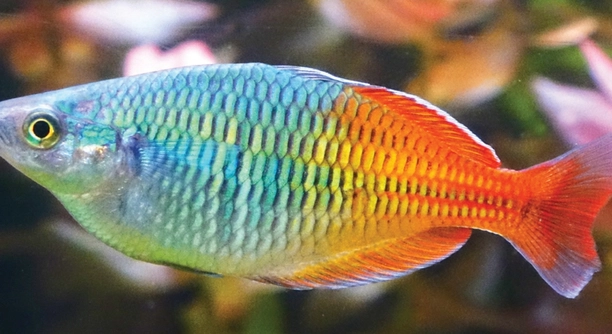
Do your rainbow fish seem less interested in new food lately, leaving you unsure if they are just being picky or unwell?
Rainbow fish might refuse new food due to stress, unfamiliarity with the scent or texture, or changes in their environment. In some cases, poor water conditions or illness may also affect their appetite and behavior.
Learning what influences their eating habits can help you support your fish’s health and create a more stable feeding routine.
Common Reasons Rainbow Fish Refuse New Food
Rainbow fish are generally active and easygoing, but they can be sensitive when it comes to changes in their diet. One reason they may refuse new food is stress. This can happen after a tank cleaning, a move, or a sudden change in water conditions. Another reason is unfamiliarity. If the new food smells or feels different, they might not recognize it as something edible. Some fish need time to associate new food with a positive experience. Also, if the food is too large or sinks too quickly, they may not go after it. Illness can also reduce their appetite, so it’s important to observe for other signs like sluggishness or changes in color. Lastly, feeding the same food for a long time can cause a lack of interest in other options. Variety is good, but it should be introduced gradually and carefully.
Try offering the new food alongside the old one to help them adjust slowly.
Keep an eye on how the fish behave before and after feeding. If they seem stressed, give them more time to adjust. They may need to build trust in the new food. Stay consistent, and avoid switching things too fast.
How to Introduce New Food Properly
Start with small amounts and offer it during their usual feeding time. Keep the environment calm and avoid making any other changes.
Before introducing anything new, make sure the water is clean and the temperature is stable. Fish can be picky if conditions are off. Begin by mixing a little of the new food with what they already eat. Watch if they pick at it or ignore it completely. Try again over a few days, and don’t rush. You can also crush the food into smaller bits to make it easier for them to taste and smell. If they still avoid it, remove it from the tank to keep the water clear. Avoid overfeeding during this time. Too much uneaten food can affect the water quality and make them more uncomfortable. Some fish will take a week or two to try something different. Patience is key. Keep their routine consistent, and give them space to adjust.
When to Be Concerned About Food Refusal
If your rainbow fish consistently ignore food for more than three days, it may be time to take a closer look. Loss of appetite can sometimes be a sign of something more serious, like stress or illness.
Watch for other changes in their behavior. If they seem sluggish, hide more than usual, or show faded colors, it might be more than just being picky. Check the water parameters—especially temperature, pH, and ammonia levels. Sudden shifts can throw them off. Also, make sure the food hasn’t gone stale or expired. Smell it before feeding and store it properly in a cool, dry place. If all conditions seem fine but they’re still not eating, consider separating the fish briefly to reduce stress. A visit to an aquatic vet might be needed if signs of sickness continue, like bloating or rapid gill movement. Acting early can help prevent more serious problems.
A healthy rainbow fish usually eats eagerly, so continued refusal is worth investigating. Look for white spots, clamped fins, or other visible changes. These signs may point to parasites or infections. Quarantining the fish might help reduce the spread of illness. It’s important not to delay when behavior shifts are paired with appetite loss. Consistent feeding habits are a good sign of health.
How Environment Affects Eating Habits
Rainbow fish thrive in stable environments. Sudden lighting changes, loud sounds, or crowded tanks can cause anxiety. This stress can lead them to skip meals. A calm, clean setup with hiding spots encourages better feeding responses and overall health.
Poor water quality is one of the biggest factors affecting appetite. If ammonia or nitrites are high, fish often stop eating. Test the water regularly and do partial water changes as needed. Make sure your filter is working properly, and clean it without disrupting beneficial bacteria. Also, consider whether the tank has enough space. Overcrowding leads to competition and stress, especially during feeding time. Keep lighting on a schedule and avoid tapping the glass. Rainbow fish are sensitive to disturbances. Feeding them at the same time each day also helps set a routine. When they feel secure, they are more likely to accept and explore new food. Stability encourages healthy behavior.
Food Type and Texture Preferences
Rainbow fish may ignore food that sinks too quickly or is too hard to chew. They usually prefer floating flakes or small, slow-sinking pellets that are easy to catch near the surface where they tend to feed.
Strong smells or unfamiliar textures can also cause hesitation. Freeze-dried or overly dry food might not appeal to them right away. Softening it slightly in tank water before feeding can help.
Tips for Encouraging Better Eating Habits
Offer a variety of food types in small amounts. Mix flakes, pellets, and the occasional live or frozen option like brine shrimp. This not only keeps them interested but also supports balanced nutrition. Feed at consistent times, and keep distractions low during meals. If you’re switching foods, do it slowly over several days by blending the new with the familiar. Make sure uneaten food is removed quickly so the water stays clean. Keeping a close eye on their reactions helps you figure out what they like. Patience and steady habits usually lead to better eating and healthier fish.
Signs They’re Adjusting Well
If they start showing excitement at feeding times and explore the new food, it’s a good sign they’re getting used to it.
FAQ
Why do my rainbow fish spit out their food?
Spitting out food isn’t always a bad sign. Rainbow fish sometimes test food before swallowing. They may chew, spit, and try again. If they repeatedly spit it out and lose interest, the food might be too hard, too big, or unfamiliar in taste or texture. Try crushing the food into smaller pieces or soaking dry pellets to soften them. If they continue spitting after several tries, it could also be a sign of discomfort or early signs of illness, especially if combined with other behavior changes. Always check water quality and monitor for signs of stress.
How long can rainbow fish go without eating?
Healthy adult rainbow fish can usually go without food for up to five days, sometimes longer. However, going that long without eating isn’t ideal. Skipping a meal or two now and then isn’t a concern, especially during changes like tank cleaning or new food introductions. But if they go more than three days without interest in any food, it’s best to investigate. Check their environment, monitor their behavior, and try offering a variety of familiar foods to encourage feeding again. For young or weaker fish, it’s better not to wait that long before addressing the issue.
Do rainbow fish need live food to stay healthy?
Live food isn’t required, but it can be beneficial. Rainbow fish can do well on a balanced diet of high-quality flakes and pellets. Still, live or frozen foods like daphnia or brine shrimp can boost their energy and encourage natural feeding behaviors. These extras can be offered once or twice a week. Just make sure the live food is safe and clean, as poor-quality live food can carry bacteria or parasites. If you’re not comfortable using live food, frozen options can offer similar benefits with less risk.
Is it okay to skip feeding them for a day?
Yes, it’s perfectly fine to skip a day of feeding once in a while. In fact, many fishkeepers do this once a week to prevent overfeeding and give the fish’s digestive system a rest. It also helps reduce waste and keeps the water cleaner. Just make sure the skipped day doesn’t become several days in a row unless there’s a reason like fasting during medication. A short fast can actually be healthy and may even encourage a better appetite when food is reintroduced.
Why do they eat some food types but not others?
Rainbow fish have preferences, just like people. Some may prefer flakes, while others enjoy pellets or soft frozen foods. They might also reject food with strong smells or unusual textures. If they’re used to one type for a long time, it may take time for them to accept something new. Introducing a new food gradually—mixed in with the old—can help. You may need to try a few different types before finding the one they’ll accept. Be patient, and observe what gets the best response.
Should I feed them in the morning or evening?
Rainbow fish are active during the day, so feeding in the morning or early evening works best. Choose a time when the tank lights are on, and the fish are fully awake. Feeding at the same time each day helps build a routine, and the fish will often begin to expect it. Avoid feeding right after turning the lights on or off, as sudden changes can startle them and reduce interest in food. Morning feedings work well if you also monitor their behavior throughout the day.
What should I do if one fish eats everything and the rest get nothing?
If one rainbow fish is dominating the food, try feeding in multiple spots in the tank. Spread out the food so the others have a chance to eat before it’s all gone. You can also distract the dominant fish on one side with a small portion, then add more food on the other side. In more aggressive cases, consider using a feeding ring or divider. Over time, most rainbow fish learn to eat together without too much competition, especially in a peaceful and balanced tank setup.
Final Thoughts
Feeding rainbow fish may seem simple at first, but their habits and reactions to new food can vary more than people expect. They are sensitive to changes in their surroundings, and even a small adjustment can affect how they eat. Food refusal doesn’t always mean something is wrong, but it is important to pay attention. Watching how they behave during feeding time can tell you a lot. If they avoid the food completely, spit it out, or seem less active, it could be a sign that something needs to be checked. Keeping a regular routine and making changes slowly is key to helping your rainbow fish feel safe and comfortable.
Not every food will work for every fish. Some rainbow fish take to new food right away, while others take time to adjust. Offering a mix of flakes, pellets, and frozen options can give them variety without overwhelming them. It’s also helpful to start with small amounts so you can see how they respond. Uneaten food can affect water quality, which adds more stress to your fish. That’s why it’s important to remove leftovers quickly and keep the tank clean. If your fish refuse new food for more than a few days, double-check the tank conditions, and make sure they are not showing signs of stress or illness.
Rainbow fish are peaceful, social creatures that do well in a steady, low-stress environment. They rely on you to keep things balanced—from the quality of their water to the type of food they eat. With patience, simple care steps, and consistent feeding habits, you can help your fish stay healthy and active. Noticing small changes early can prevent larger problems later. Feeding time should be something you both enjoy. If you take the time to understand their habits and adjust to their needs, your rainbow fish will feel more comfortable exploring new food and staying well-fed.

Hello,
If you enjoy the content that we create, please consider saying a "Thank You!" by leaving a tip.
Every little bit helps us continue crafting quality advice that supports the health, happiness, and well-being of pets around the world, for pets of all shapes, sizes, and species.
We really appreciate the kindness and support that you show us!