
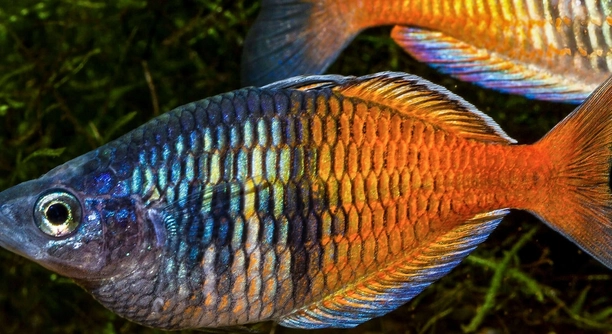
One of the most common behaviors seen in rainbow fish is one fish chasing the others. This might leave owners wondering what’s behind such actions. Understanding why this happens can help maintain a peaceful aquarium environment.
Fish often chase each other due to territorial disputes, mating behavior, or stress. In rainbow fish, the dominant one may assert its authority by chasing others. These behaviors are natural but can indicate that something in the tank environment needs attention.
Learning about the reasons for chasing can help improve your fish’s well-being and prevent any harm. Let’s explore how to manage this behavior for a healthier, happier aquarium.
Why Do Fish Chase Each Other?
Rainbow fish chasing each other is a common sight in aquariums. This behavior is often linked to territoriality, where one fish may try to claim a specific area of the tank. Fish, like many other animals, establish a pecking order, and the dominant one tends to assert control. When one fish chases another, it can be a way of showing dominance, making sure that others stay away from its space. Another reason might be mating behavior, where the chasing fish is trying to attract the attention of a mate. Fish can also feel stressed due to overcrowding, poor water quality, or inadequate hiding spaces, leading to aggression. It’s important to observe if the behavior is causing harm to the other fish or if it’s just part of their natural interaction.
Fish might also chase each other because they’re simply bored or don’t have enough room to swim freely. If your aquarium feels crowded, consider adding more hiding places to reduce stress.
In some cases, introducing new fish to the tank can trigger chasing. While it’s normal for fish to establish dominance, excessive chasing can lead to injuries or stress. Make sure the fish are well-fed and have enough space. Adding more decorations or plants in the tank can help reduce aggression, as fish will have places to hide. If the problem persists, it might be helpful to separate the aggressive fish until its behavior settles. Understanding the cause of the chasing can help you create a more peaceful environment for your rainbow fish.
How to Reduce Chasing in Your Aquarium
Fish chasing each other can be a sign of a few underlying problems. Identifying the cause can help reduce this behavior.
If you’re dealing with territorial disputes, you can rearrange the tank’s decor to create a sense of change and reduce the feeling of ownership. This makes the tank feel new again, which can help break up territorial boundaries. It’s also beneficial to ensure that the tank is not overcrowded, as fish need space to swim freely. When rainbow fish are too close together, they may become stressed and more likely to chase each other. Adding more plants or rocks to the tank can provide hiding spots, reducing stress and helping fish feel more secure.
If the chasing is linked to mating behavior, giving them a proper space to breed can help. Some fish might be more aggressive during mating seasons, so separating the males and females might be necessary. The key is to observe the behavior, ensure a balanced tank environment, and make adjustments where needed. By paying attention to the needs of your fish, you can reduce unnecessary chasing and ensure a peaceful tank.
How Tank Size Affects Behavior
Tank size plays a big role in fish behavior. If the tank is too small, fish might become stressed and territorial. Rainbow fish need space to swim freely, and when they feel cramped, they may start chasing each other. A larger tank helps reduce competition for space, minimizing stress.
If you notice your fish are chasing each other, it could be a sign that they don’t have enough room. A cramped environment leads to more aggression, as the fish have nowhere to retreat. When choosing a tank size, consider the number of fish and their swimming needs. Larger tanks provide more opportunities for the fish to find their own space, helping to reduce confrontations. It’s important to also consider the water quality and tank decorations, which also influence fish behavior.
Overcrowding can be a common problem, especially when adding new fish. If your tank becomes too full, consider upgrading to a larger one. This will allow your rainbow fish to move around freely and avoid being constantly chased. A well-sized tank supports a more balanced environment where fish can coexist peacefully without unnecessary stress or aggression.
Importance of Water Quality
Poor water quality is one of the top reasons fish become stressed and act aggressively. If the water conditions aren’t right, rainbow fish may become irritable and chase each other out of frustration. Keeping the water clean and at the right temperature is essential.
Regular water changes and monitoring the pH levels are important to ensure the water is ideal for your fish. If your rainbow fish are being chased more than usual, check the water conditions. Ammonia, nitrate, and nitrite levels should be kept in check to prevent any harmful buildup. Fish can sense poor water quality, and it directly affects their health and behavior.
Water quality impacts more than just the behavior; it influences your fish’s overall health. When the water is polluted or too warm, your fish may start acting aggressively as a response. If you’re unsure of the water parameters, invest in a water testing kit. Maintaining clean water not only helps with fish behavior but also ensures they live a long, healthy life in your aquarium.
Fish Diet and Aggression
A poor diet can lead to aggressive behavior in fish. If rainbow fish are not getting the proper nutrients, they may become more stressed and act out. An imbalanced diet can affect their overall health, which in turn affects how they interact with each other.
Fish that are underfed or eating the wrong type of food may not have enough energy or may become overly aggressive. Make sure to provide a well-balanced diet that includes high-quality flakes, pellets, and occasional live or frozen food. This will help keep your rainbow fish healthy and less likely to chase each other.
A variety of foods can also keep your fish stimulated and active. Keep in mind that overfeeding can be as harmful as underfeeding. Monitor your fish’s eating habits to ensure they’re getting the right nutrients and not becoming territorial due to hunger or poor health.
Mating Behavior in Rainbow Fish
Mating can trigger chasing, especially among rainbow fish. Males are known to chase females as part of their courtship. This behavior is common, but it can cause stress if the males are too aggressive or the tank is too small.
The male rainbow fish may become territorial during mating season. He will chase the females to impress them or protect his breeding space. Sometimes, females will try to avoid the males if they feel too pressured. To reduce stress, ensure the tank has plenty of hiding spots for the females to retreat to. The more space available, the less aggressive the males will likely become.
Providing multiple females for each male can also help balance the aggression. In some cases, separating particularly aggressive males can give the others more space and reduce the chasing altogether.
Tank Decorations and Hiding Spots
Tank decorations can play a big role in reducing aggression. When fish have places to hide, they are less likely to feel threatened and chase each other. Adding plants, rocks, or caves can provide security and create natural boundaries in the tank.
When decorating, think about the structure of the tank. Large plants, driftwood, and caves provide hiding places and allow fish to escape from aggressive peers. This helps reduce stress by giving the fish more options to claim a space without having to fight over it. A well-decorated tank not only looks nice but also supports healthy interactions between your fish.
FAQ
Why is my rainbow fish chasing the others?
Rainbow fish chase each other for several reasons, including territorial disputes, mating behavior, or stress. The most common reason is territoriality, where the dominant fish establishes its space in the tank. Mating behavior is another factor, with males often chasing females to court them. Stress from overcrowding, poor water quality, or lack of hiding places can also trigger aggressive chasing. Observing the behavior can help determine the cause, allowing you to address the issue by adjusting the tank conditions.
Can I stop my rainbow fish from chasing each other?
Yes, it’s possible to reduce chasing by addressing the cause. If it’s due to territoriality, adding more hiding spots like plants or rocks can help. Ensuring the tank is not overcrowded and providing enough space for each fish is also essential. For mating behavior, giving the males and females plenty of space to interact naturally can help. Keep the water quality high and feed your fish a balanced diet to reduce stress and aggression.
How can I reduce stress in my rainbow fish?
To reduce stress, ensure your tank is appropriately sized for the number of fish. Overcrowding leads to increased competition and aggression. Regularly clean the tank and monitor water parameters such as pH, ammonia, nitrites, and nitrates. Adding decorations and plants to the tank creates hiding spots, which provide fish with security and reduce stress. Make sure there are no sudden temperature changes and that the fish are fed adequately. A well-maintained tank with enough space is key to a healthy environment for your fish.
Is it normal for rainbow fish to chase each other?
Yes, some chasing is natural. Rainbow fish often chase each other as part of establishing dominance, especially if they’re competing for territory or mates. However, if the chasing becomes excessive and leads to injury or stress, it’s worth investigating the underlying cause. Stress, overcrowding, or poor water quality may be contributing factors that can be corrected.
Why do male rainbow fish chase females?
Male rainbow fish often chase females as part of their mating behavior. During breeding, the males try to attract the attention of the females, sometimes by chasing them. While this is a normal part of their behavior, it can cause stress if the males are too aggressive or the tank is too small. Providing plenty of space and hiding spots for the females can reduce the stress caused by the males’ pursuit.
Do rainbow fish fight with each other?
Rainbow fish may engage in aggressive behavior toward one another, especially if they feel their territory is being threatened. Male rainbow fish, in particular, may fight over territory or mates. Chasing, nipping, or posturing are common signs of aggression. If these behaviors escalate into actual fighting, it could indicate that the tank is too small or the water quality isn’t ideal. Ensuring a balanced environment can help reduce fighting.
How can I tell if my rainbow fish is stressed?
Stressed rainbow fish may exhibit several signs. They might swim erratically, hide more often, or appear lethargic. Their colors could become dull, and they might not eat as much. In some cases, stressed fish will display aggressive behavior or swim in circles. If you notice these signs, check the water quality, tank size, and temperature. A sudden change in the environment can cause stress, so consistency is key to keeping your fish healthy.
Should I separate the aggressive fish?
If one of your rainbow fish is overly aggressive, it might be a good idea to separate it temporarily to prevent harm to the other fish. However, this should be done only if the behavior is severe and causing significant stress or injury. Before separating, try adjusting the tank’s layout, increasing hiding spots, or ensuring there’s enough space for all the fish. Aggressive behavior usually lessens when the tank conditions are improved.
What can I do if my rainbow fish won’t stop chasing each other?
If chasing persists, it’s essential to identify the root cause. Start by assessing the tank’s size and water quality. Overcrowding and poor water conditions can increase aggression. Adding plants, caves, and rocks can help reduce territorial disputes. If the issue is mating behavior, providing more females or separating aggressive males may help. Make sure your fish are well-fed and not feeling threatened by each other’s presence.
Can rainbow fish live peacefully together?
Rainbow fish can live peacefully together if their environment is properly maintained. They are generally non-aggressive but may show territorial behavior, especially if there’s limited space or if they’re competing for mates. By providing plenty of space, hiding spots, and ensuring the water quality is optimal, you can help foster a peaceful environment where they can thrive. Keeping an eye on their interactions and adjusting the tank setup as needed will help ensure harmony.
How often should I clean my rainbow fish tank?
Regular tank maintenance is essential for the health of your rainbow fish. It’s recommended to clean the tank at least once a week. This includes changing 10-15% of the water, removing debris, and checking the filter. Every 2-3 weeks, you can perform a deeper cleaning, such as cleaning the gravel or scrubbing algae off the tank walls. Maintaining good water quality is key to reducing stress and preventing aggressive behavior in your fish.
Do rainbow fish need companions?
Rainbow fish are social creatures and thrive in groups. Keeping them in small schools (at least 5-6 fish) allows them to feel secure and reduces stress. A group dynamic also helps balance the natural hierarchy, which can minimize aggressive behaviors like chasing. However, too many fish in a small tank can lead to overcrowding and stress. Be sure to maintain the right balance of fish and space for a peaceful environment.
Final Thoughts
Understanding why one rainbow fish might chase the others is key to maintaining a peaceful aquarium. While some chasing is natural, especially during mating or when establishing territory, excessive aggression can cause stress and harm. By closely observing your fish and their behavior, you can identify the root causes of chasing and address them effectively. Factors like tank size, water quality, and the overall environment all play a significant role in determining how your fish interact with each other. Keeping these aspects in check can help reduce the chances of your rainbow fish being overly aggressive.
Proper tank care, such as providing enough space, hiding spots, and maintaining optimal water conditions, is crucial. Overcrowding, poor water quality, and inadequate diet can lead to stress and aggression in your fish. Ensuring the right balance of male and female fish, along with making sure each fish has enough room to swim, can help reduce conflicts. In some cases, rearranging tank decorations can break up territorial boundaries and help the fish feel like they have a fresh start. These simple adjustments can make a big difference in promoting harmony in your aquarium.
If aggression persists, even after addressing environmental factors, separating aggressive fish temporarily might be necessary. However, this should only be done if the behavior is causing harm to other fish. Keep in mind that fish are naturally territorial and may need time to adjust to new conditions. By understanding the needs and behaviors of your rainbow fish, you can create a healthier, more balanced environment that supports their well-being and reduces the chances of unnecessary chasing.

Hello,
If you enjoy the content that we create, please consider saying a "Thank You!" by leaving a tip.
Every little bit helps us continue crafting quality advice that supports the health, happiness, and well-being of pets around the world, for pets of all shapes, sizes, and species.
We really appreciate the kindness and support that you show us!