
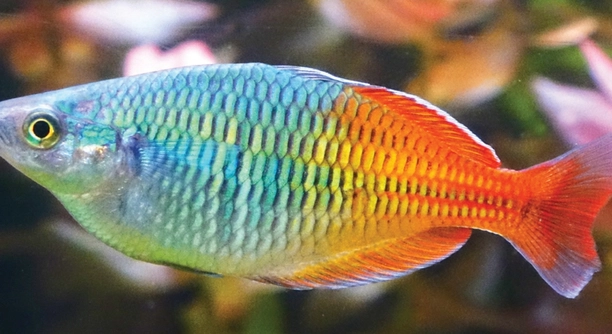
Rainbow fish are a popular choice for aquarium enthusiasts due to their colorful appearance and unique behaviors. However, there are many myths about these fish that can cause confusion for new owners. In this article, we’ll address some of these misconceptions.
Despite their beauty and popularity, rainbow fish are often misunderstood. Common myths about their care, diet, and behavior can mislead people into making mistakes. In reality, many of these beliefs are far from the truth, requiring correction.
Understanding the facts about rainbow fish is important for their proper care and well-being. By clearing up these misconceptions, you’ll be better equipped to enjoy their vibrant presence in your tank.
Myth 1: Rainbow Fish Need a Huge Tank to Thrive
Many believe that rainbow fish require large tanks to live comfortably. This myth comes from their size and activity level, making it seem like they need vast spaces. However, the truth is they can live happily in smaller tanks, as long as the water conditions are right and they are not overcrowded.
With proper tank maintenance and water quality, a tank as small as 20 gallons can accommodate a few rainbow fish. They do enjoy swimming, so a tank with plenty of horizontal space is ideal. It’s also important to provide them with hiding spots and plants to create a comfortable environment.
To keep your rainbow fish healthy, avoid overcrowding, and maintain consistent water parameters. Regular water changes and monitoring of temperature and pH are key to their well-being. While they are active swimmers, they don’t need excessive space to feel at home. A tank of appropriate size can support them for years to come.
Myth 2: Rainbow Fish Are Difficult to Care For
There’s a common belief that rainbow fish are hard to care for, but that’s not true. They are hardy fish that can adapt to a range of conditions when given the right environment.
Rainbow fish are known for being resilient, making them a great choice for beginners. They tolerate various water parameters, though they still need proper temperature control, a balanced diet, and clean water. Providing these essentials ensures their health and longevity.
Their diet is simple and easy to manage. A variety of high-quality pellets, flakes, and occasional live food will keep them thriving. They are also social fish and enjoy the company of others of their species, so it’s best to keep them in small groups. With attention to their basic needs, rainbow fish can be a low-maintenance addition to your tank.
Myth 3: Rainbow Fish Only Thrive in Freshwater
It’s often said that rainbow fish are strictly freshwater fish, but they can actually thrive in brackish water as well. While they are predominantly freshwater species, some types can adapt to slightly salty environments.
These fish are native to rivers and streams in Australia and New Guinea, where they experience a variety of water conditions. In captivity, many rainbow fish can live in slightly brackish water if needed. This flexibility helps them survive in various aquariums and even in ponds that may not always have perfectly fresh water.
It’s important to note, however, that sudden changes in salinity should be avoided. Consistent monitoring of salt levels and a gradual adjustment is key to keeping them healthy in brackish setups. If you’re unsure whether your rainbow fish will adapt, it’s best to stick to freshwater conditions and provide regular water changes.
Myth 4: Rainbow Fish Are Aggressive
Some people believe rainbow fish are aggressive, but they’re actually peaceful and social creatures. They typically get along well with other non-aggressive species, making them perfect for community tanks.
Rainbow fish tend to be calm and prefer to be in schools of their own kind. However, like many fish, they can become territorial or assertive when they’re stressed or overcrowded. It’s important to maintain a proper group size, usually at least five to six fish, to ensure they feel safe and secure. When kept in appropriate groups, they usually show minimal aggression.
When introducing rainbow fish to a new tank, ensure that their tank mates are compatible. Avoid keeping them with overly aggressive fish, as that can lead to stress and conflict. With the right tank setup, rainbow fish are peaceful companions that add vibrant colors without causing disruption.
Myth 5: Rainbow Fish Only Eat Live Food
A common misconception is that rainbow fish need live food to stay healthy. While they enjoy the occasional live food treat, they can thrive on a varied diet of high-quality flakes, pellets, and frozen food.
Rainbow fish are not picky eaters. They readily accept a range of food types, including flakes, pellets, and freeze-dried options. These fish are omnivores and will also nibble on algae or plant matter. Offering a variety ensures they get all the necessary nutrients without relying on live food.
Live food can be offered as a supplement, but it is not necessary for their health. A balanced diet will keep your rainbow fish vibrant and active.
Myth 6: Rainbow Fish Are Only for Experienced Aquarists
Rainbow fish are often thought to be difficult to care for, but they’re actually a great option for beginners. They are hardy, adaptable, and not too demanding, making them easy to maintain with the right care.
With a proper setup, consistent water quality, and a balanced diet, anyone can enjoy keeping rainbow fish. Their low-maintenance nature, combined with their peaceful behavior, makes them a great choice for novice hobbyists. As long as basic needs are met, rainbow fish can live long and healthy lives in your aquarium.
Myth 7: Rainbow Fish Lose Their Colors Over Time
It’s a common myth that rainbow fish will lose their vibrant colors as they age, but that’s not the case. Their colors may change with mood, lighting, and tank conditions, but they remain bright if kept in a healthy environment.
Rainbow fish are known for their striking, iridescent hues. To maintain their vibrant colors, it’s essential to provide a well-maintained tank with proper water parameters. Healthy water, good nutrition, and proper lighting all contribute to their colorful appearance. Poor conditions can cause colors to dull, but with the right care, they’ll stay as colorful as ever.
FAQ
What is the ideal water temperature for rainbow fish?
Rainbow fish prefer water temperatures between 72°F and 79°F (22°C to 26°C). Keeping the water within this range helps them stay active and healthy. If the temperature is too low or too high, they may become stressed, which can lead to health problems. It’s important to monitor the water temperature regularly using a reliable thermometer. A stable temperature, rather than fluctuations, is key to ensuring their well-being.
Do rainbow fish need a filter?
Yes, rainbow fish do need a filter. Like all fish, they rely on clean water to thrive. A filter helps to maintain good water quality by removing debris and toxins. It also provides gentle water movement, which rainbow fish enjoy. Be sure to use a filter that is appropriate for the size of your tank and the number of fish you have. Clean the filter regularly to prevent clogging and to keep the water oxygenated.
How often should I feed rainbow fish?
Rainbow fish should be fed once or twice a day, depending on their size and the type of food offered. It’s important to only feed them what they can consume in a few minutes to avoid overfeeding and water contamination. If they leave food uneaten, it can degrade water quality. A varied diet of flakes, pellets, and occasional live or frozen food will keep them healthy and satisfied.
What tank mates are best for rainbow fish?
Rainbow fish are peaceful and do well with other non-aggressive species. They are social creatures and prefer to live in groups of their own kind. Suitable tank mates include other peaceful fish like tetras, guppies, and corydoras catfish. Avoid keeping them with aggressive fish or species that are too small, as they might be stressed or even eaten. Make sure all your tank mates share similar water condition requirements to prevent any problems.
Do rainbow fish need a lot of plants or decorations?
Rainbow fish appreciate having some plants and decorations in their tank, though it’s not absolutely necessary. They enjoy swimming through plants and hiding in decorations, which helps them feel secure. Live plants also provide hiding spots and contribute to maintaining good water quality. However, too many decorations can reduce swimming space, so it’s important to maintain a balance. Simple plants like Java moss, Anubias, or Amazon sword are good options for their tank.
Can rainbow fish live with shrimp?
Rainbow fish can coexist with shrimp, but caution is needed. Rainbow fish are not aggressive, but they are curious and may nibble on smaller shrimp, especially the young ones. If you’re planning to keep both together, it’s best to choose larger shrimp species like Amano shrimp or ghost shrimp, as they are less likely to be eaten. Also, providing plenty of hiding spots for the shrimp can give them a safe place to retreat if needed.
How long do rainbow fish live?
Rainbow fish have a lifespan of about 5 to 8 years in an aquarium, provided they are well cared for. With proper water conditions, a balanced diet, and regular maintenance, they can live a long and healthy life. Keeping them in stable conditions and avoiding sudden changes in their environment will help them reach their full lifespan.
Are rainbow fish easy to breed?
Breeding rainbow fish can be a bit tricky, but it’s not impossible. To successfully breed them, you’ll need to provide the right conditions, including slightly acidic water (pH 6.5 to 7.0) and a breeding tank with plenty of plants. Rainbow fish are egg scatterers, so you’ll need to ensure the eggs don’t get eaten by other fish. It’s also helpful to separate the male and female before breeding, and then reintroduce them to encourage spawning. After the eggs are laid, remove the parents to prevent them from eating the eggs.
What size tank do rainbow fish need?
Rainbow fish don’t require excessively large tanks, but they do need enough space to swim freely. A 20-gallon tank is a good starting point for a small group of rainbow fish. Larger tanks provide more room for swimming and help keep water parameters stable. A 30 to 40-gallon tank is ideal for a larger group of rainbow fish. The more fish you have, the larger the tank should be to prevent overcrowding.
How can I tell if my rainbow fish is healthy?
Healthy rainbow fish are active, have vibrant colors, and swim freely in the tank. They should have smooth, intact fins and should not show any signs of illness such as lesions or discoloration. A healthy rainbow fish will eat regularly and interact with its tank mates. If you notice any changes in their behavior, such as lethargy, loss of appetite, or abnormal swimming patterns, it could be a sign of illness, and you may need to check water parameters or consult a vet.
Why are my rainbow fish not showing their full color?
Rainbow fish may not show their full colors if they are stressed or the water conditions are not ideal. They need stable water parameters, such as the right temperature, pH, and hardness, to maintain their vibrant colors. Stress factors like poor water quality, incompatible tank mates, or sudden changes in the environment can cause them to lose some of their brightness. Improving their living conditions should help bring back their natural color over time.
Final Thoughts
Rainbow fish are vibrant, hardy, and relatively easy to care for. They make a great addition to any freshwater aquarium, adding color and movement. While there are several myths about these fish, understanding their actual needs can ensure they thrive in your tank. They don’t require massive tanks, expensive live food, or brackish water, making them accessible for both beginners and more experienced aquarists. As long as their basic needs for clean water, stable temperature, and proper tank mates are met, rainbow fish can live a long, healthy life.
It’s also important to recognize the value of maintaining good water quality. Regular water changes, filtration, and monitoring of temperature are all essential parts of keeping rainbow fish healthy. Overcrowding and neglecting water parameters can lead to stress, which in turn can affect their health and behavior. A balanced diet that includes a variety of food types will help them stay active and colorful. These small actions can prevent many common issues and ensure that your rainbow fish remain as lively and beautiful as they are meant to be.
Finally, remember that rainbow fish are peaceful and social animals that enjoy being part of a group. Keeping a small school of these fish will help reduce stress and allow them to exhibit their natural behavior. By providing them with a proper environment, you’ll get to enjoy their beauty and charm for many years. With the right care, rainbow fish are not only a joy to watch but also a rewarding fish to keep in your aquarium.

Hello,
If you enjoy the content that we create, please consider saying a "Thank You!" by leaving a tip.
Every little bit helps us continue crafting quality advice that supports the health, happiness, and well-being of pets around the world, for pets of all shapes, sizes, and species.
We really appreciate the kindness and support that you show us!