
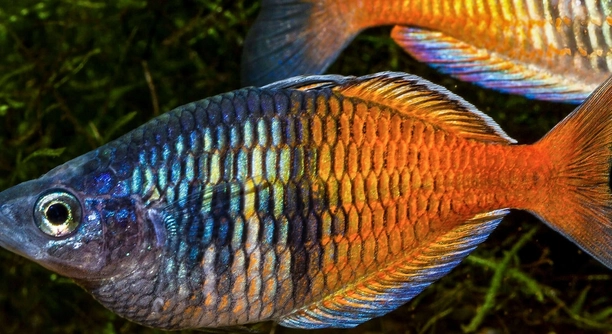
Rainbow fish are beautiful creatures, but they can show signs of stress that need attention. Understanding these signs can help you keep your fish healthy and happy. Watch for changes in their behavior and appearance.
Stress in rainbow fish often manifests through unusual swimming patterns, color fading, or refusal to eat. Common stressors include poor water quality, overcrowding, or incompatible tank mates. Addressing these issues promptly can restore your fish’s well-being.
Identifying stress in your rainbow fish early on can lead to quick fixes, ensuring their long-term health and comfort. Understanding these signs will help you create a peaceful environment for your fish.
Common Stressors for Rainbow Fish
Rainbow fish are sensitive to their environment, and several factors can cause stress. Poor water quality is often the primary issue, as these fish thrive in clean, well-maintained tanks. Ammonia, nitrite, or high nitrate levels can irritate their skin and gills, making it difficult for them to breathe or swim normally. Additionally, fluctuations in temperature can disrupt their metabolism, leading to lethargy or abnormal behavior. Overcrowding is another common problem; too many fish in a small space can lead to aggression and competition for resources. Incompatible tank mates can also stress your rainbow fish. Aggressive species may bully them, preventing them from feeding or resting properly. To maintain healthy rainbow fish, it’s crucial to monitor water parameters and tank conditions regularly.
A peaceful tank with adequate space and compatible fish species will reduce stress and promote a healthy environment for your rainbow fish.
By keeping your tank clean, checking water conditions, and ensuring a balanced community, you can prevent many stress-related issues. These actions create a comfortable space for your fish, helping them thrive.
How to Fix Stress in Rainbow Fish
Addressing stress in rainbow fish begins with improving their living conditions. Start by performing regular water changes to maintain cleanliness and stabilize the water parameters. The ideal water temperature for rainbow fish is between 72°F and 78°F, so using a reliable heater will help prevent temperature fluctuations. Adding a filtration system ensures that toxins like ammonia and nitrates are kept at safe levels. You should also monitor the pH levels, aiming for a slightly acidic to neutral range (6.5 to 7.5).
If overcrowding is an issue, reduce the number of fish in the tank to allow each one enough space to swim freely. Rainbow fish generally require at least 20 gallons of water per pair to feel comfortable. Keep an eye on their behavior, especially when introducing new fish. Some species, like bettas or certain cichlids, may cause unnecessary stress by being overly aggressive. Choosing compatible tank mates, such as peaceful tetras or other rainbow fish, can help keep stress levels low.
Creating a stress-free environment for your rainbow fish requires attention to water quality, space, and the right companions. By following these guidelines, you can help ensure that your fish stay healthy and stress-free.
Signs of Stress in Rainbow Fish
Rainbow fish under stress often exhibit changes in behavior, such as erratic swimming or staying at the bottom of the tank. These fish might also stop eating or show a lack of interest in their surroundings. Their color can fade, indicating a potential health problem.
In some cases, rainbow fish will swim near the surface, gasping for air, which suggests poor oxygen levels or water quality. They may also become skittish and easily startled. Stress can weaken their immune system, making them more susceptible to diseases. It’s essential to identify these signs early to prevent further complications.
If your fish exhibit any of these behaviors, check the water parameters immediately. Regular testing for ammonia, nitrate, and pH levels is essential. Addressing water quality issues, adding more plants for hiding, and reducing tankmate aggression can significantly reduce stress.
Water Quality and Stress
Maintaining proper water quality is crucial to preventing stress in rainbow fish. They are sensitive to changes in water parameters, and poor conditions can quickly lead to health issues. Regular water changes and a good filtration system are essential for keeping the tank environment stable.
Testing water for ammonia, nitrites, and nitrates helps ensure that harmful substances do not accumulate. These fish thrive in soft, slightly acidic to neutral water with a pH between 6.5 and 7.5. Temperature should remain between 72°F and 78°F, as fluctuations can cause stress.
If water quality is compromised, perform water changes and adjust your filtration system to improve the conditions. It’s important to monitor the tank consistently to prevent future issues. Clean water creates a healthy environment for your fish to thrive in without the added stress of poor conditions.
Overcrowding and Stress
Overcrowding can cause stress in rainbow fish, as they require space to swim freely. Too many fish in a small tank leads to competition for food and territory, increasing aggression. This results in weakened immune systems and heightened stress levels.
To prevent overcrowding, ensure your tank has sufficient space for each fish. Rainbow fish should have at least 20 gallons of water per pair. The more space they have, the less likely they are to feel stressed. Proper stocking density also allows better water quality control.
Tankmates and Compatibility
Tankmates can impact rainbow fish stress levels. Aggressive species or incompatible fish can cause anxiety and hinder natural behavior. Rainbow fish are peaceful by nature, so choose calm species, like tetras or peaceful livebearers, to keep the environment stress-free.
Ensure that new tankmates are compatible before adding them. Monitor interactions closely and remove any aggressive fish to prevent harm. Aggression from tankmates can lead to physical injury or cause fish to hide, disrupting their well-being. Creating a calm, compatible tank will reduce stress significantly.
Temperature Fluctuations
Rainbow fish are sensitive to temperature changes. Rapid fluctuations can cause stress, affecting their immune systems and overall health. Keeping a stable temperature within their ideal range of 72°F to 78°F ensures they remain active and healthy.
Using a reliable heater with a thermometer to maintain consistent warmth can prevent temperature-induced stress. Be mindful of seasonal temperature changes in your home that may affect the tank’s stability. A stable, warm environment helps rainbow fish maintain their natural behavior and prevents stress-related illnesses.
FAQ
What are the most common signs of stress in rainbow fish?
Rainbow fish exhibit several signs of stress, including erratic swimming, fading colors, and a lack of interest in food. They may swim near the surface or stay at the bottom of the tank. If your rainbow fish stop eating or seem lethargic, it’s a clear indicator that something is wrong. Additionally, they may appear more skittish than usual, easily startled by movements outside the tank. Keeping an eye on these behaviors will help you spot stress early and take action before it worsens.
How do I improve the water quality for rainbow fish?
To improve water quality, start by performing regular water changes. Aim for 25-30% of the water to be changed every week to keep harmful toxins from building up. It’s important to monitor the levels of ammonia, nitrites, and nitrates in the water, as these can quickly harm your fish. A filtration system can help remove debris and keep the water clear. Additionally, check the pH and temperature regularly, ensuring that both remain within the ideal range for rainbow fish—pH between 6.5 and 7.5 and temperature between 72°F and 78°F.
How can I prevent overcrowding in my rainbow fish tank?
Overcrowding can stress out rainbow fish, so it’s essential to provide enough space for each one. As a general rule, aim for 20 gallons of water per pair of rainbow fish. This gives them room to swim without feeling cramped. When adding new fish to your tank, make sure it has enough capacity to accommodate them. Avoid adding too many fish at once, and remember that a crowded tank can lead to poor water quality, which will further stress your fish.
Can rainbow fish live with other species?
Yes, rainbow fish can live with other species, but it’s important to choose tankmates carefully. They are peaceful fish that do best with other non-aggressive species. Good tankmates include peaceful tetras, livebearers, and other rainbow fish. Avoid species like bettas or cichlids that are known to be aggressive or territorial. Introducing new fish should always be done slowly, and it’s important to monitor interactions to ensure no aggression arises.
What temperature is best for rainbow fish?
Rainbow fish thrive in a stable temperature range of 72°F to 78°F. Temperatures outside this range can cause stress and impact their health. Too cold, and they can become sluggish; too warm, and their metabolism speeds up, making them more susceptible to disease. Use a reliable heater to maintain the temperature within this range and monitor it regularly with a thermometer. Stable water temperature is crucial for keeping your rainbow fish healthy and stress-free.
How often should I feed my rainbow fish?
Rainbow fish should be fed once or twice a day, but only as much as they can eat in a few minutes. Overfeeding can lead to poor water quality, which contributes to stress. Use high-quality fish food that meets their nutritional needs. A balanced diet should include both flakes and occasional treats like brine shrimp or bloodworms. Be mindful of their eating habits and adjust the amount of food accordingly to prevent uneaten food from decomposing in the tank.
Can rainbow fish survive in hard water?
Rainbow fish prefer soft to moderately hard water with a pH between 6.5 and 7.5. Hard water, especially if it contains high levels of calcium and magnesium, can stress them out and even cause long-term health issues. If your tap water is too hard, consider using a water conditioner or mix it with softer water. Regularly testing the water’s hardness will help ensure it remains within the acceptable range for rainbow fish.
What should I do if my rainbow fish is showing signs of illness?
If your rainbow fish shows signs of illness, such as fading colors, swelling, or abnormal swimming behavior, isolate it from the rest of the tank to prevent the spread of disease. Check water quality to rule out environmental factors. Depending on the symptoms, you may need to treat the fish with a medication that targets the specific illness. Always follow the instructions carefully when using medications and consider consulting a vet if the fish’s condition worsens.
How can I reduce stress caused by other tankmates?
Aggressive tankmates can cause rainbow fish stress by preventing them from eating, hiding, or swimming freely. To reduce stress caused by tankmates, choose species that are peaceful and have similar environmental needs. Adding plants, caves, or other hiding spots can provide rainbow fish with safe spaces to retreat if they feel threatened. If aggression becomes a problem, you may need to remove the offending fish or provide them with a separate tank to maintain harmony.
How can I help my rainbow fish recover from stress?
To help your rainbow fish recover from stress, first identify the source. Improve water quality by performing regular water changes and testing the water for ammonia, nitrates, and pH levels. If temperature fluctuations or overcrowding are an issue, adjust the environment to stabilize conditions. Adding plants or hiding spots can help the fish feel safer. Be patient, as recovery may take some time, and continue to monitor their behavior to ensure they return to their normal activity levels.
Final Thoughts
Maintaining a healthy environment for your rainbow fish is essential to their well-being. Stress can be caused by several factors, including poor water quality, overcrowding, and incompatible tankmates. By paying attention to these factors, you can help prevent stress and ensure that your rainbow fish thrive in their tank. Regular water changes, testing water parameters, and providing enough space for each fish are basic steps to keep your tank healthy.
It is also important to create a peaceful atmosphere in the tank. Rainbow fish are generally peaceful creatures, and they do best when housed with other non-aggressive species. Ensuring compatibility between your fish can reduce aggression, which, in turn, reduces stress. Additionally, providing plants, rocks, and hiding places can make your fish feel more secure, especially if they are in a tank with other fish. A well-designed tank setup can greatly improve the overall environment and contribute to your fish’s health.
Finally, always keep an eye on your fish’s behavior. If you notice any signs of stress, take action immediately. Stress in fish can lead to more serious health problems if not addressed. By keeping the water quality in check, reducing overcrowding, and offering appropriate tankmates, you create the best possible environment for your rainbow fish. With some care and attention, your fish can live a long and healthy life in your aquarium.

Hello,
If you enjoy the content that we create, please consider saying a "Thank You!" by leaving a tip.
Every little bit helps us continue crafting quality advice that supports the health, happiness, and well-being of pets around the world, for pets of all shapes, sizes, and species.
We really appreciate the kindness and support that you show us!