
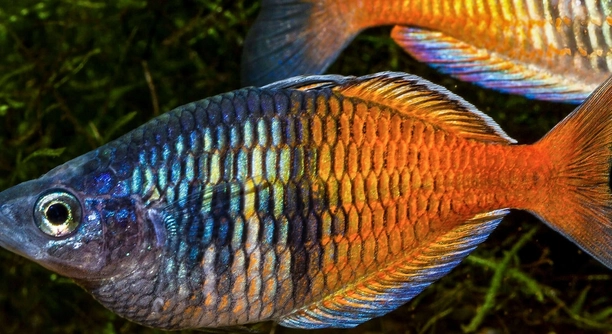
Rainbow fish are vibrant and social creatures that live in aquariums around the world. Observing their behavior can provide fascinating insights into how they interact with their tankmates. This raises an interesting question about their ability to recognize each other.
Rainbow fish can indeed recognize their tankmates. Studies show that they possess the ability to distinguish between familiar individuals based on visual and possibly chemical cues. This recognition helps maintain social bonds and hierarchy within their groups.
Understanding how rainbow fish interact with each other can enhance your experience in keeping them. Exploring their recognition abilities will provide valuable insights into their social structure and overall well-being in a shared environment.
How Rainbow Fish Recognize Each Other
Rainbow fish have a remarkable ability to identify their tankmates through visual and chemical cues. Their vibrant colors are not just for show—they help the fish recognize one another. They rely on a mix of factors, including their unique patterns, body shapes, and even scent. These cues allow them to navigate their social interactions, avoid conflicts, and establish a hierarchy within the group. In their natural habitats, these behaviors are crucial for survival and reproduction. In an aquarium setting, this recognition is equally important, as it helps the fish feel secure and reduce stress. Understanding this behavior can be beneficial for maintaining a healthy tank environment where the fish can thrive without unnecessary aggression.
Rainbow fish may also use scent and other chemical markers to identify familiar tankmates. This ability to recognize each other is especially significant in a crowded aquarium.
In addition to recognizing each other visually, rainbow fish are also sensitive to the presence of specific chemicals released by their tankmates. This chemical recognition strengthens the social bonds between individuals and helps them establish territories. Fish that are familiar with one another can maintain peaceful relationships and better share resources. Such behaviors are essential for maintaining the health and stability of a group of rainbow fish in an aquarium. If you notice your fish exhibiting signs of stress, it could be related to unfamiliar tankmates or an unstable social dynamic. Taking steps to ensure harmony in the tank can help foster better interactions among your fish, creating a healthier environment for them.
The Importance of Social Structure
Rainbow fish live in schools and rely on social structure for survival. Social bonds help the fish avoid predators, find food, and establish a healthy environment. They have a pecking order that keeps the group balanced. This hierarchy helps prevent aggression, as each fish knows its place. When fish are familiar with each other, they are more likely to get along peacefully. In an aquarium, this dynamic is key to preventing territorial disputes and creating a peaceful environment.
Creating a stable social structure in your aquarium is essential for rainbow fish to feel comfortable. Their ability to recognize each other makes it easier to establish harmony.
The social structure of rainbow fish also impacts their overall well-being. When fish can identify each other and recognize their place in the group, they experience less stress and are less likely to exhibit aggressive behaviors. In a tank with new or unfamiliar fish, rainbow fish may be more hesitant, leading to stress and even physical harm. This is why maintaining a consistent group of fish in an aquarium is important. It is also helpful to introduce new fish gradually, allowing them to get used to the existing group. The sense of security that comes with recognition can also influence breeding behavior, as rainbow fish are more likely to breed when they feel safe within their established social group.
How Recognition Affects Behavior
Recognition influences how rainbow fish interact with each other. The ability to identify their tankmates can prevent aggressive behavior. Fish that recognize one another are more likely to share space without conflict, leading to a healthier tank environment. This recognition helps them establish bonds and avoid unnecessary stress.
When rainbow fish are familiar with one another, they tend to be more social and less territorial. This reduces the risk of disputes and promotes better cooperation among the group. It also leads to more natural behaviors like swimming together, which is essential for their well-being. In a tank, this recognition makes it easier for the fish to establish a harmonious environment, ensuring that each fish feels secure and protected.
By recognizing one another, rainbow fish form a sense of trust within the group. The peaceful social environment benefits all members, as fish that are familiar with each other are less likely to challenge one another. This reduces stress and fosters a sense of security. The result is a more balanced ecosystem in the tank, where all fish coexist peacefully.
Factors That Influence Recognition
Fish use a variety of factors to recognize their tankmates. These include visual cues, like color patterns and body shape, as well as scent markers. Each fish has a unique combination of physical and chemical characteristics that makes it identifiable to others. These factors work together to help rainbow fish establish recognition among their group.
The most obvious factor is the rainbow fish’s vibrant coloration. Their colors and patterns act as a form of identification, similar to how animals use markings or smells in the wild. This makes it easier for the fish to identify each other visually, especially in a tank where light conditions can affect visibility. Along with visual cues, scent plays a major role in their ability to distinguish between familiar and unfamiliar individuals. The chemical markers released by each fish provide subtle signals that help them recognize one another even from a distance.
The combination of visual and chemical cues plays a critical role in the social dynamics of rainbow fish. Understanding these cues helps us appreciate how they maintain peaceful relationships and avoid conflicts. This intricate communication system allows the fish to form strong bonds, enhancing their overall health and well-being. When these signals are disrupted—such as when new fish are introduced too quickly—rainbow fish can become stressed, leading to aggression or withdrawal. Recognizing the importance of these factors can help aquarium owners create a more peaceful and stable environment for their fish.
The Role of Environment in Recognition
The tank environment can impact how rainbow fish recognize each other. Factors like water clarity, temperature, and the presence of plants can affect their ability to see and interact with their tankmates. A well-maintained tank supports their natural recognition abilities.
Clear water and stable conditions improve visibility, allowing fish to better identify each other through their color patterns and movements. Additionally, having a properly set-up tank with adequate space helps reduce stress, making it easier for the fish to maintain their social bonds. Providing hiding spots for fish to retreat when needed can also help create a balanced environment, preventing territorial disputes and ensuring that the fish feel secure.
The tank’s layout can either enhance or disrupt the fish’s ability to recognize each other. A well-arranged tank with natural structures like plants and rocks allows the fish to move freely while maintaining a sense of security. These structures serve as landmarks that help the fish navigate their environment and identify their tankmates. A cluttered or poorly designed tank, on the other hand, can create confusion, leading to increased stress or aggression. By considering the tank’s setup, you can ensure that the fish feel comfortable and able to engage in normal social behaviors.
Introducing New Fish
Introducing new fish to a tank can disrupt the social dynamics of rainbow fish. They may not immediately recognize newcomers, causing stress or aggression. Gradual introductions allow the existing fish to adjust to the new presence in their environment.
When introducing new rainbow fish, it’s important to do so slowly to avoid overwhelming the established group. A separate quarantine tank for new arrivals allows them to acclimate without immediately affecting the existing tankmates. This approach helps prevent aggression and provides time for the rainbow fish to become familiar with the new fish through sight and scent.
Social Bonding in Rainbow Fish
Social bonding plays a key role in the well-being of rainbow fish. They form strong relationships with other members of their group, which can positively influence their behavior and overall health. Healthy social bonds lead to reduced stress and more natural interactions.
In a group, rainbow fish develop a hierarchy that helps prevent aggressive behavior and ensures that each fish knows its role. This social structure provides a sense of security, as the fish are less likely to feel threatened. Social bonding also improves their chances of survival in the wild, where groups can work together to avoid predators and find food. In an aquarium, understanding these bonds can help you foster a more harmonious environment by ensuring that fish feel comfortable and connected.
FAQ
How do rainbow fish recognize each other?
Rainbow fish recognize each other primarily through visual cues, such as unique color patterns and body shapes. They also rely on chemical markers, or scents, that each fish releases, helping them identify tankmates. This combination of visual and chemical recognition ensures that they can distinguish familiar fish from newcomers.
Can rainbow fish remember their tankmates?
Yes, rainbow fish can remember their tankmates. Once they have established recognition through visual and chemical cues, they are able to maintain these bonds over time. Their memory helps them navigate social structures within the group and reduces aggression, as they can differentiate familiar individuals from strangers.
What happens if rainbow fish don’t recognize each other?
If rainbow fish cannot recognize each other, it can lead to increased stress and aggression. They may treat unfamiliar tankmates as threats, which can result in territorial disputes or other aggressive behaviors. This disruption in social structure can negatively affect their well-being and the overall balance of the aquarium.
How can I improve social interactions between rainbow fish?
To improve social interactions, it’s important to ensure that your rainbow fish feel secure in their environment. Provide enough space for each fish to establish its own territory, and include plenty of hiding spots to reduce stress. Maintaining clear water and consistent water conditions will help enhance their ability to recognize each other. Introducing new fish gradually will also ease the transition and prevent disruptions in the group dynamic.
Do rainbow fish fight when they don’t recognize each other?
Yes, rainbow fish may fight when they don’t recognize each other. This is especially common when new fish are introduced into a tank too quickly. The unfamiliar fish may be perceived as a threat, leading to territorial disputes and aggression. Gradually introducing new fish allows them to become familiar with each other, reducing the likelihood of conflict.
Can rainbow fish distinguish between species?
Rainbow fish are capable of distinguishing between different species. They are more likely to recognize other rainbow fish of the same species due to their similar color patterns and body shapes. However, they can also identify other fish species in the tank by visual differences and scent markers. Their ability to distinguish species helps them maintain social structure and avoid unnecessary conflicts.
How important is tank layout for rainbow fish recognition?
The layout of the tank plays a significant role in rainbow fish recognition. A well-planned tank with plenty of hiding spots, plants, and decorations can help reduce stress and support natural behaviors. Proper tank design allows fish to recognize their tankmates by providing landmarks that they associate with their social bonds. A crowded or poorly arranged tank, however, can cause confusion, leading to increased stress and aggression.
Do rainbow fish have a hierarchy?
Yes, rainbow fish often establish a hierarchy within their group. This social structure helps prevent excessive aggression, as each fish understands its role. The dominant fish will have priority access to resources, while the subordinate fish will generally avoid confrontation. This hierarchy provides stability and reduces stress among tankmates.
How can I tell if my rainbow fish are stressed?
Stressed rainbow fish may exhibit several signs, such as erratic swimming, hiding more than usual, or becoming more aggressive. They might also display faded colors or lose their vibrant hues. Stressed fish may avoid interacting with others or become less active overall. Maintaining proper tank conditions, like clear water and consistent temperature, can help reduce stress and improve their behavior.
Can rainbow fish recognize humans?
Rainbow fish can recognize their owners. While they may not form bonds in the same way they do with other fish, they can learn to associate their human caretakers with feeding time. Over time, they may swim toward the surface when they see you, expecting food or attention.
Do rainbow fish need to be kept in groups?
Yes, rainbow fish are social creatures that thrive in groups. Keeping them in groups helps them feel secure and reduces stress. When kept alone, they may become more territorial and stressed. A group provides a natural social structure, allowing them to establish bonds and avoid aggression.
How does tank size affect rainbow fish recognition?
Tank size is important for rainbow fish recognition. A larger tank provides more space for fish to establish territories and avoid conflict. In a cramped tank, fish may feel threatened, and their ability to recognize each other can be hindered by limited space. Ensuring that your tank is appropriately sized will allow the fish to interact more naturally and reduce stress.
Can rainbow fish recognize their reflection?
Rainbow fish can recognize their reflection, especially if they see it often. They may initially react to their reflection as if it were another fish, sometimes displaying aggressive behavior. Over time, they may become less reactive to their reflection as they learn it poses no real threat. However, frequent exposure to reflections can cause stress, so it’s best to minimize them in the tank.
How long does it take for rainbow fish to recognize each other?
Rainbow fish usually begin recognizing each other within a few days to a week after being introduced. The process is faster when the fish are housed in a stable, stress-free environment with clear water and plenty of space. Once they’ve identified each other through visual and chemical cues, the recognition becomes a long-lasting bond.
Can rainbow fish live with other species?
Rainbow fish can live with many other species, as long as the other fish are peaceful and share similar environmental needs. However, aggressive species or fish with vastly different water requirements should be avoided. It’s important to consider the temperament and tank conditions of potential tankmates before introducing them.
Do rainbow fish display aggression toward each other?
Rainbow fish may display some aggression toward each other, especially if they are establishing a hierarchy. However, they are generally peaceful and will usually avoid unnecessary conflict. Aggression is more likely to occur if the fish feel threatened or if tank conditions are not optimal. Ensuring enough space and proper tank conditions can minimize aggression.
How can I tell if my rainbow fish are forming bonds?
When rainbow fish form bonds, they will often swim together and engage in social behaviors. They may follow each other, display synchronized movements, or remain close during feeding times. These behaviors indicate that the fish recognize each other and have developed social connections within the group.
Final Thoughts
Rainbow fish are social creatures that rely on both visual and chemical cues to recognize their tankmates. Their ability to identify each other helps maintain a harmonious environment within the aquarium. This recognition is important for their well-being, as it reduces stress and promotes natural behaviors. Without proper recognition, rainbow fish may experience confusion, aggression, and stress, which can affect their health and the balance of the tank. Understanding how they interact with one another and the environment can help aquarium owners create a setting that supports their social needs.
A well-maintained tank is essential for ensuring rainbow fish can effectively recognize and interact with each other. Factors such as clear water, proper temperature, and adequate space play a significant role in this process. The tank layout is also crucial; providing hiding spots and allowing enough room for the fish to establish their territories can reduce aggression and stress. Introducing new fish gradually, as opposed to all at once, allows rainbow fish to adjust and accept newcomers without disrupting the social structure. These factors, when properly managed, contribute to a stable and stress-free environment where rainbow fish can thrive.
By understanding how rainbow fish recognize each other and the importance of social bonds, aquarium owners can ensure their fish remain healthy and content. Creating a stable, well-organized environment not only enhances the fish’s ability to recognize their tankmates but also promotes natural social behaviors. This, in turn, can improve their overall well-being and create a peaceful aquarium. While the recognition process may seem simple, the key to maintaining healthy rainbow fish lies in carefully managing the environment and tank dynamics to support their social needs.

Hello,
If you enjoy the content that we create, please consider saying a "Thank You!" by leaving a tip.
Every little bit helps us continue crafting quality advice that supports the health, happiness, and well-being of pets around the world, for pets of all shapes, sizes, and species.
We really appreciate the kindness and support that you show us!