
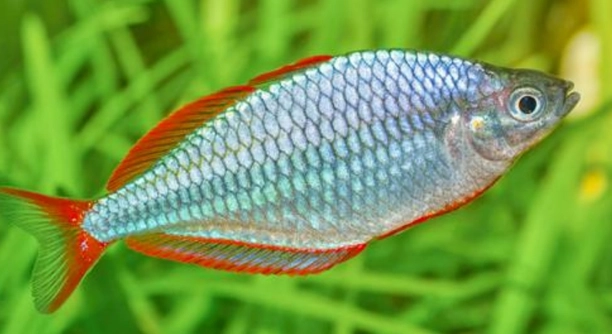
Rainbow fish are known for their stunning, bright colors, but have you ever wondered why they flash such vibrant hues? Understanding the reasons behind this fascinating behavior reveals much about the fish’s life and environment.
Rainbow fish flash bright colors as a form of communication and adaptation. These color displays help them attract mates, assert dominance, or blend into their surroundings. The ability to change color also plays a role in avoiding predators.
The reasons behind rainbow fish’s colorful displays are intriguing and varied. There is much more to discover about how they use their vibrant hues to survive and thrive.
Colorful Displays for Mate Attraction
Rainbow fish often use their bright colors to attract potential mates. During mating seasons, males tend to show off their most vibrant colors to stand out. The brightness of their scales signals their health and genetic fitness, making them more appealing to females. Females are naturally drawn to these displays as a sign of a good mate. In addition, the intensity of the color changes can help males assert their dominance over rivals, ensuring the best genes are passed on. This colorful display is essential for their reproductive success.
Their vivid hues make it clear to others which fish is the strongest and most capable of ensuring survival in the wild. Bright coloration in these fish is an indicator of physical fitness and a healthy environment. A rainbow fish’s colors also reflect its readiness to breed, making them a critical part of their reproductive strategy.
Such visual signals go beyond beauty, affecting mating success and ensuring the continuation of their species in the long term.
Communication with Bright Colors
Rainbow fish also use their colors to communicate with one another. They can adjust their hues to signal different emotions or states, such as fear or excitement. By changing their color patterns, they can convey important messages, whether it’s a warning to others about predators or a way to communicate with nearby schools of fish. The ability to express emotions through colors helps them navigate their environment and stay connected with their group. This form of communication is crucial for maintaining social bonds and ensuring safety in their underwater world.
Camouflage and Protection
Rainbow fish use their vibrant colors to blend into their surroundings. Their ability to change hues helps them hide from predators, blending with the environment like a chameleon. These color shifts occur quickly, providing a valuable survival mechanism. By mimicking the colors of plants, rocks, or other aquatic life, they avoid being detected. In environments with varying light, rainbow fish can adjust their tones to better match the landscape. This ability to adapt their appearance allows them to evade threats, ensuring their safety in the wild.
Camouflage is an essential tactic for avoiding predators. When a predator approaches, the rainbow fish may change color to mimic the textures around them. The bright flashes of color can confuse or mislead predators, helping the fish make a quick getaway. The variety of colors they can display gives them several options for protection.
While their primary use of colors is for mating or dominance, camouflage is an equally important survival strategy. Their skill at adapting to their surroundings ensures they thrive in a variety of environments.
Social Structure and Hierarchy
Bright colors in rainbow fish also play a role in their social structure. Males often use their vibrant displays to assert dominance within a group. The most brightly colored fish are typically the leaders, while the duller-colored individuals are often subordinates. This system helps maintain order and reduces conflict within their social groups. The dominance hierarchies among these fish are based on their color displays, ensuring that the strongest individuals hold the most influence.
In some species, rainbow fish may even change colors depending on their rank. A fish that is asserting dominance might flash its brightest hues, while a subordinate might dull its colors as a sign of submission. This signaling system helps them navigate complex social interactions without physical confrontations.
Through this use of color, rainbow fish can effectively communicate their status and avoid unnecessary aggression. Their social structure is highly dependent on visual cues, making color an essential part of their behavior and interactions.
Health and Vitality Indicators
Rainbow fish use their colors as indicators of their health. When they are stressed or unwell, their colors often fade or become less vibrant. This change in color serves as a warning sign to other fish or to potential mates. Bright, vivid colors are typically associated with good health, signaling that the fish is in prime condition. The brighter the colors, the more likely the fish is to be chosen as a mate.
Color fading can also indicate poor water conditions or physical issues. This serves as a natural feedback loop, alerting their environment to potential problems. The relationship between color vibrancy and health is crucial in their survival.
By showing their colors, rainbow fish not only attract mates but also communicate their overall fitness to their community. This visual cue is a quick way for others to assess their condition.
Environmental Adaptability
Rainbow fish can adjust their color patterns based on their environment. In bright, sunny areas, they may display more vivid colors, while in darker, murkier waters, their colors may be more subdued. This adaptability ensures that they can thrive in different habitats, from shallow waters to deeper, shadowy areas. They are skilled at adjusting their appearance to suit the conditions around them.
Being able to change color also helps them maintain their camouflage, as their surroundings can vary greatly in terms of light and texture. This ability enhances their survival in both natural and changing environments. The more adaptable they are, the more likely they are to avoid predators and find food.
Energy Conservation
Rainbow fish also use their colors to conserve energy. When they are in a relaxed state, their colors tend to be more muted. This helps them blend in with their surroundings, allowing them to rest without the added energy cost of maintaining bright displays. Bright colors are typically used during active times, such as mating or defending territory.
By switching to less intense colors when not needed, they conserve energy. This helps them stay alert and prepared for any sudden threats. Their ability to manage their color displays based on their needs shows how efficiently they navigate their environment.
FAQ
Why do rainbow fish change colors?
Rainbow fish change colors for various reasons, including communication, mate attraction, and camouflage. During mating seasons, males display brighter colors to attract females. They also change colors to signal their health, status, and emotional state. The ability to adjust their colors helps them blend into different environments, protecting them from predators.
Can rainbow fish lose their color?
Yes, rainbow fish can lose their color. Stress, poor water quality, or health issues can cause their colors to fade. A decrease in their vibrant hues often signals that something is wrong in their environment. Maintaining good water conditions and reducing stress factors helps keep their colors vibrant.
How do rainbow fish use color to communicate?
Rainbow fish use their colors to communicate their emotional state, territorial claims, or social rank. For example, males display brighter colors to assert dominance or attract mates, while fish in a submissive role may show duller colors. Color changes are a non-verbal way of expressing dominance, fear, or relaxation.
Do rainbow fish change colors at night?
Rainbow fish are more likely to dull their colors during the night or when they are at rest. The darker environment helps them conserve energy, as bright colors can be a signal of alertness or activity. They also use this time to blend in with their surroundings to avoid potential threats.
Can rainbow fish’s colors help them avoid predators?
Yes, rainbow fish use their colors for camouflage to avoid predators. In murky or shaded waters, they often change their colors to blend with their environment, making it harder for predators to spot them. This ability to adapt their hues based on their surroundings is an important survival tactic.
How do rainbow fish’s colors impact their social life?
The colors of rainbow fish play a significant role in their social interactions. Brighter colors typically indicate a healthier, more dominant fish, while dull colors may signal submission or poor health. Males often use bright displays to attract mates or defend territory. These visual signals help maintain a social structure within the fish group.
Can rainbow fish’s colors be used to determine their age?
Rainbow fish do not typically change color as they age, but their colors may become more muted as they get older or less healthy. Younger fish tend to have brighter, more vibrant hues, which gradually dull as they age, especially if their health declines. However, age is not the main factor behind color changes; health and environmental conditions play a larger role.
Are there specific environmental factors that influence their color changes?
Yes, environmental factors like water temperature, light, and habitat conditions can all influence rainbow fish’s color changes. For example, in bright, well-lit areas, their colors become more vivid to attract mates or signal health. In darker, cooler conditions, they may adopt duller colors to blend into their surroundings and conserve energy.
Can rainbow fish change their color to match other fish?
Rainbow fish can change their color patterns to blend with their surroundings but do not typically change to match other fish species. They may adjust their colors to avoid predators or match the background, but they do not mimic other species as a form of camouflage.
How does the breeding season affect their color?
During the breeding season, male rainbow fish display brighter colors to attract females. This is a sign of fitness and health. Females are more likely to choose mates with the most vibrant colors, as this signals that the male has strong genes and is in good condition. The bright colors help males stand out during the competition for mates.
Can rainbow fish’s colors change in response to stress?
Yes, stress is one of the most common factors that can cause rainbow fish to lose their vibrant colors. When they feel threatened or are exposed to poor water conditions, their colors often fade or become muted. This reaction is their way of conserving energy and avoiding detection by predators. Reducing stressors and maintaining a stable environment can help restore their colors.
Do rainbow fish have a natural predator?
Rainbow fish are preyed upon by various larger fish, birds, and aquatic animals. Their color-changing abilities help them avoid being seen by predators. By blending into their environment or flashing their colors to confuse predators, rainbow fish increase their chances of survival. Their adaptability is crucial in avoiding danger in their natural habitats.
Are rainbow fish solitary or social?
Rainbow fish are generally social animals. They tend to live in groups, known as schools, which help protect them from predators. Within these groups, colors play a role in establishing dominance and social hierarchy. Fish with more vibrant colors are often more dominant in their schools, while others may adopt duller colors to avoid conflict.
Do rainbow fish need special care to maintain their color?
Rainbow fish do not require special care to maintain their color, but their environment plays a significant role in how vibrant their hues are. Good water quality, proper diet, and a stress-free environment help keep their colors bright. Poor conditions such as overcrowding, inadequate filtration, or lack of nutrients can cause their colors to fade.
Can rainbow fish change their color instantly?
Rainbow fish can change their colors relatively quickly, although not instantaneously. The color change typically happens within a few minutes to an hour, depending on their environment and emotional state. These changes are controlled by pigments in their skin, which respond to external stimuli like light, temperature, and stress.
Final Thoughts
Rainbow fish are fascinating creatures with vibrant colors that serve many purposes. These colors are not only beautiful to look at but are also crucial for their survival. Whether it’s attracting a mate, signaling their health, or blending in with their surroundings, the colors of rainbow fish have a deep, functional role in their lives. Their ability to change colors based on environmental factors, emotions, and health is a remarkable feature that helps them adapt and thrive in various conditions. Understanding how and why these fish flash their colors gives us a better appreciation for their complexity and the roles these displays play in their daily lives.
Maintaining a healthy environment for rainbow fish is essential to ensuring they can show off their best colors. Poor water quality, stress, and lack of proper care can lead to dull or faded hues, signaling potential health issues or discomfort. Keeping their environment stable, with clean water, appropriate temperatures, and plenty of space, helps them maintain their natural beauty. This is not only important for their health but also for their well-being. When rainbow fish are in the right conditions, their colors remain vibrant, and they live longer, happier lives.
In conclusion, rainbow fish are more than just colorful aquarium additions; their changing colors are a reflection of their interactions with the world around them. By understanding how they use their colors for communication, survival, and health, we gain a deeper respect for their abilities. These fish show us the importance of adapting to one’s environment and the significance of non-verbal communication. Whether you’re a fish owner or simply an admirer of aquatic life, observing rainbow fish can offer insights into the fascinating world of nature’s adaptations.

Hello,
If you enjoy the content that we create, please consider saying a "Thank You!" by leaving a tip.
Every little bit helps us continue crafting quality advice that supports the health, happiness, and well-being of pets around the world, for pets of all shapes, sizes, and species.
We really appreciate the kindness and support that you show us!