
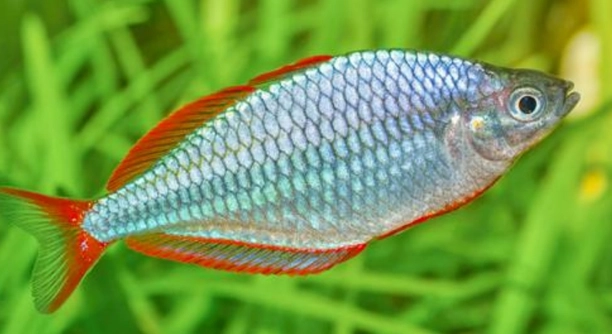
Do your rainbow fish sometimes act aggressively, causing stress and confusion in your carefully arranged tank community? It can feel frustrating when harmony suddenly shifts to tension among your aquatic pets.
Bullying in rainbow fish tanks is usually caused by environmental stressors, overcrowding, lack of hiding spots, dominance behaviors, or incompatible species. Addressing these common issues helps restore peace and reduces aggressive interactions among your fish.
From territory problems to poor tank design, each reason has a simple fix that can bring balance back to your aquarium.
Territorial Behavior Among Males
Rainbow fish often become aggressive when they feel the need to protect their space. This is common in male rainbow fish, especially in smaller tanks with limited swimming areas. If there aren’t enough boundaries or natural breaks in the tank layout, males may begin to chase or nip at each other to establish dominance. This kind of bullying can escalate quickly if not addressed, leading to constant stress and even injury. To reduce this behavior, create more visual barriers using plants, driftwood, or decorations. A longer tank also helps by allowing them to claim separate spaces.
Male rainbow fish are naturally competitive, especially during mating periods. A lack of space or too many males together can trigger aggression and chasing behaviors.
Spacing out hiding areas and reducing male-to-male competition can calm things down. Ensuring a balanced male-to-female ratio also helps prevent aggressive displays and keeps the tank more peaceful overall.
Overcrowding in the Tank
Overcrowding is one of the fastest ways to cause stress in a rainbow fish tank. When too many fish are placed in a limited space, natural swimming patterns get disrupted, and aggressive behavior becomes more common. Fish that are normally peaceful may start defending areas they wouldn’t usually claim. On top of that, overcrowding can lead to poor water quality, increasing anxiety and weakening immune systems. This makes fish even more reactive and sensitive to changes. It’s best to follow the general rule of one inch of fish per gallon of water. For rainbow fish, which are active swimmers, consider giving them even more room. Adequate filtration and regular maintenance also support a balanced, low-stress environment. Choosing tank mates carefully based on size and temperament can further reduce stress levels and avoid unnecessary conflict. When everyone has space to move and rest, there’s less need for aggressive posturing or bullying.
Lack of Hiding Spots
When rainbow fish have nowhere to retreat, stress builds up quickly. Hiding spots give them a sense of security and reduce direct confrontations. Without enough cover, they’re more likely to lash out or become targets of constant chasing.
Adding natural-looking hiding places can make a big difference. Plants, caves, rocks, and driftwood all help create private zones within the tank. These breaks in sightlines let fish rest or escape from more dominant tank mates. In a busy or active setup, shy or smaller fish especially benefit from these additions. Not every fish will use them all the time, but having options spreads out the activity and keeps interactions balanced. You don’t need to overcrowd the tank with décor—just focus on variety and placement. Tall plants at the back and lower ones near the front help layer the tank and give everyone space to move safely.
Creating a more structured layout also helps reduce tension. Open tanks without structure often encourage chasing and leave weaker fish exposed. Group decorations in clusters rather than spreading everything out evenly. This allows fish to retreat fully instead of constantly being visible. With thoughtful arrangement, you can minimize stress, encourage healthier behavior, and keep your rainbow fish more relaxed overall.
Incompatible Tank Mates
Rainbow fish are fast swimmers and do best with others that can match their energy. Placing them with slow or timid species may lead to bullying. Choose tank mates with similar activity levels and compatible temperaments.
Peaceful but active community fish like danios, rasboras, or certain tetras work well with rainbow fish. Avoid pairing them with slow-moving fish that can’t keep up or aggressive types that will fight back. Matching behavior types is more important than size alone. Also, make sure the tank is large enough to support mixed groups without overcrowding. Sudden darting or territorial fish may react poorly when rainbow fish are active. Watch interactions closely when introducing new species. If any fish is constantly hiding, getting chased, or showing damaged fins, adjustments may be needed. It’s not always about removing fish—sometimes rearranging décor or separating certain individuals can ease the situation and make the environment safer for everyone.
Poor Male-to-Female Ratio
Too many males in a tank can cause constant chasing and showy behavior. Without enough females to spread attention, males compete and become aggressive. This often leads to stress, fin nipping, and disrupted group behavior within the tank.
A good ratio is at least two females for every male. This keeps competition low and helps maintain a more balanced environment. When there’s not enough female presence, the tank becomes high-strung and unstable, which affects the whole group.
Changes in Tank Environment
Sudden changes in temperature, lighting, or layout can confuse and stress rainbow fish. Stress increases tension and triggers aggressive behavior, especially in tanks that already have issues with hierarchy. Always make changes gradually, whether it’s shifting décor, adjusting lighting cycles, or introducing new fish. Try to keep feeding schedules and tank maintenance regular, as consistency helps reduce anxiety. Even small shifts like water chemistry changes or noisy environments outside the tank can lead to mood swings and irritation. A stable and quiet space allows rainbow fish to behave more naturally, which helps reduce bullying over time and supports healthier group dynamics overall.
Boredom or Lack of Stimulation
Rainbow fish are active and intelligent swimmers. Without enough to explore or interact with, they may become restless and start bullying weaker fish.
FAQ
Why do rainbow fish bully each other?
Rainbow fish bully each other primarily due to territorial behavior, overcrowding, or stress. Males may fight over territory or mating opportunities, especially when there are not enough females. Lack of hiding spots and space can also contribute to aggression. When fish don’t have room to swim freely or places to retreat, bullying becomes a common behavior. The stress from not feeling secure in their environment triggers defensive actions and competitive behavior, leading to fights or chasing.
How can I reduce bullying among rainbow fish?
To reduce bullying, ensure there’s enough space and hiding spots in the tank. Create a more structured layout with plants, rocks, and decorations that break up sightlines. Adding more females to the tank helps balance male competition and reduces aggressive behavior. Also, maintaining stable water conditions and ensuring proper filtration can alleviate stress. If bullying persists, consider separating overly aggressive individuals or re-evaluating tank mates.
Can rainbow fish live peacefully with other species?
Rainbow fish can live peacefully with other species as long as they are compatible. They thrive with active, peaceful fish that share similar water and tank conditions. Avoid pairing rainbow fish with slow-moving or overly aggressive species. Good tank mates include danios, tetras, and rasboras. Fish with similar energy levels and peaceful temperaments work best.
How do I know if my rainbow fish are stressed?
Stressed rainbow fish show signs like erratic swimming, loss of color, hiding, or fin clamping. They may also become aggressive or lethargic. If your fish are constantly hiding or avoiding interaction, they could be experiencing stress. Pay attention to their eating habits as well—stress can cause fish to stop eating. Water quality, temperature, and compatibility with tank mates are key factors to monitor when assessing stress levels.
Is it normal for male rainbow fish to chase each other?
Yes, it’s normal for male rainbow fish to chase each other, especially when they’re establishing dominance or competing for mates. However, persistent chasing that leads to injury or constant stress is not healthy. You can reduce this behavior by adjusting the male-to-female ratio, providing hiding spots, and increasing tank space.
How much space do rainbow fish need?
Rainbow fish need plenty of space to swim. A tank of at least 30 gallons is ideal for a small group. The more fish you add, the larger the tank should be. Overcrowding stresses fish and leads to aggression, so make sure your tank provides enough swimming area for each fish to claim territory without feeling trapped.
Can I add more rainbow fish to my tank?
Adding more rainbow fish can be a good idea as long as your tank has enough space. However, make sure to maintain a balanced male-to-female ratio to reduce aggression. Adding too many males can cause stress and territorial disputes. Also, be mindful of tank capacity—overcrowding is a common reason for bullying.
What should I do if I see bullying in my rainbow fish tank?
If bullying occurs, start by observing the aggressors and their behavior. Ensure there are enough hiding spots and that the tank isn’t overcrowded. If the aggression persists, you may need to remove the bully temporarily or rearrange the tank to disrupt established territories. In some cases, rehoming the aggressive fish may be necessary.
Do rainbow fish need hiding spots?
Yes, rainbow fish benefit from having hiding spots. These provide security and help reduce stress, especially for timid or smaller fish. Hiding places can also help reduce bullying, as they give fish a place to retreat if they feel threatened. Adding plants, caves, or rocks will create more secure spaces in the tank.
How can I prevent bullying from becoming a serious issue?
To prevent bullying, ensure your tank is well-planned with enough space, hiding spots, and proper tank mates. Regularly monitor water conditions and make adjustments as needed. Avoid overcrowding and balance the male-to-female ratio to prevent dominance behavior. With careful management, bullying can be minimized and the fish will live more harmoniously.
Final Thoughts
Understanding the causes of bullying in rainbow fish tanks is crucial to creating a healthy and peaceful environment for your fish. By paying attention to factors like tank size, male-to-female ratios, and the number of hiding spots, you can minimize aggression. Rainbow fish are beautiful and lively creatures, but without the right setup, they can become stressed or territorial. Providing enough space and security for your fish not only helps them thrive but also prevents bullying behaviors that can harm the overall health of the tank. With a little planning, you can create a more harmonious environment where all your fish can live comfortably.
One of the simplest ways to reduce bullying is to ensure that your tank is well-decorated and spacious. Hiding spots and plants offer fish places to retreat and relax, especially when feeling threatened. In addition, maintaining a balanced male-to-female ratio is essential to avoid over-competition. Stress and aggression often result from a lack of these basic needs, leading to a negative atmosphere within the tank. Adding more females and reducing the number of males can prevent constant chasing and dominance struggles. Be mindful of the species you choose to add to the tank, as compatibility plays a large role in minimizing conflict.
While bullying can seem like a natural behavior among rainbow fish, there are many steps you can take to manage and reduce it. Regular water changes and consistent tank maintenance also help reduce stress and keep your fish healthy. Every fish has its own personality, and some may be more aggressive than others. Monitoring their behavior and responding with proper care ensures that all your rainbow fish, as well as other species in the tank, remain calm and stress-free. With time and patience, you can create a peaceful, thriving aquarium environment that is beneficial for all.

Hello,
If you enjoy the content that we create, please consider saying a "Thank You!" by leaving a tip.
Every little bit helps us continue crafting quality advice that supports the health, happiness, and well-being of pets around the world, for pets of all shapes, sizes, and species.
We really appreciate the kindness and support that you show us!