
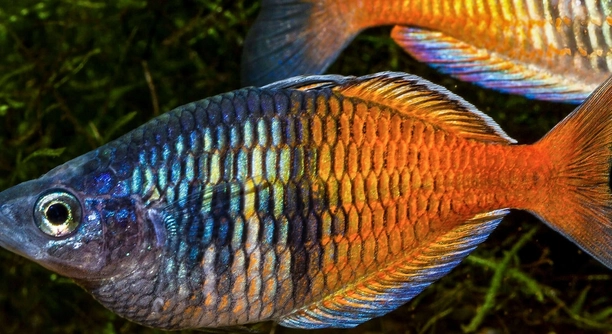
Have you ever checked on your rainbow fish only to find them looking pale, still, or acting strangely in the tank?
Rainbow fish can recover from shock if the cause is identified and corrected quickly. Proper water conditions, gentle handling, and a stress-free environment are essential for giving the fish a chance to regain normal behavior and health.
Understanding what causes stress and how to support recovery can make a big difference in your rainbow fish’s overall well-being.
Signs Your Rainbow Fish Is in Shock
Shock in rainbow fish can happen quickly, often after a water change, tank cleaning, or sudden temperature drop. The fish may become pale, stop swimming, or stay at the bottom of the tank. Breathing might become rapid, and they may ignore food. These are all signs that something is wrong. Rainbow fish are usually active and colorful, so if you notice a dramatic change in their behavior or appearance, it’s important to act fast. Stress can lead to shock, and without quick care, it can be harmful. Watching your fish closely and understanding their normal behavior can help you spot changes early. It’s also helpful to think back to any recent tank changes. Sudden events like moving the fish or adding cold water might be what triggered the stress. Keeping a stable environment is key to keeping rainbow fish healthy and preventing shock in the first place.
Quick response is critical when your rainbow fish shows signs of stress or shock. Waiting too long can reduce the chance of recovery.
Always check water temperature, ammonia, nitrite, and nitrate levels first. Make sure the tank isn’t too bright or noisy. A quiet, stable space helps reduce stress and gives your fish the best chance to recover.
How to Help a Rainbow Fish Recover
Start by testing the water immediately. High ammonia or a sudden change in temperature often causes shock. Fix any problems without making the environment more stressful. Keep the tank quiet and dim to help the fish calm down.
Give your rainbow fish time and space to adjust. Avoid feeding them for the first few hours after shock symptoms appear, as eating can add stress. If they do begin to swim more normally, you can offer small amounts of food after 12–24 hours. Make sure the tank is not overcrowded, and remove any aggressive tank mates if possible. Use a water conditioner if chlorine or heavy metals are suspected. A small dose of aquarium salt may help, but only if it’s safe for your specific tank setup. Don’t rush things. It can take a few days for your fish to fully recover. Keep monitoring their behavior, and don’t make any other changes during this time. With calm care and a stable tank, your rainbow fish can regain its health.
Common Causes of Shock in Rainbow Fish
Shock usually comes from sudden changes in the tank. Cold water, strong chemicals, or aggressive tank mates are common causes. Even loud noises or tapping the glass can lead to stress that triggers a shock response in rainbow fish.
One major cause of shock is rapid water changes, especially if the new water is colder or has different pH levels. Always test the water before doing a change and match the temperature closely. Poor water quality is another issue—ammonia, nitrites, and nitrates can spike quickly and stress your fish. Handling them too roughly or netting them often can also lead to shock. A peaceful environment is important. Make sure your tank setup is stable and predictable. Fish need calm surroundings, just like people do. If you have recently moved decorations or changed the filter, these small changes might also be enough to affect your fish.
Another reason rainbow fish may go into shock is the presence of incompatible tank mates. Some fish may chase or nip, creating stress that builds over time. Overstocked tanks also raise stress levels by reducing space and increasing waste. Avoid adding new fish suddenly without a proper introduction process. Even adding too many at once can upset the balance. If your rainbow fish appears frightened or hides often, that’s a sign they don’t feel safe. Look for signs of bullying, missing scales, or fin damage. Any of these can contribute to stress and shock. By watching tank dynamics and ensuring your rainbow fish has peaceful companions, you can reduce the risk significantly. Keep an eye on behavior changes to catch problems early.
What to Avoid During Recovery
Avoid turning lights on and off too often. Sudden lighting changes can cause more stress and slow down recovery. Keep the environment dim and consistent to help your rainbow fish feel safe while healing.
Refrain from moving or disturbing the fish. Skip tank cleanings or rearranging decorations during this time. Any sudden changes can delay progress and trigger further stress in your rainbow fish.
When to Be Concerned
If your rainbow fish stays motionless for more than 24 hours or shows no response to light and gentle movement, that’s a sign of deeper trouble. Watch for signs like clamped fins, labored breathing, or signs of bloating. These may mean something more serious is going on beyond stress or shock. If no improvement is seen after two to three days, it’s a good idea to consult a vet or experienced aquarist. Delayed action can lower the chance of recovery. Taking a video of the fish’s behavior can also help if you need expert advice. Pay close attention to how your fish reacts over time.
Best Long-Term Care Tips
Keep tank conditions steady and avoid overcrowding. A peaceful setup keeps rainbow fish calm and more resistant to stress over time.
FAQ
How long does it take a rainbow fish to recover from shock?
Recovery time depends on how severe the shock was and how quickly the issue was addressed. If the water conditions are corrected right away and the tank is kept calm, recovery can begin within a few hours. Some rainbow fish bounce back fully in one to three days. However, in more stressful cases, it can take up to a week. Monitor your fish closely for signs of improvement like normal swimming, eating, and color returning. If there’s no change after several days, further steps might be needed.
Can rainbow fish die from shock?
Yes, rainbow fish can die from shock if it’s severe or left untreated. Shock lowers their immune response and can make them vulnerable to illness or organ failure. If the stressor isn’t removed quickly, the damage can be permanent. However, with prompt action, many fish recover without long-term issues. The key is to keep the water clean and the tank environment as peaceful and stable as possible. Avoid loud noises, bright lights, and frequent movement around the tank during recovery.
What should I feed my rainbow fish after they’ve been in shock?
Wait until your fish shows signs of normal behavior before offering food. When they’re ready, start with easy-to-digest foods like crushed flakes or soaked pellets. Avoid giving them large meals, and stick to very small portions at first. Live or frozen food can be introduced once they’re more active again, but always monitor how they respond. If they ignore the food or spit it out, give it more time. Overfeeding during recovery can lead to water quality issues, which slows healing.
Can I use aquarium salt for rainbow fish in shock?
Aquarium salt can help in small doses if used correctly, especially to reduce stress and support gill function. However, rainbow fish aren’t saltwater fish, so only add salt if your tank setup allows it and none of your other fish are sensitive to salt. Use the smallest recommended dose and dissolve it completely before adding it to the tank. Never add salt directly to the tank without mixing it in water first. Always research compatibility for all tank mates before using any treatments.
Should I separate a rainbow fish in shock from the others?
Only separate your rainbow fish if it’s being bullied or harassed by tank mates. Otherwise, moving it to another tank can cause additional stress. If you do need to isolate it, make sure the new space has similar water conditions. A breeding box or a mesh divider in the main tank can be a gentler option than a full relocation. Avoid moving the fish multiple times during recovery. Too much handling will only make things worse.
Can water temperature cause shock in rainbow fish?
Yes, temperature swings are a major reason rainbow fish go into shock. Always use a reliable heater and thermometer to keep the water consistent—ideally between 74°F and 78°F. Even a few degrees’ drop during a water change can cause a reaction. Pre-warm any replacement water before adding it to the tank. Avoid placing tanks near windows or heaters where sunlight or drafts could cause fluctuations. Stable temperature plays a big role in both preventing and treating shock.
Why did my rainbow fish stop swimming after a tank cleaning?
Tank cleanings can change water chemistry or stir up debris, both of which stress fish. If you changed a large volume of water, the new water might have been cooler or had different parameters. Stick to partial water changes (20–30%) and try to keep conditions steady during cleaning. Use a water conditioner to treat tap water before adding it to the tank. Cleaning the filter too thoroughly can also disrupt beneficial bacteria. Aim for small, gentle cleanings spaced out over time to avoid sudden changes.
What if my rainbow fish keeps hiding after recovering from shock?
It’s normal for a fish to remain cautious for a while, even after recovery. Give them time and reduce movement or noise around the tank. You can also add extra plants or hiding spots to make them feel secure. Make sure tank mates aren’t bothering them. If hiding continues for more than a week, test the water again and observe for any health issues like white spots, torn fins, or bloating. Recovery isn’t just about survival—it’s also about getting back to normal behavior.
Final Thoughts
Rainbow fish are sensitive to changes in their environment, and shock can happen quickly if something feels off in the tank. Whether it’s a sudden drop in temperature, poor water quality, or an aggressive tank mate, stress can take a toll on their health. That’s why keeping their surroundings clean, calm, and consistent is one of the best things you can do. Even small changes, like moving decorations or changing food brands, can sometimes affect them more than you’d expect. It’s not always easy to spot the signs right away, but if you pay close attention, you can usually tell when something isn’t right.
Recovery is possible, but it often depends on how quickly the problem is noticed and fixed. Rainbow fish need quiet time and stable conditions to bounce back. If they’ve been shocked, it’s important to avoid handling them too much or making more changes to the tank. Give them space and allow their body to recover naturally. Feeding should be kept simple during this time, and their behavior should be monitored. Signs like swimming normally, eating again, or returning to their usual colors are all good indicators they’re getting better. Still, it’s important to be patient—every fish recovers at a different pace.
Preventing shock is always better than trying to fix it after the fact. Test the water regularly, use a heater that works well, and try to keep tank stress low overall. Watch how your fish react to new additions or changes in the tank. If you notice hiding, gasping at the surface, or color loss, it may be time to stop and check for issues. These little signs can tell you a lot before things get worse. With proper care, rainbow fish can live happy, healthy lives in a peaceful tank. They’re beautiful fish that deserve a stable environment, and taking those small extra steps can make a big difference in how well they do over time.

Hello,
If you enjoy the content that we create, please consider saying a "Thank You!" by leaving a tip.
Every little bit helps us continue crafting quality advice that supports the health, happiness, and well-being of pets around the world, for pets of all shapes, sizes, and species.
We really appreciate the kindness and support that you show us!