
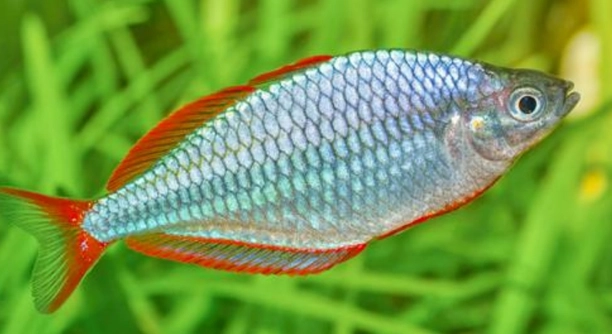
Rainbow fish are a colorful and lively addition to any aquarium, but sometimes they don’t seem to interact with each other the way you expect. It can be puzzling when these beautiful creatures appear to ignore each other entirely.
The primary reason rainbow fish may ignore one another is territorial behavior or differences in their social dynamics. Some species can be more solitary, while others may display aggression, especially if the tank is overcrowded or there are environmental stressors.
Understanding the factors that influence their behavior can help improve the harmony in your tank. By addressing these issues, your rainbow fish will likely engage more with one another and thrive in their aquatic home.
Understanding Territorial Behavior in Rainbow Fish
Rainbow fish are known for their vibrant colors and active nature, but they can sometimes display territorial behavior. This is especially common in males who may guard specific areas of the tank, especially when there are potential mates or hiding spots nearby. If your fish seem to ignore each other, it’s possible that one or more of them are trying to claim space. When a fish feels its territory is being threatened, it may become less social and more defensive. These territorial instincts are natural, and it’s important to ensure your aquarium offers enough space to accommodate all fish comfortably. If there are too many fish in the tank, or not enough hiding spots, competition can increase, causing stress and distancing between them.
A good rule of thumb is to have plenty of decorations and plants to break up the tank’s space, allowing each fish to have its own area to explore without feeling threatened.
These behaviors usually fade once the fish adjust to their environment and the stressors are minimized. However, it’s important to regularly assess your tank setup, as changes in the layout or overcrowding can trigger aggressive or distant behavior.
Social Dynamics Among Rainbow Fish
Social interactions among rainbow fish can vary greatly depending on the species and their environment.
Fish that have established dominance may ignore or even chase away others. This is part of their natural instinct to assert control, especially during breeding times. In tanks where there are both males and females, it’s common for males to compete for the attention of the females, leading to aggression or avoidance among the others. If there’s a lack of females, males might turn their attention to one another, resulting in tension. However, in a peaceful environment with a good ratio of males to females, rainbow fish often engage in communal swimming and display social behavior. To foster a more positive interaction, maintaining a proper balance of sexes and providing enough space for each fish to feel secure is key.
By making these adjustments, the fish are more likely to start interacting in a calmer and more cooperative way.
Stress and Environmental Factors
Stress can cause rainbow fish to ignore each other, often resulting in behavior changes like hiding or swimming alone. Changes in water temperature, quality, or tankmates can trigger this response. When a fish feels stressed, it may become less social and more withdrawn.
Maintaining stable water conditions is crucial to reducing stress. Keep the water clean, monitor temperature levels, and ensure proper filtration. Also, avoid sudden changes in the tank environment, as fish need time to adjust. If the fish are exposed to continuous environmental stress, they may develop unhealthy habits like ignoring other tankmates.
If the water quality is poor, rainbow fish will naturally become less active and less likely to interact with one another. They may avoid each other to cope with their discomfort. Ensure you perform regular water changes and check for any harmful chemicals that may be present, as poor water conditions are one of the main stress triggers.
Overcrowding and Tank Size
An overcrowded tank can result in more aggression and less interaction among rainbow fish. When too many fish are in a confined space, they feel threatened and may act defensively.
To avoid overcrowding, stick to the recommended fish-per-gallon ratio for your tank size. Providing more space for each fish helps reduce competition for food and territory. Rainbow fish, while small, do best in tanks with plenty of room to swim and explore. If they feel cramped, they’re more likely to become territorial and ignore others.
By creating a more spacious environment, you’ll see your rainbow fish become more social, swimming freely with each other instead of hiding or acting aggressively. This will also improve their overall health and happiness.
Feeding Habits
Rainbow fish may ignore each other if there is competition for food. In a tank where food is scarce or not evenly distributed, fish can become more focused on eating than socializing. This behavior can lead to isolated or standoffish interactions.
To prevent this, ensure you are feeding your fish the right amount. Overfeeding can also create issues with water quality, which in turn stresses the fish. Providing multiple feeding spots around the tank can help prevent one fish from dominating the food supply, promoting a more harmonious environment.
Tankmates and Compatibility
Choosing compatible tankmates is crucial for maintaining peaceful interactions among rainbow fish. Aggressive or overly dominant species can stress out the rainbow fish, causing them to ignore or avoid each other.
Before adding new fish, research the species’ temperament and compatibility. Avoid mixing rainbow fish with overly territorial or aggressive fish, as this can lead to tension in the tank. Rainbow fish thrive in peaceful, community setups with other non-aggressive species.
FAQ
Why are my rainbow fish swimming in one area of the tank?
Rainbow fish may gather in a specific area of the tank due to territorial behavior or environmental factors. If there’s a certain part of the tank that feels safer or more comfortable, they may choose to spend more time there. In some cases, they could also be attracted to areas with more plants or hiding spots. This behavior could be more common if the tank is overcrowded or lacks sufficient hiding spaces.
If they are always in the same area, check if the water quality in other parts of the tank is consistent. Uneven water temperature or poor filtration could be affecting their behavior.
How do I stop my rainbow fish from fighting?
Fighting among rainbow fish is often due to territorial disputes, especially if the tank is too small or lacks enough hiding spots. Males may become more aggressive toward one another, especially during breeding seasons. To reduce fighting, increase the tank size and add more plants or decorations to create natural territories.
You can also adjust the male-to-female ratio, as too many males can lead to competition. Additionally, ensure the tank isn’t overcrowded, and the fish have enough space to swim freely without feeling threatened.
Can rainbow fish live with other species?
Rainbow fish are generally peaceful and can live with many other species, but it’s essential to choose compatible tankmates. Avoid mixing them with aggressive or overly territorial fish that could stress them out. Rainbow fish do best with other peaceful species like tetras, livebearers, and Corydoras catfish.
It’s important to ensure that all fish in the tank have similar environmental needs, including water temperature, pH, and hardness. Researching the compatibility of potential tankmates will help create a harmonious environment for all species involved.
Are rainbow fish social?
Rainbow fish are naturally social and thrive in groups. Keeping them in schools of at least six individuals will help them feel more comfortable and less stressed. In smaller groups, they might become skittish or less interactive. They enjoy swimming together and will often engage in communal activities such as foraging and exploring their environment.
When housed with other rainbow fish, they can become more active and visibly socialize. However, the size of the school and the tank environment should be considered to ensure they are truly comfortable.
Do rainbow fish need a lot of space?
Rainbow fish prefer larger tanks with plenty of room to swim. In a cramped environment, they may become stressed or territorial, leading to behavioral issues like ignoring or avoiding each other. A tank of at least 30 gallons is recommended for a small group of rainbow fish.
Providing a larger tank with ample swimming space reduces stress and encourages more natural behaviors, including interaction with each other. When the fish feel they have enough space to claim their territory and explore, they will likely become more social.
Why are my rainbow fish staying at the bottom of the tank?
Rainbow fish typically swim throughout the tank, but if they are constantly staying at the bottom, it could indicate health issues, stress, or poor water quality. Check for any signs of illness like unusual spots, bloating, or a lack of appetite. Poor water quality, such as low oxygen levels or high ammonia, can make fish retreat to the bottom to escape unfavorable conditions.
If they are not sick, the cause may be overcrowding, lack of hiding spots, or environmental factors that stress them. Improving water conditions and adding plants or structures to break up the space could help.
Can rainbow fish live in a tank with a filter?
Rainbow fish absolutely need a tank with proper filtration. A filter helps maintain water quality by removing excess waste and toxins, which is essential for their health. Fish can become stressed and sick in tanks with poor filtration, leading to behavior changes like ignoring tankmates or staying isolated.
Ensure the filter is suitable for the tank size and doesn’t create strong currents that could stress out the rainbow fish. A gentle filter or sponge filter is ideal for maintaining clean water without disturbing the fish too much.
Do rainbow fish need special lighting?
Rainbow fish do not require special lighting, but they do benefit from consistent light cycles. A normal aquarium light cycle of 12 hours of light and 12 hours of darkness works well for them. Light encourages their natural colors to shine, making them more vibrant and active.
Too much light can cause stress or algae growth, while too little light might reduce their activity. Ensure that the tank has sufficient lighting but not in excess. Using a timer for consistent day-night cycles can keep your rainbow fish comfortable.
Why is my rainbow fish changing color?
Rainbow fish can change color depending on their mood, health, or environmental conditions. For instance, during breeding season, males often show brighter colors to attract females. Stress or poor water quality can also cause them to lose vibrancy or appear dull.
If you notice color changes that are sudden or extreme, check the water conditions for ammonia, nitrites, or temperature fluctuations. Poor water quality is a common cause for this, and adjusting the tank conditions will often help restore their natural coloring.
How often should I feed my rainbow fish?
Rainbow fish should be fed once or twice a day. Overfeeding can lead to poor water quality and health issues, so it’s important to provide just enough food that they can consume within a few minutes. A varied diet of high-quality flakes, pellets, and occasional live or frozen food will ensure they get all the nutrients they need.
Be sure to remove any uneaten food after feeding to maintain clean water and prevent it from affecting the fish’s behavior.
Final Thoughts
Rainbow fish are beautiful and fascinating creatures, but understanding their behavior can sometimes be challenging. If your rainbow fish are ignoring each other, there are a number of factors to consider. Territorial disputes, stress, overcrowding, and even their social dynamics can play a significant role in how they interact with each other. Sometimes, simply adjusting the tank’s environment, such as adding more hiding spots or making sure the water quality is stable, can encourage them to become more social.
Another important aspect to consider is their tankmates. While rainbow fish are generally peaceful, they can become stressed if housed with aggressive or dominant species. Ensuring compatibility among the fish in your tank is key to fostering a more harmonious environment. In some cases, adjusting the male-to-female ratio or adding more fish to the group can help reduce tension and improve their interactions. Rainbow fish thrive in schools, so keeping them in larger groups can make a big difference in how they socialize with one another.
Ultimately, paying attention to the specifics of your rainbow fish’s environment and behaviors will help you understand why they may be ignoring each other. The health and well-being of your fish are tied closely to their surroundings, and creating a peaceful, balanced environment will encourage your fish to engage more actively with each other. With some minor adjustments, your rainbow fish can return to their vibrant, social selves, bringing life and color to your tank.

Hello,
If you enjoy the content that we create, please consider saying a "Thank You!" by leaving a tip.
Every little bit helps us continue crafting quality advice that supports the health, happiness, and well-being of pets around the world, for pets of all shapes, sizes, and species.
We really appreciate the kindness and support that you show us!