
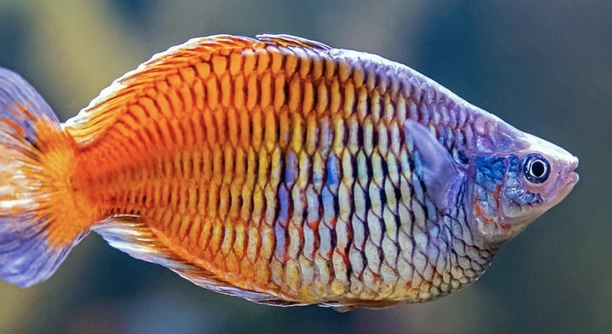
Excessive nitrate levels can harm your rainbow fish, leading to stress and health issues. Understanding how to manage these levels is essential for a healthy aquarium environment. Several strategies can effectively lower nitrates and improve water quality.
To lower nitrate levels for rainbow fish, regularly perform water changes, avoid overfeeding, and maintain efficient filtration. Introduce live plants that absorb excess nitrates and use nitrate-reducing products. Regularly test the water to ensure stable parameters.
Taking proactive measures to manage nitrates can prevent harm to your fish and help maintain a thriving aquatic ecosystem.
Regular Water Changes
Changing the water regularly is one of the most effective ways to reduce nitrate levels in your aquarium. By replacing 20-30% of the tank water every week, you remove accumulated waste and excess nutrients. This helps prevent nitrates from building up and maintains a cleaner, healthier environment for your rainbow fish.
While doing water changes, make sure to vacuum the substrate to remove organic matter like uneaten food and fish waste. This is essential for preventing these particles from decomposing and contributing to nitrate formation.
Over time, maintaining a consistent water change schedule becomes second nature. It ensures that your aquarium stays clean and reduces the stress on your fish. The balance of clean water is key to keeping your rainbow fish healthy and active, allowing them to thrive. Consistent water changes can also help stabilize other parameters such as pH and temperature, creating an environment that benefits the long-term health of your tank’s inhabitants.
Managing Feeding Practices
Overfeeding contributes significantly to high nitrate levels.
To prevent this, avoid feeding your fish more than they can consume within a few minutes. Excess food will decay and increase nitrate concentrations.
Efficient Filtration
A good filtration system helps keep the water clean by removing waste and excess nutrients. Make sure your filter is suitable for your tank size and is capable of handling the waste produced by your fish.
Keep the filter clean and well-maintained to ensure optimal performance. Check it regularly for clogs, replace the media when necessary, and ensure it’s working efficiently.
High-quality filters with mechanical, biological, and chemical filtration stages work best for nitrate removal. Biological filtration, in particular, promotes beneficial bacteria that break down organic matter before it can convert into nitrates. Proper filtration reduces the buildup of waste and helps maintain a stable tank environment for your rainbow fish.
Live Plants
Adding live plants to your aquarium is an excellent way to absorb excess nitrates. Plants naturally consume nitrates during photosynthesis, which helps prevent their accumulation in the water.
Choose plants that are fast-growing and can thrive in your tank’s conditions. Plants such as water wisteria, hornwort, and Java fern are known to help reduce nitrate levels effectively. With the right plant selection, they not only lower nitrates but also provide a more natural and aesthetic environment for your fish.
Nitrate-Reducing Products
There are various nitrate-reducing products available on the market, such as special resins or filters. These products help absorb or chemically neutralize nitrates in the tank water.
When choosing nitrate-reducing products, ensure they are safe for your rainbow fish. Follow the manufacturer’s instructions for proper usage to avoid harming the fish or other aquatic life in your tank.
Avoid Overstocking
Overstocking your tank leads to excess waste and higher nitrate levels.
Ensure your tank’s capacity is suitable for the number of fish you have.
FAQ
What are the signs that nitrate levels are too high in my aquarium?
High nitrate levels can cause stress to your rainbow fish, which may be seen in their behavior. They might become lethargic, stop eating, or swim erratically. Additionally, excessive algae growth and cloudiness in the water can indicate elevated nitrate levels. These symptoms signal that it’s time to test your water and take corrective actions.
How often should I test the water for nitrates?
Testing the water once a week is recommended, especially if you are actively managing nitrate levels. Regular testing ensures that you can catch problems early and adjust your maintenance routine as needed. If you notice any unusual behavior in your fish, test more frequently until you achieve stable results.
Can live plants alone control nitrate levels?
While live plants help reduce nitrates by absorbing them, they may not be enough on their own to maintain optimal water quality. A combination of live plants, regular water changes, and a good filtration system is the most effective way to control nitrate levels. Plants, however, are a beneficial part of the solution and should not be overlooked.
What type of filter is best for controlling nitrates?
A filter that includes biological filtration is essential for breaking down organic waste. Look for filters with both mechanical and biological stages. These filters support the growth of beneficial bacteria, which help break down excess nitrates. Filters with nitrate-reducing cartridges or media can also be useful for further control.
Is it safe to use nitrate-reducing chemicals in my aquarium?
Nitrate-reducing chemicals or products can be effective when used properly. However, it’s important to use them cautiously. Follow the manufacturer’s instructions and monitor your fish closely. Some products can alter water chemistry or stress the fish if overused. Testing the water regularly after use will help you track progress.
How long does it take to lower nitrate levels after making adjustments?
It can take anywhere from a few days to a few weeks to lower nitrate levels, depending on the size of the tank, the level of nitrate, and the methods used. Regular water changes, proper filtration, and adding live plants will gradually bring nitrate levels down. Patience is key, but consistency will lead to the best results.
Can I reduce nitrates without doing water changes?
Water changes are one of the most reliable ways to reduce nitrates. While other methods, such as adding live plants or using nitrate-reducing products, can help, they are not a complete substitute for regular water changes. Combining these methods can improve overall water quality but water changes should still be part of your maintenance routine.
What is the ideal nitrate level for rainbow fish?
For rainbow fish, the ideal nitrate level is typically below 20 ppm (parts per million). Higher concentrations can lead to stress, lower immunity, and health problems. Maintaining nitrate levels in this range ensures that your fish thrive and reduces the likelihood of long-term health issues.
How do I know if I am overfeeding my rainbow fish?
Overfeeding often results in uneaten food that decays and contributes to high nitrate levels. If you notice leftover food in the tank or your fish seem uninterested in their food, you may be feeding too much. Rainbow fish should be fed only what they can consume within a few minutes to avoid waste buildup.
Can overstocking contribute to high nitrate levels?
Yes, overstocking a tank leads to more waste and higher nitrate production. The more fish in your tank, the more waste is generated, which can quickly raise nitrate levels. Ensure your tank is appropriately sized for your fish population, and avoid adding too many fish at once.
What’s the role of beneficial bacteria in nitrate control?
Beneficial bacteria play a crucial role in breaking down ammonia and nitrites into nitrates during the nitrogen cycle. Although nitrates are less toxic, they still need to be managed. The bacteria responsible for this process thrive in biological filtration media and help convert harmful substances into less harmful ones.
Final Thoughts
Managing nitrate levels is crucial for the health and well-being of your rainbow fish. By maintaining a clean and stable environment, you can prevent issues such as stress, disease, and poor water quality. Regular water changes, efficient filtration, and proper feeding practices are all essential in keeping nitrate levels under control. In addition, introducing live plants and using nitrate-reducing products can further assist in maintaining a healthy tank.
It’s important to regularly test the water to ensure that nitrate levels stay within the safe range. Monitoring the water parameters will help you catch any problems early and take the necessary actions before they become more serious. While it may seem like a lot of work, with the right approach and consistency, managing nitrate levels becomes a manageable task. Over time, you will learn the right balance of maintenance practices that work best for your specific tank setup.
Remember that maintaining a healthy aquarium requires attention to detail and patience. Each tank is unique, and what works for one setup may not work for another. However, by staying proactive and making adjustments as needed, you will be able to provide your rainbow fish with a thriving, stable environment. With careful management of nitrate levels, you can enjoy a clear, vibrant tank with healthy, happy fish for years to come.

Hello,
If you enjoy the content that we create, please consider saying a "Thank You!" by leaving a tip.
Every little bit helps us continue crafting quality advice that supports the health, happiness, and well-being of pets around the world, for pets of all shapes, sizes, and species.
We really appreciate the kindness and support that you show us!