
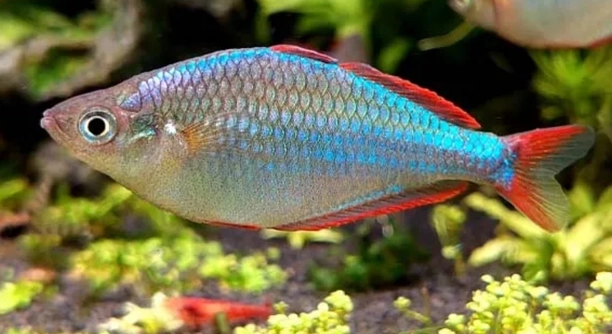
Rainbow fish, vibrant and captivating, thrive when fed a healthy, balanced diet. Choosing the right foods ensures they stay active and colorful. Discover safe, natural foods that will benefit your rainbow fish’s overall health.
Rainbow fish can safely consume a variety of natural foods. These include leafy greens, small crustaceans, algae, and fruits like watermelon. These foods provide essential nutrients, supporting their immune system and promoting healthy growth. Always offer food in appropriate sizes.
Feeding your rainbow fish the right foods is a simple way to enhance their well-being and vibrant appearance.
Leafy Greens: A Key Staple in Their Diet
Rainbow fish benefit from leafy greens such as spinach, kale, and lettuce. These vegetables are rich in vitamins and minerals, supporting overall health. Feeding these greens ensures they get the fiber they need for digestion, preventing any blockages in their system. Offering finely chopped pieces of leafy greens helps avoid any difficulty with ingestion. Be sure to wash the leaves thoroughly to remove any pesticides or contaminants. Offering a variety of greens can also make their diet more interesting while providing different nutritional benefits. Greens are essential for maintaining their vibrant colors and strong immune system.
Rainbow fish thrive on the right amount of greens. Their small size makes it essential to provide them in bite-sized portions. Offering these vegetables a few times a week ensures their system stays balanced.
Leafy greens should be a regular part of their diet. When prepared properly, they can promote better digestion, boost immunity, and help your fish maintain its vibrant appearance.
Small Crustaceans: A Natural Protein Source
Small crustaceans like brine shrimp and daphnia offer excellent protein sources. These tiny creatures are ideal for your fish, contributing to muscle development and overall growth. The protein content supports strong fin development and ensures rainbow fish stay energetic and healthy.
Feeding small crustaceans also encourages natural hunting behavior. When given in moderation, they can provide a perfect balance of nutrients while adding variety to their diet.
These small protein-packed creatures are a great addition to their diet. They help maintain muscle mass, improve health, and satisfy your fish’s natural instincts.
Algae: A Beneficial Addition to Their Diet
Algae is a natural food source for rainbow fish, offering essential nutrients like vitamins and minerals. It can also help clean the tank, providing a healthier environment for your fish. Both freshwater and saltwater algae are safe, as long as they are free of harmful chemicals.
Algae is rich in Omega-3 fatty acids, which are vital for maintaining healthy skin and fins. Offering algae can reduce the risk of skin problems and promote vibrant coloring. You can provide algae in the form of dried flakes, fresh sheets, or even grow it yourself in a controlled environment.
Fresh algae is the best choice when it comes to providing your rainbow fish with a natural food source. It improves digestion, supports their immune system, and keeps them active. Providing small amounts regularly will keep your fish healthy and well-fed.
Fruits: A Sweet Treat for Rainbow Fish
Fruits such as watermelon, grapes, and berries are safe for rainbow fish in moderation. These fruits are rich in water and vitamins, which help keep your fish hydrated and energized. Offering fruit a couple of times a week adds variety to their diet.
Though sweet, fruits should be offered in small, bite-sized pieces. The water content helps in hydration, and the natural sugars provide energy. However, it’s essential not to overfeed them, as too much fruit can lead to bloating or digestive issues. Use fruit as a healthy treat, not as the primary food source.
Introduce fruits gradually into their diet. By doing so, you provide your fish with different flavors and textures, which makes mealtime more exciting. While fruits offer several benefits, moderation is key for maintaining a healthy fish tank.
Insects: A Natural Source of Protein
Insects like fruit flies and blackworms are a great protein source for rainbow fish. They provide essential amino acids, promoting muscle development and overall growth. Be sure to feed insects that are properly cleaned and free from pesticides.
Insects are often found in their natural habitats, making them a suitable food option. They help mimic a rainbow fish’s wild diet, encouraging natural hunting behavior. Offering a variety of insects can make mealtime more enjoyable.
Tubifex Worms: A Nutritious Snack
Tubifex worms are another excellent food option for rainbow fish. These worms are rich in protein and provide essential nutrients to support growth and vitality. You can offer them in their freeze-dried form or live, but ensure they’re sourced from a reputable provider.
While they can be offered as a treat, it’s important not to overfeed tubifex worms, as they can be high in fat. Offering them a few times a week will maintain a balanced diet for your fish.
Live Plants: An Extra Boost
Live plants such as java moss or hornwort are beneficial for rainbow fish. They not only offer a natural food source, but also create a more natural habitat in the tank. Live plants help improve water quality by absorbing excess nutrients, contributing to a healthier environment.
FAQ
What should I feed my rainbow fish every day?
Rainbow fish thrive on a balanced diet that includes a variety of natural foods. Ideally, you should feed them small portions of high-quality flake food, supplemented with live or frozen foods like brine shrimp, daphnia, and finely chopped vegetables. Offering different foods a few times a week will help maintain their health and vibrant colors.
How often should I feed my rainbow fish?
Rainbow fish should be fed two to three times a day. The amount you feed depends on the size of your fish and the food type. Make sure to feed only as much as they can consume within 2-3 minutes to prevent overfeeding and water contamination. This routine keeps them healthy and active.
Can rainbow fish eat frozen foods?
Yes, rainbow fish can eat frozen foods such as brine shrimp, bloodworms, and daphnia. These frozen foods are a great alternative to live food and provide essential nutrients. Always thaw frozen food before feeding it to your fish. Offer frozen foods as a treat or supplement to their regular diet.
Is it safe to feed rainbow fish fruit?
Fruits like watermelon, strawberries, and grapes are safe for rainbow fish in moderation. They provide hydration and a natural source of vitamins. Always chop the fruit into small, bite-sized pieces to prevent choking. Avoid feeding fruits high in sugar, as they can cause digestive issues if given too often.
How do I prepare leafy greens for rainbow fish?
To prepare leafy greens like spinach, kale, or lettuce for rainbow fish, wash them thoroughly to remove any pesticides or contaminants. Tear the leaves into small pieces and blanch them in hot water to soften them before feeding. Offering these vegetables two to three times a week will support digestion and overall health.
Can I feed rainbow fish live food?
Yes, live food is an excellent option for rainbow fish. They enjoy hunting and chasing live prey such as fruit flies, worms, and small crustaceans. Live food mimics their natural environment and promotes physical activity. However, ensure the live food is free from contaminants and parasites to avoid potential health risks.
Are there any foods rainbow fish should avoid?
Rainbow fish should avoid foods high in fat, like beef heart, as well as any processed or heavily salted foods. These types of food can cause digestive issues and negatively impact their health. Avoid feeding them human snacks, such as chips or bread, as they can be harmful to their digestive system.
How do I know if I’m overfeeding my rainbow fish?
Signs of overfeeding include uneaten food floating in the tank, cloudy water, and fish that seem lethargic or bloated. Overfeeding can also lead to poor water quality, causing stress for your fish. If you notice these signs, reduce the amount of food you’re offering and ensure your fish eat it within a few minutes.
Can I feed rainbow fish vegetables other than leafy greens?
Yes, rainbow fish can eat other vegetables such as zucchini, peas, and carrots. These vegetables are rich in fiber, helping with digestion. For best results, blanch or steam them to soften the texture, and chop them into small pieces to make it easier for your fish to eat.
What’s the best way to feed my rainbow fish in a community tank?
In a community tank, it’s best to scatter the food across different areas of the tank, ensuring that all fish can access it. Use sinking pellets or flakes for bottom feeders and floating foods for top swimmers. Monitor feeding time to ensure that no fish are left out and to prevent overfeeding.
How do I provide variety in my rainbow fish’s diet?
To provide variety, alternate between flake food, live food, frozen foods, vegetables, and fruits. This will not only make mealtime more interesting for your fish but also ensure they receive a balanced mix of nutrients. Offering different foods a few times a week will keep your fish engaged and healthy.
Should I feed my rainbow fish at the same time every day?
While consistency is important, rainbow fish can adapt to varying feeding times as long as they are fed regularly. It’s beneficial to establish a feeding schedule so your fish know when to expect food. This routine can also help with water quality management, as uneaten food won’t sit around for too long.
How can I encourage rainbow fish to eat new foods?
If your rainbow fish are hesitant to try new foods, try introducing them slowly and offering small amounts. You can also try using feeding rings to keep the food in one place, which may help attract their attention. It can take time for fish to adjust to new foods, so be patient and consistent.
Do rainbow fish need protein-rich food?
Yes, protein is an essential part of a rainbow fish’s diet. Protein supports growth, muscle development, and energy levels. You can provide protein through foods like brine shrimp, daphnia, and insects. These should be offered a few times a week as part of a balanced diet.
Can rainbow fish eat live plants?
Rainbow fish can nibble on live plants like java moss or hornwort. While they don’t typically rely on plants as their primary food source, they can help maintain a balanced diet by providing fiber and nutrients. Live plants also enhance the fish tank’s aesthetic and promote a more natural environment.
Final Thoughts
Providing rainbow fish with a varied and balanced diet is key to maintaining their health and vibrant colors. By offering a mix of high-quality flake food, frozen or live foods, and natural treats like fruits and vegetables, you ensure that your fish get the essential nutrients they need to thrive. It’s important to understand that different food types should be introduced gradually, and moderation is essential to avoid overfeeding. A well-balanced diet not only supports physical health but also encourages natural behavior, which enhances the overall aquarium environment.
While it’s tempting to give your rainbow fish a variety of foods, it’s crucial to avoid certain items that can harm their health. Foods that are too fatty or processed can lead to digestive problems and affect the water quality. Sticking to natural options like algae, insects, and vegetables can prevent these issues. Regularly changing the food you offer can also keep your fish engaged and prevent them from growing bored of the same diet. Keeping their meals interesting will help support their energy levels and encourage active behavior in the tank.
Ultimately, the goal is to create a balanced and natural feeding routine for your rainbow fish. By choosing safe, nutritious foods and understanding their dietary needs, you can keep your fish healthy, happy, and vibrant. Remember, overfeeding is just as harmful as underfeeding, so it’s important to monitor their intake and ensure they are eating what they need without overloading their system. With the right diet and care, your rainbow fish will flourish, providing a beautiful addition to your aquarium.

Hello,
If you enjoy the content that we create, please consider saying a "Thank You!" by leaving a tip.
Every little bit helps us continue crafting quality advice that supports the health, happiness, and well-being of pets around the world, for pets of all shapes, sizes, and species.
We really appreciate the kindness and support that you show us!