
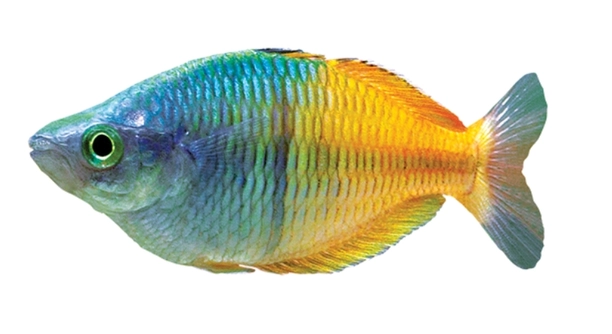
Rainbow fish are known for their vibrant colors and peaceful nature. Many fish enthusiasts wonder how these stunning creatures find their food in the wild or in aquariums. This article explains how rainbow fish locate their meals.
Rainbow fish rely on their sense of smell to locate food. They use specialized cells called chemoreceptors that help them detect chemical signals in the water, allowing them to track down potential food sources in their environment.
Understanding how rainbow fish find food can help improve their care in aquariums. Knowing their behavior and natural instincts will ensure a healthier and happier environment for your fish.
How Rainbow Fish Use Smell to Find Food
Rainbow fish have a remarkable ability to find food in their environment. Their sense of smell is much stronger than humans’, and they use it to detect food even when it’s far away. This skill is especially important in the wild, where food sources can be scattered. They have specialized sensory cells called chemoreceptors that are sensitive to chemicals released by food. These chemoreceptors allow them to follow the scent trails left by potential meals. When rainbow fish detect a chemical signal in the water, they swim toward it, hoping to find food. This sense of smell also helps them avoid danger, as they can detect the presence of predators. In an aquarium, rainbow fish may rely more on visual cues when food is present, but they still use their sense of smell to locate meals.
Rainbow fish can detect food through scent molecules in the water. This instinctual behavior allows them to hunt and feed efficiently in both natural habitats and aquariums.
The chemoreceptors in rainbow fish play a crucial role in their ability to sense food. These cells are located in their nostrils and other parts of their body. When a fish smells food, it triggers a response in the brain that prompts them to follow the scent. In the wild, these scents can come from small invertebrates or plants that the fish eat. In an aquarium setting, rainbow fish can detect the food you place in the water, even if it is floating or sinking. This ability is essential for their survival, as it helps them find food sources in large, open bodies of water or densely planted areas. Understanding how rainbow fish rely on their sense of smell helps aquarium owners provide the best care and feeding practices for these colorful creatures.
How to Feed Rainbow Fish Effectively
Feeding rainbow fish properly requires understanding how they find their food. By considering their sensory abilities, you can create a feeding routine that works well for both the fish and the aquarium.
Rainbow fish do best when food is spread out in their habitat. This allows them to search for and locate their meals more naturally. It’s essential to use a variety of foods, such as pellets, flakes, or live food, to keep them healthy and engaged. Offering food in different locations can also encourage exercise and simulate their natural feeding behavior.
Importance of Water Quality for Rainbow Fish
Water quality plays a major role in how rainbow fish detect and find food. Poor water conditions can hinder their ability to smell food, leading to stress and health issues. Clean, well-maintained water helps keep their chemoreceptors functioning properly, allowing them to better detect food.
Maintaining proper water parameters, like temperature, pH, and ammonia levels, is essential for ensuring rainbow fish can rely on their sense of smell. Regular water changes and a good filtration system can help maintain a healthy environment. When water quality is high, rainbow fish are more likely to display normal feeding behaviors and less likely to show signs of distress. Poor water quality, however, can cause them to become lethargic or disoriented, making it harder for them to find food. In extreme cases, poor water conditions can even reduce their sense of smell, making it more difficult for them to locate food in the first place.
Water quality directly impacts the overall health of rainbow fish, which in turn affects their feeding behavior. When the water is clean, rainbow fish can freely swim and explore their surroundings, detecting food through scent and sight. They will be more active and responsive to food placed in the tank. In contrast, if the water is dirty or toxic, they may avoid eating, leading to malnutrition. Therefore, a well-maintained tank not only supports their physical health but also improves their feeding habits, ensuring that rainbow fish get the nutrition they need to thrive.
Feeding Rainbow Fish in a Tank Environment
Feeding rainbow fish in a tank setting requires more attention than simply dropping food in the water. They rely on their sense of smell to find food, so it’s important to provide a feeding routine that supports this behavior.
To mimic their natural feeding habits, it’s best to feed rainbow fish at regular times each day, ensuring they learn to associate feeding times with food availability. While they can rely on sight and smell to find food, scattering food around the tank allows them to hunt for it more naturally. This also encourages their physical activity, which is important for keeping them healthy. You can use a mix of high-quality flakes, pellets, and occasional live or frozen foods to meet their nutritional needs. Offering food in small amounts is important so that all fish can get a fair share, avoiding excess food that can pollute the tank.
Recognizing Hunger in Rainbow Fish
Rainbow fish show signs of hunger by becoming more active and swimming towards the surface when they detect food. Their behavior can help you recognize when they’re ready to eat. Keeping track of their feeding habits ensures you don’t overfeed or underfeed them.
If rainbow fish are actively swimming and moving around the tank, it’s a good sign they’re hungry. When they start searching for food, it often means they can detect food scents in the water. It’s important to feed them in small portions to avoid excess food that can affect the tank’s water quality. Watch for signs like increased swimming or focused attention on specific areas of the tank, as these can indicate they are in search of food. By understanding these cues, you can make sure your rainbow fish are properly fed without overdoing it.
Types of Food for Rainbow Fish
Rainbow fish enjoy a varied diet that helps them thrive. They typically eat a mix of flake food, pellets, and occasional live or frozen foods like brine shrimp. This diet ensures they receive all the necessary nutrients. Feeding a variety of food keeps them healthy and satisfied, preventing boredom.
Common Feeding Mistakes
Overfeeding is a common mistake many make when caring for rainbow fish. It can lead to poor water quality and health problems for the fish. Be sure to offer only as much food as the fish can eat in a few minutes.
FAQ
Can rainbow fish smell food in the water?
Yes, rainbow fish can smell food in the water. They have specialized sensory cells called chemoreceptors, which allow them to detect food particles and other chemical signals in their environment. This sense helps them locate food even in larger, open spaces like a wild habitat or an aquarium. These chemoreceptors are particularly sensitive to scents, and when a rainbow fish detects food, it can swim toward it. The stronger and closer the scent trail, the more likely they are to follow it.
How can I tell if my rainbow fish are hungry?
Rainbow fish show signs of hunger through increased activity. They may swim faster, move toward the water’s surface, or hover near the area where food is usually dropped. Hungry rainbow fish tend to be more alert and active in the tank. You might also notice them following their owners or other fish, hoping to find food. They may even display a behavior called “nosing,” where they push their snouts against the surface, looking for food. When they begin showing these behaviors consistently, it’s time to feed them.
Do rainbow fish eat live food?
Yes, rainbow fish do eat live food. In the wild, they consume small invertebrates, insects, and larvae. In an aquarium setting, offering live food like brine shrimp, daphnia, or worms can enrich their diet and encourage natural hunting behavior. While live food isn’t essential for their health, it does provide variety and stimulation, which can be beneficial for their well-being. It’s important to only feed live food from reputable sources to avoid introducing parasites or diseases into the tank.
How often should I feed my rainbow fish?
Rainbow fish should be fed once or twice a day. The key is consistency. Overfeeding can lead to water quality problems, so it’s best to offer small amounts of food that the fish can consume within a few minutes. If there is leftover food, it should be removed to prevent it from decaying and affecting water quality. As a general guideline, feed your rainbow fish enough that they can finish within 2-3 minutes. Adjust the amount if you notice leftover food or if the fish seem still hungry after eating.
What should I feed my rainbow fish?
Rainbow fish thrive on a varied diet. A high-quality flake or pellet food designed for tropical fish provides the basic nutrition they need. However, it’s important to supplement their diet with occasional treats like live or frozen foods (brine shrimp, bloodworms, or daphnia). Offering a mix of plant-based foods like algae wafers or spinach also helps keep them healthy and provides variety. By providing this balanced diet, you ensure they get the vitamins, minerals, and proteins needed for growth and coloration.
Can rainbow fish be overfed?
Yes, rainbow fish can be overfed. Overfeeding can lead to water pollution, making the tank environment unhealthy for both the fish and the plants. Excess food that isn’t eaten can decompose, increasing ammonia levels and making the fish more susceptible to diseases. It’s essential to feed your rainbow fish just enough to keep them healthy and active without leaving excess food in the tank. It’s also a good idea to fast your fish for a day or two each week to help them clear out their systems and avoid overfeeding.
Why do rainbow fish sometimes refuse food?
Rainbow fish may refuse food for several reasons. Stress, poor water quality, or environmental changes can affect their appetite. If the water is too warm or too cold, it can cause the fish to lose their interest in food. Additionally, a sudden change in their diet can also lead to refusal. Another factor is illness or injury; if a fish is not feeling well, it may stop eating. If rainbow fish are refusing food for an extended period, it’s a good idea to check the water conditions and observe for any signs of illness.
How do I know if my rainbow fish are eating enough?
To ensure your rainbow fish are eating enough, observe their behavior and body condition. If they appear healthy, active, and have vibrant colors, they are likely eating enough. If they are underweight or show signs of lethargy, it could indicate that they are not getting enough food. Ensure that they’re consuming the food within 2-3 minutes and not leaving large amounts behind. If there’s leftover food in the tank, it may be a sign that you’re feeding too much, or the fish may not be hungry at that time.
What’s the best way to feed rainbow fish in an aquarium?
The best way to feed rainbow fish in an aquarium is to scatter food around the tank, allowing them to forage for it naturally. This simulates how they hunt for food in the wild. You can use a mix of flake or pellet food, and occasionally supplement with live or frozen food for variety. Ensure that the food is appropriate in size for your fish. If using flakes, crush them lightly before feeding if they are too large. Feed in small amounts, and remove any uneaten food to prevent it from affecting water quality.
Can rainbow fish eat too much plant-based food?
While rainbow fish enjoy plant-based foods like algae wafers, spinach, and other leafy greens, too much can cause digestive problems. These fish need a balanced diet that includes both animal-based and plant-based foods. Excessive plant matter in their diet can lead to bloating or difficulty digesting their food. It’s important to offer plant foods as part of a varied diet, not as the sole food source, to ensure they get all the nutrients they need.
Do rainbow fish require any special feeding conditions?
Rainbow fish don’t require any special feeding conditions, but the water temperature and quality do play a role in their feeding behavior. They prefer slightly warm water, usually between 72°F and 80°F (22°C to 27°C). The temperature affects their metabolism, and a too-cold or too-warm environment can make them less interested in food. Also, maintaining good water quality with regular changes will keep your fish active and encourage healthy feeding behavior.
Final Thoughts
Rainbow fish rely on their sense of smell to locate food, making it an essential part of their feeding behavior. Their chemoreceptors help them detect food particles and chemical signals in the water. In an aquarium, providing a clean environment with high water quality will support their ability to use this sense effectively. When water conditions are right, rainbow fish can easily follow scent trails and find food, which promotes a healthier, more active life. Keeping your tank well-maintained is crucial not only for their physical health but also for their ability to engage in natural feeding behaviors.
Feeding rainbow fish is a simple process once you understand their natural instincts. A varied diet is key, providing a mix of flakes, pellets, and occasional live or frozen food like brine shrimp or daphnia. They do best with small meals throughout the day, and it’s important not to overfeed. Overfeeding can lead to poor water quality and health problems. Additionally, scattering the food around the tank can simulate natural hunting behavior, making the feeding process more engaging for the fish. By observing their feeding habits, you can adjust the amount of food to avoid excess that could pollute the water.
Lastly, paying attention to the behavior and health of your rainbow fish is essential for their well-being. If they show signs of hunger, like increased swimming or focusing on specific areas in the tank, it’s time to feed them. However, if they refuse food or seem lethargic, this could be a sign of stress or illness. Understanding their needs and providing proper care will ensure that your rainbow fish stay healthy and active. With the right feeding routine and a clean environment, these beautiful fish will thrive in your aquarium.

Hello,
If you enjoy the content that we create, please consider saying a "Thank You!" by leaving a tip.
Every little bit helps us continue crafting quality advice that supports the health, happiness, and well-being of pets around the world, for pets of all shapes, sizes, and species.
We really appreciate the kindness and support that you show us!