
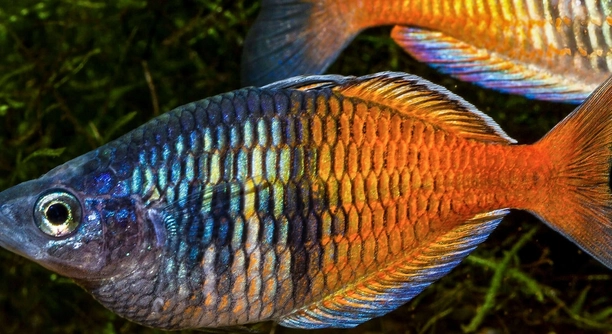
Rainbow fish are beautiful creatures that can bring color and life to any aquarium. However, when they suddenly stop eating, it can be worrying for their owners. Understanding why this happens can help you get your fish back to normal.
The most common reasons rainbow fish stop eating suddenly include stress, water quality issues, poor diet, illness, and changes in their environment. Identifying these causes can help restore your fish’s appetite and overall well-being.
Addressing these factors quickly can improve your rainbow fish’s health. Learning the root causes can make a significant difference in helping your fish eat regularly and thrive.
Stress and Anxiety
Rainbow fish are sensitive creatures, and stress can easily affect their eating habits. Changes in their environment, like new tank mates, excessive noise, or overcrowding, can cause anxiety. They may also become stressed if the water temperature fluctuates or if the lighting is too bright. Fish experience stress much like humans do, and it impacts their appetite.
When a rainbow fish feels stressed, it might hide more often, become less active, and refuse to eat. You can reduce stress by providing a stable environment. Keeping the tank clean, ensuring proper water conditions, and avoiding sudden changes can help your fish feel secure and calm.
If your fish shows signs of stress, give it some time to adjust. Keep their environment peaceful and consistent. If they continue to refuse food, check for other stress factors and make changes to improve their well-being. Your rainbow fish will likely eat again once they feel more comfortable.
Poor Water Quality
Water quality is one of the most important factors for the health of any fish. Poor water quality can quickly lead to problems, including loss of appetite. High levels of ammonia, nitrites, or nitrates in the water can stress your rainbow fish, making them less likely to eat. You should regularly check water parameters such as pH, hardness, and temperature to ensure they are within a suitable range for rainbow fish.
Inadequate filtration can also contribute to poor water quality, leading to the buildup of toxins and bacteria. It’s essential to perform regular water changes and clean the tank to prevent harmful substances from accumulating. Your fish will feel better and eat more if the water remains clean and healthy.
If the water quality is poor, your rainbow fish may also show signs of illness, such as lethargy, abnormal swimming, or damaged fins. Taking action to correct the water quality can help restore their appetite and overall health. Don’t hesitate to invest in a good filtration system or water testing kits for peace of mind.
Diet and Feeding Habits
Rainbow fish, like all fish, need a balanced diet to stay healthy. If they are not eating, it may be because they are not getting the right nutrients. Offering a variety of foods, such as flakes, pellets, and live or frozen foods, is crucial. A lack of variety can make your fish lose interest in food.
Sometimes, rainbow fish stop eating if the food you are providing is not fresh or is of low quality. Make sure you are offering high-quality fish food that is appropriate for their size and species. Spoiled food can also make your fish sick, so always check the food before feeding it to your fish.
Establishing a regular feeding routine can also help. Rainbow fish may be hesitant to eat if they are overfed or underfed. Stick to a feeding schedule and remove any uneaten food from the tank after a few minutes to avoid water contamination. A well-balanced diet and a consistent feeding schedule are key to keeping your fish healthy and eating regularly.
Illness or Injury
Fish that are sick or injured often stop eating. Common illnesses like fin rot, parasites, or fungal infections can lead to loss of appetite. If your rainbow fish is lethargic, has discolored spots, or displays abnormal swimming behavior, it’s time to check for signs of illness.
If you suspect your rainbow fish is ill, isolate it in a separate tank to prevent spreading disease. Look for physical signs such as lesions, abnormal growths, or damaged fins. These can indicate a bacterial or fungal infection that needs immediate treatment. Visit a pet store for medication or consult an expert.
Injuries can also make a rainbow fish avoid food. If they have been bullied by tank mates or scraped against hard surfaces, their stress levels will rise, which may impact their eating habits. Watch for signs of injury such as swelling or visible damage to fins or scales. Gently caring for injured fish will help them recover their appetite faster.
Environmental Changes
Rainbow fish are sensitive to sudden environmental changes. Adding new decorations or moving their tank can stress them out and cause them to stop eating. They prefer a stable and familiar environment where they feel safe.
When making any changes to their tank, try to do so gradually. Adding plants, shifting rocks, or changing the filter setup should be done with care. If you need to move the tank, do so slowly and monitor your fish for signs of stress. Keeping their routine consistent will encourage them to eat regularly.
Rapid shifts in temperature or water conditions can also disrupt their eating habits. Use heaters or chillers to maintain a stable temperature and invest in water testing kits to keep the pH levels consistent. Avoid making multiple changes in a short period, as it can overwhelm your rainbow fish. They’ll feel more comfortable and start eating again when their environment stabilizes.
Overfeeding
Overfeeding your rainbow fish can lead to a loss of appetite. If they are given more food than they need, they might feel full and stop eating. This can also lead to poor water quality, which affects their health. It’s important to monitor feeding portions.
Ensure you are feeding your fish only what they can eat within 3-5 minutes. Any uneaten food should be removed promptly to prevent it from polluting the tank. Overfeeding can lead to obesity and other health problems, causing your fish to lose their appetite over time.
Feeding rainbow fish once or twice a day is sufficient. Adjust the amount based on their size and activity level. If you continue to overfeed, you might notice that your fish are eating less and struggling with health problems like bloating or swim bladder issues.
Incompatible Tankmates
Rainbow fish can become stressed if their tank mates are too aggressive. Fish that nip at their fins or bully them can cause anxiety, leading to a lack of appetite. Pay attention to their behavior and remove any problematic tank mates.
Aggressive or territorial fish may make your rainbow fish feel unsafe, preventing them from eating. It’s best to keep rainbow fish with peaceful species. You should also avoid overcrowding the tank, as this can lead to competition for food and space, increasing stress levels.
Temperature Fluctuations
Rainbow fish are highly sensitive to temperature changes. Sudden drops or spikes in water temperature can cause stress and lead to a loss of appetite. Keeping the tank temperature stable is crucial for their well-being.
Using a reliable heater and thermometer helps ensure the water stays within the recommended range for rainbow fish (typically 74-79°F or 23-26°C). Even small changes in temperature can make them uncomfortable, which might make them reluctant to eat. Consistency in their environment is key to keeping them healthy and feeding regularly.
FAQ
Why did my rainbow fish stop eating all of a sudden?
Rainbow fish can stop eating for several reasons. Stress is the most common cause, whether from a change in their environment, water quality issues, or new tank mates. Illness and injury can also cause them to lose their appetite. Additionally, poor water conditions, temperature fluctuations, or overfeeding can contribute to their refusal to eat. If your fish suddenly stops eating, it’s important to check their living conditions and health carefully.
How can I reduce stress for my rainbow fish?
To reduce stress, ensure that the tank environment is stable and peaceful. Avoid sudden changes like moving decorations or adding new tank mates too quickly. Keep the water clean by performing regular water changes and checking water parameters like pH, ammonia, and nitrites. Ensure they have enough hiding spots and peaceful tank mates to feel secure. Maintaining consistent lighting and temperature also helps reduce stress levels.
What should I do if my rainbow fish are sick?
If your rainbow fish are sick, isolate them in a quarantine tank to prevent spreading illness. Look for physical signs like discoloration, lesions, or unusual swimming behavior. You may need to treat them with appropriate medications depending on the illness. If you’re unsure about the condition, consider consulting with an aquarium specialist or a veterinarian who specializes in fish. Make sure the water quality in their main tank is also perfect to help other fish stay healthy.
Is it normal for rainbow fish to eat only certain foods?
Yes, rainbow fish can be picky eaters. They may prefer certain types of food over others, and some may be more attracted to live or frozen foods. If they refuse flakes or pellets, you can try offering a variety of options, such as brine shrimp, daphnia, or bloodworms. Variety ensures they get all the nutrients they need, and some may just need a different texture or flavor to regain their appetite.
How do I know if I’m overfeeding my rainbow fish?
Overfeeding is a common problem for many fish owners. If you’re noticing leftover food at the bottom of the tank, you may be offering too much. Rainbow fish should eat in about 3-5 minutes, so monitor how much they’re consuming during feeding times. If there is consistent uneaten food, you should reduce the portions. Overfeeding can lead to poor water quality and may also cause digestive problems for the fish.
Can rainbow fish recover from stress-related loss of appetite?
Yes, rainbow fish can recover from stress-related loss of appetite. Once the stressor is removed and the environment becomes stable, they will likely start eating again. It may take a little time for them to feel comfortable, especially if they were previously bullied or frightened by aggressive tank mates. Once the water quality is good and the environment is calm, they will return to their normal eating habits.
Why are my rainbow fish swimming at the top or bottom of the tank?
Rainbow fish swimming at the top of the tank could indicate low oxygen levels in the water or an issue with the water temperature. On the other hand, if they’re swimming at the bottom or hovering in one spot, it could be a sign of poor water quality, stress, or illness. Check the water parameters to rule out issues like high ammonia or low oxygen. Make sure your filter is functioning properly and that the tank is well-ventilated.
Can rainbow fish live with other species?
Rainbow fish can live with many peaceful species. They are generally calm and social, which makes them great additions to community tanks. However, it’s important to avoid aggressive or territorial species that may harm them. Fish such as tetras, peaceful cichlids, or catfish often make good tank mates for rainbow fish. Ensure that all the fish in the tank have similar temperature and water requirements to maintain a harmonious environment.
How can I improve my rainbow fish’s diet?
To improve your rainbow fish’s diet, offer them a variety of foods. High-quality pellets or flakes designed for rainbow fish are a good base, but supplementing with live or frozen foods like brine shrimp, daphnia, and bloodworms will provide additional nutrients. Also, make sure they get a balanced diet with sufficient protein and vegetable matter. You can offer some blanched vegetables, like spinach, to increase the variety in their diet.
What is the ideal tank temperature for rainbow fish?
The ideal tank temperature for rainbow fish is between 74°F and 79°F (23°C – 26°C). Rainbow fish are tropical and prefer warmer water. If the temperature fluctuates too much, it can stress them and affect their eating habits. Use a reliable heater and thermometer to keep the temperature stable and within the appropriate range for their health.
Do rainbow fish need a lot of space to thrive?
Yes, rainbow fish need enough space to swim freely. While they aren’t as large as some other species, they are active swimmers and should have a tank that provides enough room. A 30-gallon tank or larger is ideal for keeping multiple rainbow fish. A spacious tank will also help maintain water quality and reduce stress levels for the fish.
Can rainbow fish be kept in a tank with high nitrate levels?
Rainbow fish do not tolerate high nitrate levels well. Nitrates are a sign of poor water quality and can cause health problems like loss of appetite or stunted growth. Regular water changes, good filtration, and avoiding overfeeding are necessary to keep nitrate levels in check. Testing the water regularly will help ensure a safe environment for your rainbow fish.
Final Thoughts
Rainbow fish are beautiful and peaceful creatures that can make a wonderful addition to any aquarium. However, when they stop eating suddenly, it can be worrying. There are several factors that can lead to this behavior, such as stress, illness, poor water quality, or an improper diet. It’s important to take a step back and assess the environment to identify potential causes. A thorough examination of their water conditions, tank mates, and overall health is essential in understanding why your rainbow fish may have lost their appetite. By identifying the problem, you can take the necessary steps to help your fish return to their normal eating habits.
Maintaining a stable, clean, and stress-free environment is crucial for the health of rainbow fish. Regular water changes, ensuring the right temperature, and avoiding overcrowding are all important aspects of creating an environment where rainbow fish can thrive. Additionally, feeding them a well-balanced diet, offering a variety of foods, and not overfeeding will ensure they are getting the proper nutrients they need. It’s also important to keep an eye on their behavior and appearance, as any signs of illness or injury should be addressed promptly to prevent further health problems.
If your rainbow fish continue to refuse food despite addressing potential stressors or water quality issues, it may be time to seek expert advice. Sometimes, fish may need medication or a quarantine tank if they are dealing with illness or parasites. By being observant and proactive, you can help your rainbow fish recover and maintain their health. With patience and care, your fish will likely return to their normal eating habits, and your aquarium will remain a beautiful, peaceful space.

Hello,
If you enjoy the content that we create, please consider saying a "Thank You!" by leaving a tip.
Every little bit helps us continue crafting quality advice that supports the health, happiness, and well-being of pets around the world, for pets of all shapes, sizes, and species.
We really appreciate the kindness and support that you show us!