
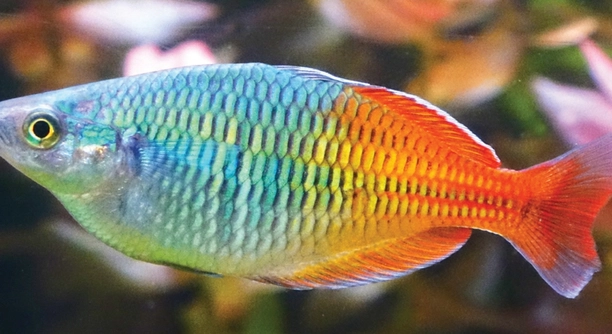
Rainbow fish are fascinating creatures, and like many animals, they display interesting behaviors when they’re feeling bored. You might wonder what they do when there’s nothing to occupy them. This article will explore seven unique things rainbow fish do when they’re idle.
Rainbow fish often exhibit unusual behaviors when bored, such as swimming in repetitive patterns, staring at their reflection, or nibbling on tank decorations. These activities serve as ways for them to cope with the lack of stimulation in their environment.
These quirky actions can provide insight into the fish’s well-being and highlight the importance of creating a stimulating tank environment.
Repetitive Swimming Patterns
When rainbow fish get bored, one of the most common things they do is swim in repetitive patterns. You might see them swim back and forth along the same path, going around in circles or making the same turns repeatedly. This behavior is usually a result of lack of stimulation.
Boredom can cause them to repeat their movements because there’s nothing else to explore in the tank. This can become a problem if it continues for long periods, as it can lead to stress for the fish.
If you notice this behavior in your rainbow fish, it’s a good idea to provide them with new things to explore in their tank. Adding plants, decorations, or even other fish can help break up the monotony and encourage more natural behavior. A varied environment keeps your rainbow fish engaged and healthier. Without these changes, they may resort to repetitive swimming, which can be a sign that they need more interaction and mental stimulation.
Staring at Their Reflection
Another thing rainbow fish do when they’re bored is stare at their own reflection.
Fish are naturally curious, and when there is no other activity in the tank, they often become fixated on their reflection. This can sometimes cause frustration, as the fish sees another fish but can’t interact with it.
Staring at a reflection is often harmless in small amounts, but if it continues for a long time, it can stress your fish out. It’s helpful to either remove mirrors from the tank or rearrange decorations to minimize the reflection they can see. Another option is to add more plants or objects in the tank, providing the fish with places to explore. The more engaging the environment, the less time your rainbow fish will spend staring at themselves.
Biting Decorations or Plants
When there’s not much else to do, rainbow fish may start nibbling on plants, decorations, or even the tank’s filter. While it may look like they’re eating, it’s usually a sign of boredom rather than hunger. The fish might chew on something simply because it’s there and provides some form of interaction.
Though nibbling doesn’t usually harm the fish, it can damage plants or decorations in the tank. Over time, this behavior can also lead to poor nutrition if the fish are eating artificial materials or unsuitable plants. To keep your rainbow fish healthy, try replacing damaged plants with live ones, or add more natural items for them to interact with. Ensuring there’s enough food available will also help prevent the need for your rainbow fish to nibble out of boredom.
Adding varied and engaging elements to the tank can prevent this behavior by offering alternatives that are both healthier and more stimulating.
Hiding for Long Periods
Sometimes, rainbow fish will spend a lot of time hiding in plants or other decorations. This usually happens when they’re feeling bored or stressed. If the tank doesn’t offer enough enrichment, they may find comfort in hiding out of sight.
If your rainbow fish start hiding, it’s important to consider their environment. Lack of hiding spots can also cause them to hide more, as they might be feeling anxious. Adding more plants or decorations that provide a sense of security could encourage them to come out more. You’ll notice they might explore more often once they feel safe enough.
However, excessive hiding can also point to water quality issues or tank mate aggression. Make sure the tank is properly maintained, and that the water parameters are within the ideal range. If the hiding continues, look into whether any other fish in the tank might be causing stress, as this could also be a factor in their behavior.
Constantly Following Other Fish
Rainbow fish are social creatures, and when bored, they may start constantly following other fish in the tank. This behavior is often a sign that they’re looking for some kind of interaction. If they don’t have enough stimulation from their environment, they may try to bond with other fish.
Though it’s normal for rainbow fish to be social, continuous following might indicate they’re not content in their current setup. Adding more tank mates or rearranging the environment could help alleviate the boredom and give them more to focus on. The more variety they have in their surroundings, the more they’ll interact in a natural way.
This behavior may become problematic if the fish start chasing each other aggressively or disrupting the other fish’s activities. It’s essential to monitor their behavior to ensure that the social interactions remain positive. In some cases, introducing new fish or objects can reduce the unnecessary following.
Splashing Water
Bored rainbow fish might start splashing water out of their tank. This action typically occurs when they’re not mentally stimulated enough. The repetitive motion can be a way for them to create some excitement, even if it’s not ideal.
If you notice your fish splashing, it could be a sign that they’re searching for something to break the monotony. Adding moving elements to the tank, like a water pump or bubbler, can provide stimulation. These changes can also help reduce unnecessary splashing by giving the fish more to interact with in a way that mimics their natural habitat.
Aggressive Behavior Towards Tank Mates
When rainbow fish feel bored or stressed, they may start acting aggressively toward other fish. This could involve chasing, nipping, or bumping into them. They’re usually not trying to cause harm, but their frustration with their environment might manifest in these ways.
Ensuring that the tank has enough space and hiding spots is key to minimizing this behavior. By providing the fish with areas to retreat to, you can reduce the likelihood of aggression. Also, introducing compatible tank mates or changing the tank layout might help reduce boredom-related aggression among your fish.
Excessive Swimming Up and Down
Another behavior that rainbow fish display when they’re bored is swimming up and down the glass or tank walls. This repetitive movement often happens when they’re searching for a way out or just want to do something different.
Excessive swimming up and down is a clear sign that your fish need more to occupy them. A simple solution can be to add some new plants or decorations to break up the visual environment. Adding a few extra fish or tank mates can also help by encouraging more social behavior.
FAQ
What are the signs that my rainbow fish are bored?
Rainbow fish show several signs when they’re bored. Common behaviors include repetitive swimming patterns, hiding for long periods, staring at their reflection, or biting decorations and plants. They might also engage in excessive swimming up and down the tank walls or follow other fish constantly. If you notice any of these behaviors, your fish might be feeling under-stimulated. Providing enrichment in the tank can help break the monotony and encourage more natural behaviors.
How can I make my rainbow fish less bored?
To keep your rainbow fish from getting bored, try adding new plants, decorations, or objects to their tank. They enjoy exploring, so anything that changes their environment will help. You can also introduce more tank mates to keep them socially engaged. Adding a bubbler or water pump can create movement in the water and attract their curiosity. Rotating items in the tank occasionally can also keep things interesting for them. Offering regular feedings and maintaining the proper water parameters will ensure your fish feel comfortable and stimulated.
Can boredom lead to stress in rainbow fish?
Yes, boredom can lead to stress in rainbow fish. When they have nothing to interact with, they can become frustrated, which often manifests in behaviors like aggression, excessive hiding, or swimming in repetitive patterns. Chronic stress can weaken their immune system and make them more susceptible to disease. It’s important to provide a varied environment and ensure their tank has enough hiding spots and enrichment. Keeping the tank’s water quality stable and regularly changing it can also help reduce stress.
Should I add more fish to my rainbow fish tank?
Adding more fish can help reduce boredom, but it’s important to do so carefully. Rainbow fish are social and thrive in groups, so adding compatible tank mates can encourage natural social behavior. However, be mindful of the tank’s size and the species you choose. Overcrowding can lead to more stress and aggression. Always research the ideal number of rainbow fish for your tank size and ensure the new fish are compatible in terms of temperament and water requirements.
Do rainbow fish like specific types of plants or decorations?
Rainbow fish prefer plants and decorations that provide both shelter and space to swim around. They enjoy plants like Java fern, Anubias, and Amazon sword, which offer hiding spots without overcrowding the tank. Natural decorations like driftwood or rocks can also create a more stimulating environment. Avoid sharp decorations that might harm their delicate fins. It’s best to create a balance between open swimming space and areas where they can feel safe and secure. Adding new plants or rearranging the current ones occasionally will keep the environment fresh for them.
Can too much light cause boredom in rainbow fish?
Yes, too much light can contribute to boredom or stress in rainbow fish. Bright, constant light can lead to overstimulation and make the fish feel exposed. It can also disrupt their natural behavior, as rainbow fish are more active in dimmer light conditions or when there’s a day-night cycle. To prevent this, ensure your aquarium has a proper lighting schedule, usually around 8-12 hours of light per day, with a dark period at night. Use a timer to create a consistent light cycle that mimics natural conditions.
How do I know if my rainbow fish are not getting enough exercise?
If your rainbow fish are not getting enough exercise, they may start engaging in repetitive behaviors, such as swimming in the same pattern or staying in one spot for too long. A lack of movement can also indicate that the tank is too small or doesn’t provide enough areas for exploration. Rainbow fish are active swimmers and need space to move around freely. Ensure your tank is large enough to accommodate them and that it’s equipped with various hiding spots and areas to explore. Regularly changing the tank’s layout can also encourage more activity.
Is it normal for rainbow fish to swim in circles when bored?
Yes, swimming in circles is a common behavior when rainbow fish are bored. They might swim in the same pattern repeatedly if there is nothing else to capture their attention. This repetitive behavior is a sign that they are not stimulated enough. To prevent this, provide new objects for them to explore, such as plants, decorations, or even different water flow patterns. It’s important to change the tank’s environment now and then to encourage more natural movements and prevent stress.
Can rainbow fish get too attached to their tank mates?
Rainbow fish can form bonds with their tank mates, but this attachment is usually more about social interaction rather than emotional attachment. They are naturally social creatures, and having other fish around helps them feel secure and engaged. However, if they become overly fixated on a particular fish, it could be a sign of stress or boredom. It’s essential to ensure that all tank mates are compatible and that the tank offers enough space for each fish to thrive without feeling threatened or overcrowded.
What is the ideal tank size for rainbow fish to avoid boredom?
The ideal tank size for rainbow fish depends on the species, but generally, a minimum of 30 gallons is recommended for a small group of rainbow fish. A larger tank gives them ample space to swim and explore, which reduces boredom. More space also allows for better water circulation and quality, which are crucial for their health. A larger tank also provides more opportunities to add plants, decorations, and hiding spots, creating a more stimulating and varied environment for the fish. Always consider the size of your fish and how many you have when determining the right tank size.
Final Thoughts
Rainbow fish, like all pets, need attention and stimulation to thrive. When they’re bored, their behavior changes in ways that can indicate stress or dissatisfaction. Common signs of boredom include repetitive swimming patterns, hiding, or interacting with the tank’s decorations. These behaviors may seem harmless, but they can impact your fish’s well-being over time. Understanding what causes boredom and how to address it is key to keeping your rainbow fish happy and healthy.
To prevent boredom, it’s important to create a dynamic environment for your fish. Adding new plants, decorations, or even changing the layout of the tank can encourage exploration and reduce repetitive behaviors. Providing a variety of hiding spots, along with space for swimming, gives your rainbow fish a more natural and engaging habitat. If you have more than one rainbow fish, they will enjoy each other’s company, reducing feelings of loneliness or isolation. However, be mindful of the tank size and ensure there’s enough room for each fish to feel secure.
In the end, a little effort can go a long way in improving your rainbow fish’s quality of life. By regularly checking on their environment and keeping the tank enriched, you can prevent boredom and stress. Keeping their tank clean, providing proper water conditions, and offering new items for them to interact with will ensure they remain active and healthy. When your rainbow fish are happy, they’ll display the vibrant colors and lively behaviors that make them such a joy to observe.

Hello,
If you enjoy the content that we create, please consider saying a "Thank You!" by leaving a tip.
Every little bit helps us continue crafting quality advice that supports the health, happiness, and well-being of pets around the world, for pets of all shapes, sizes, and species.
We really appreciate the kindness and support that you show us!