
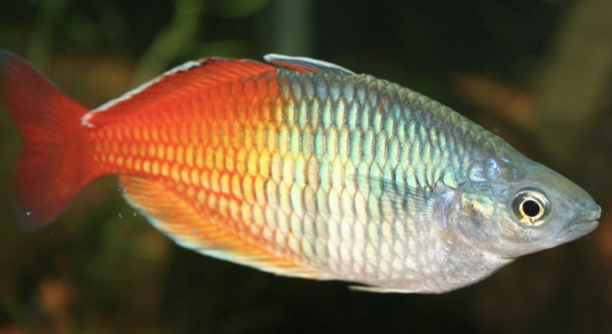
Rainbow fish are often admired for their vibrant colors and graceful movements. Many aquarium enthusiasts wonder if these colorful fish can sense human presence or movements. This article will explore whether rainbow fish have the ability to detect human activity.
Rainbow fish can sense human movement to some extent. They rely on their keen vision and sensitivity to environmental changes, allowing them to detect movement and react accordingly, though their response is often instinctual rather than based on human recognition.
Understanding how rainbow fish respond to their surroundings helps us appreciate their behaviors. There are a few factors that influence how these fish react to the presence of humans.
How Rainbow Fish React to Movement
Rainbow fish, like many other fish, rely heavily on their vision to understand their environment. They can detect movements, whether it’s the movement of water caused by a human or the shift in light and shadows around them. In an aquarium setting, they often show noticeable reactions to sudden movements, such as swimming away or becoming more alert. This response is instinctual and likely tied to their need to stay aware of potential threats in the wild. Even in a controlled aquarium setting, their sensitivity to movement is evident, as they seem to respond quicker to larger, faster movements compared to smaller, slower ones.
Their reaction to human movement is largely due to their natural instinct to avoid predators. They have evolved to notice shifts in their environment, helping them stay safe. While they may not specifically recognize a human as a threat, their instinct to swim away from sudden movements is clear.
This instinct to react to changes in their environment is essential for their survival. In the wild, rainbow fish need to be constantly aware of their surroundings to avoid predators and find food. Even in the safety of an aquarium, these instincts persist, causing them to react to human movement, though they may not fully associate humans with danger.
Environmental Factors at Play
Fish are sensitive to changes in their environment, which includes movements, vibrations, and even changes in water temperature. This heightened sensitivity allows rainbow fish to detect both large and subtle changes. As their eyes are adapted to seeing in water, they can perceive movement much more efficiently than humans.
The aquarium environment plays a big role in how rainbow fish react. The size of the tank, the lighting, and the overall habitat setup influence how these fish behave. Larger tanks with more space often allow the fish to feel less threatened, reducing sudden reactions to movements. In contrast, smaller tanks or those with poor water quality may make the fish more skittish. The way humans move around the tank also matters—slow and steady movements are less likely to startle the fish compared to quick, erratic actions.
How Rainbow Fish Use Vision to Detect Movement
Rainbow fish are highly visual creatures. Their ability to detect movement comes from specialized adaptations in their eyes, which are designed to capture even the smallest changes in light and movement around them. This keen sense helps them respond quickly to potential threats in their environment, even when humans are involved.
Fish like rainbow fish are adapted to detect changes in their surroundings, whether it’s a predator, prey, or environmental shift. They can pick up the smallest movements, which is vital for their survival. In an aquarium, even a human’s hand moving near the glass can trigger a reaction, making them more alert or causing them to swim away.
Their eyesight, combined with the sensitivity to vibrations, makes them acutely aware of what’s happening in their environment. This is one reason why fish often swim faster or change direction when something new enters their line of sight. They may not recognize the source of the movement but instinctively react to protect themselves.
The Impact of Tank Setup on Behavior
The way a tank is set up directly influences how rainbow fish respond to human movement. A well-maintained tank with plenty of hiding spots will make the fish feel more secure, allowing them to react less dramatically. On the other hand, a bare tank or overcrowded space can increase stress levels, making them more sensitive to movement.
Fish need space to swim comfortably and feel safe. A tank that mimics their natural habitat with plants, rocks, and plenty of room to move around can create a more stable environment. In smaller or poorly set-up tanks, rainbow fish are more likely to feel threatened by sudden movements. This environment triggers a heightened awareness of everything around them, including humans.
Fish in well-maintained tanks are less likely to be startled by every movement. The more comfortable they feel, the more they can adjust to the human presence without overreacting. Therefore, the setup of the tank should always be considered if you’re noticing an unusually nervous response from your fish to movement.
Sensitivity to Vibrations and Water Movements
Rainbow fish are highly sensitive to vibrations and water movements. Their lateral line system, a specialized sensory organ, helps them detect even the slightest disturbances in the water. This ability to sense vibrations plays a key role in how they respond to changes in their environment, including human movements.
This sensory adaptation helps rainbow fish detect predators or potential mates. When a human moves near the tank, their movements create slight changes in the water that the fish can detect. The fish may then react by swimming away or hiding, an instinctual response designed to keep them safe.
Their heightened sensitivity to vibrations is also why rainbow fish can appear more aware of their environment than other fish. The lateral line system makes them more attuned to changes in the water, including the ripples caused by a human’s movements.
Impact of Light and Shadows
The way light interacts with the water can also affect how rainbow fish react. Changes in light intensity or shadows moving across the tank can make the fish feel as though something is approaching them. They may respond by becoming alert or swimming to a different area.
Light and shadow changes, especially sudden shifts, create an illusion of movement in the water. This triggers the fish’s instinct to seek safety. While humans may not be the cause of the changes in light, the fish perceive them as potential threats. By adjusting the lighting in your tank, you can help manage how the fish respond to movement.
Temperature and Stress
Rainbow fish are sensitive to temperature changes, and shifts in water temperature can increase their stress levels. A sudden change in temperature or a fluctuation caused by external factors, like nearby human movement, can cause the fish to act more erratically.
Stress caused by temperature changes often results in fish darting around the tank or hiding in their shelters. Keeping the tank at a consistent, comfortable temperature can help reduce stress and promote more natural behavior. When the water is stable, rainbow fish are less likely to react dramatically to human movements.
FAQ
Do rainbow fish recognize humans?
Rainbow fish do not recognize humans in the same way pets like dogs or cats do. While they can detect movement and respond to it, they do not form bonds with humans. They react to changes in their environment based on their instincts. When a person moves near the tank, rainbow fish will often swim away or become more alert. However, this reaction is more about the movement itself than recognizing the human as a source of food or interaction. They are not emotionally attached to humans and do not associate people with safety or danger unless conditioned by feeding routines.
Why do rainbow fish swim away when I move near the tank?
Rainbow fish swim away when you move near the tank because of their natural instinct to avoid potential threats. Their sensitivity to movement and vibrations helps them detect predators in the wild. In an aquarium, even subtle changes, like the movement of a person, can trigger a flight response. It’s not that they are scared of humans specifically, but they are reacting to the sudden change in their environment. This instinct is essential for their survival, as they are hardwired to stay alert for possible danger.
Can rainbow fish see me if I’m standing far away from the tank?
Rainbow fish have good vision and can see objects at a distance, but their response depends on how much light and movement they can detect. If you’re standing far away from the tank, they may not react immediately unless there’s noticeable movement. The closer you are to the tank, the more likely they are to detect your presence. Their keen eyesight allows them to pick up on movements from farther away, but they might not react to distant, subtle movements the same way they would if you were closer.
How does the tank setup affect their reaction to movement?
The setup of the tank plays a crucial role in how rainbow fish react to movement. If the tank is well-planted and spacious, the fish are likely to feel more secure and less likely to react dramatically to sudden movements. A tank with hiding spots and places for the fish to retreat can reduce stress and make them feel more comfortable. However, in a smaller tank with little cover, the fish may feel more exposed and thus react more strongly to movements. The quality of the water and tank maintenance also impacts their stress levels and overall behavior.
Can rainbow fish get used to human presence over time?
Yes, rainbow fish can get used to human presence over time. While they don’t form strong emotional bonds like some other pets, they can become more accustomed to regular human interaction. If you consistently feed them at the same time or interact with them gently, they may start associating you with food. This can reduce their initial reaction to human movement, making them less likely to swim away when you approach the tank. However, they will still remain instinctively aware of their environment and may react if something unexpected happens.
Do rainbow fish prefer a lot of movement or a calm environment?
Rainbow fish generally prefer a calm environment with minimal disturbances. While they are active and enjoy swimming, too much movement can stress them out. Sudden changes in water flow or rapid movements from humans can cause stress, leading to erratic swimming behavior. A steady flow of water and a peaceful atmosphere will help rainbow fish feel secure. It’s important to avoid overloading the tank with too many fish or objects that may create unnecessary turbulence. A calm environment allows them to thrive and behave naturally.
Do rainbow fish prefer to be alone or in groups?
Rainbow fish are social creatures and prefer to be kept in groups. They feel safer when surrounded by other fish and often display more natural behavior when in a group. Keeping a single rainbow fish can lead to stress and loneliness, which might cause abnormal behaviors. In a group, rainbow fish tend to interact with each other, swim together, and even display more vibrant colors. A school of rainbow fish provides a sense of security, and they feel more comfortable reacting to movements or changes in the environment when they are with others.
How can I help rainbow fish feel more secure in the tank?
To help rainbow fish feel more secure in their tank, ensure that the setup is both spacious and enriched. Providing plenty of plants, rocks, and hiding spots allows the fish to retreat when they feel stressed. The water temperature should be stable and within their preferred range to prevent unnecessary stress. Limiting sudden movements around the tank and keeping the environment calm will help them feel safer. Additionally, maintaining good water quality and cleaning the tank regularly will contribute to their overall well-being and reduce the chances of stress-related reactions.
Do rainbow fish like bright lights, or do they prefer dim lighting?
Rainbow fish typically prefer moderate to bright lighting, which mimics their natural environment. However, they are not fond of overly intense or sudden changes in light. Gradual changes in lighting can help prevent stress. In an aquarium, it’s best to provide consistent lighting with a natural day-night cycle. A sudden change in brightness can cause the fish to feel threatened, as they may interpret it as a potential predator approaching. By ensuring the lighting is soft but adequate, you create a comfortable and secure environment for them to thrive.
Why do rainbow fish change color when I approach?
Rainbow fish may change color in response to stress or excitement when you approach the tank. This color change is a natural reaction to shifts in their environment. They may darken or brighten their colors based on their emotional state. In some cases, a more vibrant coloration may indicate that they are trying to attract a mate or signal dominance. However, if the fish are startled or stressed by sudden movement, they might display duller colors. This color change is often tied to their mood and is an instinctual response to the situation.
Final Thoughts
Rainbow fish are fascinating creatures, with their vibrant colors and active behavior. Their ability to detect movement and react to changes in their environment is essential for their survival. While they may not recognize humans on a personal level, they can sense our movements, and their reactions are often linked to their natural instincts. Whether they swim away or become more alert, it’s all part of their survival mechanism, ensuring they stay aware of potential dangers.
Understanding the factors that influence their behavior can help us create a better environment for them in our tanks. From the setup of the tank to the water quality and lighting, all these elements can impact how rainbow fish respond to human movements. A well-maintained tank with hiding spots, proper lighting, and stable water conditions will make them feel more secure. As a result, they may not react as strongly to human presence, making the experience more enjoyable for both the fish and the people observing them.
While rainbow fish may never form bonds with humans in the way some other pets might, they can get used to regular interaction over time. With patience and consistency, they may even associate humans with food, making them less likely to dart away at every movement. It’s important to remember, however, that their reactions are driven by instinct. Respecting their need for security and creating a calm, stable environment will go a long way in helping them thrive and behave naturally.

Hello,
If you enjoy the content that we create, please consider saying a "Thank You!" by leaving a tip.
Every little bit helps us continue crafting quality advice that supports the health, happiness, and well-being of pets around the world, for pets of all shapes, sizes, and species.
We really appreciate the kindness and support that you show us!