
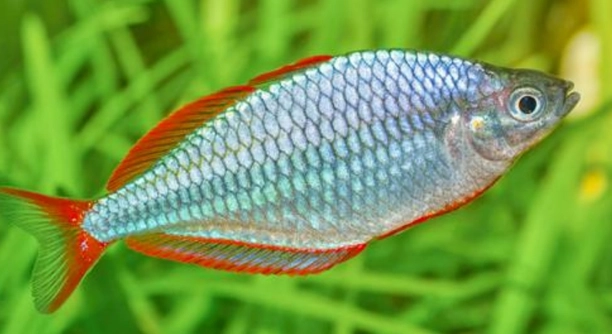
Rainbow fish are vibrant and social creatures. Many pet owners wonder about their emotional well-being, particularly whether they can feel lonely when alone. Understanding how they interact with others may shed light on this curiosity.
Rainbow fish are social animals that thrive in groups, often displaying more active behaviors when surrounded by companions. While they may not experience loneliness in the way humans do, isolation can lead to stress and behavioral changes.
This article explores the importance of companionship for rainbow fish and offers insights on creating a more balanced environment for them.
The Social Nature of Rainbow Fish
Rainbow fish are known for their lively and active personalities. In the wild, they swim in large schools, relying on the presence of others for both safety and social interaction. This natural behavior helps maintain their overall health and reduces stress. In captivity, however, the situation can be quite different. A single rainbow fish kept alone may not have the opportunity to engage in the social behaviors it thrives on. This can lead to a range of issues, such as lethargy and a lack of appetite, which are signs that something is missing in their environment. While not as complex as human emotions, rainbow fish do benefit from the stimulation provided by being around others.
Having a companion can significantly improve their quality of life. In the absence of this interaction, they may appear less active, which could be a sign of stress. For a healthy rainbow fish, it’s vital to provide the opportunity to socialize.
To create the best environment for rainbow fish, a few companions in a well-maintained tank can offer the comfort and stimulation they need. Social bonds in fish can be as crucial as in other animals.
Stress Signs in Rainbow Fish
A stressed rainbow fish can exhibit various signs, from erratic swimming patterns to changes in eating habits. These signs often indicate a lack of social interaction or poor living conditions.
Providing a well-maintained tank with suitable water conditions and multiple fish will help reduce stress levels. This allows the rainbow fish to feel more secure and interact naturally with others. Having companions nearby will provide them with the needed stimulation to stay active and healthy.
The Impact of Isolation on Rainbow Fish
When rainbow fish are kept alone, they may begin to show signs of distress, such as swimming in circles or staying hidden. These behaviors indicate that something isn’t right in their environment.
Rainbow fish need the company of others to feel comfortable and secure. In the absence of their kind, they can feel vulnerable and anxious. This isolation can lead to a weakened immune system, making them more susceptible to illness. The lack of social interaction can also affect their eating habits, with many fish becoming less inclined to feed. A lack of movement and energy could ultimately lead to health problems.
Fish that are part of a school tend to show more natural behaviors, such as schooling together and exhibiting more vibrant colors. The interaction with others reduces stress, leading to healthier fish that are more active and playful. It’s important to replicate this natural social structure in captivity to maintain their well-being.
How to Create a Better Environment
Creating a suitable habitat for rainbow fish goes beyond providing a clean tank and good water conditions. Adding multiple fish can simulate their natural environment and help reduce stress.
By introducing several rainbow fish of the same species, you can ensure that they feel comfortable and secure. It’s crucial, however, to pay attention to the tank size, as overcrowding can cause additional stress. A good rule of thumb is to allow about 1 inch of fish per gallon of water. The tank should also have enough hiding spots and plants, so fish feel safe and can retreat if needed. Proper lighting and filtration are also important for their overall health.
Can Rainbow Fish Live Alone?
While rainbow fish can survive alone, it’s not ideal for their well-being. They thrive in the company of others, and being solitary can lead to stress and health issues.
Having a single rainbow fish may cause it to become sluggish and less interactive. To ensure their happiness and health, it’s best to provide them with companions of their kind.
Benefits of Keeping Multiple Rainbow Fish
Rainbow fish are naturally social creatures, so having multiple in a tank encourages them to engage in more active and vibrant behavior. This leads to a happier and healthier fish.
Keeping a group allows rainbow fish to interact freely, reducing stress levels and promoting better immune function. Their behavior becomes more natural, and they often display their full colors. Multiple fish also helps prevent bullying or aggression, as the group dynamic spreads the attention.
Tank Size and Social Needs
The tank size plays a crucial role in housing multiple rainbow fish. A larger tank allows enough space for them to interact without feeling overcrowded.
A minimum of 20 gallons is recommended for a small group of rainbow fish, providing room for them to swim and explore. The right size tank will also ensure that water quality stays consistent, which is essential for maintaining their health.
FAQ
Can rainbow fish feel lonely without others?
Rainbow fish can feel lonely when kept alone. They are naturally social animals that thrive in groups. Without the company of other rainbow fish, they may experience stress, which can impact their health and behavior. These fish are accustomed to swimming in schools, and isolation can cause them to feel vulnerable. This can lead to signs of depression, such as a lack of appetite or reduced activity. For their well-being, it is essential to keep them in groups where they can interact freely with each other.
How many rainbow fish should I keep together?
Rainbow fish should be kept in groups of at least three to five. This number allows them to display their natural social behaviors and reduces stress. A group of fish will interact with one another, promoting better mental and physical health. Too few rainbow fish can cause isolation, while too many can lead to overcrowding, which brings its own set of challenges. Keeping a balance is key to maintaining a healthy environment for the fish.
What is the best tank size for rainbow fish?
A tank size of at least 20 gallons is recommended for a small group of rainbow fish. This provides enough space for them to swim around freely and reduces the likelihood of territorial aggression. The larger the tank, the more comfortable the fish will be. A spacious tank allows for proper filtration and water circulation, both of which are essential for maintaining a healthy aquatic environment. Larger tanks also give you more flexibility in choosing tankmates for your rainbow fish.
Do rainbow fish need a specific water temperature?
Yes, rainbow fish thrive in warmer water temperatures. A temperature range of 72°F to 78°F (22°C to 26°C) is ideal for most species. Water that is too cold can cause the fish to become sluggish and stressed, while water that is too warm may lead to oxygen depletion and other health issues. Regularly checking the water temperature with a reliable thermometer is important to ensure the fish are kept in their optimal environment. A heater should be used in cooler climates to maintain a consistent temperature.
Can rainbow fish live with other fish?
Rainbow fish are peaceful and can coexist with many other species. They do well with other community fish, especially those that share similar water and environmental needs. Avoid aggressive species or fish that may nip at their fins. Ideal tankmates for rainbow fish include other peaceful species like tetras, corydoras catfish, and small livebearers. Always consider the temperament and size of potential tankmates to ensure harmony in the tank.
How can I tell if my rainbow fish are stressed?
Stressed rainbow fish may display several signs, including lethargy, erratic swimming, or staying in one spot for extended periods. They might also hide or refuse to eat. Stress can be caused by factors like poor water quality, overcrowding, or lack of social interaction. If your rainbow fish are showing signs of stress, check the tank’s water parameters, ensure they are not alone, and assess the overall tank conditions. Addressing these factors can help relieve their stress.
What should I feed rainbow fish?
Rainbow fish are omnivores and enjoy a varied diet. Their food should include high-quality flake or pellet food, supplemented with frozen or live foods such as brine shrimp, daphnia, and bloodworms. Offering a variety of foods will help meet their nutritional needs and keep them healthy. It’s also important to feed them small amounts several times a day, as overfeeding can lead to water quality issues. Make sure to remove any uneaten food to prevent it from decomposing in the tank.
How long do rainbow fish live?
Rainbow fish have a lifespan of around 5 to 8 years in captivity, provided they are kept in optimal conditions. Factors like water quality, tank size, diet, and overall care can influence their longevity. Regular water changes, proper filtration, and maintaining a stable environment will help extend their life. Ensuring that rainbow fish live with compatible tankmates and are not stressed by environmental factors will also contribute to their well-being and lifespan.
Are rainbow fish easy to care for?
Rainbow fish are relatively easy to care for, especially when their basic needs are met. They are hardy fish that adapt well to a variety of tank conditions, as long as the water is clean and they are kept with compatible tankmates. Regular water changes, proper filtration, and maintaining a consistent water temperature are essential for their health. They are not overly demanding but do benefit from a proper social environment and a balanced diet.
Do rainbow fish breed in captivity?
Rainbow fish can breed in captivity, but it requires a bit of effort. To encourage breeding, you should keep a group of healthy fish in a spacious tank with stable water conditions. The fish typically breed in the early morning hours, and the males will chase and display to the females. Once the female is ready to lay eggs, she will scatter them around the tank, often in plants or on the substrate. After spawning, the eggs hatch in a few days. It’s important to remove the adult fish after breeding to prevent them from eating the eggs.
Final Thoughts
Rainbow fish are vibrant, peaceful creatures that thrive in the company of their kind. While they can survive alone, they do best when kept in groups. The social nature of rainbow fish means they rely on interaction with others to maintain their well-being. Without the company of fellow fish, they may experience stress, which can lead to health issues. If you’re thinking of keeping rainbow fish, it’s essential to provide them with enough companions to ensure they are happy and healthy. A group of at least three to five fish is ideal for reducing loneliness and promoting natural behaviors.
Creating the right environment is also key to the happiness of rainbow fish. A tank that’s spacious enough for them to swim and interact freely will help reduce stress. The minimum tank size for a small group of rainbow fish should be 20 gallons, allowing enough space for them to move around without feeling cramped. Regular water changes, proper filtration, and a stable temperature range are essential for their health. By mimicking the conditions of their natural habitat, you provide an environment where rainbow fish can flourish. Including plants, rocks, and hiding spots also makes the tank feel more like their natural surroundings, offering them a sense of security.
Overall, rainbow fish are relatively easy to care for, but they do require attention to detail. Providing a suitable tank size, a proper social environment, and a balanced diet will ensure they stay healthy and vibrant. These fish can live for several years if well cared for, and keeping them in a group is the best way to ensure they lead a happy and fulfilling life. Whether you’re new to fishkeeping or have experience, rainbow fish can be a beautiful addition to any aquarium, offering both visual appeal and interactive behaviors.

Hello,
If you enjoy the content that we create, please consider saying a "Thank You!" by leaving a tip.
Every little bit helps us continue crafting quality advice that supports the health, happiness, and well-being of pets around the world, for pets of all shapes, sizes, and species.
We really appreciate the kindness and support that you show us!