
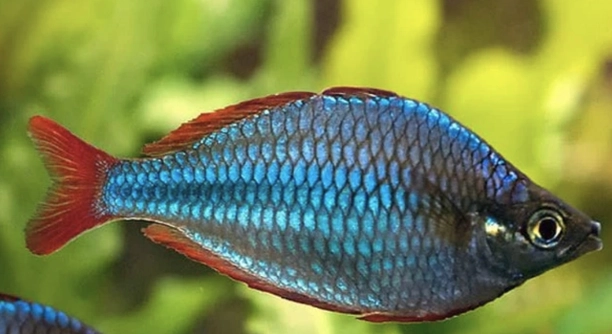
Overcrowding in aquariums can cause stress and discomfort for many fish species, including rainbow fish. These fish need enough space to swim freely and establish territories for their well-being. Understanding the impacts of overcrowding is essential for their care.
Rainbow fish thrive in well-balanced environments where space is prioritized. Overcrowding leads to stress, aggression, and compromised health. With limited swimming room, their behavior may become erratic, leading to increased competition for resources and a decline in overall health.
Ensuring an appropriate tank size and spacing between fish will help maintain a peaceful and healthy environment. Understanding these factors will benefit both your rainbow fish and the overall harmony of your aquarium.
Overcrowding and Stress
Stress is one of the main consequences of overcrowding in a tank. Rainbow fish need plenty of room to swim, and when they are confined to a small space, they often become stressed. This stress can lead to health issues like weakened immune systems, which makes them more vulnerable to diseases. Furthermore, stress can cause erratic behavior, such as hiding constantly or swimming aimlessly. Rainbow fish are social, but they still need adequate space to establish their own territories. Without it, aggression among fish becomes common, which further contributes to their stress levels.
Even though rainbow fish can be territorial, they prefer environments with sufficient space to interact calmly with others. When overcrowded, they may not only show signs of aggression but also retreat into hiding spots, avoiding interaction with others. These behaviors are direct signs of a stressed fish. By providing enough space for each fish to feel secure, you can help them live more peacefully and remain healthier overall.
The key to preventing overcrowding stress is to ensure your aquarium has the right dimensions. A larger tank with more hiding spots will help your rainbow fish feel secure and at ease. Maintaining a proper stocking ratio allows each fish to thrive, reducing stress and aggression.
Aggression and Competition
In a crowded tank, rainbow fish are forced into competition for food, territory, and space. With too many fish in close proximity, they cannot maintain their normal social structure, leading to constant tension. Fish that feel overcrowded tend to fight for dominance. This is especially problematic with rainbow fish, which are naturally peaceful creatures. However, overcrowding pushes them to become more aggressive, as they must compete for vital resources.
When aggression becomes a regular occurrence, it affects the health of the entire tank. Injuries from fights can leave fish vulnerable to infections, which may spread quickly throughout the aquarium. Furthermore, the constant stress of competing can weaken their immune systems, making them more susceptible to illness. Ensuring that your tank is not overcrowded helps reduce competition for food, promoting healthier, more peaceful behavior among your fish. With fewer conflicts, each fish is more likely to have access to food and space, promoting a balanced and healthy ecosystem.
Poor Water Quality
Overcrowding directly affects the quality of water in an aquarium. With too many fish, waste accumulates faster than the filtration system can handle. This can lead to high levels of toxins, like ammonia and nitrites, which can harm rainbow fish. Poor water quality results in weakened immune systems and increases the risk of disease outbreaks.
To prevent water quality issues, it’s crucial to perform regular water changes and monitor the filter’s efficiency. With fewer fish, the water stays cleaner for longer. Additionally, reducing the number of fish can help ensure that the filter can handle the waste load more effectively. By controlling overcrowding, you give your rainbow fish a cleaner, safer environment to thrive in. This will lead to healthier fish with stronger immune systems, less stress, and fewer diseases.
Maintaining water quality becomes increasingly difficult as the number of fish in the tank grows. When overcrowded, the nitrogen cycle struggles to keep up, causing spikes in harmful substances. Even with the best filtration systems, the buildup of waste in an overcrowded tank can overwhelm the system. Over time, this affects the health of the fish and increases the need for more frequent maintenance.
Decreased Growth and Lifespan
When rainbow fish are overcrowded, they struggle to reach their full potential in terms of size and lifespan. Limited space and constant stress impede their growth, leading to stunted development. With overcrowding, fish must compete for food, which reduces the amount of nutrients each fish receives. As a result, growth slows down, and the fish might never reach their maximum size.
The stress from overcrowding also takes a toll on their overall well-being. Stress hormones, like cortisol, rise, which can disrupt various body functions. This prolonged stress reduces the fish’s ability to recover from illnesses and can shorten their lifespan. Healthy growth and longevity depend on a stress-free environment with plenty of room to swim and feed without competition.
Difficulty in Breeding
Overcrowding can make it hard for rainbow fish to breed. In a cramped environment, fish experience constant stress, which disrupts their natural breeding behaviors. As a result, reproduction becomes less frequent or even impossible. The lack of space affects their ability to form proper pair bonds.
Additionally, crowded tanks create competition for breeding spots. Without a suitable place to establish territory, fish may avoid mating altogether. Stressful conditions can also lead to lower fertility rates. For successful breeding, rainbow fish need a peaceful, spacious environment where they can find privacy and comfort to engage in natural mating behaviors.
Reduced Filtration Efficiency
As the number of fish in the tank increases, the filtration system becomes overwhelmed. Overcrowding creates more waste, and the filter struggles to keep up. Inadequate filtration causes a buildup of harmful substances, which further contributes to poor water quality. Maintaining proper filtration is essential for fish health.
The added strain on the filter means that harmful chemicals, like ammonia, cannot be removed effectively. As a result, the water becomes toxic, increasing the risk of diseases and stressing out the fish. To avoid this, ensure your tank’s filtration system is appropriate for the number of fish and their needs.
Limited Space for Movement
Rainbow fish thrive in environments where they have enough space to swim freely. Overcrowding limits this space, which causes stress and poor health. They require ample room to display natural behaviors like foraging and exploring. Lack of space leads to frustration and diminished overall health.
FAQ
What size tank is ideal for rainbow fish?
Rainbow fish need a tank large enough to accommodate their natural swimming habits. A tank of at least 30 gallons is recommended for a small group of rainbow fish. For each additional fish, it’s best to add 10-15 gallons of water. This provides enough space for them to swim freely without feeling overcrowded. Larger tanks, such as 55 gallons or more, allow for a more peaceful and balanced environment where fish can exhibit their natural behaviors.
How many rainbow fish can I keep in a 20-gallon tank?
A 20-gallon tank is a bit small for rainbow fish, as they require ample space to thrive. Ideally, only one or two fish should be kept in a 20-gallon tank. However, it is important to note that smaller tanks often require more frequent maintenance to maintain water quality. Overcrowding in a 20-gallon tank can lead to stress, reduced growth, and health problems for the fish.
Can rainbow fish live with other species?
Rainbow fish can live peacefully with a variety of other species, provided those species are not overly aggressive. They are generally peaceful and enjoy a community environment. However, it’s important to choose tank mates that can tolerate similar water conditions, as well as fish that are not too territorial. Smaller fish like tetras or peaceful gouramis often make good companions.
How often should I clean my tank with rainbow fish?
Rainbow fish require a clean and healthy environment, so regular tank maintenance is crucial. You should perform partial water changes of about 25-30% once a week, depending on the tank size and stocking level. Cleaning the substrate and removing excess food or waste helps maintain water quality. Additionally, ensure that your filtration system is working properly, and clean the filter as needed to avoid clogging.
What are the signs of stress in rainbow fish?
Stress in rainbow fish can manifest in several ways. They may start hiding more than usual, displaying erratic swimming patterns, or having a lack of appetite. Aggression among tank mates may increase, and some fish may even develop physical signs like faded colors or fin damage. Stress can also weaken their immune system, making them more susceptible to diseases. Identifying and addressing the source of stress, like overcrowding, poor water quality, or unsuitable tank mates, is important for their well-being.
Can I keep rainbow fish with shrimp or snails?
Rainbow fish can live with both shrimp and snails, but it depends on the species of rainbow fish and their size. Smaller rainbow fish are generally safe around shrimp, as they are not aggressive enough to harm them. However, larger rainbow fish may view smaller shrimp as food. Snails, on the other hand, are usually safe companions, as rainbow fish tend to ignore them. Be sure to monitor the tank for any signs of aggression and ensure the water conditions are suitable for all species.
How do I reduce aggression in a tank with rainbow fish?
To reduce aggression, make sure there is enough space in the tank for each fish. Properly stocking the tank is crucial to avoid territorial disputes. Rainbow fish are social creatures, but overcrowding and inadequate space can lead to fights. Providing hiding spots and decorations also helps reduce stress and gives fish a place to retreat if needed. Additionally, ensure that the fish are well-fed and that there is no competition for resources.
What is the best diet for rainbow fish?
Rainbow fish are omnivores and require a balanced diet consisting of both plant and animal-based foods. High-quality flake or pellet food can serve as a staple, supplemented with live or frozen foods like brine shrimp, bloodworms, or daphnia. Vegetables, such as spinach or zucchini, can be offered occasionally. It’s important to vary their diet to provide them with all the necessary nutrients for healthy growth and vibrant coloration.
Are rainbow fish hardy?
Rainbow fish are relatively hardy and can adapt to a range of water conditions. However, they still require stable water parameters and good water quality to thrive. They prefer slightly acidic to neutral water with a temperature range of 72-80°F (22-27°C). Sudden changes in water quality or temperature can stress them, so consistency is key to their long-term health.
How do I know if my rainbow fish are sick?
Signs of illness in rainbow fish can include changes in behavior, such as lethargy or loss of appetite. You may also notice physical changes like discoloration, clamped fins, or abnormal swimming patterns. Skin lesions, bloating, or rapid gill movement are also indicators that something may be wrong. If you suspect illness, it’s essential to isolate the affected fish and seek treatment promptly to prevent the spread of disease.
Do rainbow fish need a heater?
Yes, rainbow fish do need a heater to maintain a stable water temperature. They thrive in tropical temperatures ranging from 72-80°F (22-27°C). A consistent temperature is crucial for their health and well-being. Without a heater, the water temperature may fluctuate too much, causing stress and making the fish more susceptible to illness.
Can rainbow fish live in cold water?
Rainbow fish are tropical fish and are not suited for cold water. They need warm water to remain healthy, with temperatures between 72-80°F (22-27°C). Cold water can cause stress, suppress their immune system, and slow their metabolism. If the water temperature is too low, rainbow fish may not thrive and could suffer from various health issues.
What is the lifespan of rainbow fish?
Rainbow fish can live for several years if given proper care. On average, their lifespan ranges from 5 to 8 years, though some species may live longer. Providing them with a spacious tank, appropriate tank mates, and a balanced diet will help ensure they reach their full lifespan. Regular maintenance of water quality and avoiding overcrowding also contributes to their longevity.
Are rainbow fish easy to care for?
Rainbow fish are generally easy to care for, as long as their basic needs are met. They do well in community tanks and are adaptable to different water conditions, but they require a stable environment to thrive. Ensuring that they have enough space, proper filtration, and a balanced diet will make their care relatively simple. Regular water changes and monitoring for signs of stress will help keep them healthy and happy.
Final Thoughts
Rainbow fish are a popular choice for many aquarium enthusiasts because of their vibrant colors and peaceful nature. However, to ensure they thrive in your tank, it’s important to consider their specific needs. Overcrowding can cause a range of issues, from stress to health problems, that could ultimately affect the fish’s well-being. Maintaining an appropriate tank size, keeping the water quality high, and offering enough space for swimming are all essential for their happiness. By meeting these needs, you can enjoy the beauty of these fish for years to come.
Overcrowding is one of the most common mistakes people make when keeping rainbow fish. While it may seem tempting to add more fish to your tank, it’s crucial to understand the consequences. When fish are packed too tightly in a tank, they experience constant stress. This leads to a weakened immune system, making them more vulnerable to diseases. Additionally, overcrowding can disrupt their natural behavior, as they won’t have enough space to swim freely. Ensuring your tank is spacious enough for your fish is key to keeping them healthy and vibrant.
Aside from space, proper water conditions, a varied diet, and suitable tank mates are all factors that contribute to the health of your rainbow fish. They are hardy and adaptable, but like any pet, they require care and attention. By maintaining a balanced environment, you can reduce stress and encourage natural behaviors, leading to happier fish and a more successful aquarium. In the end, it’s about understanding the balance between the fish’s needs and the conditions of your tank. By respecting their space and health, you’ll ensure they live a long and healthy life.

Hello,
If you enjoy the content that we create, please consider saying a "Thank You!" by leaving a tip.
Every little bit helps us continue crafting quality advice that supports the health, happiness, and well-being of pets around the world, for pets of all shapes, sizes, and species.
We really appreciate the kindness and support that you show us!