
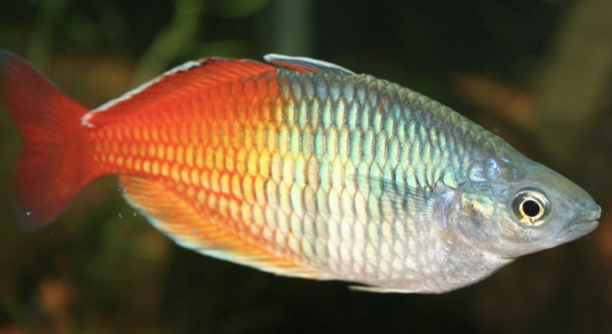
Loud noises can have a significant impact on the health of your rainbow fish. Whether it’s the hum of a filter or background noise, it’s important to understand how these sounds affect your fish tank environment.
Excessive noise can stress rainbow fish, leading to health issues such as reduced immune function and abnormal behavior. Maintaining a quiet environment ensures that these sensitive creatures feel safe and thrive in their aquatic space.
Creating a calm atmosphere will help your rainbow fish flourish. Learning more about how sound affects them can make all the difference in keeping them healthy and happy.
How Loud Noises Affect Rainbow Fish Behavior
Noise can significantly alter how your rainbow fish behave. These fish are sensitive to vibrations and sounds in their environment. Sounds from pumps, air filters, or even loud conversations can cause stress. In a noisy tank, rainbow fish may show signs of agitation, such as rapid swimming or hiding more than usual. When exposed to constant loud noise, they may even refuse to eat, affecting their overall health. A consistent loud environment may also disturb their breeding patterns, as stress impacts the hormonal balance required for reproduction. Understanding how sounds affect their behavior is key to providing a peaceful and healthy tank.
A loud environment can trigger anxiety in rainbow fish. Stress responses like erratic swimming are common when there’s too much noise. Keeping the tank quiet ensures that your fish feel secure.
A quiet tank with minimal disturbances promotes natural behaviors. When fish aren’t stressed, they’re more likely to eat regularly, swim calmly, and interact with their tank mates in a balanced way. In contrast, constant noise can lower their immunity, leaving them more susceptible to disease. Fish can also become more territorial, aggressive, or withdrawn in a noisy setting, which makes it harder for the tank’s ecosystem to thrive. Ensuring that you reduce unnecessary sound exposure helps maintain a healthier tank, reducing the risk of illness and promoting better social interactions between fish.
Why Your Rainbow Fish Need Peace and Quiet
Fish are easily startled, and loud sounds in their environment can be unsettling.
Ensuring your rainbow fish live in a quiet tank reduces stress and keeps them happy. A calm environment leads to healthier fish. It’s important to consider the impact of sound on their long-term well-being.
Sources of Noise in a Rainbow Fish Tank
There are several common sources of noise in a fish tank. The most noticeable ones include air pumps, filters, and water jets. The hum or buzz from these devices can be amplified if they are not properly maintained. Other sources of noise include nearby household appliances or loud voices. These sounds can disrupt the peaceful environment rainbow fish need to feel safe and secure. Minimizing these sounds is essential for creating an ideal space for your fish to thrive.
Fish tanks often come with equipment that is necessary for filtration and aeration, but they are not always silent. Air pumps and filters create continuous background noise that may not be immediately noticeable to humans but can be quite disturbing to fish. The sound from these devices can stress out your fish, causing them to swim erratically or avoid certain areas of the tank. Even the subtle noise of bubbles or water splashing can have an impact, especially if the fish are sensitive to vibrations.
To reduce the noise, consider investing in quieter equipment designed to operate with minimal sound. Also, keeping the tank away from high-traffic areas or places with a lot of external noise can help create a more peaceful environment. Ensuring that filters and pumps are in good working condition can also reduce unnecessary sound. This way, you can minimize disruptions and maintain a calm atmosphere for your rainbow fish.
How to Manage Noise in a Rainbow Fish Tank
Maintaining a quiet tank can be challenging, but it’s not impossible.
One of the easiest ways to manage noise is to choose equipment that is designed to run quietly. Some pumps and filters are designed with sound-dampening features, making them quieter than traditional models. You can also place your tank in an area of the room that is less likely to be disturbed by outside noise. For example, keeping your tank away from loud electronics or traffic will help reduce external noise that can affect your fish.
In addition to quieter equipment, adding sound-absorbing materials to the room can help reduce overall noise levels. Carpet or rugs under the tank can reduce vibrations, while thick curtains can block out sound from outside. Simple changes like these can make a significant difference in the noise levels of your tank, ensuring your rainbow fish feel more at ease. You should also avoid tapping the glass or making sudden movements around the tank, as this can startle your fish and add unnecessary stress to their environment.
The Impact of High Noise Levels on Fish Health
High noise levels can cause long-term stress in rainbow fish. Stress affects their immune system and can make them more vulnerable to diseases. In extreme cases, constant noise can lead to death, especially in younger or weaker fish. Therefore, it’s crucial to minimize any loud disturbances in their environment.
Fish are more likely to hide or become aggressive when exposed to loud noises. This disrupts their social behavior and feeding habits. A stressful environment reduces their overall health and prevents them from thriving. Keeping the tank quiet ensures that your fish stay healthy and active.
Solutions for Quieting Your Rainbow Fish Tank
The best way to quiet your tank is by choosing low-noise equipment and positioning it properly.
Low-noise air pumps and filters will help minimize disturbances. You can also dampen the sound of water splashing by adjusting the water flow or adding softer equipment like sponge filters. These adjustments help maintain a peaceful environment.
Why Vibrations Matter for Rainbow Fish
Vibrations can be just as disruptive as noise.
Rainbow fish are sensitive to vibrations, which can affect their behavior and stress levels. Reducing vibrations in the tank can help them feel safer and more comfortable, encouraging them to behave naturally.
FAQ
How do I know if my rainbow fish are stressed from noise?
Rainbow fish will often display signs of stress, such as erratic swimming, hiding more than usual, or reduced appetite. If your fish are constantly darting around the tank or avoiding social interactions, they may be reacting to loud noises. You might also notice that they are more easily startled by your movements or sounds outside the tank. If you observe these behaviors consistently, it’s likely that noise is causing them stress.
Can I keep my rainbow fish tank near a noisy area?
It’s best to avoid placing your tank near high-traffic or noisy areas. Although some noise might be unavoidable, too much sound can lead to stress. Try to keep the tank in a quieter part of the room, away from loud appliances or electronics. Noise from these sources can disrupt your fish’s natural behavior and make them feel unsafe. A quiet environment encourages a calm, healthy atmosphere for your fish.
Will loud music affect my rainbow fish?
Yes, loud music can affect your rainbow fish. Fish are sensitive to vibrations, and music with high volumes or heavy bass can disturb their environment. Even if the music isn’t directly heard by the fish, the vibrations can be felt through the water, causing them stress. It’s better to play music at a low volume or keep it in a different room to maintain a peaceful atmosphere for your tank.
Can a filter or air pump be too loud for my rainbow fish?
Yes, a noisy filter or air pump can stress out your rainbow fish. These devices, while essential for maintaining a healthy tank, can create constant vibrations and noise. If you notice that your fish are more stressed or behaving oddly, it may be time to check the noise levels of these devices. Consider replacing them with quieter models or adjusting their placement to minimize the sound.
What’s the ideal noise level for a rainbow fish tank?
Rainbow fish thrive in a calm environment. Ideally, the noise level should be low enough that it doesn’t disturb their daily activities. A peaceful tank promotes healthy behavior, better social interactions, and reduces the risk of illness. Aim to minimize unnecessary noise from filters, pumps, and external sources. Keeping the tank in a quiet area and using quiet equipment helps maintain the best environment for your fish.
How can I reduce noise in my fish tank without affecting water quality?
To reduce noise, focus on using quieter equipment, such as low-noise filters and air pumps. Additionally, consider placing a mat or rug underneath the tank to absorb vibrations. You can also adjust the water flow to minimize splashing and reduce turbulence in the tank. Be mindful that changes should not compromise the quality of water filtration or oxygenation. Regularly clean your equipment to ensure it runs quietly and efficiently.
Is it okay to place my tank near a window?
While placing your tank near a window may offer natural light, it’s not ideal if the window is in a high-traffic area. The sounds from outside, including traffic, voices, or other disturbances, can affect your fish. Also, sunlight can lead to algae growth in the tank. If you do place your tank near a window, ensure it’s in a relatively quiet spot and consider using curtains to block external noise.
Does water temperature play a role in how noise affects rainbow fish?
Yes, water temperature can influence how rainbow fish react to noise. If the water temperature is too high, it can cause fish to become more sensitive to environmental stressors, including noise. A well-maintained tank with stable water temperature will help your fish cope better with noise. Ensure that the water is within the optimal range for your rainbow fish to keep them healthy and more resilient to stress.
Can noise affect rainbow fish reproduction?
Yes, stress caused by noise can disrupt rainbow fish reproduction. Constant stress can lead to hormonal imbalances, which may prevent your fish from breeding. The presence of loud, persistent sounds can make the fish feel unsafe, which can interfere with their natural mating behavior. For the best chance of successful breeding, try to keep the tank quiet and stress-free.
What are some signs of poor tank conditions caused by noise stress?
Signs of poor tank conditions due to noise stress include fish displaying aggressive behavior, refusing to eat, or swimming erratically. You might also see a decrease in social behavior, where fish become more solitary or hide more often. Long-term stress can weaken their immune systems, making them more susceptible to illness. Regular monitoring of both the water conditions and the fish’s behavior can help you identify issues early.
Should I turn off the air pump or filter at night?
Turning off the air pump or filter at night is not recommended. While the noise may seem disruptive, these devices are essential for maintaining the water quality in your tank. Without them running, oxygen levels may drop, and waste can accumulate, leading to unhealthy water conditions. Instead, consider switching to quieter equipment that runs efficiently without causing excess noise during both the day and night.
Can I add soft materials to my tank to reduce noise?
Adding soft materials like foam or rubber mats under the tank or around the equipment can help reduce vibrations and noise. These materials absorb sound and prevent it from traveling through the tank. However, be sure that these materials do not interfere with water circulation or filtration. The goal is to reduce noise without compromising the overall health of the tank’s ecosystem.
Final Thoughts
Keeping rainbow fish in a peaceful environment is crucial for their overall health and well-being. High noise levels can lead to stress, which can affect their behavior, immune system, and even their lifespan. It’s essential to recognize that fish are more sensitive to sound and vibrations than we might think. Noise, whether from external sources like loud music or from aquarium equipment such as filters and air pumps, can disturb the fish’s natural behaviors and make them feel unsafe. Understanding these factors is the first step in providing a calm and thriving environment for your rainbow fish.
To minimize stress in your tank, focus on reducing noise and vibrations. Choosing low-noise equipment like quiet filters and air pumps will significantly lower the impact of sound on your fish. Additionally, placing the tank in a quiet area away from high-traffic spaces can help prevent external noise from disturbing them. Small changes, like adjusting the water flow or adding dampening materials beneath the tank, can make a big difference in maintaining a peaceful atmosphere. It’s also important to avoid keeping the tank near windows that might expose the fish to outside noise or sunlight, which can contribute to algae growth.
A quiet, stable environment will allow your rainbow fish to thrive. They will behave more naturally, interact with each other in a healthy way, and exhibit vibrant colors. On top of that, minimizing stress through noise reduction will improve their immune system, making them less prone to diseases. By paying attention to these factors and making small adjustments to your aquarium setup, you will create an ideal environment for your fish. With the right care, your rainbow fish will live a happy, healthy life, free from the disruptions caused by loud noises.

Hello,
If you enjoy the content that we create, please consider saying a "Thank You!" by leaving a tip.
Every little bit helps us continue crafting quality advice that supports the health, happiness, and well-being of pets around the world, for pets of all shapes, sizes, and species.
We really appreciate the kindness and support that you show us!