
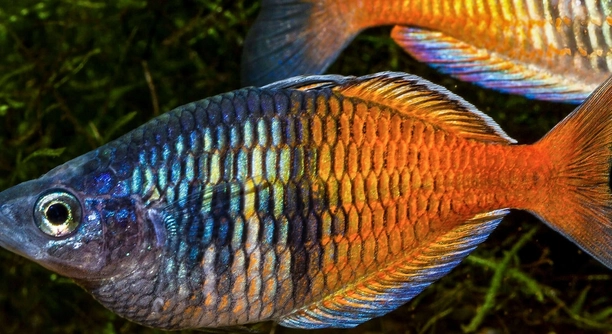
Rainbow fish are often admired for their colorful appearance and captivating movements. However, their intelligence is something that has piqued the interest of many aquarium enthusiasts and researchers alike. Understanding their cognitive abilities is still evolving.
Studies suggest that rainbow fish display some level of intelligence, particularly in learning and memory tasks. They have been observed to navigate environments, recognize other fish, and even respond to various stimuli. However, their cognitive capabilities are not as advanced as those of more complex animals.
Their behavior is fascinating and shows they are more perceptive than many might assume. Exploring their intelligence can offer new insights into the way these beautiful fish interact with their surroundings.
How Do Rainbow Fish Learn?
Rainbow fish show the ability to learn from their environment, especially when it comes to recognizing patterns. They can adjust their behavior based on previous experiences, which points to their ability to remember and react to specific situations. These fish often learn from the changes in their surroundings, such as shifts in water temperature or the introduction of new tankmates. This behavior suggests they are capable of adapting to varying conditions, which is a sign of some cognitive processing.
In studies, rainbow fish have been shown to learn tasks that involve navigating mazes or identifying specific cues. This kind of learning indicates a higher level of intelligence than instinctual behavior alone. Although not as advanced as more complex species, these fish can solve problems that require memory and recognition.
Understanding how rainbow fish learn can help aquarium owners provide better care. For instance, offering different environmental stimuli might enhance their ability to learn and adapt. Over time, rainbow fish might even become accustomed to recognizing their caregivers, adding another layer to their cognitive abilities.
Can Rainbow Fish Problem-Solve?
Problem-solving is another intriguing aspect of rainbow fish behavior. While they may not solve problems in the same way mammals do, they can make decisions based on their experiences.
Rainbow fish show the ability to navigate challenges, such as finding food or avoiding obstacles in their tanks. Their problem-solving skills are limited, but they are enough to help them thrive in varied environments. By observing them closely, you may notice how they respond to different challenges, like searching for food in different locations or finding paths around obstacles. This ability to make decisions based on environmental factors points to some level of cognitive processing.
This basic problem-solving ability is essential for survival in the wild, as it allows the fish to adapt and find resources. While rainbow fish may not use advanced strategies, their ability to solve simple problems indicates that their intelligence is more complex than initially assumed.
Social Behavior in Rainbow Fish
Rainbow fish display social behaviors that hint at their cognitive abilities. They live in schools, which provides them with a sense of safety and a better chance of finding food. These fish communicate through body language and positioning, indicating some level of social awareness.
In a tank, rainbow fish often engage in synchronized swimming and display a clear understanding of group dynamics. They are aware of each other’s presence and will often school together, adjusting their movements to stay with the group. This behavior shows a form of communication, even if it’s not vocal.
Their social behavior can be quite complex, as they also demonstrate the ability to react to changes in the group. If a member of the group is removed or new fish are introduced, the rest of the school adjusts its formation. This adaptability in social behavior suggests that rainbow fish possess a deeper understanding of their surroundings and interactions than just instinctual reactions.
Do Rainbow Fish Have Memory?
Rainbow fish have been shown to possess memory capabilities. They can recall past experiences, which influences their decisions and interactions. This ability to retain information is crucial for their survival, as it helps them navigate their environment more effectively.
Memory in rainbow fish is essential for learning tasks and recognizing patterns. Studies have demonstrated that they can remember certain locations, like where food is typically found, or identify tankmates they encounter regularly. This memory allows them to anticipate future events and make better decisions based on their past experiences.
Although their memory isn’t as developed as that of mammals, rainbow fish are capable of remembering important information. This ability to retain experiences helps them adapt to their surroundings and thrive in both the wild and in captivity. Understanding their memory can improve how we care for them in aquariums.
Can Rainbow Fish Recognize Humans?
Rainbow fish are capable of recognizing their caregivers. This behavior is not as advanced as that of more intelligent species, but it shows that they can distinguish between individuals and respond accordingly. They may react differently to their owners compared to strangers.
In some cases, rainbow fish have been seen swimming towards their owners during feeding time or when interacting with their tanks. This suggests they remember the person who regularly cares for them. While they don’t form emotional bonds like mammals, their ability to recognize humans is an interesting sign of their cognitive skills.
Are Rainbow Fish Emotionally Intelligent?
Rainbow fish do not show signs of emotional intelligence in the way mammals do. However, they do display certain behaviors that could be interpreted as emotional responses. They react to environmental changes, such as shifts in light or temperature, with noticeable changes in behavior.
Their reactions to stress or fear also point to a basic level of emotional processing. For example, when introduced to a new tank or after a tankmate is removed, rainbow fish may exhibit signs of distress, such as hiding or swimming erratically. These reactions highlight their sensitivity to changes in their environment.
Do Rainbow Fish Experience Stress?
Rainbow fish can experience stress, much like other animals. Stressful conditions, such as poor water quality, overcrowding, or changes in their environment, can cause noticeable changes in behavior. Stress can lead to physical symptoms like color fading or changes in swimming patterns.
Monitoring the health of rainbow fish involves understanding their stress triggers and adjusting the environment accordingly. For instance, introducing new tankmates slowly and maintaining a stable environment can reduce stress. Keeping their water clean and offering hiding spaces can also help them feel more secure.
FAQ
Do rainbow fish have good vision?
Rainbow fish have relatively good vision compared to many other fish species. They can see colors clearly, which is essential for navigating their environments and interacting with each other. Their eyes are adapted to detect different wavelengths of light, helping them spot predators or food sources. The clarity of their vision is part of what helps them survive in the wild, as they need to react quickly to changes in their environment. In aquariums, ensuring proper lighting can support their natural vision abilities and help them thrive.
How can I tell if my rainbow fish are happy?
Rainbow fish often display signs of happiness or contentment through their active and social behavior. If your fish are swimming actively, schooling together, and exploring their tank, it’s a good indicator they feel comfortable in their environment. Healthy rainbow fish also have vibrant colors and smooth, steady swimming patterns. Conversely, if they are hiding excessively, swimming erratically, or losing their color, it might be a sign of stress or poor health. Keeping their environment stable and offering a proper diet can help them maintain a sense of well-being.
Can rainbow fish live alone?
Rainbow fish are social creatures and prefer to be in groups. While they can survive alone, they are more likely to thrive when kept with other rainbow fish or compatible tank mates. In the wild, they are often found swimming in schools, and keeping them in a group in an aquarium mimics their natural behavior. A school of at least six or more is ideal for their mental and physical well-being. If kept alone, they may become stressed, which can lead to health problems.
Do rainbow fish require a specific tank size?
Rainbow fish do best in tanks with plenty of space to swim, as they are active fish. A minimum tank size of 30 gallons is recommended for a small school, though larger tanks are better for ensuring they have enough room. The tank should have a gentle current, as rainbow fish are not strong swimmers. They also appreciate having plenty of plants or decorations to hide and explore. Ensuring the tank is large enough will help reduce stress and promote healthier, happier fish.
What temperature should the water be for rainbow fish?
Rainbow fish thrive in warm water, with a recommended temperature range of 72°F to 78°F (22°C to 26°C). Maintaining a stable temperature is key to their well-being. Water that is too cold can cause stress and weaken their immune system, while water that is too hot can lead to oxygen depletion and increased vulnerability to disease. A reliable aquarium heater and thermometer will help you keep the water within the optimal range for your rainbow fish.
What do rainbow fish eat?
Rainbow fish are omnivores and enjoy a varied diet. They can be fed a combination of high-quality flakes, pellets, and frozen or live foods such as brine shrimp, daphnia, or bloodworms. A balanced diet is important for maintaining their vibrant colors and overall health. Offering a mix of plant-based and protein-rich foods will ensure they get all the necessary nutrients. Be careful not to overfeed, as this can lead to poor water quality and health issues for the fish.
How often should I feed my rainbow fish?
Rainbow fish should be fed once or twice a day, depending on their age and activity level. It’s important to provide them with only as much food as they can consume within a few minutes to avoid overfeeding. Young rainbow fish may require more frequent feedings, while adults can thrive with one or two meals a day. Remember to remove any uneaten food to keep the water clean and reduce the risk of water quality issues.
Do rainbow fish get along with other fish?
Rainbow fish are generally peaceful and can live harmoniously with a variety of other species, as long as the tank mates are non-aggressive. They tend to do well in community tanks with other peaceful fish, such as tetras, barbs, and catfish. However, it’s important to avoid keeping them with overly aggressive species, as they may become stressed or injured. When introducing new fish, always consider the size and temperament of the other species to ensure compatibility.
Are rainbow fish prone to any diseases?
Like all fish, rainbow fish can be susceptible to various diseases, especially when their environment is not properly maintained. Common issues include ich (white spot disease), fin rot, and fungal infections. These diseases can often be avoided by maintaining good water quality, keeping the tank clean, and avoiding overcrowding. If you notice any signs of illness, such as faded colors, abnormal swimming, or visible lesions, it’s important to quarantine the affected fish and treat them promptly to prevent the spread of disease.
How long do rainbow fish live?
Rainbow fish typically live for around 3 to 5 years in a well-maintained aquarium. Their lifespan can vary depending on factors such as tank conditions, diet, and overall health. Providing a stable environment, proper care, and preventing stress can help them live a full, healthy life. Regular water changes, a balanced diet, and careful monitoring of their health will contribute to the longevity of your rainbow fish.
Can rainbow fish change color?
Rainbow fish are known for their vibrant colors, which can change depending on factors like their mood, environmental conditions, and health. When they are stressed, their colors may fade, and when they are calm and healthy, their colors tend to be more vivid. Male rainbow fish often display more intense colors, especially during breeding season. Providing a stable and stress-free environment can help keep their colors bright and beautiful.
Final Thoughts
Rainbow fish are fascinating creatures, known for their bright colors and active nature. While their intelligence may not be as advanced as some other species, they display enough cognitive skills to recognize their caregivers and navigate their environment effectively. Their ability to adapt to various tank conditions and interact with their surroundings makes them interesting pets to keep. Understanding their basic needs, like water quality, diet, and social behavior, ensures they thrive in a home aquarium.
These fish are best kept in schools, as they are naturally social and feel more secure when surrounded by others of their kind. Keeping them in a group reduces stress and promotes healthier behavior. A minimum of six rainbow fish is recommended for a balanced school, but larger groups are even better. If they are kept alone, they may exhibit signs of stress and could even become more susceptible to illness. Rainbow fish are relatively peaceful and can coexist with a variety of tank mates, making them a great option for community aquariums. However, it is essential to select compatible fish species that won’t stress or harm them.
The care and attention rainbow fish require are not overly demanding but should not be overlooked. Regular water changes, proper filtration, and a balanced diet are key components for keeping them healthy. Monitoring their behavior and adjusting their environment when necessary will help them live longer, happier lives. Their ability to adjust to changes in their tank, along with their active and engaging nature, make them a great choice for both beginner and experienced fish keepers. With the right conditions, rainbow fish can be a colorful and rewarding addition to your aquarium.

Hello,
If you enjoy the content that we create, please consider saying a "Thank You!" by leaving a tip.
Every little bit helps us continue crafting quality advice that supports the health, happiness, and well-being of pets around the world, for pets of all shapes, sizes, and species.
We really appreciate the kindness and support that you show us!