
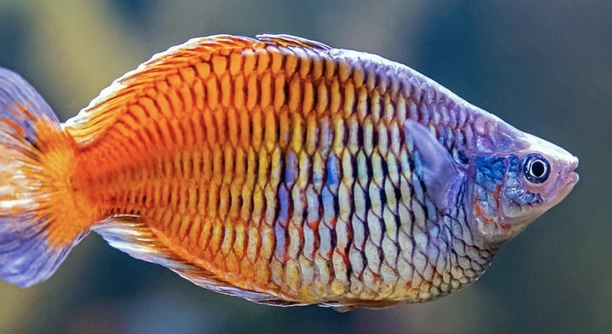
Rainbow fish are known for their beauty and vibrant colors, often making them popular in aquariums. However, they can also exhibit territorial behavior, which can sometimes cause issues with other fish in the tank.
Rainbow fish can indeed become overly territorial, especially in confined spaces or when they feel their territory is threatened. Their aggressive behavior can lead to chasing, fin nipping, and even fights if not managed properly.
Understanding why rainbow fish act this way can help maintain a peaceful tank environment. It’s important to address territoriality early on to avoid conflicts and ensure all your fish coexist peacefully.
Why Rainbow Fish Become Territorial
Rainbow fish are naturally curious and active, but when kept in an aquarium, they can become overly territorial. This behavior is often seen in males who want to claim a space for themselves. When they feel their territory is threatened, they may chase other fish, especially if the tank is small or overcrowded. It’s important to note that territorial disputes can lead to stress, and in extreme cases, they can cause injury or even death to other fish. Maintaining a balance in the tank can help reduce territorial behavior and keep the peace.
Territorial behavior is often driven by competition for resources like food, hiding spots, or mates. When rainbow fish feel the need to protect these resources, they may act aggressively towards others in the tank. This can lead to a tense atmosphere where fish are constantly on edge.
The best way to manage territorial behavior is to provide enough space for each fish. A larger tank with plenty of hiding spots and visual barriers can reduce the chance of aggressive interactions. Additionally, ensuring that there are multiple feeding stations and enough resources for all the fish can help minimize conflict. Understanding the causes of territoriality allows you to make the necessary adjustments to promote a peaceful tank environment.
How to Prevent Territorial Behavior
In a community tank, it’s essential to reduce territorial disputes. Providing plenty of hiding places can help. Additionally, introducing rainbow fish in groups can lessen the chances of one male becoming overly dominant.
The behavior of rainbow fish can be managed by ensuring they have enough space to establish territories without conflicting with other fish. A tank with various plants, rocks, and decorations helps provide natural boundaries. This allows each fish to claim a small area as its own without feeling threatened by others. It’s also important to avoid keeping too many males in the same tank, as this can increase competition and lead to aggression. Ensuring that each fish has enough room to swim freely and peacefully reduces territorial issues.
Another effective method is introducing tank mates that are less likely to challenge rainbow fish for territory. Species that prefer the upper water layers may coexist peacefully with rainbow fish, as they occupy different spaces in the tank. Regular water changes and monitoring fish behavior will also help detect signs of stress or aggression early.
Signs of Territorial Behavior
You’ll notice territorial behavior when rainbow fish begin to chase, nip fins, or guard certain areas. These actions can lead to stress among other fish. Look for signs like fish that are always swimming alone or hiding from others.
Chasing other fish around the tank, especially in a consistent pattern, is one of the most obvious signs of territorial behavior. A rainbow fish may focus on another fish that is trying to enter its claimed space. If this behavior continues without a break, it can result in injuries, such as torn fins. Another key sign is when a fish constantly flares its fins or swims aggressively in one specific area. These behaviors usually indicate that the fish is defending its territory.
Sometimes, rainbow fish might also block off certain parts of the tank by staying near decorations or plants. This prevents other fish from using the same space. These territorial displays can cause stress, which may weaken the overall health of your fish.
How Territoriality Affects Tank Mates
Territorial behavior can have serious effects on the overall harmony of the aquarium. If a rainbow fish constantly chases or harasses tank mates, it can cause others to become stressed, leading to poor health.
Stress caused by territorial aggression can weaken fish immune systems, making them more vulnerable to diseases. It can also make other fish more reclusive, affecting their behavior and feeding habits. Fish that are chased regularly might not eat as much or might hide more often. This disrupts the balance in your tank, as healthy fish need to interact and maintain a good routine. Additionally, a stressed tank mate might stop swimming or develop behavioral issues such as excessive hiding or lethargy.
In severe cases, territorial aggression can result in injury. The dominant fish might inflict damage by chasing its target into rocks or other tank decor. If the injuries are not treated, they can lead to infections or even death.
Managing Territorial Behavior in Small Tanks
In smaller tanks, territorial behavior can be more pronounced due to limited space. Rainbow fish may feel the need to defend a small area aggressively. Overcrowding only makes the situation worse.
If your tank is too small, the fish won’t have enough room to establish boundaries without clashing. This can lead to constant aggression and stress. To help reduce territorial disputes, increase the number of hiding spots with plants, rocks, or decorations. These natural barriers create the illusion of space, allowing each fish to feel more secure. Additionally, reducing the number of fish in the tank can ease competition for space and resources.
Introducing New Fish to the Tank
Introducing new fish can trigger territorial behavior, especially if the rainbow fish feel their space is being invaded. It’s important to carefully monitor the situation during introductions.
When adding new tank mates, consider rearranging the decorations beforehand. This can help break up established territories and reduce aggressive behavior. Introduce new fish slowly, allowing your rainbow fish to adjust to the changes without feeling threatened. Watch for any signs of stress or territorial aggression, and be ready to intervene if necessary. Maintaining a peaceful environment after new introductions requires patience and careful observation.
The Role of Tank Size
Tank size plays a crucial role in reducing territorial behavior. A larger tank offers more space for rainbow fish to establish their areas without encroaching on others.
A 30-gallon tank or larger is recommended to keep rainbow fish comfortably. The more space available, the less likely the fish will feel the need to defend themselves. A well-sized tank helps keep the peace by spreading out territories, reducing the chance of aggressive encounters. Providing enough room for the fish to swim freely ensures they are less likely to feel stressed or overcrowded.
FAQ
What causes rainbow fish to become territorial?
Rainbow fish become territorial primarily due to instinct and competition for space, food, or mates. In a confined tank, these natural behaviors are heightened. Males, in particular, are more likely to become territorial as they defend areas they consider prime for attracting mates. Without enough space or resources, their territorial instincts can lead to aggressive behavior, such as chasing other fish or defending specific areas like plants, rocks, or decorations.
Can rainbow fish be kept with other fish?
Yes, rainbow fish can be kept with other species, but care must be taken when choosing tank mates. They generally do well with peaceful fish of similar size and temperament. However, aggressive fish or species that compete for similar resources may lead to territorial disputes. Avoid housing multiple males in a small tank, as this can increase competition and aggression. It’s best to select fish that occupy different levels of the tank to reduce direct interaction.
How can I prevent rainbow fish from becoming overly territorial?
The best way to prevent territorial behavior is by ensuring your rainbow fish have plenty of space. A larger tank with enough hiding spots and visual barriers will help. Additionally, providing multiple feeding stations can prevent any one fish from claiming all the resources. Keeping a balanced number of males and females and ensuring a variety of tank mates can also help reduce territorial aggression.
Do rainbow fish always act aggressively?
No, rainbow fish don’t always act aggressively. While they may display territorial behavior in certain situations, many are peaceful and social in larger tanks with adequate space. Aggression usually only becomes a problem when they feel their space is threatened, or when they are housed in overcrowded or smaller tanks.
What size tank do rainbow fish need?
Rainbow fish thrive in tanks that are at least 30 gallons. A larger tank helps ensure they have enough space to swim freely and reduces the likelihood of territorial behavior. A bigger tank also allows for more hiding spots and visual barriers, which can help create a more peaceful environment for all the fish.
Can rainbow fish be kept with shrimp or snails?
Rainbow fish are typically peaceful with shrimp and snails, but there are exceptions. In some cases, they may chase or nip at small shrimp, especially if they are feeling territorial. Snails generally aren’t affected by rainbow fish, but it’s important to monitor the tank for any signs of aggression. Larger or more aggressive rainbow fish may see smaller snails as food.
How do I know if my rainbow fish are stressed due to territorial behavior?
Signs of stress from territorial behavior include hiding, rapid swimming, or decreased activity. Fish may also stop eating or appear lethargic. If a fish is constantly being chased or harassed by others, it can also lead to fin damage or visible injuries. It’s crucial to monitor their behavior closely and make adjustments to the tank setup if needed.
Is it normal for rainbow fish to chase each other?
Chasing is normal behavior, particularly during breeding seasons or when males are trying to establish dominance. However, if the chasing becomes excessive or aggressive, it may signal that the tank is too small or that there are too many males. It’s essential to ensure that there is enough space and hiding places to reduce stress and aggression.
What can I do if my rainbow fish are fighting?
If your rainbow fish are fighting, it’s best to address the issue quickly. First, check if the tank is overcrowded or if any fish are stressed. Adding more decorations, plants, or rocks can help break up the territory and reduce aggression. If the fighting persists, consider separating the aggressive fish or re-homing some individuals to different tanks.
Do rainbow fish need a lot of plants in their tank?
Plants are beneficial for rainbow fish as they provide hiding spots and help create a more natural environment. Plants also contribute to water quality by absorbing excess nutrients and providing oxygen. While rainbow fish don’t require heavy planting, having a few plants or decorations can help reduce territorial behavior and give fish a sense of security.
Can rainbow fish become territorial over food?
Yes, rainbow fish can become territorial over food, particularly if they feel competition from other fish. To avoid aggression during feeding, consider offering multiple feeding spots around the tank to ensure all fish have equal access to food. Additionally, feeding smaller portions more frequently can help reduce the chance of one fish dominating the food source.
How do rainbow fish behave during breeding?
During breeding, rainbow fish, especially males, may become more territorial as they try to attract females. Males may chase and display colorful fins to show off their dominance. This behavior is usually temporary and occurs only during the breeding season. Afterward, the aggression should subside. However, if breeding behavior leads to significant conflict, it’s essential to address the tank’s layout or reduce the number of males.
Can rainbow fish live with bettas?
Rainbow fish and bettas generally do not make ideal tank mates due to their different temperaments. Betta fish are often more aggressive and territorial, particularly males. While rainbow fish are peaceful, they may provoke bettas simply by swimming too close to their space. It’s best to avoid keeping bettas with rainbow fish, as it could lead to aggression and stress for both species.
How often should I rearrange my tank to reduce territorial behavior?
Rearranging your tank every few months can help break up established territories and reduce territorial behavior. Changing the tank’s layout forces the fish to adjust, which can reduce aggression. However, avoid rearranging too frequently, as it may stress the fish. A balance is needed to ensure a peaceful and stable environment.
Final Thoughts
Rainbow fish can be a beautiful addition to any aquarium, but their territorial nature requires careful management to maintain a peaceful environment. Ensuring your tank is spacious enough, with adequate hiding spots and visual barriers, is essential to reduce territorial aggression. A larger tank not only offers more room for your fish but also allows for a more natural setup where they can establish boundaries without constant conflicts. Without proper space, rainbow fish may become stressed, leading to unwanted behavior that could affect their health and the overall harmony of the tank.
Understanding the behavior of rainbow fish is key to managing territorial issues. They are naturally inclined to defend their space, especially during breeding seasons or when resources are limited. By being mindful of their needs and adjusting the tank setup accordingly, you can minimize aggression and create a more balanced environment. Introducing new tank mates slowly and with careful consideration will also help reduce stress, allowing for better coexistence between different species. Additionally, observing your fish regularly will give you an early warning if any signs of stress or aggression arise.
Ultimately, rainbow fish are peaceful and adaptable when provided with the right conditions. As long as you ensure enough space, proper tank mates, and a stable environment, you can enjoy watching them thrive without constant territorial disputes. A well-planned tank setup will keep your rainbow fish healthy and happy, reducing the chances of aggression and helping to maintain a peaceful aquarium. With the right care and attention, your rainbow fish will not only coexist peacefully with each other but will also add vibrant color and energy to your tank.

Hello,
If you enjoy the content that we create, please consider saying a "Thank You!" by leaving a tip.
Every little bit helps us continue crafting quality advice that supports the health, happiness, and well-being of pets around the world, for pets of all shapes, sizes, and species.
We really appreciate the kindness and support that you show us!