
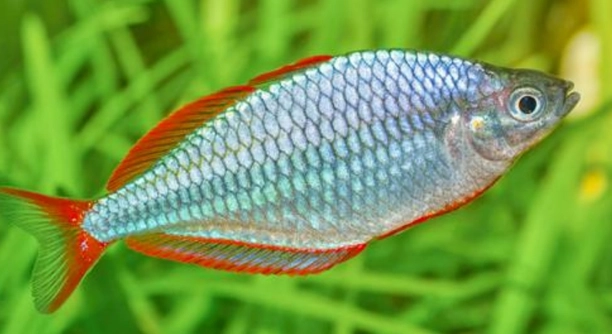
Have you ever found yourself wondering if your rainbow fish could handle cooler water temperatures in your home aquarium setup?
Rainbow fish can adapt to colder water conditions to some extent, but their health and color vibrancy may decline if the temperature drops too low. Maintaining a stable, moderately warm environment is ideal for their well-being.
Understanding the temperature needs of rainbow fish can help you make better care choices and keep your aquarium thriving.
Understanding Rainbow Fish and Water Temperature
Rainbow fish are tropical freshwater species that usually thrive in warm environments. Their natural habitats are rivers and lakes in Australia and New Guinea, where the temperature stays between 74°F and 80°F. When kept in colder water, their metabolism slows down, which can make them less active and more prone to illness. Their immune systems may weaken, leaving them open to infections or parasites. Some rainbow fish can tolerate brief dips into the mid-60s, but anything lower for an extended time can become harmful. If the temperature stays too low, it can affect their growth, colors, and even lifespan. For those keeping rainbow fish in home aquariums, using a reliable heater and thermometer is important. Regular checks help keep the water at a steady and safe range. Even a small temperature drop overnight can cause stress in these fish, especially if they’re used to consistent warmth.
Even though rainbow fish are fairly hardy, they still depend on warm, stable water to stay healthy over time.
If you’re adjusting your tank for seasonal changes, understanding how temperature affects rainbow fish will help you avoid stress-related problems. Simple tools and small efforts can make a big difference in their quality of life.
What Happens When Water Gets Too Cold
Low water temperatures can cause rainbow fish to behave differently, and those changes are usually a sign something isn’t right.
When water dips below 70°F, rainbow fish may become sluggish and stop eating as often. Their usual bright colors might fade, and their fins could appear clamped or slightly damaged. Some may hover near the bottom or seem less social with other fish. In colder water, the risk of fungal and bacterial infections increases. Even healthy fish can be affected quickly, especially if the change is sudden. Over time, chronic exposure to cold can lead to organ damage and shortened lifespan. For young or small rainbow fish, the effects may show up even faster. If you notice your fish acting off during colder months, it might be time to check the tank temperature. Insulated tank covers and proper heating equipment can help keep conditions consistent, even in winter. It’s better to act early before cold stress becomes serious.
Helping Rainbow Fish Adjust Safely
Sudden changes in temperature can shock rainbow fish, so any adjustments need to be made gradually. A small shift each day is safer than a big drop or spike in just a few hours.
If your tank is too cold, increase the temperature slowly—about 1°F per day—until it reaches a stable, warm range between 74°F and 78°F. Use an aquarium heater with a built-in thermostat to help keep the temperature consistent. Place the heater near the filter so the warm water circulates evenly. Avoid placing tanks near windows or vents, which can cause unpredictable temperature swings. Monitor the water temperature with a reliable digital thermometer. If your house gets very cold at night, consider using a tank cover or insulating wrap. Gradual changes help your fish stay calm and reduce the risk of stress-related illness.
Keep an eye on your rainbow fish for signs of stress or improvement during this adjustment. Watch for increased activity, brighter colors, and normal feeding behavior. If these signs return as the water warms, it means the changes are helping. Be patient—some fish bounce back quickly, while others take a little longer. Consistent care and a stable environment are key to helping your rainbow fish recover fully.
Extra Support for Cold-Stressed Fish
Rainbow fish recovering from cold stress may need extra help to get back to normal. Clean water, gentle lighting, and a quiet environment can ease the process. Avoid overfeeding and remove uneaten food quickly.
Add an extra air stone or sponge filter to boost oxygen levels in the tank, as cooler water holds more oxygen but may limit movement in stressed fish. You can also include stress-reducing products like water conditioners that support the slime coat. Keep tank mates peaceful—avoid adding new fish during this time. A simple routine helps your rainbow fish settle back in. If your fish aren’t showing signs of recovery after a few days, check the water parameters for hidden issues like ammonia or pH imbalance. Use test kits to catch problems early. With steady care and patience, even cold-stressed rainbow fish can return to full health and activity.
Choosing the Right Equipment
A good-quality heater is one of the most important tools for keeping rainbow fish healthy. Look for adjustable models with built-in thermostats and overheat protection. It’s also helpful to use a separate digital thermometer for better accuracy.
For extra support, consider using a backup heater or battery-powered option during winter. These can keep the tank warm if your main heater fails or power goes out.
Best Tank Setup for Stable Temperatures
Start with a tank that’s placed away from drafts, windows, and direct sunlight. Keep it on a stable, insulated stand or surface to avoid heat loss. Use a tight-fitting lid to help hold in warmth and reduce evaporation. Smooth, rounded gravel can help hold heat better than sharp, loose substrate. Add hardy plants and driftwood, but avoid cluttering the tank too much. Maintain a regular light cycle using an aquarium light timer. This consistency helps reduce stress. Run the filter continuously to keep the water circulating and evenly heated. Check equipment weekly to catch any issues before they affect the tank temperature or your fish.
Watching for Long-Term Effects
Keep an eye on your rainbow fish over time to spot lingering effects of cold exposure. If they seem inactive or don’t regain their color, more care may be needed.
FAQ
Can rainbow fish survive in cold water for long periods?
Rainbow fish can survive short periods in colder water, but extended exposure to temperatures below 70°F can cause health problems. When the temperature drops too low, their immune system weakens, and they become more susceptible to infections. They may also become less active and lose their vibrant colors. If cold water stress lasts for too long, it can lead to organ damage and a significantly shorter lifespan. It’s important to keep their environment stable and within the ideal temperature range of 74°F to 78°F.
What is the lowest temperature rainbow fish can tolerate?
Rainbow fish can tolerate temperatures as low as 64°F for short periods, but this is not ideal. If the temperature stays this low for too long, their health will begin to deteriorate. A prolonged drop in temperature can cause them to stop feeding and become lethargic, making them vulnerable to diseases. It’s best to keep the water consistently between 74°F and 78°F for their well-being.
How can I tell if my rainbow fish is stressed due to cold water?
Stressed rainbow fish may exhibit signs like loss of color, decreased activity, or reluctance to swim. They may huddle near the bottom of the tank, appearing sluggish. Their fins could appear clamped, or they might stop eating altogether. If the water temperature is too cold, it’s crucial to monitor them closely for any changes. A drop in temperature should be addressed quickly to avoid further stress or health issues.
Can rainbow fish adapt to colder water over time?
While rainbow fish can gradually acclimate to lower temperatures, it’s not recommended to keep them in cold water long-term. If you are slowly lowering the temperature, be sure to make gradual changes to avoid shocking them. However, even with gradual adaptation, their health and behavior will still be compromised if they are kept in water that is consistently too cold. Maintaining a stable, warm temperature is key to their long-term health and vitality.
What temperature range is best for rainbow fish?
Rainbow fish thrive in temperatures between 74°F and 78°F. This range supports their metabolism, immune function, and overall health. If the water temperature regularly falls below or rises above this range, the fish may experience stress, reduced activity, or illness. A stable environment that mimics their natural habitat is essential for keeping them vibrant and healthy.
How can I maintain a stable water temperature for my rainbow fish?
To maintain a stable water temperature, invest in a quality aquarium heater with an adjustable thermostat. It’s important to place the heater near the water flow to ensure even heating. Regularly check the water temperature with a digital thermometer, as this ensures accuracy. Insulating your tank, especially in colder months, can help keep the temperature consistent. Avoid placing your tank near air vents, windows, or direct sunlight, which can cause sudden temperature fluctuations.
What should I do if my rainbow fish shows signs of illness after being exposed to cold water?
If your rainbow fish shows signs of illness after exposure to cold water, the first step is to gradually warm the water to a stable temperature of 74°F to 78°F. Check the water quality for ammonia, nitrite, and pH levels to ensure the tank is safe. Offer high-quality food and avoid overfeeding. If symptoms persist, consult an aquarium professional or a vet with experience in fish health. In some cases, adding a water conditioner to help improve the slime coat can assist in the recovery process.
Are there any fish that can tolerate colder water alongside rainbow fish?
While rainbow fish prefer warmer waters, there are a few cold-water fish species that can live in tanks with them, such as goldfish and certain types of danios. However, this isn’t always ideal since rainbow fish thrive best in warm conditions. If you want to house them with other species, it’s important to make sure all the fish in the tank can tolerate similar temperatures. You should also monitor their behavior and ensure that none of the species are stressed by the temperature.
Can I use a tank heater with an automatic shut-off feature?
Yes, tank heaters with an automatic shut-off feature can be useful as they help prevent overheating. However, you should still monitor the water temperature regularly to ensure the heater is functioning correctly. Some heaters may fail or malfunction, so having a thermometer as a backup will provide a second layer of security to prevent temperature fluctuations that could harm your rainbow fish.
How long can rainbow fish survive without a heater in cold water?
Rainbow fish can survive without a heater in cold water for a short time, but their health will begin to deteriorate as the temperature drops. Without proper heat, their metabolism will slow, and their immune system will weaken. If you live in a colder climate, it’s essential to use a heater to maintain a steady temperature that’s suitable for rainbow fish. If a heater fails, it’s important to replace it as soon as possible to avoid any long-term health consequences.
Can rainbow fish live in outdoor ponds during winter?
Rainbow fish are tropical and cannot survive outdoors during the winter in areas with cold temperatures. If you live in a warmer climate, they may be able to live in an outdoor pond during the warmer months, but they need to be brought inside when the weather cools. In cooler climates, it’s essential to keep rainbow fish in a controlled indoor environment with a stable temperature to prevent cold-related health issues.
Final Thoughts
Rainbow fish are beautiful, vibrant creatures that thrive in warm, stable environments. While they can tolerate brief periods of colder water, it’s not ideal for their health. If the water temperature falls below their preferred range, it can lead to a range of issues, including reduced activity, weakened immune systems, and faded colors. Over time, exposure to cold water can even shorten their lifespan. Maintaining a stable water temperature between 74°F and 78°F is essential for their overall well-being. With the right care and equipment, you can ensure that your rainbow fish stay healthy and vibrant for many years.
A quality aquarium heater is one of the most important tools for keeping rainbow fish in a stable environment. Heaters with built-in thermostats are ideal for maintaining the proper temperature. It’s also crucial to monitor the water regularly with a thermometer to prevent any sudden temperature drops or spikes. If your home tends to get cooler at night, you may want to consider insulating your tank or using a backup heater. Small adjustments like these can make a big difference in ensuring your fish stay healthy, especially during colder months.
In conclusion, understanding the needs of rainbow fish and taking steps to provide a stable, warm environment is key to keeping them healthy. Even though they can adapt to colder conditions temporarily, long-term exposure to low temperatures can have serious consequences. By being mindful of water temperature and investing in the proper equipment, you can help your rainbow fish live their best life. Taking the time to maintain their environment shows care and dedication, allowing them to flourish and remain a beautiful part of your aquarium.

Hello,
If you enjoy the content that we create, please consider saying a "Thank You!" by leaving a tip.
Every little bit helps us continue crafting quality advice that supports the health, happiness, and well-being of pets around the world, for pets of all shapes, sizes, and species.
We really appreciate the kindness and support that you show us!