
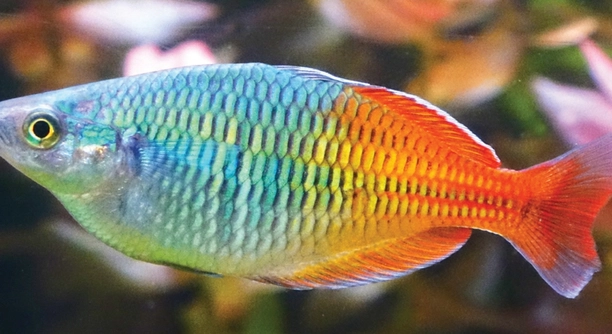
Are your rainbow fish showing unusual behavior, swimming patterns, or colors lately? These small changes could mean something interesting is happening in your tank. Understanding the signs can help you know what to expect from your fish.
Rainbow fish are likely breeding if you observe increased color intensity in males, courtship behavior such as chasing, and the presence of eggs on plant leaves or spawning mops. These signs usually appear early in the day.
Recognizing these signs early can help you support healthy breeding and improve the overall care of your aquarium.
Signs Your Rainbow Fish Are Breeding
When rainbow fish are ready to breed, you’ll start noticing some key changes. Males often become more colorful, especially in the early morning when they show off their brightest shades. They may begin to chase females around the tank in short, quick bursts. This is part of their courtship behavior and is usually not aggressive. You might also see them swimming side by side or wiggling close to one another. If you have plants or spawning mops in the tank, look closely—females may lay tiny adhesive eggs on the surfaces. These eggs can be difficult to see at first, as they are small and clear. Breeding usually happens in calm water with good lighting and a consistent temperature. If the fish look more active and engaged during the morning hours, it’s often a strong sign that breeding is underway and that your tank conditions are encouraging this behavior naturally.
The early morning is when most of the breeding activity happens, so observing your tank during that time is helpful.
It’s also important to keep the tank clean, maintain proper temperature, and provide hiding spots. These conditions support both breeding behavior and egg development. Balanced lighting and a calm setting can also make a difference.
What Happens After Eggs Are Laid
Once the female lays eggs, you may see the male continue to guard the area or stay nearby. Rainbow fish don’t usually care for their eggs long-term, so it’s common for adults to ignore or even eat them if left in the tank. That’s why many keepers separate the eggs or use a breeding tank setup. The eggs will stick to leaves or artificial spawning mops, and if they’re not moved, they need gentle filtration and stable temperature to develop well. After a few days, depending on the species and tank temperature, the eggs will hatch into tiny fry. These fry are very delicate and will need tiny food like infusoria or liquid fry food. Early care is essential because the fry are prone to being eaten by adult fish or sucked into strong filters. Giving them a separate space increases their chances of survival and helps them grow in a safe, quiet environment.
Caring for the Eggs and Fry
Once the eggs are laid, it’s best to separate them from the adult fish. This helps reduce the chance of them being eaten. You can transfer the eggs to a small breeding tank with gentle filtration and consistent water conditions.
Keep the water temperature stable, ideally between 75–78°F (24–26°C), and avoid sudden changes. Use a sponge filter to keep the water clean without creating strong currents. Add a few drops of methylene blue to prevent fungal growth on the eggs. Dim lighting can also help the eggs develop safely. Most eggs hatch in about 5–7 days, though this depends on temperature. During this time, avoid disturbing the tank too much. Once the fry hatch, they will be very small and unable to eat regular fish food. It’s important to have microscopic food ready for their first meals. Infusoria or commercial liquid fry food are good options for this stage.
Feed the fry small amounts multiple times a day using a dropper or pipette. Remove uneaten food after feeding to keep the water clean. After a week or two, you can slowly introduce powdered or crushed flake food as they grow. Watch for signs of healthy development, like increased swimming and a stronger appetite. Perform gentle water changes every few days to maintain water quality, using treated water that matches the tank’s temperature. Keep the environment quiet and free of sudden changes. As the fry grow, they will need more space, so be ready to move them into a larger tank once they outgrow the breeder. Patience during this stage can really pay off.
How Long It Takes for Fry to Grow
Rainbow fish fry grow slowly at first, especially in the first few weeks. During this time, they need small, frequent meals and very clean water. Growth can vary depending on the species and tank conditions.
After about one month, they will start to look more like tiny fish. You may notice their colors slowly appearing and their swimming becoming more confident. This is a sign they are developing well and can soon be introduced to finely crushed flakes or baby brine shrimp.
When to Move Them to the Main Tank
It’s best to wait until the fry are at least 8–10 weeks old before moving them to the main tank. By this time, they should be large enough not to be eaten by adult fish and able to eat the same food. Make sure the temperature and water conditions match both tanks before making the move. This reduces stress and helps them adjust safely. Introduce them slowly to avoid overwhelming them with new tankmates and surroundings. Keep a close eye on them during the first few days after the transfer.
FAQ
What is the ideal tank setup for breeding rainbow fish?
Rainbow fish need a well-maintained tank to breed successfully. The tank should have plenty of plants or spawning mops where the females can lay eggs. A stable temperature of 75–78°F (24–26°C) is ideal, along with a gentle filter to avoid disturbing the fish. You can also use a sponge filter, which is safe for fry. Make sure there’s adequate lighting, but not too bright, as rainbow fish prefer slightly dim conditions during breeding. The water should be soft to moderately hard with a pH level between 6.5 and 7.5.
How can I encourage rainbow fish to breed?
To encourage rainbow fish to breed, you need to replicate their natural environment. Ensure the tank has plenty of hiding spots, live plants, and clean water. Regular water changes and consistent water temperature help keep the fish healthy. You can also feed them a high-quality, varied diet with both dry and live foods. Raising the water temperature slightly and increasing the light duration can also trigger breeding behavior. Keep in mind that some rainbow fish species may require slightly different conditions, so always check the specifics for your fish.
What should I do if I notice my rainbow fish are not breeding?
If your rainbow fish are not breeding, it may be due to stress, poor tank conditions, or age. Double-check that the water quality is optimal and that the temperature is within the right range. Rainbow fish usually breed when they feel safe and comfortable, so make sure the tank is not too crowded and that the fish are not stressed by tank mates. If the fish are too young or too old, breeding may not occur. It’s also important to make sure that there is a proper balance of male and female fish—more females than males is ideal.
How long does it take for rainbow fish eggs to hatch?
Rainbow fish eggs typically hatch within 5–7 days, depending on the water temperature. Warmer water speeds up the hatching process, while cooler water can extend it. After hatching, the fry are very small and will require special care, including feeding with infusoria or liquid fry food. Keep the eggs in a gentle, stable environment to avoid fungus growth, and ensure the tank has proper filtration to keep the water clean.
Should I remove the adults after breeding?
Yes, it’s a good idea to remove the adult rainbow fish after they have finished breeding. The adults are likely to eat the eggs or fry if left in the tank. Removing the adults helps protect the eggs and ensures that the fry have a better chance of survival. You can return the adults to the main tank after the fry have grown large enough to swim and eat on their own.
How do I know when my rainbow fish are ready to breed?
Rainbow fish are ready to breed when males begin to display brighter colors and chase females around the tank. During this time, males will often perform courtship dances or swim alongside females to get their attention. You may also notice females laying eggs on plants or spawning mops, indicating that breeding is taking place. The presence of eggs and increased activity during early mornings are clear signs that your rainbow fish are ready to breed.
What can I feed rainbow fish fry?
Rainbow fish fry need special care and food during their early stages. When they first hatch, they can’t eat standard fish food. Instead, offer infusoria or liquid fry food, which provides the tiny nutrients they need to grow. As the fry get larger, you can start introducing finely crushed flakes or baby brine shrimp. Make sure to feed small amounts multiple times a day and clean up any uneaten food to maintain water quality.
Do rainbow fish breed year-round?
Rainbow fish can breed year-round if conditions are right. In a stable tank with clean water, proper lighting, and a healthy diet, your rainbow fish will breed consistently. However, some species may breed more actively during certain seasons, especially in the wild. By maintaining good tank conditions, you can encourage them to breed throughout the year.
How many eggs do rainbow fish lay at once?
The number of eggs a rainbow fish lays can vary by species, but typically, females will lay between 30 and 100 eggs per spawning. Some species may lay even more. These eggs are usually small, clear, and stick to surfaces like plants or spawning mops. Not all eggs will hatch, so having a healthy environment increases the chances of a successful hatch. You can also remove eggs from the main tank to protect them from adult fish.
Can I breed rainbow fish in a community tank?
Breeding rainbow fish in a community tank is possible, but it can be challenging. In a community tank, adult fish may eat the eggs or fry. It’s best to use a breeding tank with just the rainbow fish and a few plants or spawning mops. If you do try in a community tank, make sure there are plenty of hiding places, and consider using a breeding trap or mesh enclosure to protect the eggs.
How can I tell the difference between male and female rainbow fish?
Male rainbow fish are typically more colorful and vibrant, especially during the breeding season. They will display brighter hues and may develop more pronounced markings. Females tend to have duller colors and a rounder, fuller body shape, especially when they are carrying eggs. Observing these differences can help you identify which fish are male and which are female.
What should I do with the fry once they are bigger?
As rainbow fish fry grow, they will need more space and food. Once they are large enough to swim and eat regular food, you can move them to a larger tank with other young rainbow fish. Be sure to monitor the tank conditions, providing a stable temperature and clean water. You can also introduce them to other species of fish once they are strong enough to handle the social dynamics of a community tank. Keep an eye on their health as they grow, ensuring they continue to thrive.
Final Thoughts
Breeding rainbow fish can be a rewarding experience, but it requires careful attention to the right conditions and care. To successfully breed rainbow fish, you’ll need to provide a stable environment with the correct water temperature, quality, and adequate lighting. It’s essential to keep a balance of males and females to encourage breeding behavior. Male rainbow fish become more colorful during courtship, and you’ll notice increased activity, especially in the mornings. Females will lay eggs on surfaces like plants or spawning mops, and it’s vital to provide a safe space for the eggs to develop without the risk of being eaten by adults.
Once the eggs hatch, the fry will need special care. At first, they are tiny and fragile, requiring small, frequent feedings of infusoria or liquid fry food. As they grow, they can begin to eat crushed flakes or baby brine shrimp. Patience is key at this stage because the fry grow slowly and need a clean environment to thrive. Regular water changes, careful monitoring of food intake, and providing a calm, quiet space will help the fry survive and develop into healthy juvenile fish. If the fry are in a separate tank, you’ll also need to keep an eye on the tank’s conditions, such as temperature and water filtration, to ensure the best possible growth environment.
As the fry mature, they will begin to take on the characteristics of adult rainbow fish. At around 8–10 weeks, they can be moved to a larger tank with adult fish. By this time, they should be big enough to avoid being eaten by the adults and will be able to eat the same food. Moving them to a community tank should be done gradually, and the water quality should be carefully maintained. With time, patience, and proper care, your rainbow fish will continue to grow and thrive, and you’ll have the satisfaction of successfully breeding and raising a new generation of these colorful fish.

Hello,
If you enjoy the content that we create, please consider saying a "Thank You!" by leaving a tip.
Every little bit helps us continue crafting quality advice that supports the health, happiness, and well-being of pets around the world, for pets of all shapes, sizes, and species.
We really appreciate the kindness and support that you show us!