
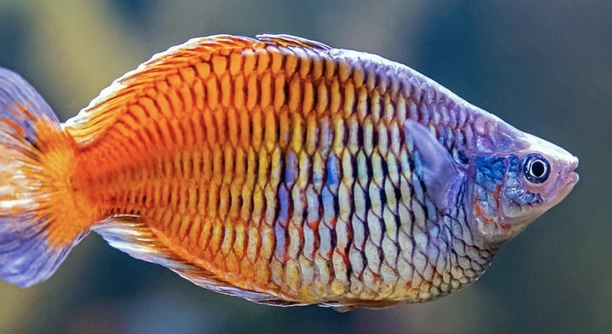
Rainbow fish are a popular choice for aquarium enthusiasts. If you notice your rainbow fish swimming upside down, it can be a sign of an underlying issue that needs attention. Understanding the cause is essential for their well-being.
The most common reasons for rainbow fish swimming upside down include swim bladder disorders, stress, poor water quality, or infections. Swim bladder issues can prevent the fish from controlling its buoyancy, causing abnormal swimming behavior.
Understanding these factors will help address your fish’s health problems and prevent them from worsening. Explore more to find out how to properly care for your rainbow fish.
Swim Bladder Disorder
Swim bladder disorders are a common cause of rainbow fish swimming upside down. The swim bladder is an organ that helps fish control their buoyancy. When it malfunctions, it can make it difficult for the fish to maintain its position in the water, causing them to swim erratically or upside down. This condition may be caused by injury, poor diet, or even genetic factors.
A swim bladder issue often requires prompt treatment to prevent further health complications. It’s essential to examine your fish’s swimming patterns carefully to identify if they are struggling due to this condition.
Treating swim bladder disorders typically involves adjusting water conditions, feeding the right foods, and, in some cases, providing medication. Ensuring your rainbow fish gets a balanced diet with enough fiber may help prevent this issue. Sometimes, adding a salt bath can help relieve the symptoms and encourage recovery. If you suspect the issue is more severe, consulting a vet specializing in aquatic animals might be necessary.
Poor Water Quality
Rainbow fish can suffer from poor water quality. Fish that live in unclean water may experience stress, affecting their health. Clean water is essential for their comfort and survival.
Maintaining the right water parameters is crucial. Rainbow fish thrive in a tank with stable pH, temperature, and clean water. Ammonia and nitrite levels should always be kept low to avoid harming the fish. Regular water changes and proper filtration are key to ensuring water quality is maintained.
Water testing kits can help you monitor the tank’s conditions. You can also add plants or live rocks to provide more oxygen and a stable environment. Stress caused by poor water quality can lead to swim bladder problems, making the situation even worse. Keep an eye on your tank and address any signs of contamination quickly. Regular maintenance will keep your fish healthy and reduce the likelihood of issues arising.
Stress and Anxiety
Rainbow fish can easily become stressed, which may cause them to swim upside down. Stress can stem from a variety of factors, including overcrowding, aggressive tank mates, or sudden changes in water conditions. If your fish seems anxious, it’s important to identify the source of stress and resolve it.
Overcrowding in the tank can lead to competition for space and food. Rainbow fish need enough room to swim freely and establish territories. Similarly, aggressive tank mates may harass the fish, further contributing to their stress. Another factor to consider is any recent changes in the tank environment, such as changes in water temperature, lighting, or filter. Fish are sensitive to such shifts, and even small alterations can cause a significant amount of stress.
To reduce stress, ensure the tank is large enough for all inhabitants. Also, avoid aggressive species that may harm the rainbow fish. Providing a calm environment with plenty of hiding spots can help the fish feel secure and reduce stress-related behaviors, such as upside-down swimming.
Infections and Diseases
Infections and diseases are another possible reason for rainbow fish swimming upside down. These health problems can affect the swim bladder or other systems in the fish’s body, leading to abnormal swimming. Bacterial, fungal, and parasitic infections are common culprits in fish tanks.
If a fish has a parasitic or bacterial infection, it may experience inflammation or swelling that affects the swim bladder or internal organs. This can result in erratic behavior, such as swimming upside down or in circles. It’s important to recognize the early signs of illness, such as discoloration, lesions, or lack of appetite. Treating the infection promptly can prevent further damage and improve the fish’s condition.
Isolating the infected fish in a quarantine tank is essential to prevent the spread of the disease to other fish in the tank. Depending on the diagnosis, you may need to use medications, such as antibiotics or antifungal treatments. Always follow the recommended dosage and treatment guidelines to ensure proper recovery.
Poor Diet and Nutrition
A poor diet can also cause rainbow fish to swim upside down. If the fish isn’t getting the proper nutrients, it can lead to health problems, including issues with the swim bladder. Ensure your fish is eating a balanced diet that meets its nutritional needs.
Rainbow fish need a variety of foods, including high-quality flakes, pellets, and occasional live or frozen food. Insufficient fiber can also contribute to swim bladder issues. Offering a varied diet ensures your fish gets all the necessary vitamins and minerals to stay healthy. Overfeeding can also lead to obesity, which worsens swimming problems.
Tank Temperature
Tank temperature plays a significant role in the overall health of your rainbow fish. These fish thrive in stable, warm water, typically between 72°F and 78°F (22°C to 25°C). If the water temperature is too low or too high, it can affect their swimming ability and overall health.
Temperature fluctuations can stress the fish, making them more susceptible to diseases or disorders, including swim bladder issues. If the temperature is too cold, fish may become sluggish or even stop eating, while excessively warm water can increase the likelihood of infections. A reliable aquarium heater can help maintain the ideal temperature.
Regularly check the water temperature with an aquarium thermometer to ensure it stays within the recommended range. Consistency is key, as sudden changes in temperature can shock the fish. Keeping the temperature steady will help your rainbow fish thrive and reduce the chances of abnormal swimming behavior.
Genetics
Genetics can also play a part in why your rainbow fish is swimming upside down. Some fish may inherit genetic predispositions that affect their buoyancy or swimming behavior. This issue is less common but may still occur in certain cases.
Genetic defects can lead to physical abnormalities that cause the swim bladder to function improperly. If you notice consistent swimming issues in multiple fish from the same breeding group, it might be worth considering genetic factors as a cause.
FAQ
Why is my rainbow fish swimming upside down?
Rainbow fish may swim upside down due to several factors, including swim bladder disorders, poor water quality, stress, infections, or a poor diet. These conditions disrupt the fish’s buoyancy, causing abnormal swimming behavior. Addressing the underlying cause, such as adjusting water conditions or treating infections, can help correct the issue.
How can I fix a rainbow fish’s swim bladder problem?
Swim bladder problems are often treated by adjusting water temperature and quality, offering a proper diet, and, in some cases, isolating the affected fish. A salt bath or special medication can sometimes help. If the issue persists, it may require a visit to a vet who specializes in aquatic life.
Can stress cause my rainbow fish to swim upside down?
Yes, stress is a common cause. Stress can result from overcrowded tanks, aggressive tank mates, or sudden changes in the environment, such as water temperature or light. Providing a stable, quiet environment with plenty of space for each fish can help reduce stress and prevent upside-down swimming.
What type of diet should I feed my rainbow fish?
Rainbow fish thrive on a varied diet that includes high-quality flakes or pellets, occasional live or frozen foods, and some plant-based matter. A lack of fiber in their diet can lead to swim bladder issues. Ensure they are not overfed, as obesity can also contribute to swimming problems.
Can poor water quality lead to rainbow fish swimming upside down?
Yes, poor water quality can cause stress and health issues, leading to abnormal swimming behavior. High levels of ammonia or nitrites, as well as improper pH levels, can harm the fish. Regular water changes, proper filtration, and monitoring of water parameters are essential to keep your fish healthy.
How often should I change the water in my tank?
Regular water changes are necessary to maintain a clean and healthy environment. Aim for at least a 25-30% water change every 1-2 weeks, depending on tank size, number of fish, and water quality. If you notice a problem like upside-down swimming, more frequent changes may be needed.
What water temperature is best for rainbow fish?
Rainbow fish prefer water temperatures between 72°F and 78°F (22°C to 25°C). Consistent temperatures are crucial to their health. Temperature fluctuations can lead to stress, making them more susceptible to diseases or swim bladder problems. Always monitor the water temperature with an aquarium thermometer.
Can an infection make my rainbow fish swim upside down?
Yes, infections caused by bacteria, parasites, or fungi can lead to abnormal swimming. Infections often cause inflammation or swelling, affecting the swim bladder or other internal organs. It’s important to identify symptoms like lesions, faded colors, or loss of appetite and treat the infection promptly.
What signs should I look for to know if my rainbow fish is sick?
Common signs of illness include abnormal swimming patterns, faded colors, visible lesions or wounds, loss of appetite, and lethargy. If your rainbow fish is swimming upside down or seems to be struggling, it’s important to check for other signs of infection or stress. Early detection and treatment are key to recovery.
Should I isolate a sick rainbow fish?
Yes, if your rainbow fish shows signs of illness, it’s a good idea to isolate it in a quarantine tank. This will prevent the spread of infections to other fish and allow you to treat the sick fish without interference. Keep the water conditions in the quarantine tank stable to aid recovery.
How do I treat a rainbow fish that is swimming upside down due to stress?
To treat stress-related swimming issues, start by identifying the source of stress. Is it overcrowding, aggressive tank mates, or changes in the tank’s environment? Once identified, remove the stressor and ensure your fish have enough space, hiding spots, and a consistent, peaceful environment. This should help the fish recover.
Can genetics affect my rainbow fish’s ability to swim properly?
Genetics can play a role in swim bladder issues or other physical abnormalities that affect a rainbow fish’s swimming behavior. Some fish may inherit defects that prevent their swim bladder from functioning properly. If multiple fish from the same breeding group are affected, it could be related to genetic factors.
How can I prevent my rainbow fish from getting sick?
To prevent illness, ensure your rainbow fish live in a clean, stable environment with appropriate water temperature, quality, and pH. Regular water changes, proper filtration, and a balanced diet can help keep your fish healthy. Also, avoid overcrowding and ensure compatible tank mates to reduce stress.
What are some common tank mates for rainbow fish?
Rainbow fish are peaceful and do well with other non-aggressive species. Good tank mates include peaceful tetras, livebearers like guppies, and bottom-dwelling fish like catfish. Avoid aggressive species that could stress the rainbow fish. Providing plenty of space and hiding spots will help create a harmonious environment.
Final Thoughts
Rainbow fish are beautiful and relatively easy to care for, but like all fish, they require attention to their environment and health. If you notice your rainbow fish swimming upside down, it’s important to address the cause promptly. There are several factors to consider, such as swim bladder issues, poor water quality, diet, and stress. Each of these can have a significant impact on the fish’s behavior and overall well-being. By understanding these potential causes and making adjustments as needed, you can help your rainbow fish return to normal swimming behavior.
Maintaining a clean, stable tank with the right water parameters is essential for the health of your fish. Regular water changes, monitoring water temperature, and ensuring proper filtration will help prevent many of the issues that can lead to abnormal swimming. In addition to water quality, providing a balanced diet and preventing overfeeding will support your fish’s digestive health and help avoid swim bladder problems. Keeping the tank environment stress-free, with appropriate tank mates and enough space, will also ensure your rainbow fish remain healthy and active.
Ultimately, it’s important to stay observant and act quickly when you notice any unusual behavior in your fish. Whether it’s due to swim bladder problems, infection, or stress, prompt treatment can prevent more serious health issues. By keeping the tank environment optimal, offering a nutritious diet, and addressing any signs of illness, you’ll help your rainbow fish live a long, healthy life. Ensuring their well-being will not only restore normal swimming behavior but also enhance their vibrant colors and active nature, making them a joy to observe in your aquarium.

Hello,
If you enjoy the content that we create, please consider saying a "Thank You!" by leaving a tip.
Every little bit helps us continue crafting quality advice that supports the health, happiness, and well-being of pets around the world, for pets of all shapes, sizes, and species.
We really appreciate the kindness and support that you show us!