
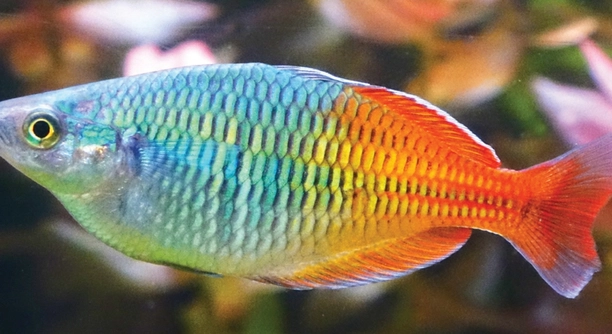
Rainbow fish are known for their bright colors and lively behavior. They make for beautiful additions to any aquarium, often capturing the attention of those who enjoy watching fish interact with their environment.
Rainbow fish do not seem to have a strong interest in mirrors. While they may investigate their reflection out of curiosity, they typically do not show significant behavioral changes or prolonged reactions to it.
Understanding how these fish interact with their surroundings, including mirrors, can reveal more about their behavior and instincts. Let’s explore what makes these little creatures tick.
What Happens When Rainbow Fish See Their Reflection?
When rainbow fish see their reflection in a mirror, they might initially swim up to it out of curiosity. Like many fish, they tend to investigate anything new in their environment. They may display some excitement or rapid movements as they approach the mirror, but this usually doesn’t last long. Unlike certain species of fish that show territorial behavior or try to “fight” their reflection, rainbow fish don’t react in such extreme ways. Their natural instinct is to explore and then move on once they realize there’s no real threat or other fish in front of them.
Some fish, like bettas, will react aggressively to their reflection, considering it a rival. However, rainbow fish don’t engage in territorial displays. Their behavior seems more exploratory than confrontational. When they see themselves in the mirror, they simply move on if there’s no other reason to stay near it.
Rainbow fish aren’t territorial in the same way that other species might be, so they don’t see their reflection as a threat. This gives them a more relaxed reaction compared to fish that do react aggressively to their image. Instead of chasing or attacking, rainbow fish tend to observe and move away. This kind of laid-back behavior is one of the reasons they are often easier to care for in aquariums with multiple species. They won’t cause unnecessary stress to the other fish if they happen to spot their reflection.
Should You Put a Mirror in a Rainbow Fish Tank?
While mirrors can serve as an interesting experiment, it’s not recommended to keep them in the tank long-term. A brief interaction might be harmless, but over time, it could cause stress or confusion for the fish.
Extended exposure to mirrors can lead to overstimulation. The fish may continue to investigate the reflection, which can disrupt their normal routines and even cause them to become more nervous or anxious. For rainbow fish, it’s better to focus on their real-world environment and interactions with other fish. Keeping the tank environment calm and stable will ensure their well-being and reduce unnecessary stress.
In conclusion, mirrors can be an interesting addition for short-term observations of how rainbow fish react to their surroundings. However, leaving them in the tank for too long isn’t ideal. Fish like rainbow fish thrive in environments where they feel secure, and having a mirror constantly reflecting back at them may not help with that. The best way to support their natural behavior is to provide them with plenty of space to swim and other enriching environmental features, such as plants and rocks. This ensures they remain healthy, happy, and active without the confusion of a mirror constantly in their midst.
How Rainbow Fish Interact with Other Tank Mates
Rainbow fish are generally peaceful and social creatures. They enjoy the company of other fish, especially those that share similar temperaments. They tend to coexist well with non-aggressive species and don’t usually pick fights. If a tank mate is overly territorial or aggressive, the rainbow fish may avoid them but won’t engage in direct conflict.
While rainbow fish are not known to be fighters, their behavior may change if they feel threatened. However, in a well-balanced aquarium with plenty of hiding spaces, they tend to remain calm. It’s important to select tank mates that have similar energy levels and peaceful personalities to ensure a stress-free environment.
Providing adequate space and proper hiding spots in the tank can help minimize any potential territorial issues. Even though rainbow fish don’t usually show aggressive behavior, giving them room to explore freely is key to keeping everyone comfortable. Proper tank management also encourages a peaceful coexistence with their companions, allowing the rainbow fish to thrive alongside other species.
Are Mirrors Stressful for Fish?
Mirrors can be stressful for fish, especially if they are left in the tank for extended periods. When fish see their reflection, it can confuse them, leading to a heightened sense of territorial behavior or constant exploration.
For fish like rainbow fish, the short-term curiosity of seeing their reflection might not cause much stress. However, over time, they may become fixated on the image in the mirror, believing it to be another fish or a potential rival. This can disrupt their natural behavior, including feeding and socializing. Prolonged exposure to mirrors can also lead to exhaustion or anxiety, especially if the fish repeatedly interact with the reflection without any resolution.
To avoid unnecessary stress, it’s best to remove the mirror once the fish have had a chance to explore it. If you’re interested in seeing how rainbow fish react to their reflection, limit exposure and monitor their behavior closely. Creating a peaceful and secure environment will help them feel more at ease.
The Role of Tank Size for Rainbow Fish
Rainbow fish need a good amount of space to swim comfortably. A small tank can lead to stress, affecting their health and behavior. They thrive in tanks that are at least 30 gallons, allowing them to move freely without feeling cramped.
A larger tank helps maintain stable water conditions, which is crucial for rainbow fish. With more space, they can also interact naturally with other tank mates. Giving them room to explore reduces aggression and stress, supporting a healthier and more peaceful environment. The right tank size encourages their vibrant colors to fully develop and promotes better overall well-being.
Water Quality and Temperature for Rainbow Fish
Water quality is essential for rainbow fish to stay healthy. They prefer slightly acidic to neutral water, with a temperature between 72°F and 78°F (22°C to 25°C). Poor water conditions can lead to stress, affecting their immune systems and behavior.
Maintaining clean, stable water conditions is crucial to prevent disease and promote active behavior. Regular water changes, a good filtration system, and testing for ammonia, nitrites, and nitrates are all essential for keeping your rainbow fish happy and healthy. Properly balanced water will ensure they stay vibrant and energetic, making them more enjoyable to observe.
Can Mirrors Cause Aggression?
Mirrors can occasionally cause aggression in fish, but rainbow fish are not as prone to aggressive reactions as other species. Their calm nature allows them to briefly observe the reflection before moving on.
However, prolonged exposure to mirrors can lead to frustration and anxiety. It’s important to limit their time in front of the mirror to avoid any negative effects.
FAQ
Do rainbow fish like being in groups?
Yes, rainbow fish are social creatures that thrive in groups. In the wild, they swim in schools, which provides them safety and opportunities for interaction. Keeping them in groups in your tank mimics their natural behavior and helps reduce stress. A group of at least five or six is ideal, as it allows them to feel secure and more comfortable in their environment. When kept alone or in small numbers, they may become shy or stressed. Larger groups also encourage their vibrant colors to shine more brightly, making them even more attractive in an aquarium.
Can I keep rainbow fish with other species?
Rainbow fish can generally be kept with other peaceful species. They are not territorial or aggressive, which makes them a good fit for community tanks. Fish such as tetras, guppies, and mollies usually do well alongside rainbow fish. However, you should avoid keeping them with overly aggressive species like cichlids or large predators, as this could stress them out or lead to aggression. When selecting tank mates, it’s important to choose fish with similar water condition requirements and temperaments to ensure everyone gets along. Providing hiding spots and plenty of space will also help.
Are rainbow fish hardy?
Rainbow fish are relatively hardy, but they still require proper care. They are more tolerant of slight changes in water conditions than some species, making them a good option for beginners. However, they do best in stable environments with clean water, a consistent temperature, and proper filtration. Sudden temperature fluctuations, poor water quality, or overcrowding can lead to stress and health problems. As long as their basic needs are met, rainbow fish can live for several years and will reward you with their active behavior and bright colors.
What should I feed rainbow fish?
Rainbow fish are omnivores, which means they will eat a variety of foods. A balanced diet for them includes high-quality flakes or pellets designed for tropical fish. They also enjoy occasional live or frozen foods such as brine shrimp, daphnia, or bloodworms. You can supplement their diet with plant-based foods like spirulina or algae wafers. It’s important to feed them a varied diet to ensure they get all the necessary nutrients. Rainbow fish are not picky eaters, so you can experiment with different foods, but be careful not to overfeed. Overfeeding can lead to poor water quality and health issues.
How often should I feed my rainbow fish?
Rainbow fish should be fed once or twice a day, depending on their size and the specific needs of the aquarium. It’s best to feed small portions that they can consume in a few minutes. If you leave food in the tank for too long, it can pollute the water and affect the health of your fish. A good rule of thumb is to give them only as much as they can eat in a few minutes, then remove any leftover food. This will help maintain water quality and prevent overfeeding, which can lead to obesity and other health problems.
What temperature should the water be for rainbow fish?
Rainbow fish thrive in water temperatures between 72°F and 78°F (22°C to 25°C). Keeping the water within this range will help maintain their energy and vibrant colors. If the water gets too cold, they may become lethargic and more susceptible to illness. If the water gets too hot, it could cause stress and lower oxygen levels, which could be harmful. A consistent temperature is key, so investing in a good aquarium heater and thermometer is essential for their well-being.
How big do rainbow fish get?
Rainbow fish can vary in size depending on the species. Most common types of rainbow fish, such as the Australian rainbow fish, typically grow to be about 4 to 5 inches (10 to 13 cm) long. Some species, like the giant rainbow fish, can grow as large as 14 inches (35 cm). Despite their size, rainbow fish are relatively slender, so they don’t need as much space as some other larger species. However, they still require a tank that’s big enough for them to swim comfortably, with plenty of swimming space and hiding spots to keep them happy.
Do rainbow fish need special water conditions?
Rainbow fish are relatively adaptable when it comes to water conditions. They prefer slightly acidic to neutral water with a pH between 6.5 and 7.5. Their ideal water hardness is around 8 to 12 dGH. As for temperature, they thrive in tropical conditions, typically between 72°F and 78°F (22°C to 25°C). While they can tolerate some variation, it’s important to avoid drastic changes in water conditions. Regular water changes, along with proper filtration, will help maintain a stable environment for them. Testing your water regularly will ensure they stay in their optimal range.
How long do rainbow fish live?
Rainbow fish can live for 5 to 8 years, depending on their care and environment. Proper water quality, diet, and tank conditions can significantly increase their lifespan. Stress, poor water quality, and inadequate diet can shorten their lives, so it’s important to provide consistent care. Regular water changes, maintaining stable water temperatures, and ensuring a balanced diet will help your rainbow fish thrive for years. With proper care, you can enjoy the company of your rainbow fish for a long time, watching them grow and display their beautiful colors.
Can rainbow fish breed in an aquarium?
Yes, rainbow fish can breed in an aquarium, but there are a few things to keep in mind. They prefer to breed in slightly acidic to neutral water, with temperatures around 75°F to 78°F (24°C to 25°C). To encourage breeding, you should have both males and females in the tank, with the males displaying their bright colors to attract the females. Rainbow fish are egg scatterers, so they don’t provide parental care. If you want to breed them successfully, it’s best to set up a separate breeding tank with soft, clean water and provide places for the eggs to be laid.
Final Thoughts
Rainbow fish are a wonderful addition to any aquarium. Their vibrant colors and peaceful nature make them enjoyable to watch, and their social behavior adds life to the tank. These fish thrive in groups and interact well with other non-aggressive species. They are not as high-maintenance as some other tropical fish, but like all pets, they still require proper care and attention. Understanding their needs in terms of water quality, temperature, and tank size is essential for keeping them healthy and happy.
When considering mirrors for rainbow fish, it’s important to understand their likely reaction. While they may show curiosity when first encountering their reflection, they typically don’t exhibit strong aggressive behaviors like some other species might. However, prolonged exposure to a mirror could cause stress and confusion, so it’s best to keep mirrors in the tank only temporarily. Ensuring that your rainbow fish have a peaceful and stable environment is crucial for their well-being. This includes maintaining good water quality, avoiding overcrowding, and providing plenty of space to swim.
In the end, rainbow fish are relatively easy to care for as long as their basic needs are met. They thrive in well-maintained tanks with appropriate tank mates and a stable environment. By providing them with a suitable space, keeping their water conditions stable, and offering a varied diet, you can enjoy watching these lively fish for many years. While they may not be highly territorial or aggressive, their well-being will always depend on the care and attention you give them. With the right setup, they can truly brighten up any aquarium.

Hello,
If you enjoy the content that we create, please consider saying a "Thank You!" by leaving a tip.
Every little bit helps us continue crafting quality advice that supports the health, happiness, and well-being of pets around the world, for pets of all shapes, sizes, and species.
We really appreciate the kindness and support that you show us!