
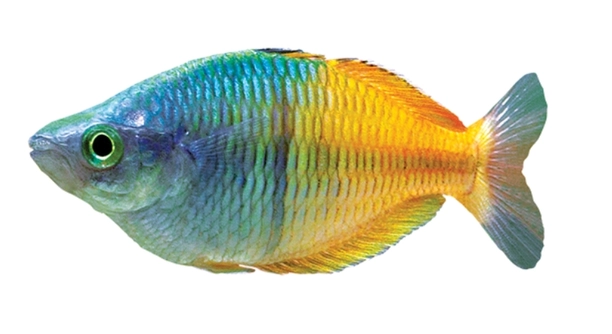
Rainbow fish are popular in aquariums, but their preferences for lighting can vary. Understanding their response to daylight versus LED lighting can help create a healthier environment for these colorful creatures.
Rainbow fish tend to thrive in natural daylight, but they can also adapt to LED lighting. However, prolonged exposure to artificial light, especially LED, may disrupt their natural rhythms and stress the fish. Providing a balance of both light sources is ideal.
Ensuring the right lighting for your rainbow fish is important for their well-being. Proper light management will support their health and bring out their vibrant colors.
Daylight and Its Effect on Rainbow Fish
Daylight provides a natural light cycle for rainbow fish, mimicking their environment in the wild. In their native habitats, they experience a constant change in light throughout the day, which supports their daily routines. Exposure to daylight helps them maintain their circadian rhythm, contributing to their overall health. The natural light brings a sense of stability and comfort to the fish, aiding in feeding habits and sleep cycles.
While rainbow fish can tolerate other types of lighting, too much artificial light can cause stress. This stress may lead to health issues such as reduced activity, loss of appetite, or even changes in their vibrant colors. Too much exposure to bright lights may also disturb their resting periods, leading to an unnatural pattern of activity.
Ensuring rainbow fish receive a balance of daylight and controlled artificial lighting can prevent these problems. It’s important to provide a stable light cycle, especially during the day. Natural light is often the best way to replicate their natural environment. A gentle, regulated source of daylight can help keep them healthy and vibrant, avoiding stress that artificial lights may cause.
LED Lighting and Rainbow Fish
LED lighting is commonly used in aquariums due to its energy efficiency and bright illumination. However, it can have a different impact on rainbow fish than natural sunlight. LEDs produce light in a specific spectrum, which may not always mimic natural daylight.
While rainbow fish can adjust to LED lighting, it’s important to monitor how they respond to it. Too much exposure to artificial light may cause stress, affecting their behavior and health. You should also make sure to regulate the intensity and duration of the light to create a balanced environment.
LED lights can be an excellent choice for aquarium owners who want to showcase the beauty of rainbow fish. However, the key to a healthy environment lies in the consistency of light exposure. A combination of daylight and LED lighting, used appropriately, is ideal for maintaining the well-being of these vibrant fish. By paying attention to the duration and intensity of lighting, aquarium owners can create an optimal environment for rainbow fish to thrive.
How Light Affects Rainbow Fish Behavior
Light directly influences the activity and mood of rainbow fish. Under natural daylight, they tend to be more active and show their vibrant colors. With proper lighting, they can exhibit natural behaviors like swimming in groups and foraging for food. In contrast, inadequate lighting can lead to lethargy or stress.
Artificial lights, especially LED lights, can affect the fish’s natural behavior if not used correctly. Overexposure to bright lights can make rainbow fish more restless or cause them to retreat to darker corners of the tank. They may avoid swimming and become less engaged with their environment. To avoid this, maintaining a balanced lighting cycle is crucial for the fish’s well-being.
A stable lighting environment helps create a sense of security for rainbow fish. When their lighting needs are met, they are more likely to display natural social behaviors. Consistent lighting ensures they remain active, healthy, and vibrant, keeping them engaged in their aquarium setting.
Balancing Daylight and Artificial Lighting
Balancing natural daylight and artificial lighting can be tricky. Overexposure to either one can have negative effects on rainbow fish. It’s important to adjust light intensity and duration to create a natural, balanced environment. Too much daylight can also stress the fish, just like LED lights can.
Maintaining a proper light cycle is essential for the overall health of the fish. A combination of 12 hours of natural daylight and 12 hours of artificial lighting can be ideal. This replicates their natural habitat and prevents disruptions in their circadian rhythms. Additionally, using dimmable LED lights can help mimic sunrise and sunset, creating a soothing transition between day and night.
By monitoring the intensity of the light and observing the rainbow fish’s behavior, you can determine the best lighting schedule. Adjusting based on the fish’s reactions will ensure they thrive in their environment without becoming overstimulated or stressed.
Effects of Light on Fish Health
Proper lighting contributes to rainbow fish health by supporting their natural rhythms. Exposure to balanced light helps maintain a healthy immune system, reduces stress, and supports proper digestion. Insufficient lighting can lead to health issues like weakened immunity or loss of appetite.
Fish that are exposed to artificial lighting for too long may begin to show signs of stress, including discoloration or loss of activity. Extended periods of light can interfere with their sleep patterns, leading to disrupted circadian cycles. This affects their overall health and can shorten their lifespan. Therefore, it’s essential to control both the intensity and duration of artificial light to keep them healthy.
By replicating their natural light environment, rainbow fish can thrive. A good balance of daylight and LED lighting ensures they receive the right amount of exposure without causing stress. This approach leads to improved health, vitality, and vibrant color in your fish.
Managing Light Duration and Intensity
Managing the duration and intensity of light helps ensure rainbow fish stay healthy. Overexposure to light can lead to stress, so it’s best to keep the light on for about 10-12 hours a day. Adjusting the intensity can also help in replicating natural light conditions.
Careful control of light is necessary to prevent the aquarium from becoming too bright. Lowering the intensity or using dimmable LEDs can make the lighting more adaptable to the fish’s needs. This approach supports natural day-night cycles, promoting healthy sleep and feeding habits for the fish.
Choosing the Right Lighting Fixtures
Choosing the right lighting fixtures is crucial for maintaining a balanced light environment for rainbow fish. Opt for fixtures that mimic natural sunlight and offer adjustable brightness. LED lights with adjustable color temperatures allow for the creation of a more natural atmosphere.
FAQ
Do rainbow fish prefer natural sunlight over artificial light?
Rainbow fish tend to thrive under natural sunlight as it mimics their environment in the wild. Exposure to natural light helps regulate their circadian rhythm, promoting healthy sleep and feeding patterns. While artificial light can be used, it is not always ideal for their long-term well-being. If using artificial light, ensure that it is not too harsh or prolonged, as this can disrupt their natural cycles and lead to stress.
How long should rainbow fish be exposed to light each day?
Rainbow fish should be exposed to light for about 10-12 hours each day. This duration mimics the natural daylight hours they would experience in the wild. Too much light can cause stress and affect their behavior and health. It’s important to provide a consistent day-night cycle by turning the lights off at night, allowing the fish to rest properly.
What is the best type of artificial light for rainbow fish?
LED lights are commonly used in aquariums for rainbow fish, as they are energy-efficient and come in various color temperatures. However, the best type of artificial light for rainbow fish is one that can mimic the spectrum of natural sunlight. Full-spectrum LED lights that are adjustable in both intensity and color temperature are ideal. They can replicate natural light conditions, helping to maintain the fish’s health and vibrant coloration.
Can too much light harm rainbow fish?
Yes, too much light can harm rainbow fish. Prolonged exposure to bright lights, especially artificial ones, can lead to stress, which can manifest as decreased activity, loss of appetite, and even changes in color. Overexposure to light can also disrupt their natural sleep patterns, leading to poor health. It’s important to regulate the intensity and duration of light to ensure the fish are not overwhelmed by it.
How do rainbow fish react to LED lighting?
Rainbow fish can adapt to LED lighting, but it is essential to monitor their response. If the light is too bright or harsh, they may become stressed or hide in darker areas of the tank. Some LEDs are adjustable, allowing you to control both the intensity and color temperature. These can be beneficial for replicating natural light conditions and reducing stress in the fish. It’s important to observe the fish’s behavior to ensure they are comfortable with the lighting.
Can rainbow fish sleep under artificial light?
Rainbow fish need a proper dark period to sleep and rest. Constant artificial light can disrupt their sleep patterns, leading to stress and poor health. It’s important to have a set day-night cycle in the aquarium. Turning off the artificial lights at night gives them the chance to rest properly. This ensures they remain healthy and active during daylight hours.
What happens if rainbow fish don’t get enough light?
If rainbow fish don’t get enough light, their behavior and health can suffer. Lack of light can lead to lethargy, poor appetite, and even color fading. Proper lighting supports their natural rhythms and encourages normal feeding and social behaviors. Inadequate light can also weaken their immune system, making them more susceptible to disease.
Do rainbow fish need a specific light spectrum to stay healthy?
Rainbow fish thrive under light that closely mimics their natural habitat. A full-spectrum light, which includes both cool and warm colors, is the best for them. It helps maintain their natural behavior, promotes healthy growth, and enhances their vibrant coloration. Using lights with adjustable color temperatures allows you to match the lighting to the fish’s needs, providing them with an optimal environment.
How can I ensure rainbow fish are getting the right amount of light?
To ensure rainbow fish get the right amount of light, monitor both the duration and intensity. They should have about 10-12 hours of light each day, with a gradual transition between light and dark. Use a timer for consistent light cycles, and adjust the intensity of artificial lights to avoid overexposure. If you notice the fish becoming lethargic or stressed, consider reducing the light or adjusting its intensity.
Is it okay to leave the aquarium lights on all day for rainbow fish?
Leaving the aquarium lights on all day is not recommended for rainbow fish. While they need a certain amount of light, constant exposure can stress them out and disrupt their natural sleep cycles. It’s essential to provide a balanced day-night cycle, with lights on for 10-12 hours during the day and off during the night. This will help maintain their health and keep them active and vibrant.
Can rainbow fish adapt to low light conditions?
Rainbow fish can adapt to lower light conditions, but it’s important to note that too little light can also cause health issues. Insufficient lighting can lead to poor feeding habits, lack of activity, and faded colors. While they can tolerate some variation in light levels, it’s best to provide them with enough light to support their natural behaviors and promote overall well-being.
How does light affect rainbow fish breeding?
Light plays a significant role in rainbow fish breeding. Proper lighting can help induce breeding behaviors and improve the chances of successful reproduction. A balanced light cycle, with periods of daylight and darkness, supports their natural rhythms. Exposure to consistent, mild lighting helps encourage the fish to breed in the right conditions. Too much or too little light can disrupt these behaviors, so it’s important to maintain a healthy balance.
What are the signs that rainbow fish are stressed due to light?
Signs that rainbow fish are stressed due to light include excessive hiding, reduced activity, faded colors, and loss of appetite. They may also swim erratically or appear lethargic. If the fish are constantly avoiding the light or swimming into darker areas, it could indicate that the lighting is too bright or harsh for them. Adjusting the light intensity or duration may help alleviate stress and restore their well-being.
Can I use a combination of daylight and LED light for rainbow fish?
Yes, a combination of daylight and LED light can work well for rainbow fish. The natural daylight provides a healthy light cycle that mimics their environment, while LED lights can be used for additional illumination when needed. It’s important to balance both types of light to avoid overexposing the fish to artificial light. A consistent light cycle, with a mix of both natural and artificial light, can help maintain the fish’s health and vibrancy.
Final Thoughts
Choosing the right lighting for rainbow fish is crucial to their health and well-being. Natural sunlight is ideal, as it closely resembles the environment of their native habitats. However, if you rely on artificial lighting, selecting the right kind and using it correctly can make a significant difference. LED lights, when adjusted to the right intensity and spectrum, can offer a suitable alternative to natural light. The key is to mimic the natural day-night cycle as closely as possible, ensuring that the fish have enough light during the day and darkness at night to rest.
Managing the amount and duration of light exposure is just as important as the type of light used. Rainbow fish require around 10-12 hours of light each day. Too much light can lead to stress, while too little can affect their activity levels and coloration. It’s essential to avoid leaving the lights on for extended periods. This can disrupt their sleep patterns and reduce their overall health. Using a timer to regulate the light duration is a simple yet effective way to maintain consistency in the light cycle, promoting a stable and healthy environment for the fish.
When it comes to their habitat, a balanced approach to lighting is essential. The wrong lighting conditions can affect not just the health of the fish but also the appearance of the aquarium. Overexposure to artificial lighting can cause algae growth and disturb the aesthetic of the tank. Maintaining the proper light conditions will help not only your rainbow fish stay healthy but also keep the tank in good condition. A little attention to the light schedule and intensity can go a long way in creating a thriving environment for your fish.

Hello,
If you enjoy the content that we create, please consider saying a "Thank You!" by leaving a tip.
Every little bit helps us continue crafting quality advice that supports the health, happiness, and well-being of pets around the world, for pets of all shapes, sizes, and species.
We really appreciate the kindness and support that you show us!