
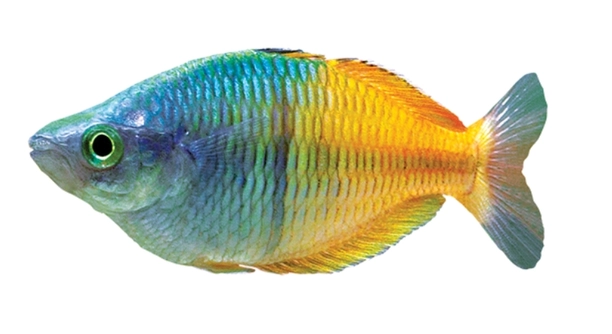
Rainbow fish are popular aquarium pets known for their vibrant colors and active nature. However, many aquarium enthusiasts wonder if these fish enjoy hiding or if it’s a sign of stress. Understanding their behavior is important for keeping them healthy and happy.
Rainbow fish do tend to hide occasionally, especially in unfamiliar or stressful environments. Hiding may also occur when they feel threatened, or if they are adjusting to new tank conditions. Creating a safe and stimulating environment can reduce this behavior.
How you care for their environment can influence their overall well-being. In this article, we’ll explore how hiding affects rainbow fish and how to create a better habitat for them.
Why Rainbow Fish Hide
Rainbow fish are often seen swimming openly in their tank, but they may hide for several reasons. Stress, fear, or changes in their environment can lead them to seek shelter. It’s common for them to retreat to plants, decorations, or corners when they feel uncertain. New fish, sudden tank maintenance, or loud noises might be overwhelming. If they aren’t used to their tank setup, they might also hide until they adjust. A quiet, peaceful environment with plenty of hiding spots is essential for their well-being.
When you first introduce rainbow fish to your tank, hiding can be a sign of acclimatization. They need time to explore and feel safe in their new space.
It’s also important to consider the species of rainbow fish you have. Some are more naturally reserved, while others are more active and social. The amount of space and the presence of other tank mates also influence their behavior. If there’s too much competition for food or hiding spots, the fish may hide more frequently. Providing enough territory and creating a calm, secure environment will encourage your rainbow fish to feel comfortable and reduce unnecessary hiding.
How to Reduce Hiding
A few adjustments can help your rainbow fish feel more at ease. Make sure the tank is well-planted and has multiple hiding spaces, but not too many that they feel trapped.
You can also maintain a steady routine with feeding and tank cleaning. This predictability reduces stress and lets your fish know they are in a stable environment. Keeping the water quality high and the tank temperature within an appropriate range are also key factors. The less stressed they feel, the more likely they are to swim freely.
Signs of Stress in Rainbow Fish
Stress can show in various ways, including hiding, lack of appetite, or abnormal swimming behavior. If rainbow fish become lethargic or swim erratically, it could be a sign of stress.
Other signs include fin clamping, rapid gill movement, and sudden changes in color. Stress affects their immune system, making them more susceptible to diseases. Fish that stop eating or hide constantly should be observed closely for these symptoms. A drop in activity level or constant retreating to corners indicates discomfort. Keeping the environment calm and consistent helps prevent these stress signs.
It’s also important to monitor how they react to other tank mates. Aggression or bullying from other fish can cause stress. If you notice one fish constantly chasing another, it could trigger stress and lead to hiding. Ensure your tank has enough space, and consider separating aggressive species to keep everyone happy and healthy.
Maintaining a Healthy Tank Environment
The quality of water and the size of your tank play a large role in your fish’s health. Regular water changes and maintaining proper filtration help prevent harmful toxins from building up.
For rainbow fish, the water temperature should be between 72-78°F (22-26°C), and the pH should range from 6.5 to 7.5. Regularly test the water for ammonia, nitrites, and nitrates, ensuring the levels are safe. Keeping the water clear and free from pollutants will encourage fish to swim openly instead of hiding. A well-maintained tank provides a healthy environment where your rainbow fish can thrive.
Tank Mates for Rainbow Fish
Choosing the right tank mates for rainbow fish can affect their behavior. They do well with peaceful fish that won’t intimidate or overcrowd them.
Avoid aggressive species that could make rainbow fish feel threatened. Fish like tetras, small catfish, or peaceful gouramis are good choices. Ensure all fish in the tank have enough space to avoid competition or stress.
Adjusting to New Tank Conditions
Rainbow fish may take time to adjust when introduced to a new tank. They may hide initially until they feel comfortable with their surroundings.
Providing hiding spots, soft lighting, and minimal disturbances can help ease this transition. Gradually introducing new elements or tank mates can also help reduce stress during this period.
FAQ
Do rainbow fish prefer to be alone or with other fish?
Rainbow fish are social creatures and thrive in groups. They are not solitary by nature and often feel more comfortable when kept in schools of six or more. This helps reduce stress and encourages natural behaviors. However, be cautious about the species you choose as tank mates to avoid conflicts.
Can rainbow fish be kept with bettas?
It’s best to avoid keeping rainbow fish with bettas. Bettas are territorial and aggressive, which can lead to stress for the more peaceful rainbow fish. Betta fish might view rainbow fish as competition, especially if the tank space is limited. A peaceful community tank is recommended for rainbow fish.
Why are my rainbow fish swimming at the top of the tank?
If rainbow fish are swimming at the top, it could indicate they are looking for food or oxygen. Poor water quality or low oxygen levels might also cause them to seek the surface. Check the tank’s filtration system and oxygenation, and make sure the water parameters are correct.
How can I tell if my rainbow fish are happy?
Happy rainbow fish exhibit vibrant colors and swim actively throughout the tank. They are social and interact well with other fish. If they are swimming freely, eating regularly, and not hiding excessively, they are likely content. Healthy fish are not showing signs of stress, such as fin clamping or abnormal swimming.
Do rainbow fish need a lot of space?
Rainbow fish do require space, especially if kept in groups. A minimum tank size of 30 gallons is ideal for a small school of rainbow fish. More space allows them to swim freely and reduces stress. Crowding can cause territorial disputes and health issues, so proper tank size is crucial.
What is the best diet for rainbow fish?
Rainbow fish are omnivores and should be fed a varied diet. High-quality flake food or pellets designed for tropical fish works well, along with live or frozen foods like brine shrimp, bloodworms, and daphnia. A balanced diet is essential for their health, color, and energy levels.
Why is my rainbow fish hiding so much?
Hiding can be a sign of stress, fear, or poor water conditions. If your rainbow fish are new to the tank, they may hide until they acclimate. It could also indicate aggression from tank mates, poor water quality, or unsuitable tank conditions. Providing more hiding spots and a stable environment can help them feel safer.
How do I reduce stress in rainbow fish?
To reduce stress, ensure your tank environment is stable and peaceful. Maintain good water quality, avoid sudden changes in temperature, and provide plenty of hiding spots. Keep the tank free of aggressive or overly dominant fish. Regular feeding and a consistent schedule also help to keep stress levels low.
Can rainbow fish breed in a home aquarium?
Yes, rainbow fish can breed in a home aquarium, though it may require specific conditions. A separate breeding tank with optimal water conditions, including slightly acidic water and a stable temperature, is ideal. Providing plants or spawning mops for egg-laying will encourage breeding. However, breeding is not guaranteed without the right environment.
Are rainbow fish hard to take care of?
Rainbow fish are relatively easy to care for, but they do require proper tank conditions and regular maintenance. Ensure the water is clean, stable, and within the right temperature and pH ranges. Keeping a peaceful community and offering a varied diet also helps maintain their health and well-being. Regular monitoring of water parameters is essential for their happiness.
Do rainbow fish get along with guppies?
Rainbow fish and guppies are generally compatible, as both species are peaceful and thrive in similar conditions. However, make sure the tank is large enough to accommodate both species and provide plenty of swimming space. Guppies tend to be smaller, so be mindful of potential bullying or competition for food.
How long do rainbow fish live?
Rainbow fish typically live between 5 to 8 years, though this can vary depending on their care and environment. Proper tank maintenance, good water quality, and a balanced diet will help extend their lifespan. Regular health checks and prompt treatment of any illnesses are also essential for keeping them healthy.
Can rainbow fish live in cold water?
Rainbow fish are tropical fish and require warmer water to thrive. They do best in temperatures between 72°F to 78°F (22°C to 26°C). Cold water can lead to stress, illness, and even death. Make sure your tank has a reliable heater to maintain a stable, warm environment for your rainbow fish.
Final Thoughts
Rainbow fish are generally hardy and easy to care for, making them a popular choice for many aquarium enthusiasts. However, understanding their behavior and needs is crucial for ensuring they thrive in their environment. One of the most important aspects of their care is creating a tank that provides both space and comfort. A well-maintained tank with proper water conditions, enough hiding spots, and peaceful tank mates can help reduce stress and encourage natural behavior. Rainbow fish are social creatures and do best when kept in groups, so having multiple fish can help them feel more secure.
While rainbow fish may occasionally hide, it’s essential to recognize that this behavior can be influenced by factors such as stress, changes in their environment, or other tank conditions. Identifying the cause of the hiding can help address the issue. For example, if the water quality is poor or the fish are feeling threatened by other species, they may retreat to a safe spot. Monitoring their health regularly and adjusting the tank environment accordingly can make a significant difference in how comfortable they feel. Providing consistent care with a balanced diet and stable water parameters will reduce unnecessary stress and improve their overall well-being.
In conclusion, creating a balanced and healthy environment for your rainbow fish involves more than just feeding them. It requires attention to their social needs, water conditions, and tank mates. Understanding their behavior, such as occasional hiding, is a key part of their care. By ensuring they have enough space, proper tank mates, and a peaceful atmosphere, you’ll help your rainbow fish live a long, happy, and healthy life. Taking the time to care for them properly will not only benefit the fish but will also make the experience more enjoyable for you as their caretaker.

Hello,
If you enjoy the content that we create, please consider saying a "Thank You!" by leaving a tip.
Every little bit helps us continue crafting quality advice that supports the health, happiness, and well-being of pets around the world, for pets of all shapes, sizes, and species.
We really appreciate the kindness and support that you show us!