
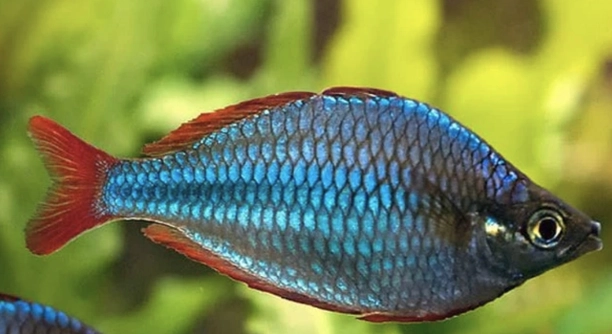
Have you ever found yourself caring for a rainbow fish that seems afraid and unsure, hiding instead of swimming happily around?
The best way to calm down a scared rainbow fish is to reduce noise, dim the lights, and provide plenty of hiding spots. These small changes create a safe and peaceful environment that helps lower the fish’s stress levels.
Understanding your rainbow fish’s behavior can help you create a more comforting space where it feels secure and relaxed.
Understanding Why Your Rainbow Fish Feels Scared
Rainbow fish can feel scared for several reasons. Loud sounds, quick movements near the tank, or even new decorations can make them nervous. These fish are sensitive to change, and their stress shows through unusual behaviors like hiding or not eating. If their environment feels unsafe, they will stay still or retreat to the back of the tank. Water quality also matters—a sudden shift in temperature or pH can make them uneasy. A peaceful setting, consistent routine, and clean water are essential to help them feel calm. It’s important to watch for signs early and respond with care.
Even rearranging tank plants too often can confuse your fish. Sudden changes should be avoided whenever possible.
To keep your rainbow fish calm, avoid tapping the tank or turning on bright lights suddenly. Speak softly when near their space, and give them time to get used to any changes. Patience and quiet really do help.
Creating a Calming Environment
Rainbow fish feel safer when their tank mimics their natural habitat.
Adding live plants, gentle lighting, and soft currents can make a big difference. These fish appreciate hiding spots, like caves or plant clusters, where they can rest without feeling exposed. Avoid placing their tank near TVs, speakers, or areas with constant motion. Make sure the tank stays at a steady temperature and is not exposed to direct sunlight. Feeding at the same time every day can also give your fish a sense of routine. If there are other fish in the tank, make sure they are peaceful species. Aggressive tank mates can cause ongoing stress, even if it’s not always visible. Use a water conditioner and test kits to maintain good water quality, as poor conditions can impact both behavior and health. When your rainbow fish feels safe, it becomes more active, curious, and shows off its natural colors beautifully. Calm surroundings truly support a healthy life.
Helping Your Fish Feel Safe During Scary Moments
If your rainbow fish gets scared suddenly, turn down the lights and reduce noise around the tank. Avoid reaching in or making fast movements. Let them calm down naturally without extra pressure. Stay nearby but quiet to help them feel less alone.
During these moments, it’s helpful to have plenty of plants or decorations where the fish can hide. If they stay in one place and breathe heavily, just let them rest. Do not tap the glass or try to move them out of hiding. A scared fish needs time, not attention. Check the water temperature and filter to make sure nothing in the tank is stressing them. Even something small like a loud vibration can upset them. After a few minutes of calm, they may slowly begin to swim again. Give them space to recover at their own pace without adding new stress.
Sometimes, your fish might get scared when something outside the tank changes. This could be a new pet, different lighting, or even someone cleaning nearby. Try to limit big changes near the tank. Keeping a calm and steady routine can prevent these fear episodes. It also helps if the area around the tank is peaceful. Avoid turning on bright overhead lights suddenly or playing loud music. If something new has been added near their space, consider moving it or giving the fish extra places to hide. Keep observing them after scary moments to make sure they go back to normal behavior. A slow return to swimming and exploring is a good sign they feel safe again.
Training Your Rainbow Fish to Feel More Comfortable
Small, consistent actions can help your rainbow fish become less afraid over time. Feed them at the same time each day, and use gentle hand movements when near the tank. This builds trust slowly and makes them feel more secure.
Use a soft, calm voice when you’re near their tank. They won’t hear your words, but the lack of sudden noise helps. If you move things around inside the tank, do it gradually and not too often. Rainbow fish begin to learn your patterns and recognize when things are predictable. That’s why routines matter so much. Over time, you’ll notice that your fish will start to swim closer to the glass, especially around feeding time. This shows growing comfort. Keep their environment stable, avoid adding too many new fish at once, and be gentle with maintenance tasks. A calm, peaceful tank helps your rainbow fish build confidence day by day.
Watching for Ongoing Signs of Stress
If your rainbow fish is hiding often, not eating, or has dull colors, these may be signs of ongoing stress. Watch for these behaviors daily, especially after any changes in their tank or routine.
Sometimes stress builds slowly. Look for changes in swimming patterns, like sudden darting or floating near the surface.
When to Adjust Tank Conditions
If stress signs continue, start by checking water temperature, ammonia levels, and pH balance. A sudden spike or drop in any of these can affect your fish’s behavior. Make sure the filter is working properly, and clean the tank regularly but gently. If your fish shares the tank, observe how others act—some fish might chase or crowd rainbow fish without you noticing at first. Rearranging decorations slightly or adding one more hiding spot can give your fish a safe place. Avoid adding new fish during this time. Stability is key when trying to help your rainbow fish feel better and more relaxed.
The Role of Consistency
Keeping the tank environment steady helps reduce your rainbow fish’s fear over time. A calm space, regular feeding, and gentle care will make them feel safe.
FAQ
Why is my rainbow fish hiding all the time?
Rainbow fish hide when they feel stressed or scared. This could be due to changes in their environment, poor water quality, or aggressive tank mates. Make sure the tank conditions are stable, with clean water and appropriate temperature. Adding more hiding places, like plants or decorations, can help your fish feel more secure.
What should I do if my rainbow fish isn’t eating?
If your rainbow fish isn’t eating, check the water conditions first. Poor water quality, such as high ammonia levels, can cause a loss of appetite. Also, avoid overfeeding and make sure you are offering a balanced diet. If the issue persists, look for signs of illness or stress and consider consulting an aquarium expert.
How can I calm a stressed rainbow fish?
To calm a stressed rainbow fish, create a quiet, peaceful environment. Reduce noise and sudden movements near the tank. Provide hiding spots and dim the lights when necessary. Keeping the water temperature stable and avoiding drastic changes in the tank will also help the fish relax.
How often should I change the water in my rainbow fish’s tank?
Regular water changes are important for maintaining good water quality. Change 20-25% of the water every two weeks, or more often if the tank has higher stocking levels. Always use a water conditioner to remove chlorine and chloramines before adding fresh water. Regular water testing can help you know when it’s time to change the water.
Can rainbow fish live with other fish?
Rainbow fish are generally peaceful and can live with other non-aggressive species. However, avoid keeping them with overly aggressive fish that may cause stress. It’s best to pair them with similar-sized fish that won’t threaten them. Also, be mindful of water temperature and pH requirements, which should match those of rainbow fish.
How do I know if my rainbow fish is sick?
Look for signs such as faded colors, lack of activity, or abnormal swimming behavior. If your fish is staying near the surface or rubbing against objects, it could have a parasite or skin issue. It’s important to check water quality regularly, as poor conditions can also lead to health problems.
Why is my rainbow fish’s color fading?
Fading colors in rainbow fish can be a sign of stress, poor water conditions, or illness. If your fish’s colors are dull, make sure the tank is clean, and the water parameters are within the right range. Stress factors like overcrowding or incompatible tank mates can also contribute to this issue.
Can I use salt to treat my rainbow fish?
While some aquariums use salt to treat minor fish illnesses, rainbow fish are sensitive to salt and it should only be used in small amounts and under specific conditions. If you are unsure about using salt, it’s safer to consult an expert before adding it to the tank.
How can I tell if my rainbow fish is stressed?
Stressed rainbow fish may display signs like hiding, swimming erratically, or rubbing against objects in the tank. You may also notice a loss of appetite, faded colors, or unusual breathing patterns. Keep an eye on their behavior to spot these changes early, as it can help you adjust the tank conditions promptly.
What temperature should my rainbow fish’s tank be?
Rainbow fish thrive in a temperature range of 72-78°F (22-26°C). Keeping the tank at a consistent temperature within this range helps maintain their health and reduces stress. Avoid fluctuating temperatures, as this can cause the fish to feel uncomfortable and may even lead to illness.
How do I reduce aggression between rainbow fish?
If you notice aggression among rainbow fish, it’s often due to overcrowding or competition for resources. Adding more hiding spots and ensuring each fish has enough space can reduce stress. Consider rearranging the tank occasionally to break up territories. Ensuring a balanced gender ratio may also help minimize aggression.
Can I feed rainbow fish different types of food?
Yes, rainbow fish enjoy a varied diet. You can feed them flake food, pellets, frozen or live food like brine shrimp, and occasional vegetable matter. Offering a variety of foods ensures they get all the nutrients they need for good health. Avoid overfeeding, as it can lead to water quality problems.
Why is my rainbow fish swimming upside down?
Swimming upside down can indicate a swim bladder issue or other health problems. It could be caused by overfeeding, constipation, or a bacterial infection. Check the water quality and ensure that your fish is not bloated. If the behavior continues, consider consulting an aquarium expert for further diagnosis.
How can I help my rainbow fish breed?
To breed rainbow fish, you need to replicate their natural environment by providing clean, slightly acidic water with a temperature of around 75-78°F (24-26°C). You can add plants and offer live food to encourage spawning. Once the eggs are laid, remove the parents to prevent them from eating the eggs.
How long do rainbow fish live?
Rainbow fish typically live 5 to 8 years with proper care. A stable tank with good water quality, a balanced diet, and consistent maintenance can help them live a long and healthy life. Be sure to watch for any signs of illness or stress that could shorten their lifespan.
Final Thoughts
Caring for a rainbow fish requires attention to their environment and behavior. These colorful and active fish thrive when their needs are met, but they can become stressed if things aren’t right. The most important factor in helping your rainbow fish feel safe is keeping their tank stable. Regularly check the water quality and temperature to ensure they are within the ideal range. By doing this, you can avoid many of the common stress factors that can affect your fish’s health and happiness. With a clean, calm tank, rainbow fish can flourish and show their vibrant colors.
In addition to water conditions, it’s important to create a peaceful environment around the tank. Avoid sudden loud noises, tapping on the glass, or placing the tank in areas with too much movement. These things can make your rainbow fish feel unsafe. Providing hiding places and making sure they have enough space to swim freely also plays a big part in reducing stress. Stress in fish can lead to health problems, like not eating or hiding too much. When your rainbow fish feels secure, it will be more active and less likely to show signs of fear or illness.
Patience is key when caring for any fish, including rainbow fish. They need time to adjust to changes in their tank, whether it’s new fish, decorations, or changes in the water. Over time, they will learn to feel more comfortable in their space. As a pet owner, it’s important to keep observing their behavior, making adjustments to the tank when needed. Your rainbow fish will let you know when it’s feeling better through increased activity and brighter colors. By following these simple steps, you can ensure that your rainbow fish leads a long, healthy, and stress-free life.

Hello,
If you enjoy the content that we create, please consider saying a "Thank You!" by leaving a tip.
Every little bit helps us continue crafting quality advice that supports the health, happiness, and well-being of pets around the world, for pets of all shapes, sizes, and species.
We really appreciate the kindness and support that you show us!