
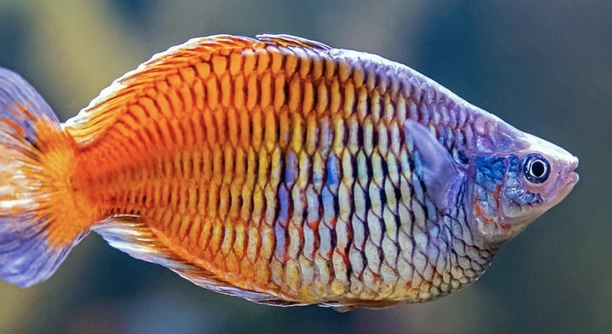
Are your rainbow fish not thriving in their tank? Creating a comfortable environment for your fish is key to keeping them happy and healthy. A few simple adjustments can help make their home just right.
Rainbow fish thrive in a well-balanced aquarium with the right water temperature, quality, and a variety of plants and hiding spaces. Ensuring proper tank size and maintaining consistent water conditions is crucial to their overall health and happiness.
By making these small changes, your rainbow fish will feel more at ease in their home. The right environment leads to better color, behavior, and overall well-being.
The Importance of Tank Size and Space
A spacious tank is essential for rainbow fish to feel comfortable and grow properly. These fish can get quite active, so they need plenty of room to swim around. A tank that’s too small can lead to stress, which can affect their health and coloring. It’s important to provide enough space for the fish to explore, but also to ensure that the space is divided well with plants and other elements.
A 30-gallon tank is often a good starting point for a small group of rainbow fish. This size offers enough room for them to swim freely while still keeping water conditions stable. If you have multiple fish, consider upgrading to a larger tank.
When selecting tank size, remember that rainbow fish are naturally active. They enjoy swimming at all levels of the tank, from top to bottom. A larger tank also allows you to add plants and hiding spots, which helps reduce stress and gives the fish a more natural environment. Maintaining a balanced ecosystem with enough space ensures a healthier life for your fish.
Maintaining Proper Water Conditions
Water quality is key to your rainbow fish’s health. The water should be clear, with appropriate pH and hardness levels. A stable temperature range between 74°F and 80°F is ideal for them.
Regular water changes, at least 20% every week, help keep the water clean and balanced. Make sure to use a good filtration system that doesn’t cause strong currents, as rainbow fish prefer calm waters. Additionally, keeping the water’s pH level between 6.5 and 7.5 ensures that the environment remains comfortable for the fish.
Regularly testing the water’s parameters is a simple yet effective way to ensure they stay within safe ranges. Stable, clean water is essential not just for their health, but also for the vibrancy of their colors.
Adding Plants and Decorations
Adding plants and decorations to your tank not only enhances its beauty but also provides hiding spaces for your rainbow fish. These fish feel more secure when they can retreat to a quiet corner when they need rest. Live plants, like Java fern or Anubias, are great for creating hiding spots.
Live plants also help maintain the balance of your tank’s ecosystem. They produce oxygen and absorb excess nutrients that could lead to algae growth. In addition to plants, rocks or driftwood can be added to provide further hiding spots. This gives your rainbow fish the feeling of being in a more natural environment.
Plants help maintain water quality by absorbing waste products, keeping the environment cleaner and healthier. Decorations should be smooth and free from sharp edges to avoid injuring your fish. Create a setup with different levels of plants, decorations, and rocks, ensuring your fish can swim and hide comfortably.
Feeding Your Rainbow Fish
Rainbow fish are omnivores, which means they enjoy a mix of plant and animal-based food. A well-balanced diet is important for their growth and color. Feeding them high-quality flakes, pellets, and occasional live or frozen foods will keep them healthy.
You can offer a variety of foods to meet their nutritional needs. Include options like brine shrimp, daphnia, and bloodworms to provide extra protein. Rainbow fish also enjoy some plant matter, so adding spirulina-based foods or blanched vegetables is beneficial. Feeding them 2-3 times a day in small amounts helps prevent overfeeding.
Overfeeding can lead to water quality issues, so always remove any uneaten food after a few minutes. A diverse diet will help them develop vibrant colors and keep them active and healthy. Proper feeding habits are an essential part of maintaining the health of your rainbow fish.
Temperature Control
Rainbow fish are sensitive to temperature changes. A stable water temperature between 74°F and 80°F is ideal for their health. Fluctuations can cause stress, so it’s important to maintain consistency.
Investing in a reliable aquarium heater is key. Make sure to monitor the temperature regularly to prevent any drops or spikes. A thermometer placed in the tank will give you a clear reading.
Lighting and Day/Night Cycle
Rainbow fish prefer bright lighting during the day and a consistent dark period at night. Proper lighting helps them feel secure and active, as they are naturally diurnal creatures. Ensure the light cycle is consistent to mimic natural conditions.
The right light helps stimulate their colors and enhances their behavior. Use a timer to keep the light on for about 10-12 hours a day. This will also help regulate their internal clock, encouraging healthy sleep patterns and promoting a well-balanced environment.
Tankmates Compatibility
Rainbow fish are generally peaceful and do well with other non-aggressive species. Avoid adding fish that are too aggressive or territorial, as they may stress your rainbow fish.
When selecting tankmates, consider species of similar size and temperament. Avoid placing them with overly large or aggressive fish that may bully or harm them. Opt for peaceful, small to medium-sized fish for the best results.
FAQ
How often should I feed my rainbow fish?
Rainbow fish should be fed 2-3 times a day. Offer small amounts of food at each feeding, making sure they can eat everything within a few minutes. This helps prevent overfeeding, which can negatively affect water quality. It’s important to vary their diet with flakes, pellets, and occasional live or frozen foods like brine shrimp or bloodworms. A mix of plant-based and animal-based foods will support their health and vibrant colors.
What size tank do rainbow fish need?
A 30-gallon tank is a good minimum for a small group of rainbow fish. A larger tank will allow them to swim freely and reduce stress. Providing enough space for them to move around is crucial for their well-being. Keep in mind that rainbow fish can grow up to 4-6 inches in length, so they will need a tank that provides ample space for swimming.
Can rainbow fish live with other species?
Yes, rainbow fish are generally peaceful and can live with other non-aggressive species. They do well with small to medium-sized fish that are not overly territorial or aggressive. Avoid pairing them with larger, more aggressive fish, as this may stress or harm them. Choosing tankmates with similar temperaments will ensure a harmonious environment.
What water conditions do rainbow fish require?
Rainbow fish thrive in stable water conditions. The ideal water temperature should range between 74°F and 80°F. The pH should be slightly acidic to neutral, ideally between 6.5 and 7.5. The water should also be soft to moderately hard. Regular water changes of around 20% per week help maintain healthy water quality and reduce the risk of harmful bacteria or algae growth.
Do rainbow fish need a heater?
Yes, rainbow fish need a heater to maintain a stable water temperature. Since they are tropical fish, they require consistent warmth. Fluctuations in temperature can cause stress and affect their health. A reliable aquarium heater helps ensure the water stays within the ideal temperature range of 74°F to 80°F. Make sure to use a thermometer to monitor the water temperature.
What type of plants do rainbow fish like?
Rainbow fish enjoy having plants in their tank, as they provide hiding spots and a more natural environment. Live plants like Java fern, Anubias, and Amazon swords are excellent choices. These plants also help improve water quality by absorbing excess nutrients. Ensure the plants are well-maintained and not too dense, as rainbow fish need space to swim freely.
Can rainbow fish live in cold water?
Rainbow fish are tropical fish and cannot live in cold water. They need warm water to thrive, with a temperature range of 74°F to 80°F. Cold water can cause stress and lead to health issues, so it’s important to keep the water temperature stable using an aquarium heater. If your tank has fluctuating temperatures, it can negatively impact your fish’s immune system and overall well-being.
How long do rainbow fish live?
Rainbow fish typically live for 5 to 8 years when kept in proper conditions. Their lifespan depends on water quality, tank size, and overall care. Maintaining stable water parameters, feeding a balanced diet, and ensuring a stress-free environment can help your rainbow fish live a long and healthy life.
Do rainbow fish need special lighting?
Rainbow fish do not require special lighting, but they do benefit from a regular day/night cycle. It’s best to have bright lighting during the day and a period of darkness at night. This helps simulate natural conditions and encourages healthy sleep patterns. A timer can help you maintain a consistent light schedule for your fish.
How do I know if my rainbow fish are healthy?
Healthy rainbow fish are active swimmers and have bright, vibrant colors. They should not show signs of lethargy, unusual swimming patterns, or loss of color. Their fins should be intact, and they should not display any abnormal growths or lesions. A good indicator of health is their willingness to eat and interact with the environment.
Can rainbow fish breed in captivity?
Yes, rainbow fish can breed in captivity if the conditions are right. To encourage breeding, provide a separate breeding tank with water temperature around 78°F and soft, slightly acidic water. You may need to add specific plants, like Java moss, for the fish to lay their eggs. After breeding, remove the parents to prevent them from eating the eggs.
What should I do if my rainbow fish are stressed?
If your rainbow fish are stressed, first check the water conditions. Stress can be caused by poor water quality, fluctuating temperatures, or unsuitable tankmates. Ensure that the water is within the ideal temperature range and that the pH and hardness are correct. Additionally, provide plenty of hiding spots with plants and decorations, as stress can also stem from a lack of shelter.
How do I handle algae growth in a tank with rainbow fish?
Algae can grow in any tank, but it’s important to manage it to avoid poor water quality. Regular water changes, proper filtration, and controlling lighting duration (no more than 10-12 hours of light per day) can help prevent excessive algae growth. Adding algae-eating species like snails or certain fish can also help keep algae in check.
Final Thoughts
Taking care of rainbow fish can be a rewarding experience when you provide the right environment. Their vibrant colors and peaceful nature make them a great addition to any aquarium. However, to keep them happy and healthy, it’s important to pay attention to the basics of tank size, water quality, and tankmates. By ensuring your tank is spacious enough and maintaining stable water conditions, you can help your rainbow fish thrive.
Feeding your rainbow fish the right diet is also key. A balanced mix of high-quality flakes, pellets, and occasional live or frozen foods will give them the nutrients they need. It’s essential to feed them in small amounts several times a day to avoid overfeeding, which can cause water quality issues. A varied diet not only supports their health but also helps bring out their natural colors.
Lastly, creating a comfortable, stress-free environment with plants, decorations, and hiding spots is essential for their well-being. Rainbow fish enjoy exploring and need areas to retreat when they feel the need for some rest. By considering their natural habitat and behaviors, you can provide a tank that promotes their happiness and health. With a little attention to detail, your rainbow fish will have everything they need to flourish and brighten up your aquarium.

Hello,
If you enjoy the content that we create, please consider saying a "Thank You!" by leaving a tip.
Every little bit helps us continue crafting quality advice that supports the health, happiness, and well-being of pets around the world, for pets of all shapes, sizes, and species.
We really appreciate the kindness and support that you show us!