
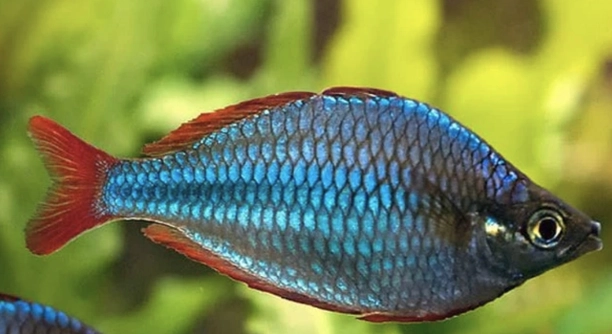
Transporting rainbow fish can be tricky if you don’t know how to do it safely. Their sensitive nature requires attention to detail, ensuring their well-being throughout the process. Proper handling and preparation make a big difference.
When transporting rainbow fish, it’s important to follow key safety tips to ensure they remain healthy. These tips involve careful packing, maintaining proper water conditions, and reducing stress during travel. Each step is essential for a smooth journey.
By keeping these simple tips in mind, you can ensure your rainbow fish’s safety. Proper preparation and attention to detail will make the entire experience easier and safer for both you and your fish.
Prepare the Right Transport Container
When transporting rainbow fish, it’s crucial to have the right container. A sturdy, clean container with a secure lid will keep the fish safe. Use a plastic bag or a special aquarium transport box to avoid leaks or accidents. Ensure that the container is large enough for the fish to move around but not so large that they get tossed around during transit. It’s important to fill the container with water from the fish’s tank, as the familiar water quality will help reduce stress. Adding some air to the water through a small air pump can help keep oxygen levels high.
Choosing a container that is not too cramped but also not too big is essential. Rainbow fish can get stressed if they feel crowded, but too much space can cause them to swim aimlessly and tire themselves out. You want to strike a balance between providing comfort and limiting movement. Using a well-fitting lid or tie ensures the fish stay inside and do not escape during transit.
Make sure to line the bottom of the container with some soft material if needed. It helps keep your rainbow fish steady while they travel and avoids them hitting hard surfaces. Don’t forget that any sudden bumps or rough handling can cause stress to the fish, so a gentle transport method is key.
Regulate Temperature
Temperature is a vital factor to consider while transporting rainbow fish. Keeping the water at a stable temperature is essential to avoid stressing the fish. It’s a good idea to check the water temperature before leaving and monitor it throughout the trip.
Rainbow fish are sensitive to rapid temperature changes. To maintain consistency, you can use a thermal bag or a portable aquarium heater if traveling over long distances. It’s best to keep the water temperature close to what the fish are used to in their home aquarium. Use a thermometer to check regularly, as fish can become stressed or even sick if exposed to extreme cold or heat.
Keep the Fish Calm
Reducing stress during transport is key for the health of your rainbow fish. One effective way to do this is by limiting the amount of light the fish are exposed to. Darkness helps keep them calm, as bright lights may cause agitation. You can cover the transport container with a cloth or place it in a shaded area during the trip.
The more stress you minimize, the better. Stress weakens the fish’s immune system and can lead to illness or injury. Try to keep noise and movement to a minimum. Avoid shaking the container or making sudden movements. A smooth, steady ride will help your rainbow fish feel more secure.
Additionally, avoid feeding the fish right before transport. A full stomach can cause discomfort, especially during travel. Allow them to fast for about 24 hours before the trip. This will prevent any uneaten food from polluting the water, ensuring the environment remains clean and safe.
Use Proper Water Conditions
Proper water conditions are essential to ensure your rainbow fish stay healthy during transport. The water in the container should match the temperature, pH, and hardness of the water they are used to. Avoid sudden changes in these parameters to reduce stress.
To achieve this, use water from the aquarium where the fish reside. This ensures the water conditions are familiar to them. If you don’t have enough water from their tank, you can mix tap water with a water conditioner to neutralize harmful substances. Make sure the water is free of chlorine, as this could harm the fish.
Additionally, consider adding an aquarium filter or aerator to help maintain water quality. Keeping the water oxygenated helps reduce stress and improves the overall conditions for the fish. Just make sure the filter or aerator is safe and won’t harm the fish during the trip.
Secure the Transport Container
It’s crucial to secure the transport container to prevent it from tipping or shifting during travel. If you’re driving, place the container on a flat surface, such as the floor or the seat, and secure it with straps or blankets.
Ensure the container is well-protected during the trip. Sudden bumps or rough handling can harm your fish, so a secure location will prevent accidents. Consider using a box to keep the container stable. Keep the container upright and avoid sharp turns or rapid acceleration to maintain stability throughout the journey.
Minimize Travel Time
Keep the travel time as short as possible. The longer the transport, the greater the chance for stress or water quality deterioration. Plan ahead to avoid unnecessary delays during the trip.
If the trip is long, try to stop only for essential breaks. The quicker the transport, the less time your fish will be exposed to potential stressors. Keeping things quick and efficient will help maintain the health of your rainbow fish during the transport.
Avoid Overcrowding the Container
Never overcrowd the transport container with multiple fish. Overcrowding causes unnecessary stress, limits space, and can negatively affect water quality.
Each rainbow fish needs enough space to swim comfortably. If you have several fish, consider using separate containers. Too many fish in one container leads to higher waste levels, which can affect water quality and harm the fish. Keep them comfortable by giving them ample room to avoid overcrowding.
FAQ
How long can rainbow fish be transported?
Rainbow fish should not be transported for more than a few hours, as prolonged exposure to different conditions can increase stress and harm their health. If you need to transport them over longer distances, it’s best to break the journey into smaller segments, allowing for short rest periods and water changes if necessary. A travel time of 4-6 hours is ideal, but anything beyond that could pose risks to the fish’s well-being. For very long trips, make sure you have proper equipment to maintain water temperature and oxygen levels.
Can I use regular tap water for transporting rainbow fish?
You can use regular tap water for transporting rainbow fish, but only if it’s treated to remove harmful chemicals like chlorine and chloramine. Tap water is often treated with these substances, which can be harmful to fish. Using a water conditioner can neutralize these chemicals and make the water safe for your fish. Additionally, it’s best to match the water’s temperature and pH to that of the aquarium to reduce stress.
Should I feed my rainbow fish before transporting them?
It’s not recommended to feed your rainbow fish right before transport. Feeding them can cause digestive stress, especially in confined spaces. It also increases the waste in the transport container, which can degrade the water quality. It’s better to allow them to fast for 24 hours before transport. This ensures they won’t need to produce waste during the trip and helps maintain the water quality for longer.
What size container should I use for transporting rainbow fish?
The container should be large enough for your rainbow fish to swim comfortably but not so big that they have excessive space, which can cause them to become disoriented or stressed. A container with a size range of 1-2 gallons per fish is generally appropriate. The goal is to ensure they have enough room to move without too much extra space that might cause stress. Use a container that is clean, secure, and preferably clear so you can easily monitor the fish.
Can I transport rainbow fish with other types of fish?
It’s not advisable to transport rainbow fish with other types of fish unless you know they are compatible. Different fish species can react to stress in different ways, and combining them in one container could result in aggression, injury, or further stress. Rainbow fish tend to be peaceful but can become agitated in close quarters with other species. If you need to transport multiple fish, it’s better to use separate containers to ensure their safety and comfort.
What should I do if the water temperature changes during transport?
If the water temperature changes too drastically during transport, it can lead to stress or illness for the rainbow fish. If you notice a significant temperature drop or rise, try to stabilize it as quickly as possible. You can use a portable heater or a thermal bag to maintain the temperature. If it’s too hot, keep the container shaded or use a cooler bag to prevent overheating. Always monitor the temperature regularly and aim to keep it as consistent as possible throughout the transport process.
Is it okay to transport rainbow fish in a plastic bag?
Yes, you can transport rainbow fish in a plastic bag, but there are a few precautions to consider. Make sure the bag is sturdy and properly sealed to avoid leaks. Fill the bag with enough water from the aquarium, leaving some air at the top for oxygen. It’s also important not to overcrowd the bag—only transport one or two fish per bag. Use a larger container for the bags to ensure they stay upright and stable. A plastic bag can be a good option for short trips, but be mindful of the conditions.
How can I prevent my rainbow fish from getting stressed during transport?
To prevent stress during transport, limit noise and sudden movements, and keep the container as stable as possible. Cover the container with a cloth to reduce light exposure and prevent visual stimuli. Ensure the fish’s water conditions (temperature, pH, and hardness) are as close as possible to what they’re used to in their aquarium. Avoid overcrowding and give each fish enough space. Lastly, try to keep the transport time as short as possible to minimize the chances of the fish getting stressed.
Do I need to add an aerator or filter to the transport container?
Adding an aerator or filter to the transport container is a good idea, especially for longer trips. An aerator will help keep the water oxygenated, which is vital for the fish’s survival. A filter can also help keep the water clean by removing waste and debris. However, ensure that any equipment used is safe and won’t harm the fish. If the trip is short, you might not need an aerator, but for longer travels, it’s a useful addition to ensure water quality and oxygen levels remain optimal.
What are the signs that my rainbow fish are stressed during transport?
Signs of stress in rainbow fish include erratic swimming, gasping for air, rubbing against objects in the container, or an overall lack of movement. If the fish appear to be breathing heavily or have a dull, faded color, this could also indicate stress. In severe cases, they may even start to show signs of illness, such as fins clamped to their bodies. If you notice these signs, try to adjust the conditions (temperature, oxygen, or water quality) to reduce stress.
Final Thoughts
Transporting rainbow fish doesn’t have to be complicated, but it does require careful attention. By following the right steps, you can make sure the fish stay healthy and safe throughout the journey. Proper preparation, such as selecting the right container, adjusting water conditions, and regulating the temperature, are all crucial elements for successful transport. The key is minimizing stress and providing an environment as close as possible to their normal habitat.
One of the most important things to remember is to keep the trip as short as possible. Long travel times can increase the risk of stress or water quality issues, which can harm your rainbow fish. If you have to travel a longer distance, plan ahead to ensure you can make necessary adjustments, such as stopping to check water conditions or adding oxygen. While rainbow fish are relatively hardy, the stress of travel can weaken their immune system and make them more susceptible to illness.
Finally, always monitor your fish closely during transport. Keep an eye on the water temperature, oxygen levels, and the general well-being of the fish. If you notice signs of distress, take action immediately to correct the conditions. Every step you take to minimize stress and provide comfort during transport will help your rainbow fish arrive safely and stay healthy.

Hello,
If you enjoy the content that we create, please consider saying a "Thank You!" by leaving a tip.
Every little bit helps us continue crafting quality advice that supports the health, happiness, and well-being of pets around the world, for pets of all shapes, sizes, and species.
We really appreciate the kindness and support that you show us!