
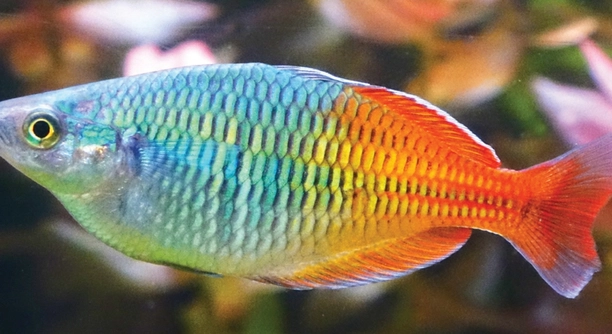
Are your rainbow fish swimming in a tank that doesn’t quite feel like home? You’re not alone in wondering how to fix that.
The best substrate for rainbow fish is a fine, dark-colored gravel or sand, as it closely mimics their natural environment and promotes healthy behavior. It also supports beneficial bacteria growth and helps maintain water quality in freshwater aquariums.
Learning more about how different substrate options affect your rainbow fish’s health and comfort can make setting up your tank much easier.
Why Substrate Matters for Rainbow Fish
Choosing the right substrate is important for keeping rainbow fish healthy and stress-free. In the wild, they live in rivers and lakes with sandy or fine gravel bottoms. A similar setup in your tank helps them feel more at home. It also affects how clean the water stays and how easily beneficial bacteria grow. These bacteria help break down waste, keeping the tank safer for your fish. A poor choice in substrate can lead to messy water, stressed fish, and more work for you. You’ll also want to consider how the substrate looks with your tank setup. A darker base makes the fish’s colors stand out more, while lighter ones can sometimes wash them out. It’s also good to pick a material that doesn’t have sharp edges since rainbow fish can be active swimmers and may brush along the bottom. Safety, looks, and water health all come into play here.
Sand or fine gravel are the safest and most natural picks for rainbow fish tanks.
A coarse or sharp substrate might hurt your fish or damage their fins. Soft textures reduce this risk and help maintain a calm and healthy environment. Make sure the substrate layer is deep enough to support plants if you’re adding any.
Choosing Between Sand and Gravel
Sand gives a natural look and keeps waste from getting trapped easily. It’s soft, smooth, and good for fish that like to forage at the bottom. However, it may need more frequent stirring to avoid buildup underneath.
Gravel comes in different sizes and colors, making it easier to match your tank’s style. It allows better water flow and provides more space for beneficial bacteria. However, smaller debris can fall between the gaps, making it a bit harder to clean. If you’re planning to use live plants, fine gravel is a better choice than sand. It helps anchor roots more securely. Sand can sometimes compact over time, limiting plant growth. You should also think about your cleaning routine. If you prefer quick and simple maintenance, gravel may suit you better. But if your focus is on natural aesthetics and soft textures, sand is a great option. Both can work well—it just depends on your setup and your priorities.
Substrate Color and Depth
Dark substrates help bring out the bright colors of rainbow fish. These fish often appear more vibrant against darker tones, which creates a nice contrast in the tank. A natural brown or black gravel also looks more like their wild habitat.
Depth is also something to think about. A layer that’s too thin might shift around or leave parts of the tank bottom exposed. Aim for about two inches of substrate if you’re not using live plants. If you’re adding rooted plants, go for at least three inches. This gives the roots enough room to spread and stay anchored. Too much depth can trap debris, while too little won’t support plants or filtration well. Stir the bottom gently every so often if you’re using sand. This helps prevent compacted layers that can affect water flow or cause bad bacteria to grow under the surface.
Avoid bright white substrates if possible. They reflect too much light, which can stress your rainbow fish and make them appear pale or washed out. Natural tones work better with both their colors and behavior. A balance between looks, comfort, and ease of care makes substrate color and depth more important than many people realize.
Maintenance and Cleaning Tips
Regular cleaning keeps your substrate healthy. Use a gravel vacuum to remove waste without disturbing too much of the good bacteria. Do this once a week or when you notice debris building up. Avoid over-cleaning, as that can mess with your tank’s balance.
If you’re using sand, clean more gently. A siphon works best to hover just above the surface and lift any settled waste. You don’t need to dig into the sand—just skim the top. For gravel, go a bit deeper with your vacuum, especially in spots where food tends to fall. Always turn off filters while cleaning to avoid stirring up debris. If the tank is planted, avoid pulling too hard near the roots. Every few weeks, stir parts of the substrate to prevent gas buildup. Watch your fish too—if they’re acting stressed, your substrate might need some attention. A little care goes a long way in keeping things balanced.
Plant Growth and Substrate
If you’re planning to grow plants, your substrate matters a lot. Fine gravel is best for rooting, while some sands can pack too tightly. Plants need space for roots to spread, so avoid compact layers or very shallow substrate beds.
You can also mix in root tabs or nutrient-rich base layers to help plants grow better. These give extra nutrients to the roots without clouding the water. Make sure to avoid substrates with sharp edges that could harm roots or grazing fish. A stable base keeps everything in place.
Substrate Materials to Avoid
Avoid using crushed coral or aragonite sand in a rainbow fish tank. These materials raise the water’s pH and hardness, which can stress your fish over time. Rainbow fish do best in neutral to slightly soft water conditions.
Final Thoughts on Substrate Choices
The right substrate helps your tank stay clean, your plants grow, and your rainbow fish feel calm. Matching your setup to their needs makes a noticeable difference in their health and behavior.
FAQ
What is the best substrate for rainbow fish?
For rainbow fish, fine gravel or sand is the best choice. It mimics their natural habitat and keeps the water clean. A darker substrate, such as brown or black gravel, will also bring out their vibrant colors. It’s important to choose a substrate that allows good water flow and promotes the growth of beneficial bacteria.
Can I use regular aquarium gravel for rainbow fish?
Yes, you can use regular aquarium gravel, but make sure it’s smooth and not too coarse. Sharp-edged gravel can hurt your fish, especially if they like to forage at the bottom. Opt for a medium to fine texture for both comfort and easy maintenance.
Is sand a good choice for rainbow fish tanks?
Sand can work well for rainbow fish, as long as it’s fine and smooth. It gives a natural look and doesn’t harm the fish. However, sand can compact over time, making it harder for beneficial bacteria to grow. Stirring it gently once a week can help keep it from settling too much.
How deep should the substrate be for rainbow fish?
For a tank with no plants, a substrate depth of around two inches is sufficient. If you’re adding live plants, go for at least three inches to support the roots. Too much depth can trap debris, while too little may not provide enough space for plant roots or bacteria.
Can rainbow fish live with a very fine substrate?
Yes, rainbow fish can live with a fine substrate, such as fine sand or small pebbles. They generally prefer it because it closely matches the conditions they would find in the wild. Just make sure to keep it clean by gently stirring it or using a siphon to remove waste.
Do I need to add live plants to my rainbow fish tank?
Adding live plants isn’t necessary, but it can benefit both the fish and the overall health of the tank. Plants help with water quality by absorbing excess nutrients and providing hiding spots for the fish. If you choose to add plants, make sure your substrate is deep enough to anchor their roots.
How do I clean the substrate without disturbing the fish too much?
To clean the substrate, use a gravel vacuum or siphon to gently remove debris. For sand, skim the surface with the siphon to avoid disturbing the substrate too much. Always clean the substrate during water changes, but be gentle to avoid stressing your rainbow fish.
Can I mix different types of substrate in the same tank?
Yes, mixing different types of substrate can create interesting textures and visuals in your tank. You might use fine gravel in some areas and sand in others. Just ensure that the layers are stable and don’t cause any discomfort or injury to the fish.
What if my rainbow fish don’t seem to like the substrate?
If your rainbow fish seem unhappy with the substrate, it could be due to the texture or color. Try to observe if they’re constantly avoiding the bottom or scraping against it. You may need to change the substrate to something softer, finer, or a different color that suits their needs.
How often should I stir the substrate?
If you have sand, stir the substrate gently once a week. This prevents compaction and allows waste to be removed more easily. Gravel doesn’t need as much stirring but vacuuming once a week or two will help keep the water quality high. Regular maintenance is key to a healthy tank.
Can I use decorative stones or shells in my rainbow fish tank?
It’s best to avoid using sharp stones or shells, as these can damage your fish. If you do decide to add decorative pieces, make sure they are smooth, rounded, and free from sharp edges. Natural stones are usually safer and can create a pleasing environment for the fish.
Does the type of substrate affect the water chemistry?
Yes, certain substrates, like crushed coral, can raise the water’s pH and hardness. This might not be suitable for rainbow fish, which prefer neutral or slightly soft water. Make sure to choose a substrate that doesn’t interfere with the water chemistry you want to maintain in the tank.
Is it okay to use gravel with live plants?
Gravel is generally fine for live plants, especially if it’s fine enough for the roots to penetrate. However, if you’re growing more demanding plants, such as carpeting plants, you might want to mix in a nutrient-rich layer underneath the gravel to help the plants grow better.
Do rainbow fish need specific substrate for breeding?
Rainbow fish do not require a specific substrate for breeding. They are egg scatterers and do not lay eggs on the substrate. However, having fine gravel or sand may help them feel secure and encourage natural behaviors. If you want to breed them, ensure you have plenty of plants or breeding mops for egg collection.
Can I add a new substrate without disturbing the tank too much?
Adding new substrate can be done with care. If you need to replace the substrate, do so in stages over a few water changes to avoid shocking the fish. Adding the new substrate slowly and letting it settle before stirring can help preserve the current balance of your tank.
Final Thoughts
Choosing the right substrate for your rainbow fish is an important decision that affects both their health and the overall appearance of your tank. A good substrate mimics their natural environment, providing a comfortable space for them to swim and forage. It also helps maintain clean water, which is essential for the well-being of your fish. Whether you choose fine gravel or sand, the key is to ensure that the substrate is smooth, easy to clean, and promotes the growth of beneficial bacteria. This keeps the tank stable and helps create a healthy environment for your rainbow fish to thrive in.
When setting up your tank, it’s also important to consider the color and depth of your substrate. Darker substrates tend to bring out the vibrant colors of rainbow fish, making them more striking and lively. At the same time, the substrate should be deep enough to support any plants you might add, with at least two to three inches of material. Too little depth can limit plant growth and leave the bottom exposed, while too much can lead to poor water circulation and debris buildup. Striking the right balance ensures that both the aesthetic appeal and the health of the tank are maintained.
In the end, the best substrate for your rainbow fish is one that aligns with their natural habitat and supports the overall ecosystem of the aquarium. Taking the time to choose the right material, color, and depth will go a long way in keeping your fish happy and your tank easy to maintain. Regular cleaning, monitoring the water quality, and maintaining a healthy substrate layer will help you provide a stable environment for your rainbow fish. By following these guidelines, you’ll be able to create a beautiful and thriving aquarium that both you and your fish can enjoy.

Hello,
If you enjoy the content that we create, please consider saying a "Thank You!" by leaving a tip.
Every little bit helps us continue crafting quality advice that supports the health, happiness, and well-being of pets around the world, for pets of all shapes, sizes, and species.
We really appreciate the kindness and support that you show us!