
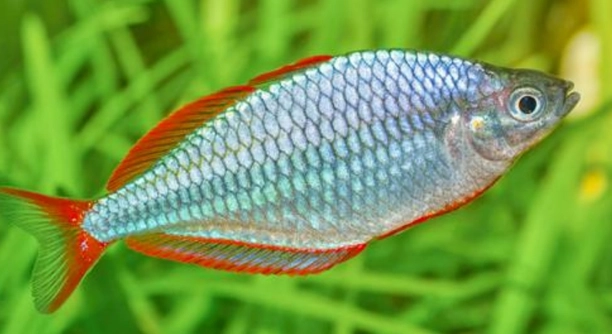
Are your rainbow fish looking dull, acting strangely, or not thriving the way you expected when you first brought them home?
The most common beginner mistakes with rainbow fish care include improper tank setup, poor water conditions, incorrect feeding, lack of enrichment, and failing to research their social needs. These issues often lead to stress and health problems.
These simple but important tips can help your rainbow fish live healthier, happier lives while saving you time and worry in the long run.
Mistake #1: Choosing the Wrong Tank Setup
Rainbow fish need space to swim, clean water, and a tank that mimics their natural environment. Many beginners choose tanks that are too small or forget to cycle the water before adding fish. These mistakes create a stressful environment that affects the fish’s color, health, and activity levels. A proper setup should include a tank that holds at least 30 gallons of water, stable water parameters, a gentle filter, and a heater. Adding live plants and smooth rocks can also make the tank more comfortable. It’s important to research your specific rainbow fish species, as some grow larger and need more room than others. Keeping their habitat clean and well-maintained can prevent most health issues and encourage natural behaviors. Starting with a good setup saves money and effort over time while keeping your fish active and colorful.
Avoid decorations with sharp edges or overcrowding the tank.
Give your rainbow fish plenty of room to swim by choosing a spacious tank and setting it up carefully from the start.
Mistake #2: Poor Water Conditions
Rainbow fish are sensitive to water changes. When water quality drops, they can quickly become stressed or sick.
Maintaining good water conditions is one of the most important parts of keeping rainbow fish healthy. These fish thrive in clean, stable environments with consistent temperature, pH, and hardness levels. Using a quality water test kit helps track ammonia, nitrite, nitrate, and pH. Weekly partial water changes—around 25%—help control waste buildup. Use a water conditioner to remove harmful chlorine or chloramine. Overfeeding leads to dirty water, so only feed what they can eat in two minutes. Monitor your filter to ensure it’s not clogged or too strong for your fish. Avoid changing all the water at once, as this can cause shock. Rainbow fish can survive small changes, but ongoing problems will weaken their immune system. Take the time to test and maintain the water regularly. Doing so will reduce stress and give your fish a stable place to thrive.
Mistake #3: Overfeeding the Fish
Feeding too often or giving too much at once can harm your rainbow fish. Excess food settles in the tank, making the water dirty and affecting your fish’s health over time.
Rainbow fish have small stomachs and do best with light, regular feedings. Overfeeding is common, especially for beginners who think more food equals better care. A good rule is to feed only what they can finish in under two minutes. If leftover food is floating or sinking, it’s too much. Uneaten food breaks down into harmful waste that increases ammonia levels, stressing your fish and damaging water quality. Choose high-quality flake or pellet food made for rainbow fish, and occasionally offer live or frozen treats like brine shrimp for variety. Keep feeding times consistent, and watch your fish closely to make sure they’re eating and staying active.
Skipping a day of feeding once a week can actually benefit their digestion. This gives their system time to clear and helps maintain better water conditions. It also reduces the risk of bloating and encourages natural grazing behavior. Fish in the wild don’t eat on a schedule, so brief fasting periods are completely safe and often recommended. A simple feeding routine can prevent several health problems.
Mistake #4: Mixing Incompatible Fish
Rainbow fish are peaceful, but not all species make good tankmates. Putting them with aggressive or overly shy fish can cause stress and change their behavior.
They thrive in social groups, so it’s best to keep them with others of their kind or fish with similar needs. Avoid pairing rainbow fish with fin-nippers or very large, dominant species that may intimidate them. While rainbow fish are active swimmers, they can become anxious if constantly chased or if tankmates fight for space. Fish that stay near the bottom, like corydoras, usually make safe companions. When planning a mixed tank, check that all fish prefer the same temperature and water parameters. Keep an eye on how they interact during the first few days. If you notice hiding, aggression, or torn fins, the pairing may not work. Choosing the right group can lead to a more peaceful tank.
Mistake #5: Using the Wrong Lighting
Too much light can cause algae growth, while too little light can dull your rainbow fish’s colors. A balanced lighting schedule helps keep the tank looking nice and supports fish health.
Aim for 8–10 hours of light each day. Using a timer can help keep things consistent.
Mistake #6: Not Keeping a Group
Rainbow fish are schooling fish and feel safer in groups. Keeping too few can lead to stress, dull coloring, or aggression. A group of six or more is usually best. This allows them to show natural behaviors like schooling and displaying their bright colors. When kept alone or in small numbers, rainbow fish often hide or act nervous. They are social by nature and communicate through movement and flashing their fins. Adding more fish can even reduce bickering among them, as the attention is spread out. Just make sure the tank is large enough to support the group and still provide plenty of swimming space.
Mistake #7: Ignoring Signs of Stress
Clamped fins, faded color, or hiding often point to stress. Small changes in their behavior can be early warnings of a bigger problem.
FAQ
How many rainbow fish should I keep together?
Rainbow fish are schooling fish, and they do best in groups. Keeping at least six of the same species helps them feel secure and brings out their natural behavior. In smaller numbers, they often become shy or aggressive. A group also encourages healthy activity and more vibrant coloring. Make sure your tank is large enough to support the group, as they need room to swim freely. A 30-gallon tank is usually the minimum for smaller rainbow fish species, while larger species will need more space.
What temperature should I keep the tank for rainbow fish?
Rainbow fish are tropical and need warm water to stay healthy. A range of 74°F to 78°F (23°C to 26°C) is ideal for most species. Sudden drops or spikes in temperature can stress them out. Use a reliable aquarium heater and check the temperature daily with a thermometer. If your room temperature changes often, consider using a heater with a thermostat for better control. Keeping a stable temperature helps avoid illness and supports steady behavior and eating habits.
What do rainbow fish eat?
Rainbow fish are not picky eaters, but a balanced diet keeps them healthy and colorful. Flake or pellet food made for tropical fish is a good staple. Supplement this with occasional treats like frozen or live brine shrimp, daphnia, or bloodworms. Feeding a mix of dry and fresh foods ensures they get all the nutrients they need. Feed small amounts once or twice a day, only what they can eat in two minutes. Avoid overfeeding, as it leads to dirty water and health issues.
Do rainbow fish need live plants in their tank?
Live plants are not required, but they help create a natural environment that makes rainbow fish feel safe. Plants provide hiding spots, reduce stress, and help maintain water quality by absorbing waste. Hardy plants like java fern, anubias, and hornwort do well in tanks with rainbow fish. If you choose artificial plants instead, make sure they have smooth edges to avoid injury. Whether live or fake, adding greenery gives the tank a calm and natural feel that rainbow fish enjoy.
Can I keep rainbow fish with shrimp or snails?
Rainbow fish can live with larger shrimp and most snails, but tiny shrimp may get eaten. Amano shrimp and mystery snails are generally safe choices. Be sure there are enough hiding places for the shrimp, especially when they molt and are more vulnerable. If you’re adding shrimp, do it slowly and observe how the fish react. Some rainbow fish are more curious and may nip. Keeping everyone well-fed can reduce that behavior. Compatibility can vary by fish personality, so monitor them closely.
Why are my rainbow fish losing color?
Dull coloring is often a sign of stress, poor diet, or bad water conditions. Check your water quality first—high ammonia or nitrite levels can lead to fading. Also, make sure they are in a proper group size and have enough space to swim. Lack of interaction or boredom can cause color loss too. A healthy diet with protein and vitamins supports vibrant color. Stress from aggressive tankmates, sudden temperature shifts, or poor lighting may also be to blame. Addressing these factors usually brings the color back.
How long do rainbow fish live?
With proper care, rainbow fish can live around 5 to 8 years, depending on the species. Good water quality, a balanced diet, and low stress all help them live longer. Smaller species may have shorter lifespans, while larger types often live toward the higher end. Regular tank maintenance, avoiding overfeeding, and providing a peaceful tank environment go a long way in keeping them healthy. It’s also important to quarantine new fish before adding them to the tank, to avoid spreading illness.
Can rainbow fish jump out of the tank?
Yes, rainbow fish are strong jumpers, especially when startled or if water conditions aren’t ideal. A tight-fitting lid or hood is necessary to keep them safe. Even a small gap can be risky. Jumping is also more likely if the tank is too small or overcrowded. Keeping them in proper conditions and with suitable tankmates reduces stress and lowers the chance they’ll try to jump. Watching their behavior helps too—if they seem nervous or dart around quickly, it might be time to check the tank setup.
Final Thoughts
Caring for rainbow fish can feel a little overwhelming at first, especially with so many small details to watch. But once you understand their needs, things become easier. Most of the mistakes beginners make—like overfeeding, poor tank setup, or not checking the water—can be fixed with small changes. These fish are active, social, and full of color, and with the right care, they can live long and healthy lives. If you take the time to create a good tank environment, you’ll notice a big difference in how your fish act and look. A calm, well-maintained tank gives them space to swim, explore, and show off their natural colors.
Sticking to a routine makes things smoother. Feed them at the same times each day, check the water weekly, and keep an eye on how they behave. If they suddenly start hiding or lose their bright colors, that’s usually a sign that something needs attention. It doesn’t mean you’re doing everything wrong—it just means it’s time to take a closer look. Rainbow fish are sensitive to changes, but they also bounce back quickly when the problem is fixed. So don’t get discouraged if something goes wrong. Learning as you go is part of the process, and your fish will benefit from every little improvement you make.
Choosing rainbow fish is a good way to start with freshwater fishkeeping. They’re beautiful, active, and fun to watch. But they do rely on you to give them the right setup and care. Doing simple things like keeping them in proper groups, giving them enough space, and feeding them correctly makes a big difference. Over time, you’ll get to know their habits and even spot when they’re excited or relaxed. That connection grows stronger the more effort you put in. Whether you’re just starting out or trying to improve your tank, understanding the most common mistakes is a helpful first step. It’s all about creating a balanced space where your rainbow fish can thrive.

Hello,
If you enjoy the content that we create, please consider saying a "Thank You!" by leaving a tip.
Every little bit helps us continue crafting quality advice that supports the health, happiness, and well-being of pets around the world, for pets of all shapes, sizes, and species.
We really appreciate the kindness and support that you show us!