
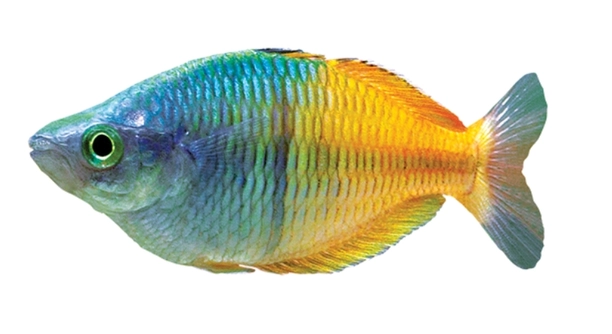
Rainbow fish are often admired for their vibrant colors and peaceful nature. However, there may be times when their behavior takes a different turn. Understanding their social dynamics can help in managing any potential conflicts that arise.
Rainbow fish, like many species, can display aggressive behavior under certain circumstances, particularly when competing for resources or territory. This behavior is more likely in confined spaces or when they feel stressed, leading to dominance struggles.
Knowing how to address these challenges can help ensure a peaceful and balanced aquarium environment for your rainbow fish.
Why Rainbow Fish Can Become Aggressive
Rainbow fish are known for their peaceful nature, but stress and overcrowding can sometimes cause them to act aggressively. When these fish feel threatened or compete for food and space, they may start to exhibit territorial behavior. This can be seen in their attempts to chase other fish away, especially if they feel there’s a lack of resources.
Aquarium setup plays a significant role in this behavior. A tank that’s too small, lacks hiding spaces, or has too many fish can lead to increased stress levels, which often results in aggression. Male rainbow fish, in particular, can become more territorial when competing for mates or space.
It’s important to create an environment that minimizes stress factors. Offering a large enough tank, hiding spots, and ensuring a balanced population can go a long way in keeping your rainbow fish calm and happy. Additionally, regular water changes and proper filtration help reduce stress, preventing aggression from becoming a constant issue.
Managing Aggression in Rainbow Fish
When aggression does occur, it’s essential to address it immediately. Keeping the peace in your aquarium will ensure the health of your fish.
A great way to reduce aggression is by providing sufficient space and visual barriers, such as plants or decorations. If your fish continue to be aggressive, consider separating them into different tanks.
Tank Size and Its Impact on Behavior
Rainbow fish need ample space to feel secure. A small tank can lead to increased stress and aggression, as fish may feel cramped and threatened. Larger tanks with more swimming area allow the fish to establish their territories without constant competition.
When setting up your tank, aim for at least 30 gallons for a small group of rainbow fish. This provides enough space for them to swim freely and reduces the chances of territorial disputes. A tank that’s too small can trigger unnecessary tension, leading to bullying behavior.
Providing plenty of open swimming areas is just as important as ensuring hiding spots. Fish like to explore, and a tank without enough space can make them feel trapped, leading to aggressive behavior. By offering both freedom and shelter, you create a balanced environment for your rainbow fish, reducing the likelihood of conflict.
Water Conditions and Stress Levels
Water quality directly influences the behavior of rainbow fish. Poor water conditions, such as high levels of ammonia or fluctuating temperatures, can cause stress, leading to more aggression. Regular water changes are essential in maintaining a stable and healthy environment.
Check water parameters regularly, especially temperature, pH, and nitrate levels, to ensure the conditions remain optimal. Rainbow fish thrive in slightly acidic to neutral water with a temperature between 72°F and 79°F. If the water is too warm or cold, fish may become irritable and aggressive toward each other.
Additionally, keeping the tank’s filtration system in top shape is crucial. Clean, well-filtered water helps prevent stress-related behavior and keeps your fish calm. If your rainbow fish are showing signs of aggression, water quality might be a contributing factor that’s worth addressing.
Social Dynamics and Group Size
Rainbow fish are social creatures and thrive in groups. Keeping them in smaller numbers may cause them to become more territorial, leading to aggressive behavior. A larger group helps distribute aggression and minimizes conflicts.
It’s essential to keep at least six rainbow fish together to reduce stress. When fish are in a group, they are less likely to focus their aggression on a single individual. Larger groups encourage more natural behavior and create a calmer environment, which benefits everyone in the tank.
Ensure that your tank is large enough to accommodate a suitable group size without overcrowding. Keeping the right balance between fish and tank space will ensure your rainbow fish remain relaxed.
Gender and Territorial Behavior
Male rainbow fish are generally more territorial than females. In many species, males become more aggressive, especially during breeding seasons when they are competing for mates. This can lead to bullying if their territory or resources are threatened.
While aggression may naturally subside once breeding season is over, it’s best to monitor male rainbow fish closely. Consider keeping a higher ratio of females to males to minimize territorial disputes. Having multiple females reduces competition among the males and calms their aggressive tendencies, allowing the tank to stay peaceful.
Tankmates and Compatibility
Choosing the right tankmates is essential for maintaining peace among rainbow fish. Some species, especially more aggressive types, may cause stress and provoke bullying. Keeping peaceful species alongside rainbow fish helps maintain a calm atmosphere in the tank.
FAQ
Can rainbow fish live with other fish?
Yes, rainbow fish can live with a variety of other peaceful fish. They are social creatures and generally get along with other non-aggressive species. However, it is important to avoid aggressive or overly territorial fish, as this can lead to stress and bullying. Good tankmates include other calm species like tetras, peaceful barbs, or small catfish. Avoid keeping them with fin-nipping species or large, aggressive fish that might outcompete them for food or space.
What is the best tank size for rainbow fish?
Rainbow fish thrive in tanks that are at least 30 gallons, though larger is always better. The more space they have, the less likely they are to exhibit territorial behavior. A larger tank also allows for better water quality, which helps reduce stress and aggression. Additionally, a spacious environment gives the fish enough room to swim freely and establish their territories without constantly bumping into each other.
How many rainbow fish should I keep together?
Rainbow fish should be kept in groups of at least six individuals. When they are kept in small numbers, they are more likely to exhibit territorial aggression. A larger group helps spread out any potential aggression and creates a more balanced and peaceful environment. A well-established group will act more naturally, and the fish will feel less stressed, reducing the chance of bullying behavior.
Do rainbow fish get along with other rainbow fish?
Rainbow fish generally get along well with each other, especially when kept in groups. However, male rainbow fish can become more aggressive during breeding seasons, particularly when competing for mates. It’s helpful to have more females than males to reduce this competition. With the right group dynamics, rainbow fish can live harmoniously together in a tank without significant issues.
Why are my rainbow fish fighting?
Rainbow fish fight when they feel stressed or when they are competing for resources like food or space. Stress factors include poor water quality, overcrowding, or incompatible tankmates. Males are more likely to become aggressive, especially during breeding season. To reduce fighting, ensure that your tank is large enough, the water quality is optimal, and you have enough hiding spots and territory for each fish.
Can rainbow fish be kept in a community tank?
Yes, rainbow fish can be kept in a community tank with other peaceful fish. They are social and non-aggressive when housed with compatible species. However, it’s important to avoid tankmates that are known to be aggressive or overly dominant. Small schooling fish, peaceful bottom dwellers, and non-aggressive species work best with rainbow fish. Always consider the temperament of other fish before adding them to the tank.
What should I feed my rainbow fish?
Rainbow fish are omnivores, so they eat a varied diet that includes both plant and animal matter. High-quality flake or pellet food can be supplemented with live or frozen foods like brine shrimp, daphnia, and bloodworms. Adding some vegetable matter like blanched spinach or algae-based foods will ensure a balanced diet. Be sure to feed them a small amount of food several times a day rather than one large feeding to avoid overfeeding and water quality issues.
How do I prevent aggression in rainbow fish?
To prevent aggression in rainbow fish, maintain a properly sized tank with plenty of space and hiding spots. Avoid overcrowding, as this can lead to stress and territorial behavior. Regular water changes and proper filtration help reduce stress, as does maintaining a stable temperature and water chemistry. Ensure there are enough females to males to reduce competition, and monitor your fish closely for signs of bullying.
Are rainbow fish easy to care for?
Rainbow fish are relatively easy to care for, making them a great choice for both beginners and experienced aquarists. They require basic care, including proper tank size, regular water changes, and a balanced diet. As long as their environment is kept stable, they are hardy and will thrive. However, it’s important to be aware of their social needs and ensure they have enough space and companions to keep them happy.
What is the lifespan of rainbow fish?
Rainbow fish typically live for about 5 to 7 years in captivity, though some may live even longer with proper care. Providing a stable and healthy environment, including good water quality, a balanced diet, and suitable tankmates, will help extend their lifespan. Regular maintenance and observation of their behavior can also ensure that they remain healthy and stress-free.
Can rainbow fish breed in captivity?
Yes, rainbow fish can breed in captivity if conditions are right. To encourage breeding, provide them with a well-planted tank, maintain excellent water quality, and offer a varied diet. Male rainbow fish will display bright colors and chase the females during the breeding season. Once the female is ready, she will lay eggs on plants or other surfaces, and the male will fertilize them. After the eggs are laid, remove the parents to prevent them from eating the eggs. The fry will hatch in about a week and can be fed infusoria or baby brine shrimp until they are large enough to eat regular fish food.
Do rainbow fish need a heater?
Yes, rainbow fish require a heater to maintain a stable water temperature between 72°F and 79°F. These fish are native to warmer waters, and a consistent temperature helps keep them healthy. Sudden changes in temperature can cause stress and make them more susceptible to diseases. A reliable aquarium heater ensures that the water remains within the ideal range for rainbow fish.
How can I reduce stress in my rainbow fish?
To reduce stress in your rainbow fish, ensure that their tank is the right size and properly maintained. Avoid overcrowding, keep the water clean, and provide plenty of hiding spots to make them feel secure. Regular water changes and a stable temperature are essential for their well-being. Minimize the introduction of aggressive tankmates, and feed them a varied diet to keep them healthy and happy.
Do rainbow fish require special lighting?
Rainbow fish do not require special lighting, but it’s important to provide a lighting system that mimics their natural environment. A standard aquarium light with a day/night cycle will help regulate their internal clocks and promote healthy behaviors. Avoid overly bright or intense lighting, as this can stress the fish. Providing areas of shade or hiding spots will also help them feel secure.
Can rainbow fish be kept with shrimp or snails?
Rainbow fish can generally be kept with shrimp and snails, as they are not known to be aggressive toward them. However, larger rainbow fish might occasionally nip at smaller shrimp or snails. To ensure the safety of your invertebrates, choose species of rainbow fish that are less likely to show aggressive tendencies, and make sure there are plenty of hiding spots for the shrimp to retreat to.
Final Thoughts
Rainbow fish are vibrant and peaceful creatures that can make a wonderful addition to any aquarium. They are generally easy to care for, provided their basic needs are met, including appropriate tank size, water quality, and diet. As social fish, they thrive in groups, and it is important to ensure they have enough space and companions to avoid stress. Keeping them in suitable numbers and offering a peaceful environment can help minimize aggressive behavior and allow them to display their natural, calming beauty.
Their behavior and temperament largely depend on the size of the tank, the number of fish in the group, and the presence of other tankmates. Male rainbow fish may become more territorial, particularly during breeding seasons, and could display aggressive tendencies. To reduce these behaviors, consider providing a larger tank with plenty of hiding spots and keeping a higher ratio of females to males. This will help minimize competition and ensure that each fish has space to thrive. Choosing compatible tankmates that are calm and non-aggressive will also prevent any conflict from arising.
Overall, rainbow fish can be a great addition to your aquarium as long as their social and environmental needs are respected. Their peaceful nature, combined with their beautiful colors, makes them a joy to watch. As long as they are kept in the right conditions, rainbow fish can live long, healthy lives, and their presence in your tank will provide endless enjoyment. Proper care, the right tank setup, and attention to their social dynamics are key to creating an environment where these colorful fish can truly flourish.

Hello,
If you enjoy the content that we create, please consider saying a "Thank You!" by leaving a tip.
Every little bit helps us continue crafting quality advice that supports the health, happiness, and well-being of pets around the world, for pets of all shapes, sizes, and species.
We really appreciate the kindness and support that you show us!