
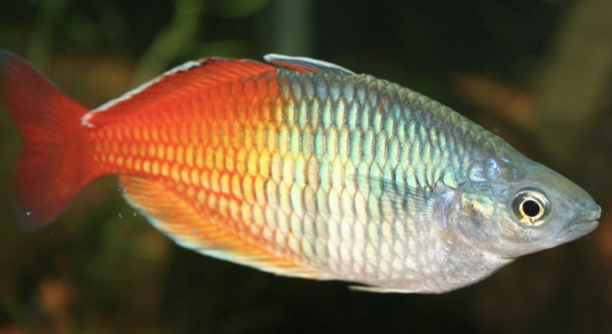
Rainbow fish are known for their vibrant colors and lively nature. Many fish owners seek ways to enhance their pets’ lives, including adding toys or enrichment activities. Understanding their needs can help create a more enjoyable environment for them.
Rainbow fish enjoy interaction with their environment, but they may not show interest in traditional toys. Instead, they benefit from activities that mimic their natural behaviors, such as swimming through plants or interacting with moving objects in the water.
There are several creative ways to enrich your rainbow fish’s tank. Exploring these ideas will help improve their well-being and make their environment more stimulating.
Why Do Rainbow Fish Need Enrichment?
Rainbow fish, like many other species, require more than just food and clean water. Enrichment activities are vital for their mental and physical health. In their natural habitats, these fish are constantly moving and interacting with various elements of their environment. Without stimulation, they can become stressed or lethargic, which may lead to health problems. Adding enrichment helps to mimic the conditions they would experience in the wild, allowing them to thrive in their tank.
Enrichment options for rainbow fish can vary. The goal is to provide activities that keep them engaged. Moving objects, natural plants, or even light reflections can trigger their curiosity and keep them active.
You can make your rainbow fish’s tank more exciting by adding elements that encourage exploration. Consider things like water currents or plant arrangements that invite them to swim through or hide within. By creating a space where they can constantly discover something new, you help maintain their health and well-being.
Types of Toys and Activities for Rainbow Fish
Although rainbow fish do not interact with toys the same way mammals or birds might, there are still several ways to provide stimulation. One effective method is using aquarium decorations that mimic natural objects they would encounter in the wild. Driftwood, rocks, and aquatic plants not only create hiding spots but also add variety to their environment.
Additionally, certain types of fish-safe toys, such as floating or sinking objects, can be added to the tank. These toys move with the current, catching the fish’s attention. Many fish will chase after the objects or navigate around them. This type of activity promotes swimming and exploration.
Another idea is adding a mirror to the aquarium for short periods. This creates a sense of interaction, as the fish may become curious about their reflection. However, mirrors should be used sparingly to avoid stressing the fish.
Lastly, adjustable water currents can encourage exercise. By varying the flow, you can create different areas where the fish can swim and explore, ensuring that they get plenty of movement and stimulation throughout the tank.
Natural Elements for Tank Enrichment
Using natural elements like live plants and rocks can provide enrichment for rainbow fish. These elements encourage exploration and create hiding spaces, giving them a sense of security and comfort. Additionally, they mimic the conditions of a natural habitat, reducing stress in the tank.
Live plants, such as Java moss or Anubias, offer shelter and stimulation. Rainbow fish enjoy swimming through plants and investigating their surroundings. They provide a natural environment where fish can hide and rest. The plants also help with water filtration, which benefits the tank’s overall health.
Rocks and caves in the tank further promote natural behavior. Rainbow fish will explore these structures, creating a more active and enriched environment. The variety of shapes and sizes adds a dynamic element to their habitat, preventing monotony and encouraging exercise.
Lighting and Reflection for Stimulation
Lighting and reflections are simple yet effective ways to provide enrichment. Using adjustable lighting allows you to create a variety of light intensities, mimicking natural changes. The subtle shift in light can encourage your rainbow fish to move around the tank more.
Additionally, reflections on the water’s surface can engage the fish. The shimmering effect may catch their attention, prompting them to swim and explore. A floating light or changing light patterns can simulate the effect of sunlight filtering through water. This adds a stimulating element that helps to keep the fish active.
However, avoid constant bright lighting, as it can cause stress. Adjust the light levels to suit their needs, offering a balance between bright and dim lighting, similar to what they would experience in their natural environment.
Creating a Moving Environment
Introducing elements that move with the water can create dynamic stimulation for rainbow fish. Flowing water or moving objects can spark curiosity, encouraging the fish to explore. This type of enrichment mimics the natural currents they would experience in the wild.
Water pumps or bubblers can create currents that move through the tank. This adds variety and allows the fish to swim against or with the flow. Moving decorations, like floating toys or leaf litter, also provide a sense of movement. Rainbow fish enjoy following these objects, which helps maintain their activity levels.
The Role of Tank Size and Layout
The size and layout of the tank significantly affect how enriched the environment is for rainbow fish. A larger tank with various areas for exploration provides more opportunities for the fish to stay active. Consider adding zones with varying levels of plants, rocks, and hiding places to create a stimulating layout.
A well-planned tank layout promotes natural swimming patterns. With more space to explore, the fish are less likely to become bored or stressed. It also reduces the chances of territorial behaviors. A balanced tank with both open spaces and sheltered areas helps rainbow fish thrive.
Interactive Feeding Techniques
Interactive feeding encourages rainbow fish to be more active during meals. Using feeding tools like feeding rings or slow-release feeders challenges the fish to work for their food, simulating the search for food in the wild. This keeps them mentally stimulated and physically engaged.
Hiding food in plants or behind decorations also encourages foraging behavior. This strategy helps maintain a level of engagement throughout the day, reducing stress and preventing monotony. Keeping feeding time interesting ensures the fish remain active and healthy while providing additional enrichment.
FAQ
Do rainbow fish really need toys?
Rainbow fish do not engage with toys in the same way mammals or birds do, but they still benefit from environmental enrichment. They require stimulation to maintain their mental and physical health. While they may not play with toys like other pets, creating a dynamic environment with plants, rocks, and moving objects can provide the necessary enrichment for them to thrive. These elements promote natural behaviors such as swimming, foraging, and exploring, which keeps them active and healthy.
What types of plants are best for rainbow fish enrichment?
Plants like Java moss, Anubias, and Hornwort are great options for rainbow fish. These plants provide hiding spaces, add to the tank’s aesthetic, and improve water quality. Rainbow fish enjoy swimming through dense plant areas and hiding in their leaves. Live plants also create a more natural environment, reducing stress for the fish. Additionally, plants like Java moss and Anubias grow slowly, allowing them to be maintained without overwhelming the tank. A mix of plants offers both shelter and areas for exploration, benefiting the fish’s overall well-being.
Can I use plastic plants for enrichment?
Plastic plants can be used in the tank, but they don’t offer the same benefits as live plants. While they provide shelter and hiding spaces, they don’t contribute to water quality or mimic natural environments as well as live plants. Rainbow fish may also be less inclined to interact with plastic plants compared to live ones. If you choose to use plastic plants, ensure they have no sharp edges that could harm your fish. It’s often best to combine both live and plastic plants to create a balanced environment.
How do I create water currents for rainbow fish?
Water currents can be created using aquarium filters, water pumps, or bubblers. These devices help simulate natural water movements, encouraging the fish to swim and explore different areas of the tank. Be sure to choose equipment that offers adjustable flow so you can control the current based on the needs of your fish. Rainbow fish generally prefer moderate water flow, as it allows them to swim freely without feeling stressed. Experiment with different water currents to find what works best for your specific tank setup and fish.
Are mirrors effective for rainbow fish enrichment?
Mirrors can be used for short periods to stimulate curiosity and interaction in rainbow fish. When placed near the tank, a mirror can create the effect of another fish, which may encourage your fish to swim around or become more active. However, mirrors should only be used occasionally, as they can cause stress if left in the tank for too long. Continuous exposure to a mirror may lead to territorial behavior or anxiety. It’s important to monitor your fish and remove the mirror after a short time to avoid overwhelming them.
How can I simulate a natural environment for my rainbow fish?
To simulate a natural environment, focus on creating a balanced habitat with a variety of elements. Use live plants, rocks, driftwood, and water currents to mimic the conditions rainbow fish would encounter in the wild. Providing different levels of hiding spots, open swimming areas, and areas of vegetation will allow the fish to explore and feel secure. A natural tank setup encourages them to display more natural behaviors, like swimming through plants or interacting with objects in the water. Regularly changing the layout or adding new elements will also keep the environment fresh and interesting.
What role does lighting play in rainbow fish enrichment?
Lighting plays a key role in creating a stimulating environment for rainbow fish. By adjusting the intensity and duration of the lighting, you can simulate the natural light cycle and encourage activity. Rainbow fish are typically more active during the day, so providing a regular day-night cycle with consistent lighting patterns helps maintain their health. Use LED lights or aquarium lights that offer dimming options to mimic the gradual transition from dawn to dusk. Proper lighting not only supports the fish’s behavior but also enhances the growth of live plants in the tank.
How often should I change the tank layout for enrichment?
Changing the layout of the tank every few months can help provide ongoing stimulation for your rainbow fish. Fish, especially those in smaller environments, may become accustomed to their surroundings and stop exploring if the setup remains the same. By rearranging decorations, plants, or adding new elements, you encourage the fish to interact with the new environment. This change helps prevent boredom and maintains their mental engagement. Be careful when moving plants or decorations, as sudden changes can cause stress. It’s best to make small adjustments over time rather than complete overhauls.
Can I add other fish with rainbow fish for enrichment?
Rainbow fish are generally peaceful and can be kept with other species that share similar care requirements. Adding other compatible fish can increase social interaction and provide enrichment through their natural behaviors. However, ensure that any new fish added are not overly aggressive and have similar water temperature and pH preferences. Species like peaceful tetras, Corydoras catfish, or small livebearers can make great tank mates. Just be mindful of the size and temperament of potential tankmates to avoid stress or territorial disputes.
What should I avoid when setting up a tank for rainbow fish?
When setting up a tank for rainbow fish, avoid overcrowding, as it can lead to stress and poor water quality. Additionally, be cautious with aggressive fish that may harm the rainbow fish. Avoid sharp objects or decorations with rough edges, as they can injure the fish. Keep the water temperature within the appropriate range (74-80°F) and maintain proper filtration. Lastly, avoid using overly bright or harsh lighting, as this can cause stress. Rainbow fish thrive in a peaceful, well-maintained environment with plenty of space and stimulation to explore.
Final Thoughts
Rainbow fish thrive in environments that encourage natural behaviors such as swimming, exploring, and foraging. Enrichment is not just about providing entertainment for them; it plays a crucial role in maintaining their physical and mental health. Creating a tank that offers a variety of experiences helps prevent boredom, reduces stress, and ensures the fish remain active and healthy. Simple changes, such as adding plants, moving decorations, or adjusting water currents, can have a positive impact on their well-being.
Maintaining an enriched environment for rainbow fish doesn’t have to be complicated or expensive. Small adjustments, like rearranging the layout or introducing new objects, can keep the tank engaging without requiring significant time or resources. Even the use of feeding techniques, such as scattering food or offering slow-release feeders, can provide the stimulation they need. The goal is to mimic the natural conditions they would encounter in the wild while making sure the tank is safe and comfortable for them.
Overall, providing enrichment for rainbow fish enhances their quality of life and supports their natural instincts. While they may not engage with toys in the same way other pets might, they benefit from a dynamic, varied environment that encourages activity. By focusing on their physical and mental needs through enrichment, you ensure that they remain healthy, active, and happy in their aquarium.

Hello,
If you enjoy the content that we create, please consider saying a "Thank You!" by leaving a tip.
Every little bit helps us continue crafting quality advice that supports the health, happiness, and well-being of pets around the world, for pets of all shapes, sizes, and species.
We really appreciate the kindness and support that you show us!