
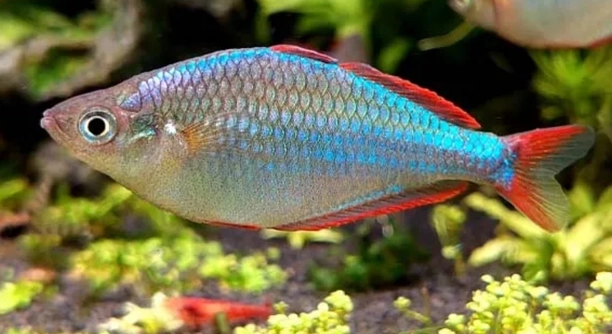
Rainbow fish are popular for their vibrant colors and active nature. Keeping them healthy and thriving in a tank requires attention to their diet and overall well-being. One aspect that might concern fish owners is their weight.
Rainbow fish, like other fish, can gain weight if overfed. However, excessive fat can lead to health issues, such as organ strain. Proper portion control and a balanced diet are essential to maintaining a healthy weight and preventing obesity.
Understanding how to care for your rainbow fish’s diet and health can prevent potential complications. This guide provides helpful information on keeping them healthy and happy.
The Importance of Portion Control for Rainbow Fish
Feeding rainbow fish too much can lead to weight gain, which affects their overall health. Overfeeding often happens when owners are unaware of the amount they should give their fish. These fish have specific dietary needs, and it’s easy to give them more than they can handle. Too much food in the tank not only contributes to obesity but can also pollute the water, creating unhealthy conditions. Proper portion control helps prevent these issues and ensures that the fish get the nutrients they need without excess.
Controlling portion sizes is key to keeping your fish in good health. Overfeeding not only causes weight gain but also impacts water quality. The best practice is to feed them what they can consume within 2-3 minutes.
By sticking to the recommended portions, you can keep your rainbow fish at a healthy weight. They’ll be more active and less stressed. It’s important to keep track of how much food is left in the tank after feeding. Any excess should be removed to prevent water contamination. When in doubt, it’s always better to feed less rather than more.
Choosing the Right Type of Food
Selecting high-quality food for your rainbow fish is just as important as controlling their portions. Not all fish foods are created equal. Some may be packed with fillers and lack the nutrients necessary for a balanced diet. Make sure the food you choose is designed specifically for rainbow fish. It should contain the proper balance of protein, vitamins, and minerals. Rainbow fish thrive on a mix of dry flakes, pellets, and occasional live or frozen food. These varieties help keep their diet interesting and nutritionally complete.
Using the right type of food ensures that your fish are receiving the nutrients they need for energy and healthy growth. Avoid foods that are too rich in fat or sugars, as these can contribute to obesity. Always check the ingredients list to ensure the food is suitable for your fish’s specific needs.
How Overfeeding Affects Water Quality
Overfeeding rainbow fish can result in leftover food sinking to the bottom, decomposing, and contaminating the water. This extra food not only reduces oxygen levels but also promotes harmful bacteria growth, leading to poor water quality. When the water becomes toxic, fish are more likely to develop diseases, which can be difficult to treat.
Maintaining clean water is essential for the health of rainbow fish. Leftover food releases ammonia into the water, which is harmful to both the fish and the aquatic plants in the tank. Regular water changes and proper filtration can help combat this, but the first step is to control how much food is given.
It’s important to monitor your fish closely to avoid feeding too much. If you’re unsure about the right amount, it’s always better to offer a little less and add more if necessary. The goal is to create a stable and healthy environment for your rainbow fish, which starts with managing their food intake.
The Role of Exercise in Weight Management
Rainbow fish need plenty of space to swim and stay active. In a tank that is too small, they can become sluggish, which may contribute to weight gain. Providing enough swimming room helps them maintain a healthy metabolism. A well-stocked tank with plenty of plants and decorations will encourage your fish to move around more, mimicking their natural habitat. This not only promotes physical health but also reduces stress, which is crucial for preventing overeating.
A tank with various hiding spots and plants can keep your rainbow fish mentally and physically stimulated. This added stimulation helps them remain active and encourages foraging behaviors. If the fish are constantly moving around, they are less likely to overeat, as they’re busy exploring their environment.
When designing your tank, make sure to include enough space for the fish to swim freely. A tank that is too small can lead to physical problems, including excess weight. Larger tanks are generally better for keeping fish active and happy. This will ensure they stay healthy and avoid becoming overweight.
The Impact of Temperature on Metabolism
Water temperature plays a role in the metabolism of rainbow fish. If the water is too cold, their metabolism slows down, which can lead to weight gain. On the other hand, water that is too warm can cause stress and unhealthy weight loss. Maintaining an optimal temperature range is essential.
Rainbow fish thrive in temperatures between 72°F and 78°F (22°C to 26°C). If the temperature falls below or rises above this range, their metabolism may be disrupted, leading to overeating or poor digestion. Consistently stable temperatures help ensure their health and prevent weight fluctuations.
The Benefits of a Balanced Diet
A balanced diet for rainbow fish includes a mix of protein, fiber, and healthy fats. It’s important to avoid feeding them excessive amounts of fatty food, as this can lead to weight gain. The right balance helps maintain their energy levels and prevents obesity-related health issues.
Feeding your rainbow fish a variety of foods, including high-quality flakes, pellets, and occasional live or frozen food, ensures they get all the nutrients they need. These options provide essential vitamins, minerals, and proteins without the risk of overfeeding them fatty or processed food.
Recognizing Signs of Obesity in Rainbow Fish
Obesity in rainbow fish is typically seen through physical changes, such as a bloated appearance or slower movement. If a fish is struggling to swim or is spending too much time resting, it may be a sign that they are overweight. Immediate changes in their diet and care may be needed.
FAQ
Can rainbow fish get fat?
Yes, rainbow fish can become overweight if they are overfed. Overfeeding leads to excess fat accumulation and can cause a range of health problems, including difficulty swimming and poor water quality in the tank. It’s crucial to feed them the right portion sizes to prevent this.
How do I prevent my rainbow fish from getting fat?
To prevent rainbow fish from gaining weight, control the amount of food you provide. Feed them small portions that they can consume within a few minutes, and avoid leaving uneaten food in the tank. Offering a varied diet, including high-quality flakes, pellets, and occasional live or frozen food, is also beneficial.
What happens if rainbow fish eat too much?
If rainbow fish eat too much, they can become overweight, which may lead to health issues like decreased mobility, poor water quality, and increased stress. Overfeeding also leads to the accumulation of uneaten food, which pollutes the tank and harms both the fish and the environment.
What is the ideal portion size for rainbow fish?
A good rule of thumb is to feed rainbow fish only what they can consume in 2-3 minutes. If there’s any leftover food, remove it from the tank to prevent contamination. Over time, you’ll get a sense of how much they need, depending on their size and activity level.
Can rainbow fish survive on flakes only?
Flakes alone can provide a basic diet for rainbow fish, but they should be supplemented with other foods to ensure they get a well-rounded diet. Live or frozen food like brine shrimp or daphnia can offer additional protein and nutrients that flakes may lack.
How often should I feed my rainbow fish?
Rainbow fish should be fed 1-2 times a day, depending on their age and activity level. Younger or more active fish may need slightly more food, but be careful not to overfeed. Feeding them once or twice daily helps maintain a balanced diet and prevents excess fat accumulation.
Can rainbow fish eat vegetables?
Yes, rainbow fish can eat vegetables. Blanched spinach, zucchini, and peas are great options to add fiber and variety to their diet. These veggies should be chopped into small pieces and offered occasionally, as they provide essential nutrients and help with digestion.
What are the signs that my rainbow fish are overweight?
Overweight rainbow fish may appear bloated or have difficulty swimming. They may also be slower and less active. If you notice these signs, it’s important to adjust their diet and ensure they have enough space to swim and exercise. Reducing food intake and maintaining proper water quality will help them get back to a healthy weight.
How can I improve the water quality in my tank?
To maintain good water quality, perform regular water changes (about 25% weekly) and ensure the tank is properly filtered. Remove uneaten food promptly and avoid overfeeding to prevent water contamination. A stable temperature and appropriate pH levels are also important to keeping the water healthy for your fish.
Can rainbow fish eat live food?
Yes, rainbow fish enjoy live food, and it can be an excellent addition to their diet. Live foods like brine shrimp, worms, and daphnia provide high-quality protein and encourage natural hunting behavior. However, live food should only be offered in moderation and be free from contaminants.
Do rainbow fish need a special diet?
Rainbow fish don’t need a highly specialized diet, but they do benefit from a varied, balanced one. A mix of high-quality flakes, pellets, and occasional live or frozen food will provide the right nutrients. Avoid feeding them too much fatty or processed food, which could lead to health problems.
How can I prevent my rainbow fish from getting stressed?
To reduce stress in rainbow fish, make sure they have plenty of swimming space and hiding spots in the tank. Keep the water conditions stable, including temperature, pH, and oxygen levels. Avoid overcrowding the tank, and maintain good water quality to prevent diseases and stress-related issues.
Are rainbow fish easy to care for?
Rainbow fish are relatively easy to care for, making them a good choice for beginners. However, like all fish, they require proper tank conditions, a balanced diet, and regular maintenance. Keeping their environment clean, feeding them appropriate portions, and monitoring their health will help ensure they thrive.
Can I keep rainbow fish with other species?
Rainbow fish are generally peaceful and can be kept with a variety of other species, especially with similarly-sized or peaceful fish. Avoid keeping them with aggressive or fin-nipping species. Ensure that the tank is large enough to accommodate multiple fish comfortably, and that all species have enough space to thrive.
Final Thoughts
Rainbow fish are beautiful and active creatures that can thrive in a home aquarium, but like any pet, they require careful attention to their health and well-being. Managing their diet is a crucial aspect of their care. Overfeeding can lead to obesity, which can cause various health problems. It is important to feed them only the amount they can consume in a few minutes, and avoid leaving excess food in the tank. A balanced diet, along with appropriate portion sizes, ensures they stay healthy and active. By monitoring their food intake and providing a variety of nutritious options, you can prevent them from becoming overweight.
Temperature, tank size, and exercise all play important roles in maintaining a healthy weight for rainbow fish. Keeping the water temperature in the optimal range of 72°F to 78°F supports their metabolism. A tank that is large enough for them to swim freely is also necessary for their physical health. Proper filtration and regular water changes help maintain water quality, which is essential for preventing obesity-related issues. Encouraging movement through a well-planted tank with hiding spots and decorations promotes both physical and mental well-being. Ensuring your fish have enough space and stimulation will keep them active and reduce the risk of overeating.
Caring for rainbow fish involves more than just feeding them. It requires attention to their environment, diet, and behavior. Monitoring their weight and health regularly will help catch any potential issues early. If you notice any signs of obesity, such as a bloated appearance or difficulty swimming, adjust their diet and make sure they are getting enough exercise. With proper care, rainbow fish can live a long and healthy life. By following simple guidelines for feeding, tank maintenance, and providing enough space to swim, you can keep your rainbow fish happy and healthy for years to come.

Hello,
If you enjoy the content that we create, please consider saying a "Thank You!" by leaving a tip.
Every little bit helps us continue crafting quality advice that supports the health, happiness, and well-being of pets around the world, for pets of all shapes, sizes, and species.
We really appreciate the kindness and support that you show us!