
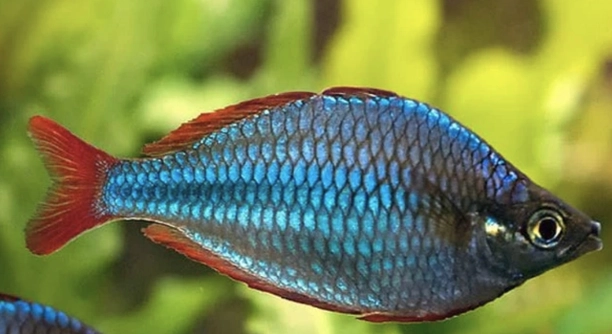
Rainbow fish are known for their vibrant colors and active nature, but their behavior can often leave owners wondering about their emotional lives. Do these fish experience feelings like jealousy, or is this just a misconception?
Rainbow fish do not exhibit jealousy in the way humans or some animals do. Their behavior is primarily driven by survival instincts and environmental factors rather than complex emotions like jealousy. They may display territorial or competitive behaviors, but these actions are not motivated by emotions.
While rainbow fish do not experience jealousy, their behavior can be influenced by their environment and interactions with other fish. Understanding these dynamics can help create a more peaceful tank for your rainbow fish.
Do Rainbow Fish Display Territorial Behavior?
Rainbow fish may not get jealous, but they can display territorial behavior, especially when it comes to securing space in the tank. In the wild, these fish are used to competing for resources like food and mates. In a home aquarium, they may act aggressively toward other fish when they feel their territory is threatened. You might notice them chasing or nipping at other fish, especially during feeding times or when breeding is involved. However, this behavior is more about survival and less about emotional responses like jealousy.
Territorial behavior in rainbow fish is common, particularly when the tank is overcrowded or lacks hiding spaces. Creating a more spacious environment or adding plants and decorations can help ease this aggression.
To prevent territorial disputes, ensure your tank provides enough room for each fish. Adding plants or rocks can create natural boundaries, allowing each fish to claim its own space. This can reduce aggressive interactions and keep your rainbow fish comfortable.
How to Manage Aggression in Your Tank
Aggression in rainbow fish can become a problem if not addressed early. You can reduce the chance of conflict by choosing tank mates carefully. Rainbow fish do best with species that are equally active but not overly aggressive. Avoid keeping them with large, slow-moving fish that could become targets. Ensure there are enough hiding places and visual barriers to reduce stress and competition.
Additionally, it’s crucial to maintain water quality. Poor water conditions can increase stress, leading to more aggressive behavior. Keeping the tank clean and stable can help promote peaceful interactions between your fish.
By creating an environment where your rainbow fish feel safe and comfortable, you can reduce territorial behavior. Providing ample space, the right tank mates, and proper maintenance will help maintain a peaceful aquarium where your fish can thrive.
Factors That Affect Rainbow Fish Behavior
Several factors influence the behavior of rainbow fish, such as tank size, water quality, and tank mates. If these fish feel overcrowded or stressed, they are more likely to display territorial behaviors. Additionally, water conditions play a significant role in their overall temperament. Keeping the water clean and at the correct temperature is essential for promoting calm and social behavior in your fish.
Rainbow fish tend to get along well in groups, but only if the environment allows it. In a tank with limited space or improper conditions, aggression can quickly become a problem. You may notice this especially during feeding times, where fish compete for food. By providing plenty of space and hiding spots, you can reduce these stressors. Monitoring the water quality and temperature ensures that the fish feel comfortable, which can help reduce the chances of territorial disputes.
If you’re dealing with aggression in your rainbow fish, the issue might stem from a combination of factors. One of the simplest ways to alleviate this is by making adjustments to the tank environment. For example, adding more plants or creating different zones can allow fish to separate from one another. Additionally, checking the water conditions, such as pH and hardness, can help create a more harmonious environment. By paying attention to these elements, you can prevent many common behavioral issues.
Best Tank Mates for Rainbow Fish
When choosing tank mates for your rainbow fish, it’s important to select species that are similarly active but not aggressive. Smaller, peaceful fish such as tetras, gouramis, and livebearers make good companions. Avoid larger or more aggressive fish, which might stress out the rainbow fish or cause them to act defensively. Keeping tank mates with similar temperament ensures a more peaceful environment.
The behavior of rainbow fish can greatly benefit from the right mix of tank mates. Peaceful species will complement their social nature, reducing the chances of territorial disputes. Fish that are too aggressive may not only stress the rainbow fish but can also bully them, leading to unhealthy interactions. Additionally, certain species may be too slow or passive, making them an easy target for the more active rainbow fish. Properly balancing tank mates can result in a happier, more relaxed aquarium environment. When picking companions, always consider the overall dynamics of your tank to maintain a peaceful setting for all inhabitants.
Signs of Stress in Rainbow Fish
Rainbow fish show signs of stress through changes in behavior, such as hiding more frequently or swimming erratically. Stress can also cause them to lose their vibrant colors or appear lethargic. Other indicators include aggression or excessive darting around the tank, often as a result of poor water quality or overcrowding.
Stress in rainbow fish can be caused by several factors, including sudden changes in water temperature, inadequate filtration, or too many fish in the tank. If these stressors persist, your rainbow fish may become more vulnerable to illness or even death. Regular water changes and maintaining a proper tank size will help alleviate some of these issues. If you notice your fish hiding or behaving unusually, take steps to identify the cause and make the necessary adjustments.
Feeding Rainbow Fish Properly
Rainbow fish are omnivores and thrive on a varied diet that includes both plant-based and animal-based foods. A mix of high-quality flakes, pellets, and occasional live or frozen foods will ensure they receive all the necessary nutrients. Overfeeding can lead to water quality issues, so feed in moderation.
When feeding your rainbow fish, it’s important to offer small amounts throughout the day rather than one large meal. This helps prevent overfeeding and keeps the water clean. Additionally, providing a variety of foods, such as brine shrimp or daphnia, keeps the fish healthy and engaged. A balanced diet helps promote vibrant colors and active behavior.
FAQ
Do rainbow fish get along with other fish?
Yes, rainbow fish are generally peaceful and social creatures. They can get along with many types of tank mates, especially those that are similarly active but not aggressive. They do best with other peaceful fish, such as tetras or gouramis. However, their behavior may change if they feel threatened or overcrowded. The key to ensuring they coexist peacefully with other fish is by providing enough space and hiding spots, as well as selecting compatible species.
How can I tell if my rainbow fish is stressed?
Stressed rainbow fish may show signs like hiding more than usual, swimming erratically, or showing a loss of color. Their usually bright and vibrant hues may dull, and they might become more aggressive toward tank mates. Stress can also lead to lethargy, where the fish swim sluggishly or sit near the bottom of the tank. Changes in appetite, such as not eating as much, can also indicate stress. Monitoring their behavior regularly and adjusting tank conditions can help alleviate stress.
What is the best water temperature for rainbow fish?
Rainbow fish thrive in warm water, with the ideal temperature range being between 72°F and 78°F (22°C to 26°C). It’s important to keep the water within this range to ensure they remain healthy and active. Water temperature fluctuations can cause stress, so it’s essential to have a reliable heater and thermometer to maintain stable conditions. Avoid temperatures that are too high or low, as extreme conditions can affect their behavior and overall well-being.
Can rainbow fish live in a cold tank?
Rainbow fish prefer warm water, so a cold tank can lead to stress and health issues. If the water temperature falls below 72°F (22°C), the fish may become lethargic and more prone to diseases. It’s best to maintain the temperature within the recommended range of 72°F to 78°F for optimal health. Using an aquarium heater can help maintain a consistent temperature in colder environments.
Do rainbow fish need a lot of space?
Yes, rainbow fish are active swimmers and need space to roam. A larger tank is preferable, as it allows them to swim freely and reduces territorial behaviors. A 30-gallon tank is the minimum recommended size for a small group of rainbow fish, but larger tanks are always better. More space means less stress and happier, healthier fish. Crowding can cause aggression and poor water quality, so proper tank size is essential for their well-being.
Can I keep just one rainbow fish?
While rainbow fish can technically live alone, they are much happier in groups. These fish are social and thrive when they have companions. Keeping just one rainbow fish can lead to loneliness and stress, which can affect its health. Ideally, you should keep at least five or six rainbow fish together to encourage natural schooling behavior. A group helps reduce aggression and allows the fish to feel more secure in their environment.
How often should I feed my rainbow fish?
Rainbow fish should be fed small amounts of food 1-2 times a day. Overfeeding can lead to water quality problems and obesity, so it’s best to provide only as much food as they can consume in a few minutes. A balanced diet of high-quality flakes or pellets, supplemented with occasional live or frozen foods, is ideal. Consistent, moderate feeding helps keep your rainbow fish healthy and active, while also maintaining the cleanliness of the tank.
What is the lifespan of a rainbow fish?
Rainbow fish typically live between 5 to 8 years when kept in proper conditions. Their lifespan can be influenced by factors like water quality, diet, and tank size. Regular water changes, maintaining optimal water parameters, and providing a balanced diet can help ensure that they live a long, healthy life. It’s important to avoid drastic changes in their environment, as stress can reduce their lifespan.
Do rainbow fish need a filter?
Yes, rainbow fish require a filter to maintain good water quality. Filters help remove debris, excess food, and waste, ensuring the water remains clean and oxygenated. A strong filter is essential in larger tanks, as rainbow fish are active and produce a lot of waste. Choose a filter that is appropriately sized for your tank to prevent poor water conditions, which can lead to stress and disease. Regular maintenance of the filter will keep it running efficiently.
What should I do if my rainbow fish is aggressive?
If your rainbow fish is acting aggressively, it could be due to stress, territorial behavior, or lack of space. First, check the tank’s size and ensure there are enough hiding spots and plants to break up sight lines. Reducing the number of fish in the tank or changing the tank mates may also help. If aggression persists, you may need to separate the fish to prevent injury or further stress. Maintaining optimal water quality and temperature can help reduce aggression in general.
Are rainbow fish easy to breed?
Rainbow fish are relatively easy to breed, though they do require specific conditions. They prefer slightly acidic to neutral water and a stable, warm temperature. To encourage breeding, ensure that they have enough space and a variety of food to promote health and activity. Once the female lays eggs, the parents may eat them, so it’s recommended to remove the adult fish after spawning to increase the chances of egg survival. Breeding rainbow fish requires patience, but it can be a rewarding experience with the right setup.
Can I mix different species of rainbow fish?
Yes, you can mix different species of rainbow fish as long as they share similar water requirements and temperaments. However, some species might be more territorial or aggressive than others, so it’s essential to research the specific needs of each species. Generally, peaceful species like the Boesemani rainbow and the Threadfin rainbow mix well in the same tank. Ensure there is enough space and hiding spots to reduce competition and aggression.
Final Thoughts
Rainbow fish are captivating creatures that can thrive in a well-maintained aquarium with the right care. They are generally peaceful and can coexist with many other species if their needs are met. Keeping these fish healthy requires regular maintenance of the tank, such as proper water temperature, quality filtration, and a balanced diet. If provided with enough space to swim and the right environment, rainbow fish can live long, happy lives and show off their beautiful colors. They are a great addition to any aquarium, bringing color and life to your underwater world.
However, like all fish, rainbow fish can experience stress if their conditions are not optimal. This includes overcrowding, poor water quality, or a lack of appropriate tank mates. It’s important to observe their behavior closely to ensure they are not showing signs of stress, such as hiding or swimming erratically. A stable and clean environment, along with regular water changes, is crucial for maintaining their health. Additionally, understanding their feeding habits and avoiding overfeeding can prevent water contamination and keep them active.
Rainbow fish are an excellent choice for both beginner and experienced aquarium enthusiasts. They are relatively easy to care for, as long as you follow some basic guidelines. With the right care and attention, you can enjoy watching these fish interact in your tank for many years. Keeping an eye on their behavior and adjusting their environment when necessary ensures that they remain happy and vibrant. Ultimately, their peaceful nature and colorful appearance make them a rewarding species to keep in your home aquarium.

Hello,
If you enjoy the content that we create, please consider saying a "Thank You!" by leaving a tip.
Every little bit helps us continue crafting quality advice that supports the health, happiness, and well-being of pets around the world, for pets of all shapes, sizes, and species.
We really appreciate the kindness and support that you show us!