
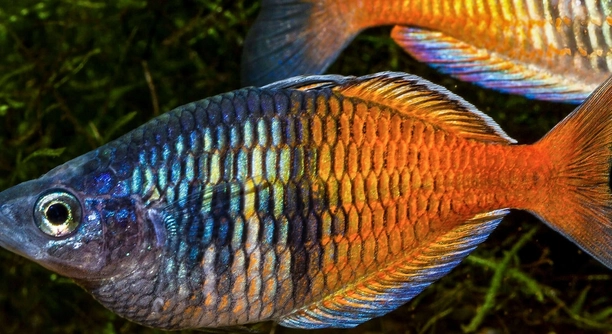
Rainbow fish are known for their vibrant colors and active behavior, making them a popular choice in aquariums. Their ability to interact with their environment is often a topic of curiosity. One common question that arises is whether they can recognize reflections.
Research has shown that rainbow fish, like many other species, do indeed respond to their reflections. However, they do not necessarily recognize these reflections as themselves. Instead, they often treat the reflection as another fish, which may lead to territorial behaviors.
Understanding how rainbow fish react to reflections can provide insight into their behavior and mental processes. This exploration reveals more about their sensory abilities and how they perceive their surroundings.
How Rainbow Fish Respond to Reflections
Rainbow fish have an interesting way of interacting with their surroundings. They are highly visual creatures, and their response to reflections is largely driven by their natural behaviors. When they see themselves in the glass, they may perceive it as another fish. This often leads to territorial behavior, such as chasing or displaying dominance. This reaction is not based on self-recognition, but rather an instinctual response to potential competition. In nature, rainbow fish often protect their space, and their reflection triggers the same instinct.
While rainbow fish do not recognize themselves in the way humans do, their behavior towards reflections can show how they perceive their environment. It is important to remember that their perception is driven by survival instincts, not a deeper level of awareness.
Understanding this can be useful when keeping rainbow fish in an aquarium. If you notice your fish behaving aggressively towards their reflection, it’s a natural response. You might want to consider adding more hiding spots or rearranging the tank to minimize the effects of their reflections.
Why Fish Don’t Recognize Their Reflections
Fish, including rainbow fish, lack the cognitive ability to recognize their reflections as themselves. This is due to the absence of certain brain structures associated with self-awareness. Unlike some species of mammals or birds, fish do not have the advanced neural processing needed for self-recognition. In the wild, fish rely more on smell and movement rather than visual cues. This makes their response to a reflection more about territory and less about identity.
Fish are very sensitive to environmental changes, which is why they react strongly to a reflection. While they may not understand the reflection as their own image, the display is still a form of communication. When rainbow fish see their reflection, they often react with increased aggression or stress. This response can sometimes affect their well-being if it continues for extended periods.
Understanding this behavior can help aquarium owners manage their fish’s environment in a way that minimizes stress and promotes healthier interactions. If reflections are causing problems, rearranging the tank or adding natural barriers can provide relief for the fish and create a calmer atmosphere.
The Science Behind Reflection Recognition
Fish, including rainbow fish, do not possess the cognitive abilities needed for self-recognition. Instead of recognizing their own reflection, they interpret it as another fish. This can trigger aggressive behavior or territorial responses. These instincts are deeply ingrained in their nature and survival strategies, rather than being a form of self-awareness.
The lack of self-recognition is largely due to their brain structure, which does not support the complex awareness required for such recognition. This means their response to reflections is more about competition and territory rather than an emotional or social interaction with themselves. Unlike humans and some other animals, fish process visual cues in a way that focuses on immediate survival needs.
Understanding that rainbow fish react to reflections instinctively can help aquarium owners manage their behavior. If reflections trigger aggression, it may be worth exploring tank setups that minimize visual exposure to the glass. Rearranging decorations or introducing new structures can provide a more calming environment.
How to Reduce Aggression from Reflections
To reduce aggression caused by reflections, adjusting the layout of your tank can help. Introducing plants, rocks, or tank dividers can obstruct the view of the glass, making reflections less visible. This can help calm rainbow fish and reduce territorial behavior. Additionally, adding more hiding places gives fish areas to retreat to, lowering stress levels.
Rainbow fish thrive in environments where they feel secure. The presence of tank mates can also help reduce the impact of reflections, as they may focus on other fish rather than themselves. Adding species that are peaceful and social can help create a more balanced environment. It’s essential to ensure that the tank has a variety of hiding spots to promote natural behaviors.
Sometimes, it’s not just about the layout. If you’re dealing with persistent aggression, observing your fish’s behavior closely is key. You may notice patterns or specific triggers, allowing you to fine-tune their environment to best suit their needs.
Tank Setup for Minimizing Reflection Stress
Creating a well-thought-out tank setup can reduce the stress caused by reflections. Adding plants, rocks, or other decorations strategically can block fish from seeing themselves in the glass. This helps prevent territorial aggression and allows rainbow fish to feel more comfortable in their space.
The more natural and varied the environment, the better. Adding different textures and layers, such as caves or floating plants, can give rainbow fish areas to explore and retreat. This diversity in their environment encourages healthier behavior and minimizes the chances of reflection-triggered stress or aggression.
Socializing Fish to Ease Reflection Stress
Introducing other compatible fish species can help distract rainbow fish from their reflections. Socializing them with peaceful tank mates encourages natural behaviors and can reduce territorial aggression. However, it’s important to ensure the new fish are non-aggressive and well-suited to living with rainbow fish.
Tank mates help in multiple ways, not just by occupying the space, but also by giving rainbow fish something else to focus on. The right combination of fish can create a balanced community, allowing everyone to coexist peacefully. However, always keep an eye on their interactions to ensure harmony.
The Role of Light in Reflection Behavior
Lighting plays a crucial role in the visibility of reflections. Bright lights positioned near the tank’s surface can intensify reflections. Modifying the lighting or placing it at an angle that minimizes glare can reduce how often rainbow fish see their reflections. This helps keep them calm.
By adjusting the lighting, you can make the aquarium more natural for the fish, reducing stress. Experimenting with different lighting types or setups can reveal what works best to create a comfortable environment for your rainbow fish.
FAQ
Do rainbow fish recognize their own reflection?
Rainbow fish do not recognize their reflection as themselves. They perceive the reflection as another fish, triggering territorial behaviors like chasing or displaying dominance. This response is based on natural survival instincts rather than self-awareness. They treat reflections as competition for space or mates, not as an image of themselves.
Why do rainbow fish act aggressively toward their reflections?
Rainbow fish exhibit aggression toward their reflections because they mistake the image for another fish invading their territory. In the wild, these fish are territorial, and their behavior toward reflections is an instinctive reaction to defend their space. The aggression often leads to them chasing or nipping at their reflections.
Can rainbow fish stop being aggressive toward their reflections?
Aggression caused by reflections can be reduced through environmental changes. Altering the tank setup to block the fish’s view of the glass with plants, decorations, or dividers can help. Providing plenty of hiding spots and introducing peaceful tank mates can also ease their territorial instincts. Over time, these changes may help calm the aggression.
How can I reduce the stress from reflections in my aquarium?
To reduce stress from reflections, consider rearranging your tank or adding items like plants, rocks, or cave structures. These can obscure the glass and prevent the fish from seeing their reflections. Using soft or diffused lighting can also help minimize glare, reducing the chances of reflections that may cause stress.
Is it necessary to add tank mates to calm rainbow fish?
While not strictly necessary, adding compatible tank mates can help calm rainbow fish. Peaceful fish that don’t challenge their space can distract them from aggressive behaviors caused by reflections. However, it’s important to ensure that the new fish are well-suited to the rainbow fish’s temperament to maintain a harmonious tank environment.
What types of tank mates are suitable for rainbow fish?
Rainbow fish are generally peaceful and do well with other non-aggressive fish. Suitable tank mates include tetras, guppies, or peaceful barbs. It’s essential to avoid overly territorial or aggressive species, as they can cause stress and disrupt the peaceful environment rainbow fish need to thrive.
Do rainbow fish need a lot of space to avoid aggression?
Yes, providing enough space for rainbow fish can reduce territorial aggression. A larger tank allows them to establish their own territories and minimizes the chances of them becoming stressed by other fish or their reflections. A minimum of 30 gallons is recommended for a small group of rainbow fish.
Can aquarium glass reflect more than just the fish?
Yes, aquarium glass can reflect not only the fish but also objects around the tank. If there are bright lights or other reflective surfaces nearby, the fish may see those reflections as well. It’s helpful to observe the tank’s surroundings and adjust lighting or other objects to limit reflections that could disturb the fish.
How does lighting affect rainbow fish and their reflection behavior?
Bright or direct lighting can intensify reflections in the tank, making rainbow fish more likely to notice and react to them. Using indirect or dimmer lighting helps reduce the intensity of reflections. Experimenting with light placement can help create a more comfortable environment for the fish.
Do rainbow fish exhibit the same behavior with mirrors?
Rainbow fish behave similarly with mirrors as they do with reflections in the tank glass. They may perceive the mirror as another fish and exhibit territorial behaviors such as aggression or chasing. This is part of their natural instinct to protect their space.
Are there other ways to manage reflection-related aggression?
In addition to rearranging the tank and adjusting lighting, you can also try using background covers or tank decals that block reflections on the back of the tank. These can make the fish feel more secure and prevent them from constantly seeing their own image or that of other potential fish.
How long does it take for rainbow fish to adjust to changes in their tank?
Rainbow fish can take some time to adjust to changes in their environment, especially if you modify the layout or add new tank mates. It may take a few days to a week for them to adapt to new hiding spots or changes in lighting. Be patient and observe their behavior during this period.
Can rainbow fish get used to their reflection over time?
Rainbow fish may become somewhat less reactive to their reflection over time, especially if they are kept in a more natural, less stressful environment. However, it’s unlikely they will ever completely stop reacting to their reflections. Regular tank adjustments and introducing peaceful tank mates can help reduce the impact of these reactions.
Is it harmful for rainbow fish to keep seeing their reflections?
Constant exposure to reflections can lead to stress and even physical damage if the fish become too aggressive. Prolonged stress can affect their immune system and overall health. It’s crucial to address reflection-related aggression by altering the tank setup or providing a more comfortable environment.
Should I remove decorations to stop reflections?
Removing decorations may reduce the reflection issue temporarily, but it can also create an environment that feels less secure for your rainbow fish. Instead, try rearranging the tank to block reflections without removing essential structures. Adding more plants or hiding spots can help your fish feel secure without making the space feel bare.
Can rainbow fish be kept in smaller tanks without reflection issues?
While rainbow fish can live in smaller tanks, they tend to thrive better in larger environments. Smaller tanks can lead to higher stress levels, especially when reflections cause territorial behavior. A larger tank gives them space to spread out and reduce the likelihood of stress related to reflections.
What should I do if my rainbow fish seem constantly stressed?
If your rainbow fish appear consistently stressed, it’s important to evaluate their environment. Check for signs of aggression, overcrowding, or reflection-induced stress. Adjust the tank layout, lighting, and consider adding peaceful tank mates. If the stress persists, consult a veterinarian to ensure there are no underlying health issues.
Final Thoughts
Rainbow fish, like many other species, react instinctively to their environment, including the reflections they see in their tank. While they may not recognize their reflections as themselves, their territorial nature often triggers aggression. This can lead to stress, which affects their overall well-being. By understanding the causes of these behaviors, you can take steps to create a more comfortable environment for your fish.
Adjusting your tank setup, such as adding plants or decorations, can help reduce the visibility of reflections. These changes provide rainbow fish with places to hide and explore, offering a sense of security. Proper lighting also plays a significant role in minimizing reflections. Using softer, indirect lighting can prevent glare, reducing the chances of reflections becoming a problem. It’s important to keep in mind that these simple adjustments can make a significant difference in how your fish respond to their environment.
Ultimately, creating a peaceful and balanced tank environment is key to keeping rainbow fish healthy and stress-free. Introducing compatible tank mates and providing ample space can also help ease territorial behaviors. Regularly monitoring their behavior and making small changes as needed ensures that your rainbow fish are comfortable and thriving. With some attention and care, you can help your fish live a happier, more relaxed life.

Hello,
If you enjoy the content that we create, please consider saying a "Thank You!" by leaving a tip.
Every little bit helps us continue crafting quality advice that supports the health, happiness, and well-being of pets around the world, for pets of all shapes, sizes, and species.
We really appreciate the kindness and support that you show us!