
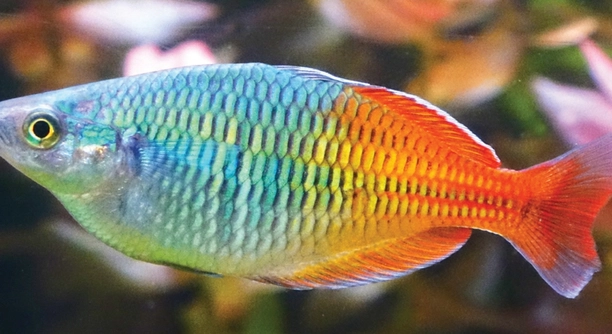
When a rainbow fish gets old, it’s not just about its colors fading or its fins becoming worn. As these vibrant creatures age, their needs and behaviors can change. Understanding what happens as they grow older can help keep them healthy.
As rainbow fish age, they may experience slower growth rates, diminished coloration, and reduced reproductive abilities. They may also become more prone to certain health issues and require a different care routine to maintain their well-being.
Knowing how aging affects rainbow fish is essential for ensuring they live a long and healthy life. This article explores the stages of aging and how to care for them as they grow older.
The Signs of an Aging Rainbow Fish
As rainbow fish get older, their appearance and behavior begin to change. One of the first things you might notice is their fading colors. While younger fish are known for their bright, vibrant hues, older ones may lose some of their vibrancy. Their fins and scales may also look more worn out, sometimes even showing signs of damage. A slower swimming pace is also common. The once energetic fish may now move with less enthusiasm, making their behavior seem more sluggish. Additionally, older fish might be less interactive with other tank mates or even humans. These changes are natural, but it’s important to keep an eye out for any other issues that could arise.
Aging rainbow fish can also become more susceptible to diseases due to a weaker immune system. Their ability to heal from injuries may be slower, requiring extra attention to their environment.
While the signs of aging are noticeable, it’s essential to monitor other health factors too. For instance, older fish may have a reduced appetite or trouble maintaining their buoyancy. This can be linked to internal organ aging or digestive problems. Aging rainbow fish may need a specialized diet that’s easier to digest, with more protein and nutrients to help maintain their strength.
Keeping Your Rainbow Fish Healthy in Their Senior Years
As rainbow fish age, their care needs to be adjusted to ensure they remain as healthy as possible. Regular water changes and proper filtration are vital for older fish, as they can be more sensitive to changes in water quality. It’s essential to check the water parameters frequently to prevent stress.
In addition to keeping the water clean, older rainbow fish might benefit from a quieter, less stressful tank environment. Avoid sudden changes in the tank and reduce aggressive tank mates. Older fish may not be able to compete for food or territory as they once could, leading to stress or malnutrition. Offering softer foods or smaller pieces of food can also help with digestion. Some owners find that supplementing their fish’s diet with vitamins or specific nutrients helps improve their overall health. Regular check-ups with a vet familiar with fish care can provide peace of mind and ensure that the fish receives the best possible care during their later years.
Aging and Its Effect on a Rainbow Fish’s Behavior
As rainbow fish age, they may become less active and social. They might not swim around as energetically, and their interactions with tank mates could decrease. This can affect the overall dynamics in the tank, making them appear more withdrawn.
In some cases, older rainbow fish might retreat to corners of the tank or stay near the bottom. These changes could also reflect a decrease in their energy levels, as they aren’t as keen to chase food or explore. If you notice these shifts, it’s important to adjust your care routine, ensuring they have a calm and comfortable space.
Their feeding habits can also change. An older rainbow fish might eat less or prefer certain types of food. This can be a result of slower metabolism or digestive changes. Monitoring their eating habits is key, as underfeeding or overfeeding can cause further health issues.
Special Care for Aging Rainbow Fish
Aging rainbow fish might need a different type of care to stay healthy. Since their immune systems weaken with age, it’s important to keep the tank clean and ensure there’s no overcrowding. This helps reduce the chances of disease spreading.
Providing a more gentle filtration system and avoiding sharp decorations can protect their sensitive skin and fins. Also, lowering the tank’s lighting or placing plants strategically can help them feel more secure. Some older fish benefit from slightly warmer water, but it’s important not to make drastic changes, as they may struggle with temperature shifts. Maintaining a stable, comfortable environment can help reduce stress and support their well-being.
Adjusting Their Diet as They Age
As rainbow fish age, their dietary needs may change. Older fish might struggle to digest certain foods, so softer, easier-to-digest options can be beneficial. This might include high-quality flake food or specially formulated pellets for aging fish.
Adding more protein to their diet can also help maintain their strength. Some owners find that offering live or frozen foods, like brine shrimp or bloodworms, can stimulate their appetite. However, it’s important to avoid overfeeding, as older fish may have slower metabolism rates. Keeping their meals balanced will help prevent issues like obesity.
Common Health Issues in Older Rainbow Fish
Older rainbow fish may experience various health problems that younger fish typically avoid. They can develop swim bladder issues, leading to difficulty swimming or staying afloat. It’s important to regularly check for signs of distress like floating sideways or sinking to the bottom of the tank.
Another common issue is a weakened immune system. This makes older fish more vulnerable to diseases and infections. You can reduce this risk by maintaining a clean tank and avoiding drastic water changes. Keeping a close watch on their health can help you catch any problems early.
The Importance of Regular Monitoring
Regularly monitoring your aging rainbow fish is crucial to keeping them healthy. You should keep an eye on their behavior, eating habits, and physical condition. Small changes might be signs of an underlying health issue.
Pay attention to their swimming patterns, as changes can indicate health concerns. If their body shape changes, or if you notice unusual spots or wounds, it’s important to address these promptly. Consistent monitoring helps ensure that your fish remain as comfortable and healthy as possible throughout their senior years.
FAQ
What is the lifespan of a rainbow fish?
Rainbow fish typically live for about 5 to 7 years, though some may live a little longer if they are well cared for. Their lifespan can be affected by factors like water quality, diet, and general health. When cared for properly, they can live close to their maximum potential.
How can I tell if my rainbow fish is old?
You can tell a rainbow fish is getting older by looking at its physical appearance and behavior. Older fish tend to lose some of their vibrant colors, and their fins may appear more worn. They may also swim slower and seem less active than they did when they were younger. Reduced interaction with other fish or a decrease in appetite can also signal aging.
Do rainbow fish get sick more easily as they age?
Yes, as rainbow fish age, their immune systems weaken. This makes them more susceptible to illnesses, infections, and other health problems. Older fish are also more likely to suffer from swim bladder issues and may have a slower recovery time when sick. Keeping the tank environment clean and monitoring for signs of illness becomes increasingly important.
Can aging rainbow fish still breed?
As rainbow fish get older, their reproductive abilities may decrease. While some may still breed well into their later years, others may experience a drop in fertility. Female fish may also have fewer eggs, and males may not display the same vibrant colors or energy they did in their youth. It’s important to monitor breeding behaviors and adjust care accordingly.
Is it normal for my rainbow fish to eat less as it ages?
Yes, it’s normal for older rainbow fish to eat less. Their metabolism slows down as they age, and they may not have the same energy or appetite. However, it’s important to make sure they are still eating enough to stay healthy. If their appetite decreases drastically, it could be a sign of an underlying health problem.
How can I improve the quality of life for my aging rainbow fish?
Improving the quality of life for your aging rainbow fish involves ensuring they have a stress-free environment. Keep the water clean and at a stable temperature, and avoid any sudden changes that could cause stress. Provide a softer diet, like high-quality flakes or pellets, and consider adding live foods for extra nutrition. Reducing tank activity and avoiding aggressive tank mates can also help them feel more comfortable.
Should I adjust the water temperature for an older rainbow fish?
Older rainbow fish may benefit from slightly warmer water. However, temperature changes should be gradual and not too extreme. Most rainbow fish thrive in temperatures between 74°F and 78°F, but adjusting by a degree or two can help if the fish seems sluggish. Always keep the water stable to avoid stressing the fish.
Can I keep multiple aging rainbow fish together?
Yes, aging rainbow fish can live with others, but it’s important to ensure that all fish in the tank are compatible. Older fish may not compete as well for food or space, so make sure there is enough room and resources for everyone. Keeping tank mates peaceful and providing hiding spots will help reduce stress.
What should I do if my aging rainbow fish has swim bladder problems?
If your aging rainbow fish is having swim bladder issues, you can try adjusting their diet by feeding them high-fiber foods, such as cooked peas, to help with digestion. Make sure the water quality is pristine, and check for any signs of stress or injury. In severe cases, consult a vet who specializes in fish to see if there’s an underlying health issue.
How can I tell if my rainbow fish is in pain?
Pain in fish is often difficult to spot, but there are some signs to watch for. A rainbow fish in pain may swim erratically, have trouble staying upright, or hide more than usual. You might also notice changes in eating habits or physical appearance, such as swollen body parts or visible wounds. Any significant changes in behavior should be taken seriously, and the fish may need to be examined by a vet.
How often should I do water changes for an aging rainbow fish?
Water changes for aging rainbow fish should be done regularly, but it’s important not to disturb the water too much, as older fish can be more sensitive to changes. A weekly water change of about 20% is usually sufficient. Always monitor water quality and ensure the water is within the ideal parameters to keep the fish comfortable and healthy.
Are aging rainbow fish more sensitive to water parameters?
Yes, older rainbow fish are more sensitive to water parameters than younger fish. They may struggle more with changes in pH, hardness, or temperature. It’s important to keep the water stable and within the optimal range for rainbow fish to prevent stress or illness. Regular water testing and careful monitoring are key.
Can I still add new fish to my tank if I have aging rainbow fish?
Adding new fish to a tank with aging rainbow fish can be tricky. Older fish may not handle the stress of new tank mates as well as younger fish. Additionally, new fish could compete for food or cause territorial issues. If you want to add more fish, make sure they are peaceful and compatible with your rainbow fish. Introducing them slowly will help minimize stress for both the newcomers and the aging fish.
Final Thoughts
Caring for an aging rainbow fish requires attention and understanding. As they grow older, their needs and behavior can change, but with the right care, they can still live comfortably. Keeping their environment stable, clean, and stress-free is essential. Since older fish are more sensitive, even small changes in water quality can have a significant impact on their health. Monitoring water parameters, keeping the tank free from harmful chemicals, and making sure they are eating enough are all crucial factors for ensuring their well-being.
Adjusting their diet is another important consideration. As they age, their metabolism slows, and they may not have the same appetite or digestive ability as before. Offering softer, easy-to-digest foods can help, and providing a balanced diet with extra nutrients will support their health. It’s also wise to supplement their meals with live or frozen food to give them a boost of protein. Additionally, keeping a close eye on their eating habits will help catch any issues early, such as loss of appetite, which could be a sign of a health problem.
Finally, it’s important to be patient and understanding as your rainbow fish ages. They might not swim as fast, interact as much, or display the same bright colors they once had, but they still deserve care and attention. Making small changes to their environment, adjusting their diet, and being mindful of their health can go a long way in ensuring their comfort. As with any pet, providing the right support and monitoring their condition will help your rainbow fish live a peaceful, long life.

Hello,
If you enjoy the content that we create, please consider saying a "Thank You!" by leaving a tip.
Every little bit helps us continue crafting quality advice that supports the health, happiness, and well-being of pets around the world, for pets of all shapes, sizes, and species.
We really appreciate the kindness and support that you show us!