
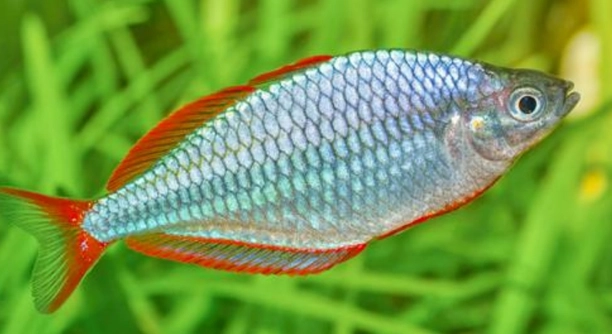
Rainbow fish are vibrant and captivating creatures, often chosen by beginner aquarium enthusiasts. Their lively colors and relatively simple care requirements make them appealing to those new to fishkeeping. This article will explore their suitability for beginners.
Rainbow fish are generally good for beginners due to their hardiness and easy care. They are adaptable to various water conditions and are peaceful species that thrive in community tanks. Regular tank maintenance is necessary to ensure their health.
Understanding these factors will help ensure your rainbow fish thrive and make your aquarium experience enjoyable.
Why Rainbow Fish Are Great for Beginners
Rainbow fish are an excellent choice for beginners because they are easy to care for and tolerate a variety of water conditions. They can adapt to both freshwater and slightly brackish environments. These fish are peaceful and sociable, making them suitable for community tanks. Rainbow fish are also hardy, which means they can withstand minor fluctuations in water quality. Regular water changes and proper feeding will help keep them healthy.
While they thrive in a well-maintained tank, their vibrant colors can be impacted by poor water conditions. It’s essential to monitor water temperature, pH, and ammonia levels to prevent stress.
Rainbow fish are relatively low-maintenance when compared to other species, making them a good option for new fish keepers. They are not particularly demanding in terms of feeding and will accept a variety of commercial fish foods, including flakes and pellets. With a little effort in tank upkeep, they will thrive and add color to any aquarium.
Tank Requirements for Rainbow Fish
Rainbow fish do well in tanks of at least 20 gallons, providing ample space for swimming.
Proper filtration is key for maintaining water quality, and a heater will help maintain a consistent temperature. A gentle water flow is ideal, as it mimics their natural habitat in streams and rivers. Regular cleaning will ensure a healthy environment for your fish.
When setting up the tank, consider adding plants and hiding spots. While rainbow fish enjoy open swimming areas, they also appreciate places to retreat. Avoid overcrowding, as this can lead to stress. A balanced setup ensures both the fish and the tank remain healthy, vibrant, and active.
Feeding Rainbow Fish
Rainbow fish are not picky eaters and will happily accept a variety of foods. They will eat both flake food and pellets, but it’s beneficial to supplement their diet with live or frozen options like brine shrimp or daphnia.
While they enjoy variety, it’s essential not to overfeed them. Offer food in small amounts, ensuring they consume it within a few minutes. Too much food can lead to water quality issues. Regularly clean any uneaten food from the tank to prevent the growth of harmful bacteria.
Feeding them a balanced diet will help them maintain their vibrant colors and energy levels. It’s important to offer a mix of protein-rich and plant-based foods. This ensures they receive the necessary nutrients for optimal health. A proper feeding schedule will contribute to their longevity and overall well-being.
Maintaining Water Quality
Keeping the water clean is one of the most important aspects of caring for rainbow fish. Use a reliable filter to maintain water quality and ensure proper circulation. Regular water changes, around 20-30% weekly, help prevent the build-up of harmful toxins.
Maintaining stable water conditions is crucial. Rainbow fish do best in water temperatures ranging from 72°F to 80°F, with a pH between 6.5 and 7.5. Regularly test the water to ensure these parameters are met. A water conditioner may also be useful to neutralize chlorine and chloramine, which are harmful to fish.
Good water quality not only prevents stress but also encourages rainbow fish to show their most vibrant colors. By staying on top of water maintenance, you can ensure a healthy and thriving aquarium for your fish.
Choosing Tankmates for Rainbow Fish
Rainbow fish are peaceful and get along well with many other species. Avoid aggressive fish that might stress them out. Other calm, non-territorial fish, such as tetras and livebearers, are ideal tankmates.
Ensure that the tankmates have similar water condition needs to avoid stress or health problems. Rainbow fish are sociable and prefer to live in groups of at least six, so consider this when selecting other species.
For a balanced community tank, choose fish that won’t compete for the same food or space. Fish that are too small may get stressed, while larger fish might intimidate them.
Breeding Rainbow Fish
Breeding rainbow fish requires a separate breeding tank to avoid stressing the main community tank. Set the water temperature slightly higher, around 78°F, to encourage spawning. Providing plants or spawning mops helps the fish lay their eggs.
Once eggs are laid, remove the parents, as they may eat their young. The eggs will hatch in a few days, and the fry will require specialized food, such as infusoria or newly hatched brine shrimp, for the first few weeks.
Breeding rainbow fish is a rewarding experience for those willing to maintain optimal conditions. With patience, you can successfully raise healthy fry.
Common Health Issues
Rainbow fish are generally hardy, but they can still face common health issues like ich or fin rot. Preventative care, including proper water quality and a balanced diet, reduces the risk of these problems.
If you notice signs of illness, such as white spots or faded colors, act quickly to isolate the affected fish and treat the issue. Early detection and intervention are key to preventing illness from spreading to other tankmates.
FAQ
How often should I feed my rainbow fish?
Rainbow fish should be fed once or twice a day, offering only as much food as they can consume within a few minutes. Overfeeding can lead to water quality issues. Be sure to remove any uneaten food from the tank after feeding to prevent it from decomposing and affecting water conditions. A varied diet, including flakes, pellets, and occasional live or frozen foods like brine shrimp, will help keep them healthy and colorful.
What is the ideal tank size for rainbow fish?
Rainbow fish need at least a 20-gallon tank to thrive. They are active swimmers and require space to move freely. A larger tank can accommodate a group of them, which helps reduce stress and encourages natural behaviors. A tank of this size provides a good environment for a small community of fish, but remember, the more space they have, the healthier and more vibrant they will be.
Can rainbow fish live with other species?
Yes, rainbow fish are peaceful and social, which makes them great tankmates for many other species. Small tetras, livebearers, and other non-aggressive species are ideal companions. Avoid pairing them with aggressive fish, as this can stress them out. Ensure that all tankmates have similar water temperature and pH needs. A mixed community tank with rainbow fish creates a vibrant, lively environment.
Do rainbow fish need special care?
Rainbow fish are relatively low-maintenance, but they do require some basic care to ensure they remain healthy. Regular water changes, a proper filtration system, and monitoring water parameters like temperature, pH, and ammonia levels are essential. They are hardy and adaptable, but if water conditions fluctuate too much, they may become stressed. A consistent routine and attention to water quality will keep them in top condition.
How can I tell if my rainbow fish are stressed?
Signs of stress in rainbow fish include faded colors, erratic swimming behavior, and lack of appetite. They may also hide or stay near the surface if they’re not comfortable. Stress can be caused by poor water quality, overcrowding, or incompatible tankmates. Regular water tests and proper tank conditions can help prevent these issues. If the behavior continues, it’s a sign that something in the environment needs adjustment.
What water temperature is best for rainbow fish?
Rainbow fish do best in water temperatures between 72°F and 80°F (22°C to 27°C). A consistent temperature is important to avoid stressing them out. A heater is often necessary to maintain the ideal temperature, especially in cooler rooms. It’s also a good idea to use a thermometer to regularly check the water temperature, ensuring it stays within the recommended range.
Can rainbow fish breed in a community tank?
Rainbow fish can breed in a community tank, but it’s not ideal as the other fish may eat the eggs or fry. If you’re looking to breed them, it’s better to set up a separate breeding tank. Make sure the water temperature is slightly higher than usual and provide plants or spawning mops where the fish can lay their eggs. After spawning, remove the parents to prevent them from consuming the eggs.
What should I do if my rainbow fish are not eating?
If your rainbow fish are not eating, first check the water quality. Poor water conditions can cause loss of appetite. Also, make sure you’re offering a variety of foods. Rainbow fish can be picky at times, so try offering live or frozen foods like brine shrimp or daphnia. If the problem persists, check for signs of illness and consider isolating the fish if necessary.
How can I keep my rainbow fish colors vibrant?
To keep rainbow fish vibrant, ensure they have a well-balanced diet and optimal water conditions. Regular water changes and proper filtration are crucial to maintaining water quality. Additionally, providing them with a well-lit tank with plants and swimming space will help highlight their natural colors. Healthy, unstressed fish will display their best hues, so keeping their environment stable and free of stressors is key.
Are rainbow fish good for a planted tank?
Yes, rainbow fish are great for planted tanks. They appreciate the presence of plants, which provide hiding spots and a more natural environment. Plants also help improve water quality by absorbing excess nutrients. Just ensure that the plants are well-established and the fish have enough swimming space. A well-planted tank with rainbow fish can be a stunning and peaceful setup.
How long do rainbow fish live?
Rainbow fish typically live for about 5 to 8 years, depending on the species and care conditions. By maintaining proper water quality, feeding them a balanced diet, and keeping stress levels low, you can help them reach their full lifespan. Regular tank maintenance and monitoring their health can ensure they live a long, happy life.
What is the best way to introduce rainbow fish into a new tank?
When introducing rainbow fish to a new tank, it’s best to acclimate them slowly. Float the bag with the fish in the tank for about 15-20 minutes to allow the temperature to equalize. Afterward, gradually add small amounts of tank water to the bag before releasing them into the tank. This helps prevent shock from sudden changes in water conditions. Make sure the tank is properly set up before introducing any fish.
Can rainbow fish survive in saltwater?
Rainbow fish are freshwater species and should not be kept in saltwater. While some species are found in slightly brackish environments, they thrive best in freshwater conditions. Adding salt to their environment can stress them out and cause health issues. Always maintain a freshwater tank to ensure the health and well-being of your rainbow fish.
Final Thoughts
Rainbow fish are a great option for both beginner and experienced fish keepers. Their peaceful nature and vibrant colors make them an attractive addition to any tank. They adapt well to various water conditions, which makes them easier to care for compared to some other species. With the right tank size, water quality, and tankmates, rainbow fish can thrive and bring life to your aquarium for many years. It’s important to ensure that they have enough space to swim freely and that the tank is properly maintained to keep them healthy.
Choosing compatible tankmates is essential for maintaining a peaceful environment. Rainbow fish are sociable and do well in community tanks, but it’s vital to avoid aggressive or territorial species. By selecting calm, non-aggressive fish, you can create a balanced and harmonious environment. A mixed-species tank with rainbow fish and other peaceful fish species will thrive, as long as their water parameters align. The key to keeping your rainbow fish happy is to ensure they feel secure and stress-free within their environment.
Breeding rainbow fish can be rewarding but requires extra attention to detail. Setting up a separate breeding tank, providing plants for egg laying, and ensuring proper water conditions will increase your chances of successful spawning. While breeding isn’t necessary for everyone, it can be an exciting part of owning rainbow fish. In the end, whether you’re keeping them for their beauty or considering breeding them, rainbow fish are a great addition to any aquarium setup. Their vibrant colors and calm temperament make them a joy to care for.

Hello,
If you enjoy the content that we create, please consider saying a "Thank You!" by leaving a tip.
Every little bit helps us continue crafting quality advice that supports the health, happiness, and well-being of pets around the world, for pets of all shapes, sizes, and species.
We really appreciate the kindness and support that you show us!