
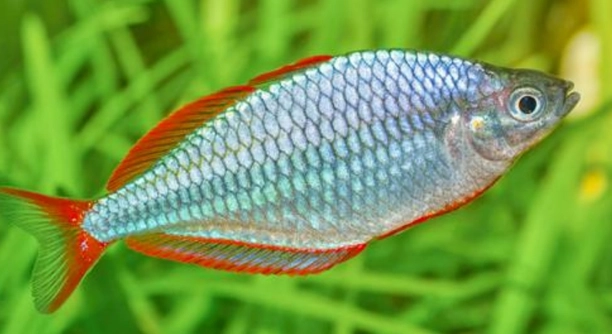
Rainbow fish are beautiful and vibrant creatures, making them a popular choice for home aquariums. Many aquarium enthusiasts want to know whether these fish need a filter to thrive and how it affects their environment.
Yes, rainbow fish do need a filter to maintain water quality. A filter helps remove harmful substances, such as excess food, waste, and toxins, ensuring the tank environment remains healthy and stable for the fish.
A proper filtration system can improve water clarity and help prevent diseases. Understanding the importance of a filter will help you provide a better environment for your rainbow fish.
Why Rainbow Fish Need a Filter
A filter plays a crucial role in keeping the water in your aquarium clean and safe for your rainbow fish. Without proper filtration, harmful substances like fish waste, excess food, and chemicals build up quickly. This can lead to poor water quality, which stresses the fish and could lead to health problems. Rainbow fish, being active swimmers, require clean water to thrive. A filter helps remove these contaminants, maintaining a stable environment for the fish. Additionally, water circulation from a filter mimics the natural flow they’d experience in the wild, promoting their well-being.
In tanks without a filter, the water quality can decline fast. Dirty water may lead to problems like algae growth, which can harm the fish and reduce oxygen levels.
When choosing a filter, it’s important to consider the size of your tank and the number of fish you have. A filter that is too small won’t be effective, while one that’s too strong might stress out your rainbow fish. Ensure that the filter has the capacity to handle the tank’s size. For rainbow fish, a gentle to moderate water flow is ideal, as strong currents may stress them out. Keep in mind that regular maintenance, like cleaning the filter and changing the water, is essential to maintain good water quality and a healthy tank.
How Filtration Improves Fish Health
Water quality is one of the most important factors for fish health.
Clean water keeps your rainbow fish from getting stressed, which lowers their risk of diseases. Poor water quality can cause them to develop issues like fin rot, skin lesions, and fungal infections. Without a filter, waste accumulates in the tank, and fish are exposed to harmful bacteria. Using a filter helps remove these harmful elements, keeping the tank safe for the fish to swim in.
Regular water changes and proper filtration not only prevent the buildup of toxins but also help maintain proper oxygen levels, which are crucial for the fish’s health. As rainbow fish are active swimmers, they need oxygen-rich water to stay energetic and healthy. A filter also helps balance the tank’s ecosystem, supporting beneficial bacteria that break down waste naturally. This balance makes the environment more stable and less stressful for the fish. Over time, your rainbow fish will thrive in a clean, well-maintained tank that has the right filtration system in place.
Types of Filters for Rainbow Fish
There are several types of filters available for rainbow fish tanks. The most common are hang-on-back (HOB), sponge, and canister filters. Each type has its own benefits depending on the size of your tank and the needs of your fish.
HOB filters are popular because they are easy to install and maintain. They provide both mechanical and biological filtration, ensuring clean water and promoting the growth of beneficial bacteria. However, they can sometimes create too much water movement, which may stress out delicate fish. If you have a smaller tank, sponge filters are a great option. They provide gentle filtration while also adding aeration. Canister filters are ideal for larger tanks, as they offer powerful filtration and can handle more waste. These filters are highly effective at maintaining a clean environment, but they require more maintenance and space.
No matter the type of filter you choose, it’s important to match it to the size of your tank and the needs of your rainbow fish.
Maintenance Tips for Your Filter
Keeping your filter in good condition is key to maintaining a healthy tank.
Regularly cleaning the filter helps prevent clogging and ensures it functions efficiently. Over time, filters can accumulate debris, such as fish waste or uneaten food, which can block the flow of water. To clean your filter, rinse the filter media in a bucket of tank water to avoid killing beneficial bacteria. Be sure to follow the manufacturer’s instructions for how often the filter needs maintenance. For sponge filters, rinse them every 1-2 weeks, while HOB and canister filters may need cleaning every 4-6 weeks, depending on the tank’s size.
Proper filter maintenance ensures your tank stays clean and your rainbow fish remain healthy. Don’t forget to monitor the water quality regularly to make sure your filtration system is doing its job.
Signs of Poor Water Quality
When the water quality is poor, your rainbow fish may show signs of distress.
Cloudy water, bad odors, and algae growth are all signs that the tank’s water quality has deteriorated. Fish may start acting strangely, such as swimming erratically, staying near the surface, or hiding more than usual. These signs indicate that harmful toxins are building up in the tank.
You may also notice that fish have clamped fins, which can be a sign of stress. In such cases, it’s important to check the water parameters and take action to restore the water quality quickly.
How to Test Water Quality
Testing your aquarium water regularly ensures a healthy environment for your fish.
Using a reliable water testing kit, you can measure key water parameters such as ammonia, nitrites, nitrates, pH, and hardness. High levels of ammonia or nitrites indicate that the tank is not properly filtered or cycled. Nitrates should be kept below 20 ppm for optimal fish health. Keep an eye on the pH level as well; rainbow fish prefer slightly acidic to neutral water. Regularly checking these parameters will allow you to make adjustments if needed.
Common Filter Problems
If your filter stops working properly, the tank’s water quality can quickly suffer.
The most common issues include clogged filter media, a broken motor, or reduced water flow. It’s important to regularly check that your filter is running smoothly. If you notice decreased water flow or strange sounds coming from the filter, it may need cleaning or repair. Keeping a spare filter motor or replacement parts on hand can prevent long periods of downtime in case something breaks.
FAQ
Do rainbow fish need a filter if I have live plants in my tank?
Yes, even with live plants, rainbow fish still need a filter. While plants help absorb some of the waste in the tank, they can’t keep the water clean on their own. A filter helps remove excess waste, uneaten food, and other toxins that could harm the fish. It also keeps the water circulating, which benefits both the fish and plants. Plants rely on good water flow for nutrients, so a filter is essential for maintaining a balanced ecosystem in your aquarium.
Can I use a filter that is too strong for my rainbow fish?
Yes, using a filter that is too strong can stress out rainbow fish. These fish prefer moderate water flow, as too much current can make them feel uneasy or tired. If you have a strong filter, try using a diffuser or adjusting the flow rate to create a gentler current. You can also place decorations or plants near the filter intake to break up the water flow and create calm areas in the tank. A gentle water flow will keep your rainbow fish more relaxed and healthier in the long run.
How often should I clean my filter?
It depends on the type of filter and the size of your tank. For sponge filters, you should clean them every 1-2 weeks. HOB (hang-on-back) filters typically need cleaning every 4-6 weeks, while canister filters can go longer, around every 6-8 weeks. Cleaning your filter too frequently can remove beneficial bacteria, so it’s important to clean only when necessary. Rinse filter media with tank water to preserve the good bacteria, and avoid using tap water, as it can contain chlorine that harms beneficial microorganisms.
What type of filter is best for a 20-gallon rainbow fish tank?
For a 20-gallon tank, a hang-on-back (HOB) filter or a sponge filter should work well. The HOB filter provides efficient mechanical and biological filtration and is easy to maintain. However, make sure it doesn’t create too strong of a water current for your rainbow fish. A sponge filter is a good option if you want a gentler flow, but it may not offer as much filtration power as an HOB filter. Canister filters are more suitable for larger tanks, so they’re unnecessary for a 20-gallon tank.
Can I add more rainbow fish without changing my filter?
If you add more rainbow fish, it’s important to assess whether your filter can handle the increased bio-load. More fish means more waste, and your filter needs to be capable of processing this extra waste. You may need to upgrade your filter to one that has a higher flow rate or more filtration capacity. Additionally, be sure to monitor your water quality closely and make adjustments as needed, such as increasing water changes or adding extra filtration. Keeping a balance between the number of fish and the filter capacity is essential for maintaining a healthy tank.
How do I know if my filter is working properly?
If your filter is working correctly, you should notice clear water, consistent water movement, and no unusual noises. Regularly check the flow rate; if water is flowing slowly, it could mean the filter is clogged and needs cleaning. If the water appears cloudy or if your fish are acting stressed, it’s time to check the filter’s performance. Additionally, ensure the filter’s motor is running quietly. If you notice any strange sounds or vibrations, there may be a mechanical issue. Regular maintenance and checking the filter will keep it running efficiently.
What can happen if I don’t use a filter in my rainbow fish tank?
Without a filter, waste and excess food will build up quickly, causing harmful toxins like ammonia to increase in the water. This leads to poor water quality, which can stress out your rainbow fish and cause diseases. Fish may show signs of distress, such as irregular swimming, lethargy, or fin clamping. In the long run, it can also lead to algae growth, making the tank harder to clean and maintain. A filter helps keep the water clean and stable, creating a healthier environment for your fish.
Is it possible to over-filter my rainbow fish tank?
Over-filtering a tank is rare, but it can happen if the filter is too strong for the fish or if there’s too much water movement. Rainbow fish prefer moderate water flow, so using a filter with excessive power may make them feel stressed. Over-filtration can also result in excessive oxygenation, which may disturb plants or create too much current. If you’re worried about over-filtering, look for a filter with adjustable flow settings or use a diffuser to soften the water movement. Keep the water flow consistent with your fish’s needs for the best results.
Do I need a filter for a quarantine tank?
Yes, even for a quarantine tank, it’s important to use a filter. A filter will help keep the water clean, especially since quarantine tanks often have fewer plants or decorations to absorb waste. Since quarantine tanks are used to isolate sick fish, having good filtration is key to preventing the spread of harmful bacteria or parasites. However, for a small quarantine tank, you can use a sponge filter to provide gentle filtration without stressing the fish. Always monitor water quality closely in quarantine tanks to ensure the health of the fish.
Can I use a filter with a UV sterilizer?
Yes, combining a filter with a UV sterilizer can be beneficial. A UV sterilizer helps kill harmful microorganisms like algae, bacteria, and parasites by exposing them to ultraviolet light as the water passes through. This can help prevent infections and improve water clarity. The filter will still handle mechanical and biological filtration, while the UV sterilizer adds an extra layer of protection against pathogens. Just make sure the filter and UV sterilizer are compatible and suited for your tank size. This combination can be especially helpful in keeping the water clean and healthy for your rainbow fish.
Final Thoughts
Incorporating a filter into your rainbow fish tank is essential for maintaining a healthy environment. These vibrant fish need clean, stable water to thrive, and a filter plays a vital role in ensuring that. Whether you’re using a hang-on-back, sponge, or canister filter, the goal is the same: keep the water clean, reduce waste buildup, and support the natural balance of your tank. While live plants can assist with some of the filtration process, they are not enough on their own. A filter helps provide the water flow that is necessary for both fish and plants to remain healthy.
A filter also plays a crucial part in keeping your rainbow fish stress-free. When water quality is poor, fish can become stressed, which makes them more susceptible to diseases. By maintaining good filtration, you’re helping to prevent water issues that could affect your fish’s health. Regularly checking the water quality and making sure the filter is functioning correctly can go a long way in avoiding potential problems. If you notice any signs of stress in your fish, such as erratic swimming or hiding, it could be a sign that the water is not being filtered properly. In such cases, immediate action is necessary to restore water conditions.
Finally, don’t forget about regular maintenance of your filter. While it may seem like a small task, cleaning the filter ensures that it continues to work properly and keep your tank environment safe. Over time, filters can accumulate debris, and without proper maintenance, they may become clogged and inefficient. Always clean the filter according to its manufacturer’s guidelines to avoid damaging it. If you notice a decline in water quality or changes in fish behavior, check the filter to ensure it’s working as it should. By staying on top of your aquarium’s filtration, your rainbow fish will have the best chance at living a long, healthy life.

Hello,
If you enjoy the content that we create, please consider saying a "Thank You!" by leaving a tip.
Every little bit helps us continue crafting quality advice that supports the health, happiness, and well-being of pets around the world, for pets of all shapes, sizes, and species.
We really appreciate the kindness and support that you show us!