
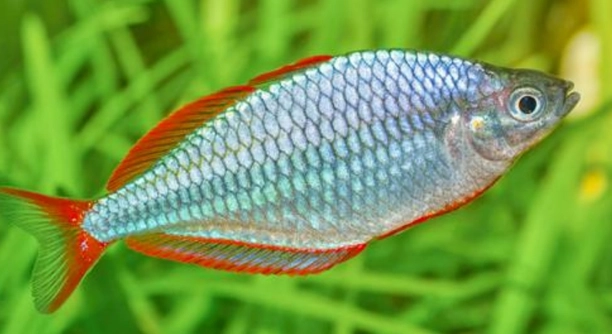
Rainbow fish are beautiful creatures found in many aquariums. They are known for their vibrant colors and unique personalities, which often make people wonder about their emotional lives. Understanding their behavior can shed light on how they feel.
Rainbow fish do experience emotions, although they may not express them the same way humans do. Their emotional responses are likely based on their environment, interactions with other fish, and survival instincts, although their emotional range may differ from that of mammals.
Their behavior, such as swimming patterns and social interactions, may give us clues about how they feel. Understanding these emotions can help aquarium owners provide better care for these fascinating fish.
The Social Behavior of Rainbow Fish
Rainbow fish are social creatures that live in groups, especially in the wild. They interact with each other in ways that suggest they have emotional responses. When one fish swims in a different direction from the group, it can cause the others to follow, showing how they react to changes in their environment. They also form hierarchies in the group, where more dominant fish assert control. These interactions suggest they experience basic emotions like stress, excitement, and calmness, similar to many other animals.
Fish also use body language to communicate, which includes color changes, fin movements, and specific swimming patterns. This helps them express their emotions to other fish. These behaviors are often triggered by factors such as territorial disputes, mating rituals, or the presence of threats. In their social structure, they seem to feel a sense of belonging within the group, highlighting their emotional responses to social interactions.
Despite these behaviors, their emotional depth may not be as complex as that of mammals. They don’t seem to experience the same range of emotions but can still express basic feelings like aggression, excitement, or fear. For aquarium owners, recognizing these patterns is important to avoid stress in their fish. Understanding their social needs helps provide a better environment for rainbow fish, ensuring they thrive in captivity.
Do Rainbow Fish Show Affection?
While rainbow fish do not show affection in the same way mammals do, they do engage in behaviors that indicate social bonds. These interactions help maintain the group’s structure.
Rainbow fish do not form strong bonds with individual fish, but they do rely on their group for protection and stability. In the wild, these fish school together to avoid predators and share resources. In an aquarium setting, they may display similar behaviors. Although they do not express affection through touch or closeness, their actions suggest a level of connection with their group. These connections are more about survival than emotional attachment, but they still rely on one another for a sense of security.
When housed alone, rainbow fish can become stressed or exhibit signs of loneliness. They feel more secure when in a group, where they can swim, hide, and interact as they would in their natural environment. For pet owners, it’s important to keep them in schools of at least five or more to ensure they feel comfortable and secure. These social needs are a crucial part of their emotional well-being.
Stress and Its Impact on Rainbow Fish
Stress in rainbow fish is a common issue that can be triggered by changes in their environment or interactions with other fish. When stressed, they might display erratic swimming patterns or lose their usual vibrant colors.
Stressful situations such as overcrowding, poor water conditions, or aggressive tank mates can lead to significant changes in behavior. For example, fish may become more skittish, hiding more often or swimming aimlessly. These behaviors are signs that the fish are feeling anxious. It is essential to monitor these conditions and address any sources of stress to keep rainbow fish healthy and calm.
One of the biggest factors contributing to stress is water quality. If the water is too warm or too cold, or if there are fluctuations in pH levels, rainbow fish will show signs of discomfort. Ensuring that the aquarium is properly maintained is one of the best ways to reduce stress. Providing adequate space and hiding spots can also help the fish feel secure and reduce the likelihood of aggressive behavior from tank mates.
Rainbow Fish and Their Mating Rituals
Mating behavior in rainbow fish can provide insight into their emotional lives. During mating, males display vivid color changes to attract females, showcasing a clear emotional response to the need for reproduction.
Male rainbow fish become more colorful when they are courting females. This is a direct sign of emotional display, as they use their vibrant colors to communicate their fitness as a mate. These color shifts are essential in signaling to females that they are healthy and ready to mate. Additionally, the males will perform specific behaviors, such as chasing or swimming in certain patterns, to catch the female’s attention.
The females, on the other hand, may not change their colors as dramatically, but they do show interest by staying near the males who are displaying these vibrant colors. This form of communication indicates that rainbow fish have a basic but effective system for attracting mates. Understanding these behaviors is important for aquarium owners who might wish to breed them. It’s crucial to provide a suitable environment with the right conditions for mating to take place.
How Rainbow Fish React to Threats
Rainbow fish respond to threats by altering their behavior, often swimming frantically or hiding in safe spots. These reactions help them avoid predators and maintain safety in their environment. Their emotional response to fear is primarily linked to their instinct for survival.
In an aquarium setting, rainbow fish might become more nervous or skittish when they sense a perceived danger. This could be caused by a sudden change in lighting, the presence of larger fish, or even loud noises. They rely on their heightened senses to detect danger, and they will react by seeking shelter or swimming erratically to escape. Providing plenty of hiding places and ensuring the tank is calm can help reduce these stress responses.
Rainbow fish’s behavior when threatened is mostly survival-driven and doesn’t seem to reflect deeper emotional complexity. However, their reaction is clear—they feel fear and respond accordingly, using physical movements to express this feeling. Ensuring their environment remains stable and stress-free will help limit these anxious moments.
Dominance and Territoriality in Rainbow Fish
Rainbow fish display territorial behaviors, especially when they are in smaller, confined spaces. Males, in particular, may become more aggressive as they try to claim an area or compete for a mate.
This territoriality often leads to competition, with males fighting to maintain their space. They might chase other fish, displaying heightened colors to intimidate their rivals. These displays help assert dominance over a specific area in the tank, showing a clear emotional response to competition and the need for control. As with many species, this behavior is often linked to reproductive success, where control of space is vital for attracting mates.
Territoriality can cause stress for other fish in the tank. It is essential to provide enough space and hiding spots so that less dominant fish can feel secure. Maintaining a proper tank environment and keeping the right number of fish will minimize aggressive interactions.
The Emotional Lives of Rainbow Fish
While rainbow fish are not as emotionally complex as mammals, their behaviors suggest they experience basic emotional responses. They react to stress, fear, and social interactions, demonstrating a form of emotional awareness.
Though not capable of experiencing the same emotional range as humans or even some mammals, rainbow fish still experience basic emotions that impact their behavior. Stress, fear, and excitement all play a role in how they interact with their environment. Their ability to express emotions through body language, like changes in color and swimming patterns, offers insight into their emotional states.
Recognizing these emotional cues in rainbow fish can help owners care for them better. Understanding how they react to changes in their environment and interactions with others will ensure they stay healthy and comfortable.
FAQ
Do rainbow fish experience happiness?
Rainbow fish likely don’t experience happiness the same way humans or more emotionally complex animals do. However, they do show signs of comfort and well-being when they are in a stable environment. When the water quality is good, they are housed with compatible tank mates, and they have plenty of space, they seem more relaxed and engage in their usual behaviors, such as swimming in groups and displaying their vibrant colors. These behaviors suggest a form of contentment, though it’s more related to survival and security than emotions like happiness.
Can rainbow fish recognize their owners?
Rainbow fish may not recognize their owners in the same way pets like dogs or cats do. However, they can associate their owners with feeding time. Over time, they might begin to associate the presence of a human with food or other positive experiences. They may swim to the surface or approach the side of the tank when they see you, which could be a learned behavior rather than true recognition. Still, they can form habits and respond to regular routines in their environment.
What causes rainbow fish to change colors?
Rainbow fish change colors primarily to communicate and react to different situations. During mating season, males may display brighter, more intense colors to attract females. When threatened, they may also darken or show different color patterns as part of a defense mechanism. Stress, environmental changes, and interactions with other fish can also trigger color changes. These shifts serve as a form of communication with other fish, signaling aggression, attraction, or alarm.
Do rainbow fish get lonely?
Rainbow fish are social creatures and generally feel more comfortable in groups. Being kept alone for extended periods can lead to stress and behavioral issues, as they rely on the company of other fish for security and interaction. In the wild, they swim in schools, which helps protect them from predators and provides social structure. In an aquarium, keeping them in groups of at least five or more can help prevent loneliness and stress. If kept alone, they may become withdrawn or act more aggressively.
How can I tell if my rainbow fish is stressed?
Stressed rainbow fish may show changes in behavior, including erratic swimming, hiding more than usual, or staying near the surface of the water. They may also display faded or dull colors, as stress can cause their vibrant hues to dim. Another sign of stress is if they are constantly swimming in circles or seem disoriented. Stress can be caused by poor water quality, overcrowding, aggressive tank mates, or drastic changes in the environment. If you notice these signs, it’s important to check water conditions and ensure their environment is calm.
How do I reduce stress in my rainbow fish?
To reduce stress in rainbow fish, start by ensuring that their tank environment is stable. Maintain proper water parameters, including temperature, pH, and hardness. Provide plenty of hiding spots, plants, and rocks to make them feel secure. Avoid overcrowding the tank and ensure they have enough space to swim comfortably. If there are aggressive fish in the tank, consider moving them to a separate tank to prevent conflict. Regular water changes and a consistent feeding schedule also help minimize stress.
Do rainbow fish have a specific lifespan?
Rainbow fish typically live between 5 to 8 years when kept in optimal conditions. Their lifespan can vary depending on factors such as water quality, tank environment, and diet. Ensuring that their tank is properly maintained, with clean water and appropriate tank mates, can help them live a longer and healthier life. Keeping them in a stable environment with minimal stress is key to maximizing their lifespan.
Are rainbow fish easy to care for?
Rainbow fish are relatively easy to care for as long as their basic needs are met. They require clean, warm water, and a well-maintained tank. They are not particularly demanding in terms of food, as they will accept a variety of commercial fish foods, including pellets, flakes, and live or frozen options. However, it is important to keep them in groups, as they are social and thrive in schools. Their tank should also be stocked with peaceful fish to prevent aggression. Regular water changes and monitoring water quality are crucial for their well-being.
Can rainbow fish live with other species?
Rainbow fish generally get along well with other peaceful species. They are not aggressive, but they may show territorial behavior, especially during mating. They are best housed with other small, non-aggressive fish, such as tetras, rasboras, or other species that won’t compete for space or resources. Avoid keeping them with overly aggressive fish or much larger species that could intimidate or harm them. As long as tank mates are compatible, rainbow fish can coexist peacefully with other species.
How do rainbow fish communicate with each other?
Rainbow fish communicate with each other through visual signals, especially through changes in their colors and body language. Male rainbow fish will display brighter colors during mating season to attract females, while they may also use color changes to establish dominance or communicate aggression. Their body movements, such as chasing or swimming patterns, also serve as a way to communicate with each other. These forms of communication help them maintain social order and respond to environmental changes.
Final Thoughts
Rainbow fish are fascinating creatures with unique behaviors that can give us a glimpse into their emotional lives. While they may not experience emotions in the same way humans or more complex animals do, their reactions to social interactions, threats, and environmental changes suggest they have basic emotional responses. They display fear, excitement, and calmness, often communicating these feelings through changes in color, body language, and behavior. Understanding these emotional cues is important for aquarium owners, as it can help create a more comfortable and healthy environment for these fish.
Despite their relatively simple emotional range, rainbow fish are social animals that benefit from being kept in groups. They feel safer and more secure when surrounded by other fish, and their interactions within a school contribute to their well-being. While they may not form the same strong bonds as mammals, their sense of community is clear. Providing them with plenty of space, hiding spots, and compatible tank mates can reduce stress and ensure they are happy and healthy in an aquarium setting. If kept alone or in a stressful environment, they may become anxious or aggressive, which can negatively affect their health and behavior.
In conclusion, while rainbow fish may not have deep emotional complexities, they do experience basic emotions tied to their survival and well-being. Their social behaviors, reactions to stress, and mating rituals provide important clues about how they feel and what they need to thrive. By paying attention to their needs and understanding their emotional responses, owners can ensure their rainbow fish live happy, healthy lives in their tanks. It’s clear that these colorful fish, while simple in their emotional experiences, still benefit from a caring and well-maintained environment that caters to their social and emotional needs.

Hello,
If you enjoy the content that we create, please consider saying a "Thank You!" by leaving a tip.
Every little bit helps us continue crafting quality advice that supports the health, happiness, and well-being of pets around the world, for pets of all shapes, sizes, and species.
We really appreciate the kindness and support that you show us!