
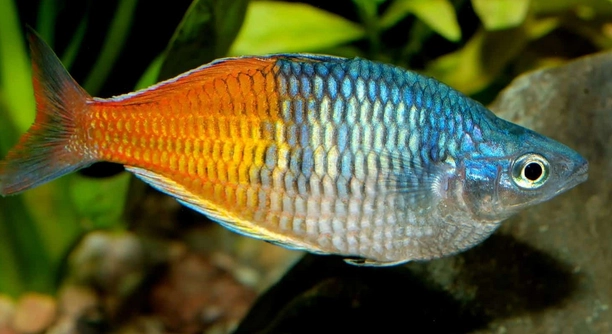
Introducing new rainbow fish to your aquarium can be exciting, but it is important to ensure a smooth transition. Proper care and a few simple steps can make this process easier for both you and your new fish.
To introduce new rainbow fish, follow these seven simple steps: quarantine your new fish, acclimate them to your aquarium, monitor water conditions, maintain a calm environment, introduce compatible tank mates, provide adequate food, and observe for any signs of stress.
By following these easy steps, you can ensure your rainbow fish adjust well to their new environment and thrive.
Quarantine Your New Rainbow Fish
Before introducing new rainbow fish to your tank, it’s essential to quarantine them for at least two weeks. This will help prevent potential diseases from spreading to your established fish. A separate quarantine tank allows you to monitor their health closely and observe any signs of illness without compromising the rest of the tank. It also gives them time to adjust to their new environment before the final introduction.
If the fish appear healthy after the quarantine period, it’s time to move them to the main tank. This precaution reduces the risk of infection and ensures your new fish can thrive without stress.
Quarantining is an important step to protect your existing fish. It ensures that the new arrivals are free of diseases that could spread to your other aquatic life. During quarantine, ensure water quality is maintained, and observe for any signs of illness, such as faded colors or irregular behavior.
Acclimate Your New Fish Slowly
Acclimation is key to introducing your rainbow fish. Slowly adjust the water temperature and pH in the quarantine tank to match the main aquarium.
This slow process ensures that the fish don’t experience shock or stress when entering their permanent home. Start by adding small amounts of tank water into the quarantine tank over a few hours. Doing so allows the fish to adapt gradually.
Once they seem comfortable with the new water, you can transfer them to the main tank. Avoid rushing the process as rapid changes in temperature or water chemistry can be harmful. Keep the lighting soft during this transition to reduce any added stress.
Monitor Water Conditions
Rainbow fish thrive in stable water conditions. Regularly check the water temperature, pH, and ammonia levels. Ideal water temperature is between 74°F and 80°F, with a pH of 6.5 to 7.5.
Invest in a reliable water testing kit to measure ammonia, nitrites, and nitrates. Keep levels as close to zero as possible for ammonia and nitrites, while nitrates should remain below 20 ppm. Poor water quality can stress your fish and lead to health problems.
Regular water changes are essential to maintain optimal conditions. Aim for 25% weekly water changes. This keeps the water fresh and helps prevent the buildup of harmful toxins. Keep the filtration system running smoothly to support clean water.
Maintain a Calm Environment
Rainbow fish are peaceful but sensitive to stress. Loud noises, rapid movements, or aggressive tank mates can disturb them. Ensure the tank is in a quiet area with minimal disruptions.
Place the tank away from loud appliances or high-traffic areas in your home. If you have other pets, like cats or dogs, ensure they can’t access the aquarium. Fish can become easily stressed from external disturbances, which can lead to health issues.
Creating a calm environment helps your fish feel secure and promotes natural behavior. Avoid tapping on the glass or making sudden movements that might frighten them. A stable and peaceful environment is essential for their well-being.
Introduce Compatible Tank Mates
When adding new rainbow fish, it’s important to choose compatible tank mates. They get along well with peaceful species like tetras, gouramis, and other non-aggressive fish.
Avoid placing them with aggressive fish that may bully or stress them out. Rainbow fish are social and prefer the company of other peaceful species.
Always observe interactions closely after introducing them. If any fish show signs of aggression, such as chasing or nipping, consider relocating them. Healthy, peaceful relationships in the tank will help your rainbow fish feel more secure.
Provide Adequate Food
Rainbow fish are not picky eaters, but they require a balanced diet. Offer them a mix of high-quality flake, pellet, and live or frozen food like brine shrimp and daphnia.
Feed them two to three times a day in small amounts. Overfeeding can pollute the water, leading to health issues. Keep a consistent feeding schedule to maintain their health.
Rainbow fish enjoy variety, so rotate between different food types to meet their nutritional needs. A varied diet helps boost their immune system and colors.
FAQ
How do I know if my rainbow fish are stressed?
Signs of stress in rainbow fish can include faded colors, erratic swimming, or hiding more than usual. Stress can also cause loss of appetite or scratching against tank decorations. If you notice these signs, check the water conditions immediately, as poor water quality is a common stress factor.
Can rainbow fish live with other species?
Yes, rainbow fish are generally peaceful and can live with a variety of other non-aggressive species. They do well in community tanks with species like tetras, guppies, and other peaceful fish. However, avoid keeping them with aggressive fish that may harass them or compete for food.
What is the best tank size for rainbow fish?
A tank size of at least 30 gallons is ideal for a small group of rainbow fish. These fish appreciate swimming space and should have room to explore. A larger tank also allows for stable water conditions, reducing the risk of stress. Larger tanks are especially important if you plan to keep multiple species.
How often should I change the water in my tank?
You should perform water changes at least once a week, replacing 25% of the water each time. Regular water changes help maintain clean water, reduce toxins, and keep your fish healthy. Make sure to test the water for ammonia, nitrites, and nitrates before and after each water change.
What temperature is best for rainbow fish?
Rainbow fish prefer water temperatures between 74°F and 80°F. It’s important to keep the temperature within this range to prevent stress. Using an aquarium heater and a reliable thermometer will help maintain a consistent temperature. Sudden fluctuations can cause stress or health issues.
Do rainbow fish need a filter?
Yes, rainbow fish require a filter to maintain clean water. A good filtration system ensures that the water remains free of toxins, such as ammonia and nitrites, which can harm your fish. Choose a filter appropriate for the tank size, and clean it regularly to ensure proper function.
Can I keep rainbow fish with shrimp or snails?
Yes, rainbow fish are usually compatible with shrimp and snails. They are not known to eat or harass these creatures, but it’s important to monitor interactions, especially if you have smaller shrimp species. Ensure the tank provides enough hiding spots for shrimp to feel safe.
What should I feed rainbow fish?
Rainbow fish eat a variety of foods, including high-quality flakes, pellets, and live or frozen foods like brine shrimp and daphnia. A balanced diet will help them maintain their vibrant colors and good health. Feed them small portions two to three times per day to avoid overfeeding.
How can I tell if my rainbow fish are healthy?
Healthy rainbow fish have bright, vibrant colors, swim actively, and show no signs of illness. They should eat regularly, move smoothly through the water, and not display abnormal behaviors like excessive scratching or swimming in circles. Regular water testing and feeding a balanced diet are key to keeping them healthy.
Can rainbow fish breed in an aquarium?
Rainbow fish can breed in an aquarium under the right conditions. To encourage breeding, provide them with a well-maintained tank with stable water parameters. You can add floating plants or a breeding mop for the females to lay eggs. However, be prepared for some eggs to be eaten by other fish.
Final Thoughts
Introducing new rainbow fish into your aquarium can be a rewarding experience when done with care. By following simple steps like quarantining your new fish, monitoring water conditions, and ensuring a calm environment, you can help them settle in smoothly. Ensuring the right tank mates and maintaining the water’s cleanliness and temperature are key factors in helping your fish thrive. A little attention to detail goes a long way in creating a healthy and peaceful aquarium.
It’s important to remember that rainbow fish, while relatively easy to care for, are sensitive to stress. Keeping their environment peaceful, with proper food and water quality, helps reduce stress and supports their health. These fish are social and appreciate company, so maintaining a community of peaceful tank mates ensures they feel secure. Regular water changes and consistent monitoring of tank parameters help keep your rainbow fish in good condition.
Ultimately, the success of your new rainbow fish depends on the effort you put into maintaining their environment. With the right steps, you can enjoy vibrant, healthy fish that add life to your aquarium. Patience and attention to their needs are the keys to a thriving tank. By keeping their environment stable and feeding them properly, you can enjoy your rainbow fish for many years to come.

Hello,
If you enjoy the content that we create, please consider saying a "Thank You!" by leaving a tip.
Every little bit helps us continue crafting quality advice that supports the health, happiness, and well-being of pets around the world, for pets of all shapes, sizes, and species.
We really appreciate the kindness and support that you show us!