
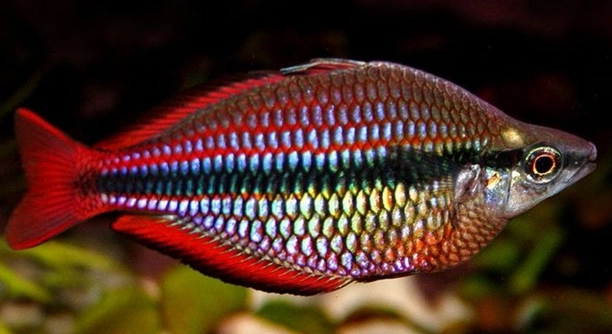
Rainbow fish are known for their vibrant colors and playful movements, but understanding their social behavior is key to providing the best care. Do they enjoy the company of others, or do they prefer to swim alone?
Rainbow fish are social creatures and generally thrive in the presence of other fish. They are more active, healthier, and less stressed when kept in groups. Their social nature encourages schooling behavior, making them more comfortable and confident.
A deeper look into their social tendencies reveals important information that can enhance the well-being of your rainbow fish.
The Importance of Socializing Rainbow Fish
Rainbow fish are not solitary animals by nature. They often live in groups in the wild, and their behavior in captivity mirrors this. Keeping them in groups helps mimic their natural environment, where they interact and communicate with one another. This socialization is important for their mental and physical well-being.
When housed alone, rainbow fish can become stressed, leading to a decline in health. They may display signs of anxiety, such as hiding or reduced activity. In a group, they feel more secure and are more likely to thrive. Additionally, social interaction helps them display their vibrant colors and active behavior. It is recommended to keep at least five to six rainbow fish together to provide them with the companionship they need to stay healthy and happy.
Rainbow fish will exhibit more confident, playful behavior in a school, improving their overall quality of life. Their social nature plays a key role in their development and happiness, as they interact and swim together.
Maintaining a Balanced Environment
A well-maintained environment is key to promoting social behavior among rainbow fish. Regular water changes, proper filtration, and appropriate tank size help create a stable space where they feel safe.
Rainbow fish are highly sensitive to changes in water quality. Poor water conditions can lead to stress, which impacts their social interactions and health. To maintain a healthy tank environment, it’s essential to keep water clean and free from harmful toxins. The tank should be at least 30 gallons to comfortably house several rainbow fish. Providing ample hiding spots and plants will help reduce territorial disputes, allowing fish to interact without feeling threatened. A balanced environment reduces stress and encourages natural behaviors, including schooling and socializing.
The more consistent and stable the water conditions, the more likely your rainbow fish will thrive. Ensuring proper maintenance and a peaceful tank setup will enhance their well-being and encourage them to engage socially with their companions.
Signs of Stress in Rainbow Fish
Stress in rainbow fish often manifests in behaviors such as hiding, lethargy, or erratic swimming patterns. When under stress, their colors may also dull, which is a clear sign that something is wrong.
Poor water conditions, incompatible tank mates, or lack of social interaction can all contribute to stress. A stressed fish may stop eating or become more aggressive towards others. It’s crucial to identify these signs early on to prevent health issues. Keeping the fish in a group and maintaining a stable environment will greatly reduce stress levels.
Maintaining the right balance of social interaction and a proper tank environment helps keep stress at bay. When their needs are met, rainbow fish display vibrant colors and active behavior. It’s important to closely monitor their habits and ensure their social needs are being fulfilled.
Feeding and Social Behavior
Rainbow fish, like most species, are influenced by feeding habits. A healthy diet can improve their overall well-being and encourage social behavior. In a group, feeding time is often a shared event, with fish engaging with each other to secure food.
Feeding rainbow fish in a group setting can help them bond. They often interact while feeding, showing their natural social behavior. It’s important to feed them a balanced diet of high-quality flakes, pellets, and live foods to keep them healthy. Offering variety will also keep them engaged and active.
In addition to promoting social behavior, a proper diet strengthens their immune system and helps them develop their vibrant colors. When rainbow fish are well-fed, they are less likely to experience stress, as they are not competing for food. Ensuring that all members of the group are well-nourished is essential for maintaining a harmonious and active tank environment.
Tank Mates for Rainbow Fish
When selecting tank mates for rainbow fish, it’s important to choose peaceful species. Aggressive fish can stress rainbow fish and disrupt their social behavior.
Avoid keeping rainbow fish with overly territorial or large species, as they may intimidate or harm the smaller fish. Ideal companions include other peaceful species such as tetras, livebearers, and other non-aggressive fish. These species will not compete for food or space, which helps maintain a stress-free environment.
Rainbow fish thrive in tanks with calm, compatible companions. The presence of peaceful tank mates promotes natural behavior and encourages interaction among the fish. By ensuring that all species are well-matched, you create a balanced, harmonious environment for your rainbow fish.
Socializing in Groups
Rainbow fish are happiest when kept in schools of at least five to six fish. A group of their own kind allows them to feel secure and reduces stress.
In a group, rainbow fish are more confident and active. They swim together, engage in playful behavior, and interact with one another. A school provides them with the opportunity to express their natural instincts and behaviors. Keeping them in a group also helps them maintain vibrant colors and healthy activity levels.
Socializing with others of their species allows rainbow fish to lead more fulfilled and less stressed lives. Ensuring that they have enough companions is essential for their overall well-being.
Tank Size Considerations
Rainbow fish need ample space to swim and interact. A tank that is too small will lead to overcrowding and stress.
To house a group of rainbow fish, a tank of at least 30 gallons is recommended. This gives them enough space to swim freely and interact with one another. Adequate space reduces territorial behavior and allows for the natural formation of schools. Ensuring the tank is large enough will help keep your rainbow fish happy and healthy.
FAQ
Do rainbow fish prefer being in groups or alone?
Rainbow fish are social animals and thrive in groups. Keeping them in a school of at least five to six individuals allows them to feel more secure and reduces stress. They naturally form schools in the wild, and having companions helps them display healthier, more active behaviors. A group environment promotes vibrant colors, interaction, and overall better health. Keeping them alone can lead to signs of anxiety, including reduced activity, hiding, and dulling of colors. It is essential to provide them with the company of their own kind for optimal well-being.
Can rainbow fish live with other species?
Rainbow fish can live with many other peaceful species. They are not aggressive and tend to get along well with non-territorial fish. Ideal tank mates include species like tetras, danios, and livebearers. However, aggressive or territorial species may cause stress and disrupt the social dynamics of the tank. It’s crucial to choose companions that do not compete for food or space. When selecting tank mates, make sure to research the species’ temperament and ensure they are compatible with rainbow fish. A harmonious community setup helps all species thrive in a peaceful environment.
What is the ideal tank size for rainbow fish?
The minimum recommended tank size for rainbow fish is 30 gallons, especially if you’re keeping multiple fish. This size provides adequate space for swimming and socializing, which is vital for their well-being. If you’re housing a larger group or adding other species, you may need an even bigger tank to ensure that all fish have enough space. A crowded tank can lead to stress and poor health. Proper tank size also supports good water quality, which is essential for the health of your fish. Make sure the tank is long rather than tall, as rainbow fish swim horizontally.
What should I feed rainbow fish to keep them healthy?
Rainbow fish are omnivores, and their diet should include a variety of foods to meet their nutritional needs. High-quality flakes or pellets serve as a base food, but it is important to supplement their diet with live or frozen foods, such as brine shrimp, daphnia, or bloodworms. Vegetables like blanched spinach or peas can also be offered occasionally to provide fiber. Feeding them a variety of food sources helps keep them active and supports their vibrant colors. A well-balanced diet will also boost their immune system and overall health, ensuring they stay social and active in the tank.
How often should I clean the tank for rainbow fish?
Maintaining a clean tank is crucial for the health of your rainbow fish. Perform partial water changes of about 25-30% every one to two weeks to keep the water quality high. Regularly check water parameters, such as pH, ammonia, nitrites, and nitrates, to ensure they remain within a safe range for rainbow fish. Also, clean the substrate and decorations to prevent the buildup of organic waste, which can affect water quality. A good filtration system is essential for keeping the tank clean, but regular manual cleaning is still necessary for optimal fish health.
What temperature do rainbow fish prefer?
Rainbow fish thrive in a temperature range of 72°F to 78°F (22°C to 26°C). Maintaining a consistent temperature within this range is essential for their health. Temperatures that are too high or too low can stress the fish and cause health problems. A reliable aquarium heater and thermometer will help you maintain the ideal temperature. Keep in mind that sudden temperature fluctuations can cause stress, so it’s important to avoid placing the tank in drafty areas or areas with extreme temperature changes, such as near windows or air conditioners.
Are rainbow fish difficult to care for?
Rainbow fish are relatively easy to care for compared to some other species. They are hardy fish, but they do require a stable and well-maintained environment. Proper tank size, good water quality, and appropriate tank mates are essential for keeping them healthy. As long as you meet their basic care needs, including a balanced diet and regular water changes, rainbow fish will thrive in your aquarium. They are not overly demanding but do benefit from attention to detail when it comes to their environment.
Why are my rainbow fish losing their color?
Rainbow fish may lose their color due to stress, poor water conditions, or a lack of social interaction. If your rainbow fish are kept alone or in a small group, they may become stressed, leading to dull colors. Inadequate water conditions, such as improper pH, ammonia, or nitrate levels, can also cause rainbow fish to lose their vibrant hues. Make sure their tank is large enough, that water quality is regularly monitored, and that they are kept in a peaceful, social environment. If these factors are addressed, your rainbow fish should regain their vibrant colors.
Can rainbow fish be bred in captivity?
Yes, rainbow fish can be bred in captivity, though it may require some extra effort. To breed rainbow fish, provide them with a separate breeding tank with soft, slightly acidic water. They prefer to spawn among plants or fine-gravel substrates. It is best to keep a ratio of one male to two females to encourage breeding behavior. After the eggs are laid, remove the parents to prevent them from eating the eggs. The eggs will hatch in about a week, and the fry can be fed with infusoria or newly hatched brine shrimp. Breeding rainbow fish is possible with careful attention to their environment and needs.
How can I tell if my rainbow fish are happy?
Happy rainbow fish are active, swimming confidently, and engaging with their tank mates. They will display vibrant colors, particularly when in a school. If your rainbow fish are socializing, actively foraging for food, and swimming around the tank with little hesitation, they are likely content. It’s also important to monitor their feeding behavior; they should eagerly eat their food and not show signs of aggression or hiding. Keeping them in a stress-free, well-maintained environment will help them stay happy and healthy. If your fish display these behaviors, it is a good sign that they are content in their surroundings.
Final Thoughts
Rainbow fish are peaceful, social creatures that thrive in groups. Keeping them in schools allows them to feel secure and active, helping to bring out their vibrant colors. Whether you have a small or large tank, providing them with enough space and companionship is crucial for their well-being. These fish are hardy and can adapt to various water conditions, but they still require regular care to maintain a healthy environment. Ensuring proper water quality, temperature, and tank mates will help keep them happy and stress-free.
Maintaining a healthy tank for rainbow fish involves regular water changes and monitoring water parameters. They thrive in stable conditions, so avoiding fluctuations in temperature and pH is essential. A good filtration system will help keep the water clean, but you should also manually clean the tank to prevent waste buildup. A varied diet is another key factor in keeping rainbow fish healthy. Providing them with high-quality flakes, pellets, and live or frozen foods will help them maintain their health and vibrant colors. Pay attention to their feeding habits and adjust their diet as needed.
While rainbow fish are relatively easy to care for, they do require some attention to their environment and social needs. They prefer living with other peaceful species and can get along with many tank mates. However, it’s important to avoid aggressive fish that might cause stress or disrupt their natural behavior. When provided with the right conditions, rainbow fish can live a long and healthy life in your aquarium, offering beauty and activity to your tank. By following these simple guidelines, you can ensure your rainbow fish lead a happy and fulfilling life.

Hello,
If you enjoy the content that we create, please consider saying a "Thank You!" by leaving a tip.
Every little bit helps us continue crafting quality advice that supports the health, happiness, and well-being of pets around the world, for pets of all shapes, sizes, and species.
We really appreciate the kindness and support that you show us!