
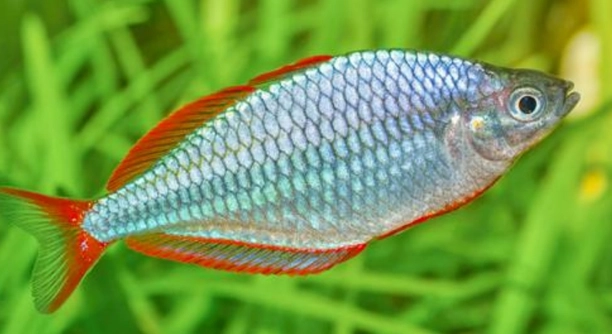
Rainbow fish are a beautiful and popular addition to freshwater aquariums, known for their vibrant colors and peaceful nature. However, before bringing one into your home, there are important factors to consider to ensure their well-being.
When buying rainbow fish, it’s essential to understand their care requirements, including the right tank size, water temperature, and suitable tank mates. They thrive in stable, well-maintained environments and can live up to five years with proper care.
Understanding these factors will help you provide the best environment for your rainbow fish and ensure they thrive in your tank for years to come.
1. Understanding Rainbow Fish Care Requirements
Rainbow fish are relatively low-maintenance but do have specific needs. They require a tank with at least 20 gallons of water to provide ample space for swimming. In addition, they prefer a temperature between 74°F and 80°F, making a heater an essential piece of equipment. They also need well-filtered water to maintain a healthy environment. As for water pH, aim for neutral to slightly alkaline levels, between 7.0 and 8.0. It’s important to maintain these conditions consistently to avoid stress, which can lead to health issues.
Maintaining proper tank conditions is key to their long-term health. Without stability, your rainbow fish could develop illness or show signs of distress. Regular water changes and consistent monitoring will help prevent these issues.
It’s not just about having the right tank size; it’s also about the setup. Adding plants, rocks, and hiding spaces will provide enrichment for your fish, reducing stress. Avoid overcrowding the tank, as rainbow fish need space to swim freely. With the proper environment, they will thrive and showcase their beautiful colors.
2. Ideal Tank Mates for Rainbow Fish
Rainbow fish are peaceful creatures and can coexist with many other species. However, choosing the right tank mates is important to avoid aggression or stress.
They do best with other peaceful, similar-sized species. Some good options include tetras, guppies, and certain species of catfish. Avoid aggressive fish, as they may harass the rainbow fish or outcompete them for food.
One important consideration when selecting tank mates is temperament. Rainbow fish tend to do well with species that are not overly territorial. Species like angelfish or barbs may not be the best choice, as their more aggressive nature can make rainbow fish feel unsafe. Additionally, it’s best to avoid fish that are too small, as they could become snacks for larger rainbow fish. Keep in mind that they are social creatures and prefer to be in schools of at least five or more. A well-balanced tank with compatible species will ensure all your fish live in harmony.
3. Feeding Rainbow Fish
Rainbow fish are omnivores, which means they will eat both plant and animal-based foods. A varied diet will keep them healthy and vibrant.
They will thrive on high-quality flake or pellet food, supplemented with live or frozen options like brine shrimp, bloodworms, or daphnia. Feed them small portions two to three times a day, making sure they consume all the food within a few minutes. Overfeeding can lead to water quality issues, so it’s important to be mindful of portions.
In addition to protein, rainbow fish also need plant matter in their diet. Offering blanched vegetables like zucchini or spinach will help provide essential nutrients. A balanced diet will support their immune system and keep their colors bright.
4. Breeding Rainbow Fish
Breeding rainbow fish is relatively simple, but it does require some preparation. You’ll need a separate breeding tank to ensure the young are safe and the parents are not stressed.
The breeding tank should have soft, slightly acidic water with a temperature of around 75°F to 78°F. You’ll also need to provide plants or breeding mops where the females can lay their eggs. It’s best to keep the lighting subdued and ensure the water quality remains high, as these factors can encourage successful breeding.
Once the eggs are laid, the parents should be removed from the tank to prevent them from eating the eggs. After a few days, the eggs will hatch into fry, and you’ll need to feed them finely crushed flakes or baby brine shrimp until they are large enough to eat standard fish food. With the right setup and care, breeding rainbow fish can be a rewarding experience.
5. Common Health Issues
Rainbow fish are generally hardy, but they can still face health issues like any other fish. Stress, poor water quality, and improper tank conditions are the most common causes of problems.
Regularly check water parameters, perform water changes, and ensure your fish aren’t being harassed by tank mates. These are key factors in preventing illness.
Common health problems include fungal and bacterial infections, which may show up as white spots, lesions, or abnormal behavior. Early detection is essential, so keep an eye out for changes. Treating the problem promptly and adjusting the tank conditions can often resolve these issues quickly.
6. Maintaining Water Quality
Maintaining clean and stable water is crucial for the health of your rainbow fish. Good filtration and regular water changes are the foundation of a healthy tank.
Perform weekly water changes of about 25% to keep nitrate levels low. Regularly test the water for ammonia, nitrites, and pH to ensure everything is within acceptable ranges.
Poor water quality can lead to stress, making your rainbow fish more susceptible to disease. A consistent water maintenance routine will reduce the likelihood of health problems and ensure your fish stay healthy and vibrant.
7. The Right Aquarium Size
Rainbow fish need space to swim, so having a large enough tank is critical for their well-being. A minimum of 20 gallons is recommended, but larger tanks are even better.
Overcrowding can lead to stress, disease, and stunted growth. Always provide enough space for each fish to swim freely and establish its own territory within the tank. A larger tank also provides more stable water conditions, which is better for their health.
FAQ
How many rainbow fish should I keep together?
Rainbow fish are social creatures and should be kept in schools. A minimum of five is recommended for them to feel secure and thrive. Keeping a group allows them to display their natural behavior, including schooling and interacting with each other. A larger school can help reduce stress and keep them calm.
What is the lifespan of rainbow fish?
Rainbow fish typically live for about 5 years, but this can vary based on their environment and care. With the right tank conditions, such as stable water temperature, quality food, and minimal stress, they can reach their full lifespan.
What temperature should the water be for rainbow fish?
Rainbow fish prefer water temperatures between 74°F and 80°F. Maintaining this range ensures they remain healthy and active. Using an aquarium heater will help keep the temperature consistent, especially in cooler climates or during the winter months.
Can rainbow fish live with other species?
Yes, rainbow fish are peaceful and can live with many other species. Choose other peaceful, non-aggressive fish that share similar water requirements. Avoid tank mates that are overly territorial or that might see the rainbow fish as competition for food. Tetras, guppies, and other mild species are great companions.
Do rainbow fish need plants in their tank?
Rainbow fish appreciate plants in their tank. Plants offer hiding spots, reducing stress and providing a more natural environment. They enjoy swimming through the plants and the greenery helps maintain the water quality by absorbing excess nutrients. Some aquarium plants like Java fern or Anubias are ideal for rainbow fish tanks.
How often should I feed rainbow fish?
Rainbow fish should be fed two to three times per day, offering only what they can eat in a few minutes. Overfeeding can cause water quality issues, so it’s important to avoid excess food in the tank. A varied diet, including flake food, live, or frozen food, will keep them healthy.
What kind of food do rainbow fish eat?
Rainbow fish are omnivores, so they eat both plant and animal-based food. They thrive on high-quality flake or pellet food. Supplement their diet with frozen or live foods like brine shrimp, bloodworms, and daphnia. Occasional vegetables like spinach or zucchini can also provide extra nutrients.
Can rainbow fish breed in captivity?
Yes, rainbow fish can breed in captivity, but it requires some effort. Set up a breeding tank with soft, slightly acidic water and plants or breeding mops for the eggs. The female will lay eggs, and once they hatch, remove the parents to prevent them from eating the fry. Provide the baby fish with small food like baby brine shrimp until they grow large enough for regular fish food.
What are some common health problems with rainbow fish?
Rainbow fish can suffer from fungal or bacterial infections, which may appear as white spots, lesions, or strange behavior. They can also suffer from internal parasites or stress-related diseases if water quality isn’t maintained. Regularly monitor their behavior and water conditions to catch issues early. Treating illnesses early can often prevent serious outbreaks.
How do I know if my rainbow fish are stressed?
Stressed rainbow fish may display erratic swimming patterns, hide more often, or lose their vibrant color. Stress can be caused by poor water conditions, overcrowding, or aggressive tank mates. Ensure their tank is appropriately sized, the water is well-maintained, and the environment is peaceful.
Are rainbow fish hard to care for?
Rainbow fish are relatively easy to care for, as long as their basic needs are met. They need stable water conditions, a proper diet, and space to swim. Regular water changes and routine tank maintenance will help keep them healthy and stress-free.
Can rainbow fish live in cold water?
Rainbow fish are tropical fish and should not be kept in cold water. They require a stable water temperature of 74°F to 80°F to stay healthy. Keeping them in water that is too cold can lead to stress and illness. A reliable aquarium heater is essential for their well-being.
How big do rainbow fish get?
Rainbow fish can grow anywhere from 2 to 4 inches long, depending on the species. Larger species, like the Melbourne Rainbow Fish, may grow up to 6 inches. Make sure your tank is large enough to accommodate the full-grown size of the fish.
Can I add rainbow fish to an established tank?
Yes, you can add rainbow fish to an established tank, as long as the tank is stable and all the other fish are peaceful. Ensure that the water parameters are suitable, and monitor the new additions for signs of stress or aggression. Adding them gradually will help maintain balance in the tank.
Why are my rainbow fish losing color?
If your rainbow fish are losing color, it may be due to stress, poor water conditions, or poor diet. They rely on stable water quality and proper nutrition to maintain their vibrant colors. Check the water parameters and ensure they are being fed a balanced diet to help restore their color.
Final Thoughts
Rainbow fish can be a beautiful and rewarding addition to your aquarium if you are prepared to meet their needs. They are relatively easy to care for, but they do require a stable environment, a balanced diet, and peaceful tank mates. With proper care, they can thrive for several years and bring vibrant color to your tank. The key is to ensure your tank provides enough space, proper water conditions, and suitable companions. Regular water testing and maintenance will go a long way in keeping them healthy.
It’s also important to remember that while rainbow fish are hardy, they are not immune to stress or health issues. Maintaining a good tank environment is essential to preventing common problems like disease or aggression from other fish. If you’re new to keeping fish, it may take some time to find the right balance in your tank. Don’t be discouraged if things don’t go perfectly at first. Every fish keeper goes through a learning process. As long as you monitor their behavior and make adjustments when needed, your rainbow fish will be happy.
In the end, owning rainbow fish is a fulfilling experience for anyone interested in keeping aquariums. Their bright colors and peaceful nature make them a joy to observe. As long as you are committed to their care and provide the right environment, rainbow fish will reward you with years of beauty. Taking the time to learn about their needs and creating the ideal living conditions will ensure that your fish remain healthy and vibrant. Whether you’re just starting out or have been keeping fish for a while, rainbow fish are a fantastic choice for any tank.

Hello,
If you enjoy the content that we create, please consider saying a "Thank You!" by leaving a tip.
Every little bit helps us continue crafting quality advice that supports the health, happiness, and well-being of pets around the world, for pets of all shapes, sizes, and species.
We really appreciate the kindness and support that you show us!