
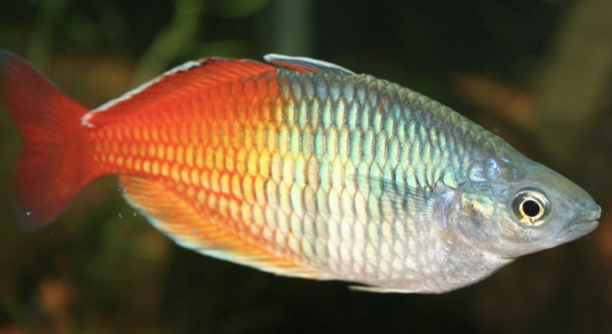
Have you ever watched your rainbow fish swim around and wondered if they might be feeling a little restless or bored?
Rainbow fish can experience signs of boredom, especially in under-stimulating environments. A lack of enrichment, space, or interaction may lead to changes in behavior such as lethargy, fin nipping, or repetitive swimming patterns.
Understanding how environment and activity levels affect your rainbow fish can help improve their health and happiness in small but meaningful ways.
Why Boredom Happens in Rainbow Fish
Rainbow fish are active swimmers that enjoy moving through open space, hiding in plants, and exploring their surroundings. In smaller or bare tanks, they can quickly lose interest in their environment. Without enough stimulation, they might start showing signs of boredom, like swimming in the same patterns or becoming less social. This behavior doesn’t always mean something serious is wrong, but it’s a signal that their setup might need some attention. Rainbow fish thrive in well-planted tanks with enough room to swim and interact. They also benefit from a bit of change now and then—new decorations, varied food types, and lighting cycles can help. These simple adjustments keep them engaged and active. If your rainbow fish seem sluggish or easily startled, it may be time to reassess their living space. Being observant and making a few changes can support their overall well-being and make their tank more enjoyable.
A bored rainbow fish might also become more aggressive or chase others in the tank, especially if space is limited or hiding spots are missing.
Rainbow fish are naturally curious, and they react well to small updates in their environment. Rearranging tank plants or adding floating decorations gives them something new to investigate. They also enjoy natural light rhythms and consistent feeding times. Feeding them a variety of food—flakes, frozen, or live—can stimulate their senses and encourage activity. These fish tend to do best in groups, so having a small school of rainbow fish is important. Social interaction can reduce stress and increase movement in the tank. When you notice your fish becoming more vibrant and active, it often means the changes are helping. The goal is to create a setup that feels dynamic without overwhelming them. Regular care, along with simple updates, can prevent boredom from settling in.
What You Can Do About It
A fish that feels bored may not show it in obvious ways, but subtle behavior shifts can let you know it’s time to act.
Start by giving your rainbow fish more space. A larger tank with plenty of horizontal swimming room makes a big difference. Add live or artificial plants, some rocks, and hiding places to give the tank variety. Rotate or rearrange these every couple of weeks to keep things fresh. Floating toys or bubblers can also offer new sights and movement. Feeding should be varied too—using different textures, shapes, and types of food keeps their feeding routine more interesting. Consider creating light and dark periods that mimic natural settings. Rainbow fish also enjoy companionship, so make sure they’re not alone. Adding a few tank mates of the same species can encourage more interaction and activity. Keep an eye on your fish after each change. If they begin swimming more, displaying brighter colors, or interacting more often, then your efforts are paying off.
Signs Your Rainbow Fish Might Be Bored
Look for changes in their normal behavior. If your rainbow fish seem less active, start hiding more, or swim in repetitive patterns, they may be lacking stimulation in their tank environment. These signs can appear slowly, so regular observation is important.
A bored rainbow fish may also start showing signs of aggression, especially if kept with other fish. You might notice fin nipping, chasing, or general restlessness during feeding times. Another sign is a lack of color vibrancy. Rainbow fish tend to show their brightest colors when they are healthy and content. If they begin to look duller or less alert, it could be a result of boredom or stress. Watching how they behave around tank mates and during different times of the day will help you spot these changes early. They may also start interacting with their reflection or glass more than usual.
Restlessness or aimless swimming often appears when the tank setup stays the same for too long. If you haven’t changed decorations, plants, or layout in months, your fish might not have enough to engage with. They are naturally curious, and a still environment offers very little mental stimulation. If they aren’t exploring or reacting to new stimuli, it’s a signal that something needs to change. Behavior like hovering in one spot for long periods, even during feeding time, is another subtle hint. Try small changes first—move a plant or switch up a hiding spot—and observe their reaction. Little tweaks can make a noticeable difference in how they behave.
How to Keep Rainbow Fish Stimulated
Creating a stimulating tank doesn’t have to be complicated. Add a mix of plants, rocks, and decorations that give your fish places to swim through or hide. Moving items around every few weeks can keep things interesting without adding stress.
Rainbow fish also benefit from social interaction. They do best in small groups of five or more of their own kind. This encourages natural behaviors like schooling and active swimming. Try offering different types of food during the week—flake food one day, frozen bloodworms another, and occasional live brine shrimp. This not only supports their nutrition but adds variety to their routine. Lighting plays a role too. Mimicking natural light patterns with a timer can make their environment feel more alive. Consider adding a gentle water current using a filter or air stone, which helps replicate natural movement. All these elements, used together, help keep your rainbow fish active, interested, and healthier over time.
Mistakes That Make Boredom Worse
Overcrowding the tank can lead to stress and limit space for natural swimming. When rainbow fish don’t have room to move or escape tension, they become more anxious, which can quickly lead to boredom or aggression.
Using the same feeding routine and tank layout for months without change can also reduce stimulation. These fish need variety to stay engaged and healthy.
Simple Enrichment Ideas
Try placing a mirror against the side of the tank for a few minutes once or twice a week. This encourages natural display behavior. Adding floating plants can also offer shade, variety, and exploration opportunities. You can rotate tank decorations or even add different shaped objects to keep their interest up. Even rearranging existing items can help your fish notice their space in a new way. If you have multiple tanks or safe dividers, visual contact with other fish may add extra stimulation without overcrowding. Small changes make a difference over time.
How Often to Change Things Up
Every two to four weeks, make one or two small adjustments to the tank. This keeps the environment fresh while allowing your fish time to adapt.
FAQ
What is the best tank size for rainbow fish?
Rainbow fish are active swimmers and need plenty of space to move around. A tank of at least 20 gallons is ideal for a small group. If you have more fish or want to add plants and decorations, a 30-gallon tank or larger will provide better swimming space. Keeping the tank size appropriate ensures they don’t feel cramped and stressed. Larger tanks are also easier to maintain, as water quality can remain more stable, and there is less risk of overcrowding, which can lead to boredom or aggression.
Do rainbow fish get along with other fish?
Rainbow fish are peaceful and typically do well with other non-aggressive species. They enjoy being part of a small school of their own kind, but they can coexist with other peaceful fish. Avoid keeping them with overly aggressive species, like some cichlids, as this can cause stress and alter their behavior. They work well with other schooling fish, small catfish, or peaceful tetras. Just ensure everyone in the tank has enough space to avoid territorial conflicts.
How can I prevent my rainbow fish from getting bored?
To prevent boredom, make sure your rainbow fish have a varied environment. Use a mix of live or artificial plants, decorations, and rocks to create hiding places and pathways for exploration. Rotate the decorations occasionally and add new items every few weeks. Keeping the tank’s lighting and water conditions varied is another great way to maintain their interest. Socializing with other fish is important too, so don’t keep just one. At least five rainbow fish in a school will keep them more engaged. Change their food types regularly to keep mealtime exciting.
How do I know if my rainbow fish are stressed?
Stressed rainbow fish can show several signs. You may notice them hiding more than usual, avoiding other fish, or swimming aimlessly in the same spot. They might also start showing signs of aggression, such as chasing others or nipping fins. Their colors may become dull or faded, a clear sign that they’re not feeling well. Stress can be caused by overcrowding, water quality issues, or a lack of stimulation. Keeping their environment clean, spacious, and enriching will help reduce stress levels.
Can rainbow fish live with other types of fish?
Yes, rainbow fish can live with a variety of peaceful fish species. They typically do best in community tanks with species that aren’t too aggressive. Good tank mates include other schooling fish, small catfish, or non-aggressive tetras. Avoid keeping them with fish that may compete for the same space or food, such as large predatory species. Ensuring your rainbow fish have enough room to swim freely is crucial in a community tank, as crowded conditions can cause stress and lead to boredom.
How often should I feed rainbow fish?
Rainbow fish should be fed once or twice a day. Offer a balanced diet that includes a mix of high-quality flake food, frozen or live food, and occasional vegetable matter. Varying their meals keeps things interesting and encourages natural foraging behavior. Overfeeding can lead to poor water quality and stress, so only provide as much food as they can consume in a few minutes. Removing uneaten food helps maintain tank hygiene. Regular feeding schedules also allow you to observe your fish’s health and behavior more closely.
How can I improve the tank’s environment for my rainbow fish?
To improve your rainbow fish’s environment, focus on creating a dynamic and varied tank setup. Ensure they have plenty of open space to swim, along with plants, rocks, and hiding spots. The water should be kept at a temperature between 74°F and 78°F with a slightly acidic to neutral pH. Regularly maintain water quality by performing partial water changes and keeping the filter clean. You can also add a gentle water current, which many rainbow fish enjoy. Using a timer for lights can help simulate natural day-night cycles, making the environment feel more natural.
Why are my rainbow fish swimming in circles?
Rainbow fish may swim in circles or appear to swim aimlessly when they’re bored, stressed, or not receiving enough stimulation. This behavior can also indicate that the tank is too small, overcrowded, or lacking enough hiding spaces and areas to explore. Sometimes, they may swim in circles if they are trying to find a way to interact with other fish or objects in the tank. If the behavior persists, assess the tank’s layout and consider adding new elements or adjusting the conditions. If your fish are stressed, providing more room or a better environment can help.
How can I tell if my rainbow fish are happy?
Happy rainbow fish are typically active and social. They’ll swim in groups, interact with each other, and explore their environment. Their colors should be vibrant and bright, and they should be engaging with the plants, decorations, and water movement. If they are content, you may notice them displaying their natural swimming patterns and showing curiosity by investigating new elements in the tank. Regularly checking for signs of aggression or boredom will also give you a good sense of their overall mood.
Can rainbow fish live alone?
While rainbow fish can technically live alone, it’s not ideal for their well-being. These fish are social creatures and do better in groups of at least five of their own kind. Being part of a school helps them feel more secure and reduces stress. A solitary rainbow fish may become more withdrawn or aggressive due to a lack of social interaction. For the best health and happiness, always keep rainbow fish in groups to encourage natural behaviors and keep them engaged.
Final Thoughts
Rainbow fish, like all pets, need attention and care to stay happy and healthy. While they are relatively easy to take care of, they can become bored if their environment lacks variety or stimulation. Regularly changing their tank setup, adding new plants or decorations, and offering a variety of foods can help keep them active and engaged. A well-stimulated rainbow fish is less likely to show signs of stress, aggression, or lethargy, which can be common signs of boredom.
It’s also important to make sure your rainbow fish have enough space. Overcrowding can lead to stress and even aggression between tank mates. Keeping the tank clean and maintaining proper water quality is essential for their health, as poor water conditions can also contribute to behavioral issues. If you notice your fish becoming restless, aggressive, or losing their vibrant colors, it could be a sign that their tank setup or routine needs to be reassessed. A healthy environment means your rainbow fish will feel more secure, explore their space, and enjoy their time in the tank.
In the end, keeping rainbow fish doesn’t just mean feeding them regularly. It’s about creating a stimulating environment where they can thrive, socialize, and explore. Providing them with a comfortable tank that includes plants, hiding spaces, and new challenges will keep their minds active and their bodies healthy. Simple changes like adding a few new plants, rotating decorations, or increasing the number of tank mates can help prevent boredom and keep your rainbow fish happy for years to come.

Hello,
If you enjoy the content that we create, please consider saying a "Thank You!" by leaving a tip.
Every little bit helps us continue crafting quality advice that supports the health, happiness, and well-being of pets around the world, for pets of all shapes, sizes, and species.
We really appreciate the kindness and support that you show us!