
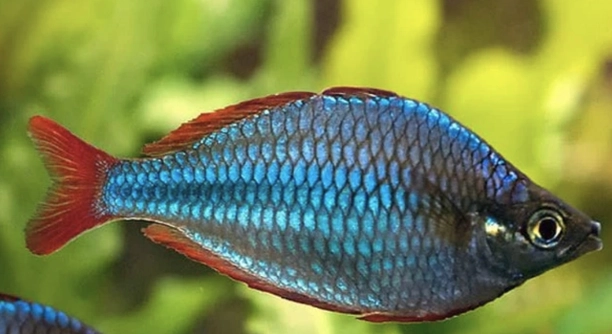
Rainbow fish are popular for their vibrant colors and lively nature. If you’re thinking about adding them to your tank, you may wonder how they handle different environments and conditions. Their resilience is a key factor to consider.
Rainbow fish are generally hardy, with traits that help them adapt to a variety of water conditions. They can thrive in both freshwater and brackish environments, making them suitable for many aquarium setups. Their resilience is notable.
Their ability to adapt and survive makes them an excellent choice for aquarium enthusiasts. Understanding their survival traits can help you provide the best care for these colorful fish.
7 Survival Traits of Rainbow Fish
Rainbow fish are known for their ability to thrive in various conditions. One of the most notable traits is their adaptability to a wide range of water parameters. Whether it’s temperature, pH, or hardness, rainbow fish can adjust to different levels without much issue. This resilience allows them to be kept in many types of aquariums, whether they’re freshwater or brackish. Their natural habitat includes streams and rivers where water conditions can change, so they are naturally equipped to handle fluctuations. These traits make them ideal for both beginner and experienced aquarium keepers who may not always have perfect water conditions.
Adaptability isn’t the only survival trait rainbow fish possess. They are also quite hardy when it comes to varying temperatures. These fish can tolerate a wide range, though keeping them within the ideal range will ensure they remain healthy and vibrant.
Along with their flexibility in water conditions, rainbow fish are known for their strong immune system. This helps them resist common diseases that may affect other fish. Their immune system makes them less prone to illness, which is an added benefit when keeping them in a home aquarium. With proper care, they can live for several years and continue to bring color and movement to your tank. Regular monitoring of water quality, though important, is often less stressful with rainbow fish due to their natural resistance to common tank issues.
Ability to Thrive in Different Water Conditions
Rainbow fish are not picky when it comes to water conditions. They can handle slight variations in pH, hardness, and salinity. This makes them a versatile species, perfect for community tanks. Even if water conditions aren’t always ideal, they will still manage to survive and adapt.
These fish are native to regions with fluctuating water parameters, which explains their resilience. Their natural habitats vary, so they can tolerate slight changes in temperature and pH. This ability to adjust means they’re often able to survive changes that might stress out other species. Keeping the water in a safe range is important for long-term health, but rainbow fish do well with minor changes.
Despite their hardiness, it’s still important to monitor their water conditions. Sudden drastic shifts, such as significant changes in temperature or pH, can cause stress. Over time, this may lead to health issues. Maintaining a consistent environment is always better, but rainbow fish’s natural ability to handle fluctuations is an advantage for any tank owner.
Peaceful and Social Nature
Rainbow fish are peaceful and social, making them excellent tankmates for a variety of species. They do well in groups and enjoy the company of other rainbow fish. Their non-aggressive nature helps maintain harmony in a community tank.
These fish are relatively easy to care for in terms of behavior. They don’t pick on other species, and they enjoy swimming in schools. Keeping them in groups of at least five will help them feel comfortable and reduce stress. Rainbow fish are not territorial and tend to avoid conflicts with other fish, making them great for larger setups with other peaceful species.
While they do enjoy the company of their own kind, rainbow fish will also peacefully coexist with other non-aggressive species. Their calm nature helps maintain balance in the tank, which is especially helpful for creating a serene aquarium environment. With their friendly disposition, rainbow fish make an excellent addition to any peaceful community tank.
Strong Immune System
Rainbow fish have a robust immune system, which makes them less susceptible to common diseases. This is a key reason why they thrive in a variety of tank setups. Their ability to ward off infections adds to their reputation as hardy aquarium fish.
With proper water conditions and diet, rainbow fish remain generally healthy. Their natural immune strength helps them recover quickly from minor injuries or illnesses. Regular water changes and maintaining stable tank conditions will further reduce the likelihood of health issues. Their resilience is one of the main reasons they are recommended for beginners.
Easy to Feed
Rainbow fish are not fussy eaters and will consume a variety of foods. They thrive on a balanced diet, which can include flakes, pellets, and live or frozen food like brine shrimp or bloodworms. This adaptability makes feeding them hassle-free.
Their hearty appetite means they don’t require complex diets, and they’ll often accept whatever is offered. Ensuring their meals are nutrient-rich helps maintain their vibrant colors. Overfeeding, however, can lead to water quality issues, so it’s important to feed them in moderation. Maintaining their diet is simple, but attention to portion control is essential.
Efficient Breeders
Rainbow fish are also known for their efficient breeding habits. They tend to reproduce in favorable conditions, with females laying eggs that hatch within a few days. Their breeding process is straightforward and requires little intervention.
In ideal conditions, rainbow fish will breed regularly. The eggs are typically laid in plants or other sheltered areas in the tank, where they are safe from other fish. Once the eggs hatch, the young fry are easy to care for, as they’re small but hardy. Raising the fry can be a rewarding experience for those interested in breeding.
FAQ
Are rainbow fish easy to care for?
Rainbow fish are relatively easy to care for, making them a great option for beginners. They are hardy, adaptable to different water conditions, and peaceful. However, like all fish, they still require proper care, including regular water changes and a balanced diet. If you provide the right environment, rainbow fish will thrive.
What water conditions do rainbow fish need?
Rainbow fish are adaptable to a range of water conditions. They can tolerate temperatures from 72°F to 80°F (22°C to 27°C) and a pH between 6.5 and 8.0. The water hardness should ideally be between 5 and 15 dGH. Regular monitoring of these conditions will ensure your fish stay healthy.
How often should I feed my rainbow fish?
Rainbow fish should be fed once or twice a day, with small portions. Overfeeding can lead to water quality problems. Offer a variety of foods such as flakes, pellets, and live or frozen foods like brine shrimp or bloodworms. It’s important to only feed as much as they can consume in a few minutes.
How long do rainbow fish live?
On average, rainbow fish live for about 5 to 8 years in captivity. With proper care, including good water quality and a balanced diet, they can live even longer. Their lifespan can vary based on the conditions in the tank and the attention given to their needs.
Can rainbow fish live with other fish?
Rainbow fish are peaceful and social. They generally get along well with other non-aggressive species. It’s best to avoid keeping them with overly territorial or aggressive fish, as they may get stressed. Keeping them in a community tank with similar-sized peaceful species is ideal.
Do rainbow fish need a large tank?
Rainbow fish do well in a variety of tank sizes, but they thrive in tanks that are at least 30 gallons. They enjoy swimming in schools, so having enough space for a group of 5 or more will help them feel secure and reduce stress. A larger tank also helps maintain stable water conditions.
Are rainbow fish good for planted tanks?
Rainbow fish are an excellent choice for planted tanks. They enjoy swimming through plants, which provide hiding spots and natural shelter. Plants also help maintain water quality by absorbing excess nutrients. Make sure the plants are well-established to prevent fish from uprooting them.
Do rainbow fish breed in captivity?
Yes, rainbow fish can breed in captivity. They will lay eggs, which usually hatch within a few days. Providing a breeding environment with plants or spawning mops will encourage this. It’s important to separate the adults from the eggs and fry to avoid predation. Raising the fry is relatively easy, as they are hardy from the start.
Why are my rainbow fish not eating?
If your rainbow fish aren’t eating, it could be due to stress, poor water quality, or illness. Ensure your water conditions are stable and that the temperature is within the correct range. If they’ve been introduced to a new tank, it might take some time for them to adjust. If they continue to refuse food, a vet visit might be necessary.
Can rainbow fish tolerate brackish water?
Rainbow fish can tolerate brackish water, though it’s not their ideal environment. They are often found in areas with slightly salty water in the wild, so they can adapt to brackish conditions if needed. However, it’s essential to gradually introduce salt to avoid shocking the fish. For most tanks, freshwater conditions are better suited to their health.
How do I know if my rainbow fish are healthy?
Healthy rainbow fish will have bright, vibrant colors and swim actively. Their fins should be intact, and they should show no signs of disease such as spots, lesions, or swelling. Regularly check water parameters and ensure they are within the recommended ranges to maintain their health. Any sudden behavioral changes could indicate illness or stress.
Can rainbow fish be kept with shrimp?
Rainbow fish can typically be kept with shrimp, but there is some risk. Larger rainbow fish might view smaller shrimp as food. Keeping rainbow fish with species like Amano or cherry shrimp works well in larger, heavily planted tanks, where the shrimp can find shelter. It’s always important to monitor interactions closely, especially if you have a variety of shrimp species.
How many rainbow fish should I keep together?
It’s best to keep rainbow fish in groups of at least 5, as they are schooling fish. A small group can lead to stress, as they are naturally social. A larger group allows them to exhibit their natural behaviors, making them more comfortable and reducing the chance of territorial behavior.
Final Thoughts
Rainbow fish are a great addition to any aquarium due to their hardy nature, peaceful behavior, and vibrant colors. They are easy to care for and adaptable to various water conditions, making them suitable for both beginners and experienced aquarium owners. With the right tank setup, they can thrive and bring life to your aquarium. Their ability to adapt to different environments, whether in a planted tank or a community setup, adds to their appeal. As long as water quality is maintained, and they are provided with a proper diet, rainbow fish will live a long, healthy life.
Though they are hardy, rainbow fish still need attention to their environment. Regular water changes, proper filtration, and monitoring of water parameters are essential to keep them healthy. These fish can tolerate minor fluctuations in water temperature and pH, but extreme changes can cause stress. Maintaining consistency in their habitat is key to avoiding issues. Proper feeding also plays a role in their overall health. Offering a balanced diet and not overfeeding will ensure they stay vibrant and active.
Overall, rainbow fish are a versatile, easy-to-care-for species that can thrive in various setups. Their peaceful nature allows them to coexist with many other species, making them ideal for community tanks. They’re also known for being active and social, creating a lively atmosphere in the aquarium. By providing them with the right care, you can enjoy their beauty for years. Their resilience and ability to adapt to changing conditions make them an excellent choice for both beginner and experienced fish keepers.

Hello,
If you enjoy the content that we create, please consider saying a "Thank You!" by leaving a tip.
Every little bit helps us continue crafting quality advice that supports the health, happiness, and well-being of pets around the world, for pets of all shapes, sizes, and species.
We really appreciate the kindness and support that you show us!