
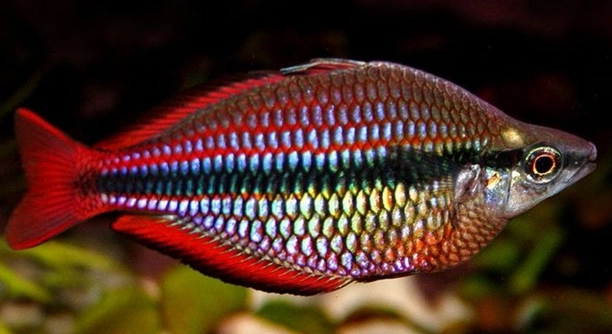
Rainbow fish are vibrant, lively, and popular aquarium pets. If you own them, it’s essential to understand their dietary needs to keep them healthy and thriving. How often should you feed rainbow fish to meet those needs?
Rainbow fish should be fed once or twice a day, with portions that they can finish in a few minutes. Overfeeding can lead to poor water quality and health problems for your fish.
Feeding your rainbow fish on a regular schedule ensures they get the proper nutrition and maintain a balanced environment. Managing their meals will promote long-term health and well-being.
How Much Should You Feed Rainbow Fish?
Rainbow fish are small, active fish that require a well-balanced diet. Offering them the right amount of food is crucial to prevent overfeeding and ensure they get the nutrients they need. While they love to eat, it’s important to understand that their stomachs are small, so feeding them too much can lead to waste build-up in the tank, which harms the water quality. Their diet should consist of a mix of high-quality flakes, pellets, and live or frozen foods like brine shrimp or daphnia. Aim to feed them enough that they finish the meal in a few minutes, twice a day.
Overfeeding can lead to health problems, including obesity and swim bladder issues, so it’s essential to stay mindful of portion sizes. The key is moderation, offering a small but sufficient amount of food daily. Be sure to adjust the quantity based on how much they consume within the allotted time. This will also help maintain your tank’s water quality.
It’s easy to get caught up in feeding fish because they seem hungry all the time. But it’s important to remember that rainbow fish don’t need as much food as we might think. By sticking to a simple feeding routine, you’ll keep them healthy and happy.
What Happens If You Feed Them Too Much?
Excessive feeding can quickly lead to cloudy water and algae growth, as the uneaten food decays in the tank. It also affects the fish’s health, causing digestive issues or obesity. Regular water changes are necessary to keep things in check.
When overfed, rainbow fish are more likely to develop swim bladder disorders and may struggle to swim properly. This can also result in poor water quality, creating an unhealthy environment for your fish. Ensuring you provide the right amount of food is not only good for your fish’s health but also for the health of your aquarium. Monitoring feeding habits is crucial for keeping both the fish and the water in balance.
Feeding Rainbow Fish Based on Their Size
Smaller rainbow fish require smaller portions compared to larger ones. Their feeding amounts will vary depending on their size and activity level. A general rule is to start with smaller amounts, then adjust according to their needs. Larger fish will need more food, but still in moderation.
It’s essential to keep an eye on how much your fish eat. Smaller rainbow fish might only need a pinch of food, while larger ones will require a more substantial serving. The trick is not to overfeed them, even if they seem eager to eat. Their small stomachs only need so much at one time.
You can observe how much your rainbow fish are eating by watching them during mealtime. If they finish the food quickly, that’s an indicator they need more. However, if there’s leftover food after a few minutes, reduce the portion size. Keep their diet varied, and make sure it’s well-balanced for their size.
Types of Food for Rainbow Fish
Rainbow fish enjoy a variety of foods to stay healthy. Their diet should consist of flakes, pellets, and live or frozen options like bloodworms or brine shrimp. Offering a range of foods ensures they receive the necessary nutrients.
Rainbow fish thrive on protein-rich foods, such as live or frozen options, which mimic their natural diet. This helps with their growth and coloration. Flake food is fine for daily feeding, but supplementing with protein-rich foods will keep them active and vibrant. Offering different food types prevents boredom and ensures they get a well-rounded diet.
Rotating between high-quality pellets, live foods, and occasional vegetable matter is also beneficial. Although rainbow fish are primarily carnivorous, some plant matter is needed for a balanced diet. This variety will keep them engaged during mealtime, promote overall health, and help them live longer.
Feeding Frequency for Rainbow Fish
Rainbow fish should be fed once or twice a day, depending on their age and activity level. Younger, more active fish may need two feedings, while adults can usually thrive with just one. Always avoid overfeeding, as it leads to poor water quality and potential health issues.
In most cases, feeding twice a day works well for rainbow fish, but this can vary. Older fish or those with slower metabolisms may do fine with just one feeding. Consistency in feeding times helps them maintain a healthy routine. Always pay attention to how they react to the food amounts.
Best Feeding Practices for Healthy Fish
To ensure your rainbow fish stay healthy, follow a consistent feeding schedule. Make sure to feed them the appropriate amount that they can consume in just a few minutes. Remove any uneaten food to avoid contamination in the tank. Regular water changes are also crucial for maintaining water quality.
A clean tank and stable water conditions are vital for the health of your fish. Overfeeding will disrupt the balance, leading to algae problems and poor oxygen levels. By controlling the amount of food and maintaining good tank hygiene, you’ll create a better living environment for your fish.
How Feeding Affects Water Quality
Rainbow fish’s eating habits directly impact water quality. Leftover food decomposes and causes ammonia build-up, harming both the fish and the tank environment. Always monitor food portions to ensure they don’t overeat. Keeping the water clean is just as important as feeding them properly.
FAQ
How often should I feed my rainbow fish?
Rainbow fish should typically be fed once or twice a day. Young and active fish might require two feedings, while adult fish can thrive with one feeding. It’s important to adjust the feeding schedule based on their size, age, and how much they consume within a few minutes. Make sure to avoid overfeeding to maintain a healthy environment in the tank.
Can I overfeed my rainbow fish?
Yes, overfeeding rainbow fish can lead to health problems and poor water quality. If you give them too much food, they will not eat it all, and the leftover food will decompose in the water. This leads to ammonia build-up, which can harm both the fish and the tank environment. Always stick to small portions that they can finish in a few minutes, and remove any uneaten food.
What is the best type of food for rainbow fish?
Rainbow fish should have a variety of food types to meet their nutritional needs. High-quality flakes and pellets are fine for daily feeding, but they also benefit from live or frozen foods like brine shrimp, daphnia, or bloodworms. These protein-rich foods help with their growth, vibrancy, and overall health. A mix of plant matter can also be included occasionally for balance, though they are primarily carnivorous.
Can rainbow fish eat vegetables?
While rainbow fish are mostly carnivorous, they can eat small amounts of vegetable matter. Leafy greens like spinach, zucchini, or algae-based foods can be offered occasionally. These help provide fiber and can support their digestion. However, vegetable-based foods should not be the main part of their diet; instead, focus on protein-rich options for regular feeding.
How much food should I feed my rainbow fish?
Feed your rainbow fish only as much as they can consume in about two to three minutes. Rainbow fish have small stomachs, so it’s important not to overfeed. If there is leftover food after they’ve finished eating, it’s a sign you’ve given too much. Adjust portions accordingly to prevent water contamination and health problems.
Can I feed my rainbow fish live food?
Yes, rainbow fish love live food and it’s a great way to boost their health. Live foods like brine shrimp, daphnia, or small insects mimic their natural diet and provide essential nutrients that help with growth and coloration. However, it’s important to ensure live foods are from a safe source to avoid introducing parasites into the tank.
Should I feed my rainbow fish during the night?
Rainbow fish are diurnal, meaning they are most active during the day. Feeding them at night isn’t recommended as they may not be as active or hungry during these hours. Stick to a feeding routine during daylight to ensure they are awake, active, and ready to eat.
How do I know if my rainbow fish are hungry?
Rainbow fish will often swim to the front of the tank or hover near the surface when they’re hungry. They might also display more active behavior, such as darting around or showing interest in the area where food is usually placed. However, they will also eat the food quickly once it’s offered, so be mindful of portion sizes.
Can I feed my rainbow fish only flake food?
Feeding your rainbow fish only flake food is not ideal. While flakes are convenient, they do not provide the full spectrum of nutrients that rainbow fish need for optimal health. It’s important to supplement with live or frozen foods to ensure they are getting enough protein, vitamins, and minerals for growth, color, and vitality.
How can I keep my rainbow fish healthy with food?
To keep your rainbow fish healthy, offer a balanced diet consisting of high-quality flakes, pellets, and protein-rich live or frozen foods. Feed them small portions twice a day, and avoid overfeeding to prevent poor water quality. Additionally, ensure they have a clean and stable tank with regular water changes to support their overall health.
What if my rainbow fish aren’t eating?
If your rainbow fish are not eating, it could indicate stress, illness, or poor water quality. Check the tank conditions, including temperature, pH, and ammonia levels. Make sure the food you are offering is fresh and suitable for them. If the issue persists, consider isolating the fish in a quarantine tank and consulting an aquarium professional for further advice.
How do I prevent rainbow fish from getting overweight?
To prevent rainbow fish from becoming overweight, avoid overfeeding. Offer small portions that they can consume in a few minutes, and stick to a regular feeding schedule. Remove any leftover food to keep the tank clean and reduce the risk of poor water quality. Regularly monitor their behavior and weight to ensure they stay healthy.
Can rainbow fish eat too much live food?
Rainbow fish can eat too much live food, especially if it’s high in fat or protein. Overfeeding live food can lead to digestive issues and obesity. It’s essential to balance live food with other types of food like flakes or pellets, ensuring they get a variety of nutrients without overindulging in any one type of food.
How should I store food for rainbow fish?
Store dry food, like flakes and pellets, in a cool, dry place to maintain freshness. Ensure the container is sealed tightly to prevent moisture from getting in. For live or frozen food, store it in the freezer and only thaw the amount you plan to feed. Do not refreeze food after it’s been thawed.
Final Thoughts
Feeding rainbow fish properly is an essential part of keeping them healthy and vibrant. These colorful fish have specific dietary needs, and providing the right amount and type of food will help them thrive in your aquarium. Overfeeding can lead to water quality problems and health issues, while underfeeding can cause malnutrition. Striking a balance is key to ensuring your rainbow fish are both well-fed and living in a clean, stable environment. By offering them a varied diet of flakes, pellets, and occasional live or frozen foods, you can meet their nutritional needs and keep them happy.
The feeding routine for rainbow fish should be consistent. Once or twice a day is usually sufficient, depending on the fish’s size and age. Keep portions small to prevent leftover food from contaminating the water. It’s important to remove uneaten food after a few minutes to avoid water quality issues. Also, remember that rainbow fish are active and enjoy a varied diet. Providing them with different food types not only ensures they get all the nutrients they need but also adds some fun to their mealtime. They will appreciate the variety, and you’ll enjoy watching them stay healthy and lively.
Lastly, always pay attention to the signs your rainbow fish give you. If they are eating too quickly or not eating at all, it could be an indication of a problem. Adjust the amount of food you give them based on how much they consume in a few minutes, and keep an eye on the overall health of the tank. Regular water changes, combined with a consistent feeding schedule, will keep the tank environment balanced. With proper care, rainbow fish can live long, healthy lives and continue to brighten up your aquarium.

Hello,
If you enjoy the content that we create, please consider saying a "Thank You!" by leaving a tip.
Every little bit helps us continue crafting quality advice that supports the health, happiness, and well-being of pets around the world, for pets of all shapes, sizes, and species.
We really appreciate the kindness and support that you show us!