
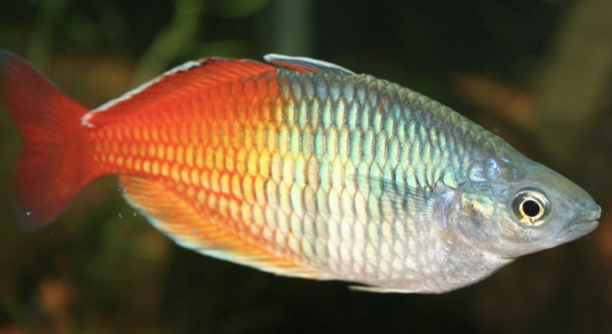
Rainbow fish and guppies are popular choices for freshwater aquarium enthusiasts. Their colorful appearance makes them eye-catching and fun to care for. Understanding whether these two species can live together harmoniously is important for any aquarium owner.
Rainbow fish and guppies can generally live together in the same tank if the proper conditions are maintained. Both species prefer similar water temperature and quality, but the size and temperament of rainbow fish may require extra attention to prevent aggression.
The compatibility of rainbow fish and guppies goes beyond just water conditions. It is essential to monitor their behavior and make adjustments to ensure a peaceful tank environment.
What Do Rainbow Fish and Guppies Have in Common?
Both rainbow fish and guppies are peaceful, colorful, and easy to care for in a well-maintained aquarium. They thrive in similar water conditions, such as temperatures between 72°F and 78°F. These fish are also non-aggressive, which makes them a good match for community tanks. Guppies are smaller, while rainbow fish tend to grow larger. This difference in size should be considered when planning their coexistence. If you maintain a stable environment with ample space, these species can live side by side without issues. Ensuring a balanced diet for both species is equally important to keep them healthy and active. Proper filtration and water changes will further prevent the growth of harmful bacteria, helping your tank stay clean and the fish stay happy. While they have many similarities, subtle differences in their care should not be overlooked.
It’s important to remember that both species thrive in peaceful tanks with gentle water movement. Keeping their needs aligned is key to success.
The care of these species is manageable with some attention to water quality and feeding habits. Guppies often need less space, but both fish can coexist if there is room for swimming and shelter.
Potential Challenges in Keeping Rainbow Fish and Guppies Together
When keeping both rainbow fish and guppies in the same tank, one of the challenges is the size difference. Larger rainbow fish might accidentally stress out smaller guppies, particularly when competing for food or space. This issue becomes more prominent if the tank is overcrowded or lacks hiding spots. Smaller guppies may also find themselves outcompeted for food, as rainbow fish are more dominant during feeding times. To reduce these challenges, provide plenty of plants and decorations to create hiding spots for the guppies. This allows them to escape if the larger rainbow fish become too assertive. Additionally, monitoring feeding times to ensure both species are properly fed can reduce competition.
Setting up the tank properly is crucial for the success of both species. With the right layout and tank size, rainbow fish and guppies can coexist peacefully without significant issues.
Tank Size and Space Requirements
Rainbow fish need more space than guppies, especially as they grow. A tank size of at least 30 gallons is ideal for rainbow fish to swim comfortably. Guppies can survive in smaller tanks, but they will also thrive in a larger setup, especially when kept with rainbow fish. In a shared tank, the more space, the better, as it reduces stress and provides room for both species to swim freely. Ensuring your aquarium has a proper setup that accommodates both species is key to a healthy tank environment.
To keep both species comfortable, consider adding plants and decorations that will break up the tank and provide hiding spots for the guppies. The extra space and structures allow them to retreat when necessary. Proper filtration should be maintained to ensure good water quality, particularly with larger tanks where waste accumulation can be an issue. This helps ensure the fish have a healthy and peaceful living space.
The tank should also have gentle water movement to mimic their natural habitats. Both rainbow fish and guppies come from calm, flowing waters, and providing the right water flow ensures they stay happy and active. The ideal tank will have both swimming space and areas to hide.
Feeding and Nutrition
Both rainbow fish and guppies are omnivores, meaning they eat a variety of plant and animal matter. Rainbow fish will consume flake foods, pellets, and live or frozen foods like brine shrimp. Guppies have a similar diet but tend to eat smaller portions, often nibbling on algae or microscopic creatures. The challenge in feeding them together arises when one species gets more food than the other. Guppies, being smaller, may struggle to compete during feeding times, especially with larger rainbow fish. Ensuring both species receive their fair share of food is vital.
To make feeding time easier, use feeding rings or distribute food in different areas of the tank. This way, the rainbow fish can eat their share while the guppies have access to their food without feeling stressed or bullied. It’s also a good idea to supplement their diet with occasional treats like daphnia or worms to keep them healthy. This balance helps ensure that both species receive the proper nutrients for growth and energy.
Always monitor how much food each fish is consuming. Overfeeding can lead to poor water quality, which can affect both rainbow fish and guppies. Maintaining a feeding schedule and removing uneaten food will keep the tank environment healthy and clean.
Behavior and Compatibility
Rainbow fish are generally peaceful, but their larger size and active nature can sometimes intimidate smaller fish like guppies. Guppies are shy and tend to stay toward the bottom or in hiding spots. Ensuring both species have enough space can help reduce stress and conflict.
Both species tend to get along well, especially if there are plenty of plants or decorations to provide cover for the guppies. In a calm and well-maintained tank, they can coexist without issues. If aggressive behavior is noticed, it may be due to overcrowding or lack of hiding spots.
Water Quality and Maintenance
Water quality is essential for the health of both rainbow fish and guppies. Regular water changes and proper filtration help maintain a stable environment, reducing stress on both species. Guppies are more sensitive to poor water conditions, so it’s important to test the water frequently and adjust when needed.
Both species thrive in slightly acidic to neutral water (pH 6.5-7.5), with soft to moderate hardness. Keeping the water clean and maintaining the right parameters ensures that both rainbow fish and guppies will stay active and healthy in the long run.
FAQ
Can rainbow fish be kept with guppies?
Yes, rainbow fish and guppies can be kept together in the same tank. They share similar water temperature preferences and are generally peaceful. However, rainbow fish tend to be larger and more active, so it’s important to provide enough space in the tank. Guppies can sometimes feel overwhelmed if there isn’t enough hiding space. Ensuring there are plants or decorations to break up the space will give both species their own areas to swim and hide. As long as the tank is large enough and the environment is well-maintained, these two species can coexist.
What size tank do I need for rainbow fish and guppies?
A tank size of at least 30 gallons is recommended for rainbow fish, especially if you’re keeping them with guppies. Guppies, being smaller, can live in a slightly smaller tank, but having a larger tank will benefit both species. A bigger tank allows them to have enough swimming space and reduces the chance of territorial behavior. A well-maintained tank with ample space will also keep the water quality stable and healthy for both types of fish.
How do I ensure my guppies are not stressed by rainbow fish?
To minimize stress, make sure there are plenty of hiding spots for the guppies. Adding plants, rocks, and decorations will allow the guppies to retreat if they feel threatened. It’s also important to keep the tank well-maintained, ensuring good water quality. Stress can also result from overcrowding, so make sure there’s enough space for both species. Monitoring behavior is essential—if rainbow fish are being too aggressive, try rearranging the tank or providing more hiding places for the guppies.
Are rainbow fish aggressive toward guppies?
Rainbow fish are generally not aggressive, but their size and activity level can sometimes be intimidating to smaller fish like guppies. They may inadvertently stress guppies by competing for food or space. It’s important to observe their interactions, and if aggression is observed, try adding more hiding spots or adjusting the feeding routine to reduce competition. Typically, the key to a peaceful tank is providing a good balance of space and resources for both species.
What do rainbow fish eat?
Rainbow fish are omnivores, which means they eat a variety of foods. Their diet can include high-quality flake food, pellets, and live or frozen foods like brine shrimp, daphnia, and bloodworms. Offering a varied diet ensures that rainbow fish get the nutrients they need for growth and vibrant colors. It’s important to feed them enough to stay healthy, but avoid overfeeding, as this can lead to water quality issues.
What do guppies eat?
Guppies are also omnivores and will eat a variety of foods, including flake food, pellets, and small live or frozen foods. Guppies also enjoy nibbling on algae and plant matter, which can be a helpful addition to their diet. Similar to rainbow fish, a varied diet is essential to keeping guppies healthy. However, guppies tend to eat smaller portions compared to rainbow fish, so ensure they get their fair share of food during feeding times.
Can rainbow fish and guppies both live in a planted tank?
Yes, both rainbow fish and guppies can live happily in a planted tank. Guppies enjoy the cover plants provide, giving them a safe place to hide and explore. Rainbow fish also appreciate the plants, which mimic their natural habitat. When adding plants, be mindful of the species you choose. Plants that are hardy and don’t have sharp edges are ideal to avoid injuring the fish. Additionally, having live plants can help maintain water quality by absorbing excess nutrients.
Do rainbow fish need special care compared to guppies?
Rainbow fish have slightly different care needs compared to guppies. They are larger and more active, so they require a bit more space and a larger tank. They also need a varied diet that includes both plant and animal matter to maintain their color and health. While guppies are hardier and can adapt to smaller tanks, rainbow fish need a stable and well-maintained environment with proper filtration and regular water changes. They are more sensitive to poor water conditions, so water quality is essential for their well-being.
How often should I feed rainbow fish and guppies?
Both rainbow fish and guppies should be fed once or twice a day, depending on their age and activity level. It’s important not to overfeed them, as uneaten food can lead to poor water quality. A small amount of food that they can consume in a few minutes is usually sufficient. For both species, a balanced diet with a variety of foods is key to their health and vibrant appearance.
Can I add other fish species with rainbow fish and guppies?
Yes, you can add other peaceful fish species with rainbow fish and guppies. Good tank mates include other small, non-aggressive fish like tetras, corydoras catfish, and small barbs. However, avoid adding larger or more aggressive species, as they may stress the guppies or even harm them. Always research potential tank mates before adding them to ensure compatibility, and make sure your tank is large enough to accommodate all the fish comfortably.
How can I tell if my guppies are healthy?
Healthy guppies will be active and swimming around the tank, with bright colors and no signs of injury or disease. They should have clear, unclouded eyes and intact fins. If your guppy is sluggish, has a faded color, or is showing signs of abnormal behavior like scratching against objects, it may be unwell. A sudden loss of appetite can also indicate a problem. Monitoring water quality and ensuring a proper diet can help keep your guppies healthy.
How can I tell if my rainbow fish are healthy?
Healthy rainbow fish will exhibit vibrant colors, clear eyes, and smooth, unfrayed fins. They should swim actively and appear alert. If your rainbow fish are hiding excessively, have dull or faded colors, or are swimming erratically, it may indicate stress or illness. Regular water testing and maintaining a consistent environment can help prevent health problems.
Final Thoughts
Rainbow fish and guppies can generally live together in the same tank, but it’s important to consider their needs. While they both prefer similar water conditions, there are a few key differences in their behavior and size that should be kept in mind. Rainbow fish are typically larger and more active than guppies, which can cause some stress for the smaller fish if they don’t have enough space or hiding spots. With the right tank size, decorations, and a good feeding routine, these species can coexist peacefully. It’s important to make sure that both fish have enough space to swim freely and that their needs are met.
Tank size plays a big role in keeping rainbow fish and guppies together successfully. A larger tank allows for better space distribution and minimizes the risk of overcrowding. This can help reduce the likelihood of territorial behavior, which is more likely in a cramped space. Additionally, adding plants and decorations can offer hiding spots for guppies, allowing them to feel safe when the more active rainbow fish are around. Water quality also needs to be maintained at optimal levels to keep both species healthy. Regular water changes and testing for things like pH and ammonia levels are crucial to avoid problems.
Feeding is another important factor to consider when keeping rainbow fish and guppies together. Both species are omnivores, but their feeding habits may differ slightly due to their size. Guppies may need a bit more help during feeding time, especially if rainbow fish are more dominant. To ensure both species are properly fed, try distributing the food evenly around the tank and adding food that suits their size and dietary needs. Maintaining a good feeding routine and not overfeeding will also help keep the tank’s water clean and healthy. If done correctly, rainbow fish and guppies can live together happily and make a colorful, lively aquarium.

Hello,
If you enjoy the content that we create, please consider saying a "Thank You!" by leaving a tip.
Every little bit helps us continue crafting quality advice that supports the health, happiness, and well-being of pets around the world, for pets of all shapes, sizes, and species.
We really appreciate the kindness and support that you show us!